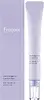
This anti-aging eye moisturizer is formulated around Collagen Extract and Bakuchiol to soften the look of wrinkles and hydrate skin.
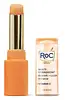
This brightening eye moisturizer is formulated around Tetrahexyldecyl Ascorbate and Troxerutin to brighten dull-looking skin and soften the look of wrinkles.


What's inside
What's inside
 Key Ingredients
Benefits
Concerns
Ingredients Side-by-side
Water
Skin ConditioningGlycerin
Humectant


Hydrogenated Polydecene
EmollientCyclopentasiloxane
Emollient
Polypropylsilsesquioxane
Caprylic/Capric Triglyceride
Masking
Butylene Glycol
Humectant
Diglycerin
Humectant
Polyglyceryl-3 Methylglucose Distearate
Emulsifying

Cetearyl Alcohol
Emollient



Ethylhexyl Palmitate
Emollient
Cetyl Alcohol
Emollient
Butyrospermum Parkii Butter
Skin Conditioning
Glyceryl Stearate
Emollient
1,2-Hexanediol
Skin Conditioning
Sodium Hyaluronate
Humectant


Caprylyl Glycol
Emollient
Collagen Extract
Skin Conditioning
Collagen
Moisturising
Soluble Collagen
Humectant
Hydrolyzed Collagen
Emollient
Collagen Amino Acids
Moisturising
Sodium Soy Hydrolyzed Collagen
Surfactant
Zinc Hydrolyzed Collagen
Skin Conditioning
Microcrystalline Wax
Emulsion StabilisingPropanediol
Solvent
Illicium Verum Fruit Extract
Perfuming
Macadamia Ternifolia Seed Oil
Emollient
Hydroxyethyl Acrylate/Sodium Acryloyldimethyl Taurate Copolymer
Emulsion StabilisingBixa Orellana Seed Oil
Emollient
Helianthus Annuus Seed Oil
Emollient
Glycine Soja Oil
Emollient

Tocopherol
Antioxidant


Atelocollagen
Skin Conditioning
Lavandula Angustifolia Flower Water
Skin Conditioning
Salvia Sclarea Extract
AntiseborrhoeicHyacinthus Orientalis Extract
Skin ConditioningChamomilla Recutita Flower/Leaf Extract
AntimicrobialBorago Officinalis Extract
Emollient
Centaurea Cyanus Flower Extract
Astringent
Ethylhexylglycerin
Skin ConditioningBrassica Oleracea Italica Extract
AstringentMedicago Sativa Extract
TonicBrassica Oleracea Capitata Leaf Extract
Skin ConditioningTriticum Vulgare Germ Extract
Skin ConditioningBrassica Campestris Extract
Skin ConditioningRaphanus Sativus Seed Extract
Skin ConditioningAllantoin
Skin Conditioning
Tocopheryl Acetate
Antioxidant
Bakuchiol
Antimicrobial


Acetyl Hexapeptide-8
Humectant
Copper Tripeptide-1
Skin Conditioning
Palmitoyl Pentapeptide-4
Skin Conditioning
Acetyl Tetrapeptide-5
Humectant
Palmitoyl Tripeptide-1
Skin Conditioning
Nonapeptide-1
Skin Conditioning
Dipeptide-2
Skin Conditioning
Tripeptide-1
Skin Conditioning
Hexapeptide-9
Skin Conditioning
Adenosine
Skin Conditioning
Disodium EDTA
Dipotassium Glycyrrhizate
Humectant
Ceramide NP
Skin Conditioning
Argania Spinosa Kernel Oil
Emollient
Rosa Canina Fruit Oil
Emollient
Camellia Japonica Seed Oil
Emollient
Salvia Officinalis Oil
Masking
Retinal
Skin Conditioning


Lecithin
Emollient
Ascorbic Acid
Antioxidant
Water, Glycerin, Hydrogenated Polydecene, Cyclopentasiloxane, Polypropylsilsesquioxane, Caprylic/Capric Triglyceride, Butylene Glycol, Diglycerin, Polyglyceryl-3 Methylglucose Distearate, Cetearyl Alcohol, Ethylhexyl Palmitate, Cetyl Alcohol, Butyrospermum Parkii Butter, Glyceryl Stearate, 1,2-Hexanediol, Sodium Hyaluronate, Caprylyl Glycol, Collagen Extract, Collagen, Soluble Collagen, Hydrolyzed Collagen, Collagen Amino Acids, Sodium Soy Hydrolyzed Collagen, Zinc Hydrolyzed Collagen, Microcrystalline Wax, Propanediol, Illicium Verum Fruit Extract, Macadamia Ternifolia Seed Oil, Hydroxyethyl Acrylate/Sodium Acryloyldimethyl Taurate Copolymer, Bixa Orellana Seed Oil, Helianthus Annuus Seed Oil, Glycine Soja Oil, Tocopherol, Atelocollagen, Lavandula Angustifolia Flower Water, Salvia Sclarea Extract, Hyacinthus Orientalis Extract, Chamomilla Recutita Flower/Leaf Extract, Borago Officinalis Extract, Centaurea Cyanus Flower Extract, Ethylhexylglycerin, Brassica Oleracea Italica Extract, Medicago Sativa Extract, Brassica Oleracea Capitata Leaf Extract, Triticum Vulgare Germ Extract, Brassica Campestris Extract, Raphanus Sativus Seed Extract, Allantoin, Tocopheryl Acetate, Bakuchiol, Acetyl Hexapeptide-8, Copper Tripeptide-1, Palmitoyl Pentapeptide-4, Acetyl Tetrapeptide-5, Palmitoyl Tripeptide-1, Nonapeptide-1, Dipeptide-2, Tripeptide-1, Hexapeptide-9, Adenosine, Disodium EDTA, Dipotassium Glycyrrhizate, Ceramide NP, Argania Spinosa Kernel Oil, Rosa Canina Fruit Oil, Camellia Japonica Seed Oil, Salvia Officinalis Oil, Retinal, Lecithin, Ascorbic Acid
C13-15 Alkane
SolventWater
Skin ConditioningCocoglycerides
Emollient
Helianthus Annuus Seed Wax
Skin Conditioning
Butylene Glycol
Humectant
Acrylates Crosspolymer
AbsorbentPolyhydroxystearic Acid
Emulsifying
Tetrahexyldecyl Ascorbate
Antioxidant
Bis-Behenyl/Isostearyl/Phytosteryl Dimer Dilinoleyl Dimer Dilinoleate
EmollientPolyglyceryl-4 Oleate
Emulsifying
Cetearyl Olivate
Polyglyceryl-6 Oleate
Emulsifying
Helianthus Annuus Seed Oil Unsaponifiables
Emollient
Troxerutin
Skin Conditioning
Calcium Aluminum Borosilicate
Diisostearyl Malate
EmollientGluconolactone
Skin Conditioning
Sorbitan Olivate
Emulsifying
Tocopheryl Acetate
Antioxidant
Sodium Benzoate
Masking
Sodium PCA
Humectant
Maltodextrin
Absorbent
Cistus Incanus Flower/Leaf/Stem Extract
Skin ConditioningHaematococcus Pluvialis Extract
Antioxidant
Octyldodecanol
Emollient
Calcium Gluconate
HumectantMalic Acid
Buffering

Pentaerythrityl Tetraisostearate
Emollient
Tocopherol
Antioxidant
Astaxanthin
Skin Conditioning
Caprylic/Capric Triglyceride
Masking
Propylene Carbonate
SolventStearalkonium Hectorite
Gel FormingPalmitoyl Hexapeptide-12
Skin Conditioning
CI 77491
Cosmetic ColorantC13-15 Alkane, Water, Cocoglycerides, Helianthus Annuus Seed Wax, Butylene Glycol, Acrylates Crosspolymer, Polyhydroxystearic Acid, Tetrahexyldecyl Ascorbate, Bis-Behenyl/Isostearyl/Phytosteryl Dimer Dilinoleyl Dimer Dilinoleate, Polyglyceryl-4 Oleate, Cetearyl Olivate, Polyglyceryl-6 Oleate, Helianthus Annuus Seed Oil Unsaponifiables, Troxerutin, Calcium Aluminum Borosilicate, Diisostearyl Malate, Gluconolactone, Sorbitan Olivate, Tocopheryl Acetate, Sodium Benzoate, Sodium PCA, Maltodextrin, Cistus Incanus Flower/Leaf/Stem Extract, Haematococcus Pluvialis Extract, Octyldodecanol, Calcium Gluconate, Malic Acid, Pentaerythrityl Tetraisostearate, Tocopherol, Astaxanthin, Caprylic/Capric Triglyceride, Propylene Carbonate, Stearalkonium Hectorite, Palmitoyl Hexapeptide-12, CI 77491
Reviews
Alternatives
Ingredients Explained
These ingredients are found in both products.
Ingredients higher up in an ingredient list are typically present in a larger amount.
Butylene Glycol (or BG) is used within cosmetic products for a few different reasons:
Overall, Butylene Glycol is a safe and well-rounded ingredient that works well with other ingredients.
Though this ingredient works well with most skin types, some people with sensitive skin may experience a reaction such as allergic rashes, closed comedones, or itchiness.
Learn more about Butylene GlycolCaprylic/Capric Triglyceride (aka MCT Oil) is a lightweight emollient, solvent, and texture enhancer. It is considered a skin-softener by helping to prevent moisture loss.
Though it behaves like an oil, it is not technically one due to its chemical composition. One perk of this ingredient is that it is very stable, resistant to oxidation, and unlikely to go rancid.
In practice, that translates to a long shelf life and a consistently elegant skin feel.
While there is an assumption Caprylic Triglyceride can clog pores due to it being derived from coconut oil, there is no research supporting this. Just patch test if you have concerns.
Fractionated coconut oil and MCT Oil are both listed as Caprylic/Capric Triglyceride according to INCI. This is because INCI names are based on the ingredient’s final chemical composition and not its marketing name or source.
This ingredient is treated as the gold standard fungal acne safe oil. Even though it is coconut derived, the problematic lauric acid is stripped out.
This leaves just caprylic (C8) and capric (C10) acid. These chain lengths actually trend antifungal; a 2020 study found caprylic acid was enough to disrupt Malassezia furfur cell membrane, with a caprylic acid derivative damaging membrane structures at concentrations as low as 0.2%.
Learn more about Caprylic/Capric TriglycerideTocopherol is a fat-soluble antioxidant known as Vitamin E.
You'll find this ingredient in the vast majority of skincare (for good reason). It works to neutralize free radicals, or unstable molecules generated by UV exposure, pollution, and other environmental stressors, before they can cause oxidative damage to your skin cells.
Topically applied tocopherol has been shown to protect against UV damage by ramping up the skin's own natural defense enzymes.
It also acts as a skin conditioning agent; some studies show that regular topical use can improve the skin's water-binding capacity over 2-4 weeks.
This ingredient is especially loved for being a team player. When combined with Vitamin C, the photoprotective effect of both ingredients roughly doubles and the combo also helps reduce UV-induced DNA damage.
This ingredient has some brightening potential but it's more of a prevention ingredient than spot-fader. Cell studies show it can slow down melanin production but it's worth noting that it's not the most powerful brightener out there.
In formulations, it also serves as a stabilizer that helps protect other oxidation-prone ingredients from degrading.
Concentrations usually range from 0.1-1% in most leave-on products.
Learn more about TocopherolTocopheryl Acetate is a stable, shelf-friendly form of vitamin E.
Formulators love it because plain vitamin E oxidizes quickly once it hits air. This acetate version stays stable and resists going off, helping to extend a product's shelf life.
It's actually inactive on its own and works like a slow-release "storage" form; the enzymes in your skin called esterases gradually convert it into active vitamin E over time.
One in vivo study showed 5% of the acetate in the living layer of the epidermis converted to vitamin E after 5 days of application. This study also found the skin gained protection against UV damage even though the conversion was slow and small.
Once converted, vitamin E acts as a skin's main fat-soluble antioxidant that fights free radicals to protect skin from damage.
Topical vitamin E generally boosts the skin's photoprotection, and it reduced UV-damage in animal models.
This ingredient has some brightening potential but it's more of a prevention ingredient than spot-fader. Cell studies show it can slow down melanin production but it's worth noting that it's not the most powerful brightener out there.
Overall, it has a pretty solid safety profile and has been found to be non-irritating and non-comedogenic. Allergic reactions may happen but stay rare due to how widely the ingredient gets used.
The concentration will vary depending on the formula; industry data shows 0.1% in baby lotions, 3% in lipsticks, and 5% in foot powders. You can also find this ingredient at 100% in a pure vitamin E oil.
Most leave-on skincare keeps it at the lower end, often between 0.5-1%.
Learn more about Tocopheryl AcetateWater. It's the most common cosmetic ingredient of all. You'll usually see it at the top of ingredient lists, meaning that it makes up the largest part of the product.
So why is it so popular? Water most often acts as a solvent - this means that it helps dissolve other ingredients into the formulation.
You'll also recognize water as that liquid we all need to stay alive. If you see this, drink a glass of water. Remember to stay hydrated!
Learn more about Water

