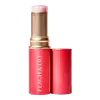
This hydrating serum is formulated around Squalane and Panax Ginseng Root Extract to hydrate skin.
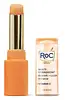
This brightening eye moisturizer is formulated around Tetrahexyldecyl Ascorbate and Troxerutin to brighten dull-looking skin and soften the look of wrinkles.


What's inside
What's inside
 Key Ingredients
Benefits
Concerns
Ingredients Side-by-side
Diisostearyl Malate
EmollientOctyldodecanol
Emollient
Polyisobutene
Synthetic Wax
Abrasive

Copernicia Cerifera Wax


Glycerin
Humectant


Camellia Japonica Seed Oil
Emollient
Butyrospermum Parkii Butter
Skin Conditioning

Glyceryl Glucoside
Humectant
Squalane
Emollient
Tremella Fuciformis Polysaccharide
Emulsion Stabilising
Alpha-Glucan Oligosaccharide
Cleansing
Glucose
Humectant
Collagen Extract
Skin Conditioning
Panax Ginseng Root Extract
Emollient
Hordeum Distichon Extract
Skin ProtectingHouttuynia Cordata Extract
Skin Conditioning
Prunus Persica Leaf Extract
Emollient
Bifida Ferment Filtrate
Skin Conditioning
Vitis Vinifera Fruit Extract
Skin ConditioningArtemisia Vulgaris Extract
Skin Conditioning
Panthenol
Skin Conditioning
Tremella Fuciformis Extract
Humectant
Hydrolyzed Sodium Hyaluronate
Skin Conditioning
Sodium Hyaluronate
Humectant
Hydrolyzed Hyaluronic Acid
Humectant
Hyaluronic Acid
Humectant
Sodium Hyaluronate Crosspolymer
Humectant
Palmitoyl Tripeptide-1
Skin Conditioning

Acetyl Hexapeptide-8
Humectant
Tripeptide-1
Skin Conditioning
Copper Tripeptide-1
Skin Conditioning
Acetyl Tetrapeptide-5
Humectant
Palmitoyl Pentapeptide-4
Skin Conditioning
Hexapeptide-9
Skin Conditioning
Nonapeptide-1
Skin Conditioning
Dipeptide-2
Skin Conditioning
Lecithin
Emollient
Rosa Canina Seed Extract
EmollientWater
Skin ConditioningHelianthus Annuus Seed Oil
Emollient
Adenosine
Skin Conditioning
Tocopherol
Antioxidant



Butylene Glycol
Humectant
Hibiscus Rosa-Sinensis Flower Extract
HumectantSantalum Album Extract
Cleansing1,2-Hexanediol
Skin Conditioning
Ethylhexylglycerin
Skin ConditioningCaprylyl Glycol
Emollient
Phellodendron Amurense Bark Extract
Skin ConditioningChlorella Ferment
Skin Conditioning
Polyglyceryl-10 Oleate
Skin Conditioning
Pentylene Glycol
Skin Conditioning
Mica
Cosmetic ColorantTitanium Dioxide
Cosmetic Colorant

Titanium/Titanium Dioxide
Cosmetic ColorantTin Oxide
Abrasive
CI 77491
Cosmetic ColorantDiisostearyl Malate, Octyldodecanol, Polyisobutene, Synthetic Wax, Copernicia Cerifera Wax, Glycerin, Camellia Japonica Seed Oil, Butyrospermum Parkii Butter, Glyceryl Glucoside, Squalane, Tremella Fuciformis Polysaccharide, Alpha-Glucan Oligosaccharide, Glucose, Collagen Extract, Panax Ginseng Root Extract, Hordeum Distichon Extract, Houttuynia Cordata Extract, Prunus Persica Leaf Extract, Bifida Ferment Filtrate, Vitis Vinifera Fruit Extract, Artemisia Vulgaris Extract, Panthenol, Tremella Fuciformis Extract, Hydrolyzed Sodium Hyaluronate, Sodium Hyaluronate, Hydrolyzed Hyaluronic Acid, Hyaluronic Acid, Sodium Hyaluronate Crosspolymer, Palmitoyl Tripeptide-1, Acetyl Hexapeptide-8, Tripeptide-1, Copper Tripeptide-1, Acetyl Tetrapeptide-5, Palmitoyl Pentapeptide-4, Hexapeptide-9, Nonapeptide-1, Dipeptide-2, Lecithin, Rosa Canina Seed Extract, Water, Helianthus Annuus Seed Oil, Adenosine, Tocopherol, Butylene Glycol, Hibiscus Rosa-Sinensis Flower Extract, Santalum Album Extract, 1,2-Hexanediol, Ethylhexylglycerin, Caprylyl Glycol, Phellodendron Amurense Bark Extract, Chlorella Ferment, Polyglyceryl-10 Oleate, Pentylene Glycol, Mica, Titanium Dioxide, Titanium/Titanium Dioxide, Tin Oxide, CI 77491
C13-15 Alkane
SolventWater
Skin ConditioningCocoglycerides
Emollient
Helianthus Annuus Seed Wax
Skin Conditioning
Butylene Glycol
Humectant
Acrylates Crosspolymer
AbsorbentPolyhydroxystearic Acid
Emulsifying
Tetrahexyldecyl Ascorbate
Antioxidant

Bis-Behenyl/Isostearyl/Phytosteryl Dimer Dilinoleyl Dimer Dilinoleate
EmollientPolyglyceryl-4 Oleate
Emulsifying
Cetearyl Olivate
Polyglyceryl-6 Oleate
Emulsifying
Helianthus Annuus Seed Oil Unsaponifiables
Emollient
Troxerutin
Skin Conditioning
Calcium Aluminum Borosilicate
Diisostearyl Malate
EmollientGluconolactone
Skin Conditioning


Sorbitan Olivate
Emulsifying
Tocopheryl Acetate
Antioxidant
Sodium Benzoate
Masking
Sodium PCA
Humectant
Maltodextrin
Absorbent
Cistus Incanus Flower/Leaf/Stem Extract
Skin ConditioningHaematococcus Pluvialis Extract
Antioxidant
Octyldodecanol
Emollient
Calcium Gluconate
HumectantMalic Acid
Buffering

Pentaerythrityl Tetraisostearate
Emollient
Tocopherol
Antioxidant
Astaxanthin
Skin Conditioning
Caprylic/Capric Triglyceride
Masking
Propylene Carbonate
SolventStearalkonium Hectorite
Gel FormingPalmitoyl Hexapeptide-12
Skin Conditioning
CI 77491
Cosmetic ColorantC13-15 Alkane, Water, Cocoglycerides, Helianthus Annuus Seed Wax, Butylene Glycol, Acrylates Crosspolymer, Polyhydroxystearic Acid, Tetrahexyldecyl Ascorbate, Bis-Behenyl/Isostearyl/Phytosteryl Dimer Dilinoleyl Dimer Dilinoleate, Polyglyceryl-4 Oleate, Cetearyl Olivate, Polyglyceryl-6 Oleate, Helianthus Annuus Seed Oil Unsaponifiables, Troxerutin, Calcium Aluminum Borosilicate, Diisostearyl Malate, Gluconolactone, Sorbitan Olivate, Tocopheryl Acetate, Sodium Benzoate, Sodium PCA, Maltodextrin, Cistus Incanus Flower/Leaf/Stem Extract, Haematococcus Pluvialis Extract, Octyldodecanol, Calcium Gluconate, Malic Acid, Pentaerythrityl Tetraisostearate, Tocopherol, Astaxanthin, Caprylic/Capric Triglyceride, Propylene Carbonate, Stearalkonium Hectorite, Palmitoyl Hexapeptide-12, CI 77491
Reviews
Alternatives
Ingredients Explained
These ingredients are found in both products.
Ingredients higher up in an ingredient list are typically present in a larger amount.
Butylene Glycol (or BG) is used within cosmetic products for a few different reasons:
Overall, Butylene Glycol is a safe and well-rounded ingredient that works well with other ingredients.
Though this ingredient works well with most skin types, some people with sensitive skin may experience a reaction such as allergic rashes, closed comedones, or itchiness.
Learn more about Butylene GlycolCi 77491 is also hydrated iron III oxide. It's sole purpose is to give a red/pink hue to products.
Iron III oxides are classified as inorganic chemicals for coloring.
Synthetically created Ci 77491 is considered safer than those naturally found. This is because the synthetically created version may contain less impurities. Iron oxides are generally non-toxic and non-allergenic.
Learn more about CI 77491Diisostearyl Malate is an emollient and most often used in lip products. It comes from isostearyl alcohol, a fatty acid, and malic acid, an AHA.
As an emollient, Diisostearyl Malate helps create a thin film on your skin to trap moisture in. This helps keep your skin soft and smooth.
Octyldodecanol is a fatty alcohol sourced from plant oils like coconut or palm (or made synthetically).
It is:
You'll likely see this in many BHA products because this is the go-to solvent for salicylic acid.
This ingredient is typically used at levels between 2-20%.
Regarding fungal acne:
In 2019, this ingredient was tested against multiple Malassezia species (the yeast that causes fungal acne) and showed no growth.
Tocopherol is a fat-soluble antioxidant known as Vitamin E.
You'll find this ingredient in the vast majority of skincare (for good reason). It works to neutralize free radicals, or unstable molecules generated by UV exposure, pollution, and other environmental stressors, before they can cause oxidative damage to your skin cells.
Topically applied tocopherol has been shown to protect against UV damage by ramping up the skin's own natural defense enzymes.
It also acts as a skin conditioning agent; some studies show that regular topical use can improve the skin's water-binding capacity over 2-4 weeks.
This ingredient is especially loved for being a team player. When combined with Vitamin C, the photoprotective effect of both ingredients roughly doubles and the combo also helps reduce UV-induced DNA damage.
This ingredient has some brightening potential but it's more of a prevention ingredient than spot-fader. Cell studies show it can slow down melanin production but it's worth noting that it's not the most powerful brightener out there.
In formulations, it also serves as a stabilizer that helps protect other oxidation-prone ingredients from degrading.
Concentrations usually range from 0.1-1% in most leave-on products.
Learn more about TocopherolWater. It's the most common cosmetic ingredient of all. You'll usually see it at the top of ingredient lists, meaning that it makes up the largest part of the product.
So why is it so popular? Water most often acts as a solvent - this means that it helps dissolve other ingredients into the formulation.
You'll also recognize water as that liquid we all need to stay alive. If you see this, drink a glass of water. Remember to stay hydrated!
Learn more about Water

