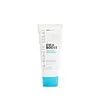
This calming night moisturizer is formulated around Allantoin and Centella Asiatica Extract to calm redness and hydrate skin.
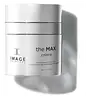
This anti-aging night moisturizer is formulated around Tetrahexyldecyl Ascorbate and Centella Asiatica Extract to soften the look of wrinkles.


What's inside
What's inside
 Key Ingredients
Benefits
Concerns
Ingredients Side-by-side
Water
Skin ConditioningEthylhexyl Palmitate
Emollient




Glycerin
Humectant


Caprylic/Capric Triglyceride
Masking
Cetearyl Alcohol
Emollient
Dimethicone
Emollient
Propylene Glycol
Humectant
Helianthus Annuus Seed Oil
Emollient
Glyceryl Stearate
Emollient
Olea Europaea Fruit Extract
BleachingAllantoin
Skin Conditioning

Phenoxyethanol
Preservative
Centella Asiatica Extract
Cleansing

Tocopherol
Antioxidant



Faex Extract
Skin ConditioningInulin
Skin Conditioning
Alpha-Glucan Oligosaccharide
Cleansing
Camellia Sinensis Leaf Extract
Antimicrobial

Sodium Hyaluronate
Humectant
Acetyl Hexapeptide-8
Humectant
Arginine/Lysine Polypeptide
Skin Conditioning
PEG-100 Stearate
Surfactant
Methyl Gluceth-10
EmulsifyingArachidyl Alcohol
Emollient
Carbomer
Emulsion StabilisingPolyacrylamide
Chlorphenesin
Antimicrobial
C13-14 Isoparaffin
Emollient
Behenyl Alcohol
Emollient
Arachidyl Glucoside
EmulsifyingDisodium EDTA
ChelatingSodium Hydroxide
BufferingPentaerythrityl Tetra-Di-T-Butyl Hydroxyhydrocinnamate
Antioxidant
Laureth-7
EmulsifyingCitric Acid
Buffering
Hydrogenated Lecithin
Emulsifying
Butylene Glycol
Humectant
Maltodextrin
Absorbent
1,2-Hexanediol
Skin Conditioning
Leuconostoc/Radish Root Ferment Lysate Filtrate
Skin Conditioning
Ethylhexylglycerin
Skin ConditioningCaprylyl Glycol
Emollient
Water, Ethylhexyl Palmitate, Glycerin, Caprylic/Capric Triglyceride, Cetearyl Alcohol, Dimethicone, Propylene Glycol, Helianthus Annuus Seed Oil, Glyceryl Stearate, Olea Europaea Fruit Extract, Allantoin, Phenoxyethanol, Centella Asiatica Extract, Tocopherol, Faex Extract, Inulin, Alpha-Glucan Oligosaccharide, Camellia Sinensis Leaf Extract, Sodium Hyaluronate, Acetyl Hexapeptide-8, Arginine/Lysine Polypeptide, PEG-100 Stearate, Methyl Gluceth-10, Arachidyl Alcohol, Carbomer, Polyacrylamide, Chlorphenesin, C13-14 Isoparaffin, Behenyl Alcohol, Arachidyl Glucoside, Disodium EDTA, Sodium Hydroxide, Pentaerythrityl Tetra-Di-T-Butyl Hydroxyhydrocinnamate, Laureth-7, Citric Acid, Hydrogenated Lecithin, Butylene Glycol, Maltodextrin, 1,2-Hexanediol, Leuconostoc/Radish Root Ferment Lysate Filtrate, Ethylhexylglycerin, Caprylyl Glycol
Water
Skin ConditioningGlycerin
Humectant
Caprylic/Capric Triglyceride
Masking
Dimethicone
Emollient
Sucrose Palmitate
EmollientCetyl Alcohol
Emollient
Tocopheryl Acetate
Antioxidant
Glyceryl Linoleate
Emollient
Cetearyl Alcohol
Emollient
Glyceryl Stearate
Emollient
PEG-100 Stearate
Surfactant
Phenoxyethanol
Preservative
Stearic Acid
Cleansing
Citrus Grandis Peel Oil
Masking



Limonene
Perfuming
Butylene Glycol
Humectant
Glyceryl Polymethacrylate
Pullulan
Sclerotium Gum
Emulsion StabilisingCaprylyl Glycol
Emollient
Ceteth-10 Phosphate
CleansingDicetyl Phosphate
EmulsifyingMalus Domestica Fruit Cell Culture Extract
Skin ConditioningTetrahexyldecyl Ascorbate
Antioxidant
Isomalt
HumectantEthylhexylglycerin
Skin ConditioningHexylene Glycol
EmulsifyingHydrolyzed Rice Protein
Skin ConditioningPropylene Glycol
Humectant
Centella Asiatica Extract
Cleansing
Glycine Soja Sterols
Emollient
Linoleic Acid
Cleansing
Nannochloropsis Oculata Extract
HumectantPhospholipids
Skin Conditioning
PPG-12/Smdi Copolymer
EmollientImperata Cylindrica Root Extract
Skin ConditioningMacrocystis Pyrifera Extract
Skin Conditioning
Potassium Sorbate
Preservative
Echinacea Purpurea Extract
MoisturisingCitric Acid
Buffering
Xanthan Gum
EmulsifyingSodium Benzoate
Masking
Leontopodium Alpinum Meristem Cell Culture
Skin ConditioningPvp
Emulsion StabilisingSodium Lactate
Buffering
Carbomer
Emulsion StabilisingDipeptide Diaminobutyroyl Benzylamide Diacetate
Skin Conditioning
Glycine Soja Protein
EmulsifyingHydrolyzed Vegetable Protein
Skin ConditioningSuperoxide Dismutase
Antioxidant
Lecithin
Emollient
Polysorbate 20
Emulsifying
PEG-8
HumectantHydroxypropyl Cyclodextrin
MaskingPalmitoyl Tripeptide-38
Skin Conditioning
Phaseolus Radiatus Meristem Cell Culture Extract
Skin ConditioningPolyacrylamide
Leuconostoc/Radish Root Ferment Filtrate
Antimicrobial
C13-14 Isoparaffin
Emollient
Arabidopsis Thaliana Extract
Antioxidant
Argania Spinosa Callus Culture Extract
Skin ConditioningPlankton Extract
Skin ConditioningSodium Dextran Sulfate
Gel FormingSpiraea Ulmaria Flower Extract
Skin ConditioningVitis Vinifera Seed Extract
Antimicrobial
Citral
Perfuming
Acetyl Hexapeptide-8
Humectant
Acetyl Octapeptide-3
Humectant
Laureth-7
EmulsifyingPalmitoyl Tripeptide-1
Skin Conditioning
Palmitoyl Tetrapeptide-7
Skin Conditioning
Biotin
AntiseborrhoeicWater, Glycerin, Caprylic/Capric Triglyceride, Dimethicone, Sucrose Palmitate, Cetyl Alcohol, Tocopheryl Acetate, Glyceryl Linoleate, Cetearyl Alcohol, Glyceryl Stearate, PEG-100 Stearate, Phenoxyethanol, Stearic Acid, Citrus Grandis Peel Oil, Limonene, Butylene Glycol, Glyceryl Polymethacrylate, Pullulan, Sclerotium Gum, Caprylyl Glycol, Ceteth-10 Phosphate, Dicetyl Phosphate, Malus Domestica Fruit Cell Culture Extract, Tetrahexyldecyl Ascorbate, Isomalt, Ethylhexylglycerin, Hexylene Glycol, Hydrolyzed Rice Protein, Propylene Glycol, Centella Asiatica Extract, Glycine Soja Sterols, Linoleic Acid, Nannochloropsis Oculata Extract, Phospholipids, PPG-12/Smdi Copolymer, Imperata Cylindrica Root Extract, Macrocystis Pyrifera Extract, Potassium Sorbate, Echinacea Purpurea Extract, Citric Acid, Xanthan Gum, Sodium Benzoate, Leontopodium Alpinum Meristem Cell Culture, Pvp, Sodium Lactate, Carbomer, Dipeptide Diaminobutyroyl Benzylamide Diacetate, Glycine Soja Protein, Hydrolyzed Vegetable Protein, Superoxide Dismutase, Lecithin, Polysorbate 20, PEG-8, Hydroxypropyl Cyclodextrin, Palmitoyl Tripeptide-38, Phaseolus Radiatus Meristem Cell Culture Extract, Polyacrylamide, Leuconostoc/Radish Root Ferment Filtrate, C13-14 Isoparaffin, Arabidopsis Thaliana Extract, Argania Spinosa Callus Culture Extract, Plankton Extract, Sodium Dextran Sulfate, Spiraea Ulmaria Flower Extract, Vitis Vinifera Seed Extract, Citral, Acetyl Hexapeptide-8, Acetyl Octapeptide-3, Laureth-7, Palmitoyl Tripeptide-1, Palmitoyl Tetrapeptide-7, Biotin
Ingredients Explained
These ingredients are found in both products.
Ingredients higher up in an ingredient list are typically present in a larger amount.
Acetyl Hexapeptide-8 (also known as Argireline) is a synthetic hexapeptide that is often called a "topical Botox alternative".
It works by mimicking how Botox relaxes muscles; it interferes with the signaling process that tells your facial muscles to contract. This can help soften expression lines like forehead wrinkles or crow's feet over time.
The comparison to Botox does have limits because the molecule is water-loving and relatively large.
Acetyl Hexapeptide-8 has a hard time absorbing deeply enough through the skin's outer barrier to actually reach the muscles.
So whether it truly works the way Botox does at a biological level is still up for debate, but early clinical outcomes are fairly encouraging.
A 12 week human study of a multi-ingredient regimen containing this ingredient saw:
While some studies have observed improvements in wrinkle appearance, it is important to note that more consistent results are seen in multi-ingredient formulations (vs just Acetyl Hexapeptide-8 alone).
Some research studies also used higher concentrations (up to 10%) while this ingredient is usually found in concentrations up to 0.005% in leave-on formulations.
Learn more about Acetyl Hexapeptide-8Butylene Glycol (or BG) is used within cosmetic products for a few different reasons:
Overall, Butylene Glycol is a safe and well-rounded ingredient that works well with other ingredients.
Though this ingredient works well with most skin types, some people with sensitive skin may experience a reaction such as allergic rashes, closed comedones, or itchiness.
Learn more about Butylene GlycolC13-14 Isoparaffin is a synthetic emollient, solvent, and thickening agent. It helps soften skin and improves spreadability without leaving a greasy residue.
This ingredient has been found to be non-sensitizing and safe for use in cosmetics.
Two things floating around online that cause fear-mongering:
There's one scary-sounding study related to kidney tumors in male rats; this depends on a protein called alpha-2u-globulin that binds the ingredient and clogs up kidney cells. Female rats barely make this protein, and humans don't make it at all so this effect cannot happen to us. Regulatory bodies have states this rat-only pathway shouldn't be used to judge human risk.
The other thing you'll see is 1,4-dioxane being a trace byproduct that can form during manufacturing of petroleum-derived ingredients. This is a real, but heavily managed/monitored issue. This byproduct is removed through purification steps before the ingredients goes into the formula. Regulatory bodies also actively monitor residual levels for safety.
One last thing to note: this ingredient is a pure hydrocarbon with no fatty-acid or ester chains for Malassezia to feed on, so it's considered fungal acne safe.
Learn more about C13-14 IsoparaffinCaprylic/Capric Triglyceride (aka MCT Oil) is a lightweight emollient, solvent, and texture enhancer. It is considered a skin-softener by helping to prevent moisture loss.
Though it behaves like an oil, it is not technically one due to its chemical composition. One perk of this ingredient is that it is very stable, resistant to oxidation, and unlikely to go rancid.
In practice, that translates to a long shelf life and a consistently elegant skin feel.
While there is an assumption Caprylic Triglyceride can clog pores due to it being derived from coconut oil, there is no research supporting this. Just patch test if you have concerns.
Fractionated coconut oil and MCT Oil are both listed as Caprylic/Capric Triglyceride according to INCI. This is because INCI names are based on the ingredient’s final chemical composition and not its marketing name or source.
This ingredient is treated as the gold standard fungal acne safe oil. Even though it is coconut derived, the problematic lauric acid is stripped out.
This leaves just caprylic (C8) and capric (C10) acid. These chain lengths actually trend antifungal; a 2020 study found caprylic acid was enough to disrupt Malassezia furfur cell membrane, with a caprylic acid derivative damaging membrane structures at concentrations as low as 0.2%.
Learn more about Caprylic/Capric TriglycerideCaprylyl Glycol is a humectant, skin conditioner, emollient, and preservative booster derived from either caprylic acid or synthetically created.
Typical use levels vary from 0.3-1% as a preservative booster and go up to 2% to condition skin.
Because it is not a free-fatty acid, this ingredient is fungal acne safe (there's nothing for Malassezia to feed on).
Learn more about Caprylyl GlycolCarbomer is a synthetic thickening and gelling agent. It's basically the ingredient that gives a lot of serums, gels, creams, and sunscreens their smooth, non-sticky texture.
Although legally permitted at very high levels, carbomers are normally used at concentrations below 1%.
It also needs to be neutralized to actually thicken, and because it is a large molecule, it doesn't really penetrate the skin barrier.
Allergy-wise, the risk is very low. Clinical studies show carbomers have low potential for skin irritation/sensitization even at concentrations up to 100%.
A 2024 UK study patch-tested 1,302 patients and found true allergy to the parent group of carbomer to be rare with no confirmed relevant reactions.
Learn more about CarbomerCentella Asiatica Extract (Centella) is one of the most researched botanical extracts in skincare with decades of studies backing its effects on inflammation, collagen, and the skin barrier.
That research keeps pointing back to the same four triterpenoid saponins: Asiaticoside, Madecassoside, Asiatic Acid, and Madecassic Acid.
These compounds allow centella to dial back inflammation, encourage the skin to build and hold onto collagen, support the barrier and hydration, and bring solid antioxidant activity to protect against signs of aging.
Centella also carries a nice supporting cast of Vitamin A, vitamin C, several B vitamins, and amino acids. Put it all together and you get an ingredient that soothes, hydrates, and protects, all at once.
Most of centella's magic comes from the four big compounds (Asiaticoside, Madecassoside, Asiatic Acid, and Madecassic Acid). These are the actives doing the heavy lifting in almost every centella study.
Here is the short version of what they do in the skin:
So it is not just soothing for the sake of soothing. Centella calms the skin AND helps it rebuild.
Just FYI, not all centella on an ingredient list is the same. What you are getting actually depends on the extract:
Fun fact on the ratios: the leaves tend to be richest in Madecassoside and Asiaticoside, and lower in the two acids. The exact amounts shift with where the plant is grown and how it is processed. This means purity really does vary brand to brand.
Centella is one of the most easygoing actives out there.
It layers well with basically everything: niacinamide, hyaluronic acid, peptides, and vitamin C, and also pairs nicely with stronger actives like retinoids and exfoliating acids where it can help take the edge off irritation.
On the safety side, centella and its triterpenes are classified as weak sensitizers, meaning allergic reactions are possible but uncommon.
Patch tests at 1% and 5% came back negative in test panels, and creams at typical use levels did not cause allergic reactions across large groups of people.
But as with any new active, a patch test is still a smart move for very reactive skin.
Centella is widely used because it is effective at low percentages. For context, human safety testing found no meaningful irritation from creams containing centella extract at everyday use levels (the tested amounts were well under 1%).
The irritancy threshold in animal testing was also above 30% (so real-world formulas sit far below anything concerning).
In collagen lab studies, higher concentrations drove more collagen synthesis, so serums built around centella tend to feature it more prominently.
Bottom line: you will find centella working nicely anywhere from a fraction of a percent up to hero-ingredient levels depending on whether it is a supporting soother or the main event.
Fun fact: Centella has been used as a medicine and in food for many centuries. As a medicine, it is used to treat burns, scratches, and wounds.
Learn more about Centella Asiatica ExtractCetearyl alcohol is a waxy mixture of two fatty alcohols: cetyl alcohol and stearyl alcohol. It is an emollient and emulsifier.
Despite having "alcohol" in its name, it has nothing to do with drying solvent alcohols; the FDA also allows "alcohol-free" products to contain fatty alcohols like this ingredient.
It plays several roles in a formula:
Typical use levels for this ingredient sit around 1-10% and the Cosmetic Ingredient Review Expert Panel has affirmed safety at concentrations up to 25% in leave-on products.
Multiple assessments have found it to be non-irritating and non-sensitizing to most people.
However, there have been some cases of allergic contact dermatitis in patients with chronically compromised skin barriers.
Cetearyl alcohol has a comedogenic rating of 2 and irritancy rating of 1. Both of these numbers come from the 1989 study that used rabbit ears; a "2" means mildly comedogenic and a "1" means low irritancy.
Here's the catch: rabbit skin is more sensitive than human skin and throws a lot of false positives. A 1996 reappraisal found that ingredients rated 1-2 in the rabbit ear tests are generally safe for humans.
Remember comedogenic ratings are unable to assess the entire formula of a product or how it will react on your skin. Just be sure to patch test if you are unsure about certain ingredients.
This ingredient is not fungal acne safe. Cetearyl alcohol is a fatty alcohol with chain lengths that fall within the range that Malassezia can metabolize.
A 2019 study has also observed Malassezia growth in the presence of this ingredient, confirming it to be not-fungal acne safe.
Learn more about Cetearyl AlcoholCitric Acid is an alpha hydroxy acid (AHA) naturally found in citrus fruits like oranges, lemons, and limes.
Like other AHAs, citric acid can exfoliate skin by breaking down the bonds that hold dead skin cells together. This helps reveal smoother and brighter skin underneath.
However, this exfoliating effect only happens at high concentrations (20%) which can be hard to find in cosmetic products.
Due to this, citric acid is usually included in small amounts as a pH adjuster. This helps keep products slightly more acidic and compatible with skin's natural pH.
In skincare formulas, citric acid can:
While it can provide some skin benefits, research shows lactic acid and glycolic acid are generally more effective and less irritating exfoliants.
Most citric acid used in skincare today is made by fermenting sugars (usually from molasses). This synthetic version is identical to the natural citrus form but easier to stabilize and use in formulations.
Rosacea skin has a lower threshold for acids generally, with 62.5% of rosacea subjects in one study reacting to lactic acid in a sting test. This is why we mark citric acid as a potential rosacea trigger.
However, this ingredient shows up as a pH adjuster or chelator at roughly 0.1-1% in many products. These low levels are unlikely to be an issue for rosacea skin and becomes a potential trigger at exfoliating concentrations (20%). Because everybody's skin is unique, we recommend a patch test if you are unsure.
Learn more about Citric AcidDimethicone is a type of synthetic silicone created from natural materials such as quartz. It is also known as polydimethylsiloxane.
What it does:
Dimethicone comes in different viscosities:
Depending on the viscosity, dimethicone has different properties.
Ingredients lists don't always show which type is used, so we recommend reaching out to the brand if you have questions about the viscosity.
This ingredient is unlikely to cause irritation because it does not get absorbed into skin. However, people with silicone allergies should be careful about using this ingredient.
Note: Dimethicone may contribute to pilling. This is because it is not oil or water soluble, so pilling may occur when layered with products. When mixed with heavy oils in a formula, the outcome is also quite greasy.
Learn more about DimethiconeEthylhexylglycerin is created from glycerin. It is a multitasker ingredient that:
The CIR Expert Panel found minimal skin absorption or sensitization of any kind in a safety assessment. Though this ingredient is considered well-tolerated, a small number of cases of allergic dermatitis have been published since 2002. Just be sure to patch test if you are unsure.
Industry-reported use ranges from 8% in rinse-off products and 2% in leave-on formulations.
Learn more about EthylhexylglycerinGlycerin (or glycerol) is a compound naturally found in your skin. It's a powerhouse humectant that pulls water into the stratum corneum.
Topically, glycerin does several things at once:
Your skin makes glycerin on its own (mostly from sebaceous oil breakdown) and shuttles it to your outermost layer of skin, or your epidermis, via aquaporin-3.
Aquaporin-3 is a transporter that is essential for normal skin hydration, elasticity, and repair. Interestingly, mice lacking in AQP3 have dry and less elastic skin that can be fully corrected with glycerin.
This ingredient is non-irritating, plays well with almost every ingredient, and works across all skin types. Typical use is anywhere between 3-10% but can go up to 79% in some leave-on products.
Just know very high concentrations (>40%) can feel tacky in low humidity.
Glycerin is the name for this ingredient in American English. British English uses Glycerol/Glycerine.
Learn more about GlycerinGlyceryl Stearate is made by reacting glycerin with stearic acid (typically sourced from plant oils like palm or coconut). It's an emulsifier, emollient, and mild occlusive.
Emulsifiers help ingredients like oil and water stay mixed so your formula stays nicely blended and uniform in texture.
This ingredient is typically used in concentrations between 1-10%. Studies have found it to be non-sensitizing, non-phototoxic, and non-photoallergenic.
A close cousin of this ingredient is Glyceryl Stearate SE ("self-emulsifying"). This just has a small amount of sodium or potassium stearate added so it can emulsify without a co-emulsifier.
Since this ingredient is an ester of a C18 fatty acid, it may not be fungal acne safe. The Malassezia yeast can potentially metabolize within the C11-C24 range.
Fun fact: The human body also creates Glyceryl Stearate naturally.
Learn more about Glyceryl StearateLaureth-7 is created by the ethoxylation of lauryl alcohol using ethylene oxide. Lauryl alcohol is a fatty alcohol with hydrating properties.
This ingredient is an emulsifier and cleansing ingredient. As an emulsifier, it is used to prevent ingredients from separating. It also helps cleanse the skin by gathering dirt, oil, and pollutants to be rinsed away.
Peg-100 Stearate is an emollient and emulsifier. As an emollient, it helps keep skin soft by trapping moisture in. On the other hand, emulsifiers help prevent oil and water from separating in a product.
PEGS are a hydrophilic polyether compound . There are 100 ethylene oxide monomers in Peg-100 Stearate. Peg-100 Stearate is polyethylene glycol ester of stearic acid.
Phenoxyethanol is one of the most widely used preservatives in skincare (and for good reason!).
It has a large spectrum of antimicrobial activity and especially effective bacteria, yeast, and mold while only having a weak effect on your skin's natural microbiome.
On a cellular level, it disrupts the cell membranes of microbes by poking holes that make the cell leak. This shuts down the chemical reactions the microbe needs to make energy so it can no longer survive.
Another perk of this ingredient is that it stays functional across a wide pH range (3-10).
You'll often see it paired with boosters like Ethylhexylglycerin; one study showed that a 1:9 ratio of Ethylhexylglycerin to Phenoxyethanol damages bacterial membranes as effectively as doubling the Phenoxyethanol concentration on its own.
Typical use concentrations range from 0.3-1% depending on the formula, and this ingredient is capped at 1% int the EU.
Safety-wise, the fear mongering does not hold up to the evidence. The EU's Scientific Committee on Consumer Safety and FDA consider it safe as a preservative at up to 1%, including for children of all ages.
Adverse systemic effects only showed up in animal studies at exposures roughly 200x higher than what people get from cosmetics. And despite its very widespread use, this ingredient is a rare sensitizer and allergic reactions are uncommon.
Learn more about PhenoxyethanolPolyacrylamide is a synthetic polymer. It is used to stabilize products and bind ingredients. When hydrated, Polyacrylamide forms a soft gel.
Polyacrylamide is low-toxicity. If source properly, it is deemed safe to use in cosmetics.
It should be noted the precursor to Polyacrylamide is acrylamide. Acrylamide is a carcinogen. Most reputable sources of Polyacrylamide will screen for residual acrylamide to make sure the count is in a safe range. Acrylamide is not able to be absorbed through the skin.
We recommend speaking with a professional if you have concerns.
Learn more about PolyacrylamidePropylene Glycol is a synthetic, colorless, odorless liquid that has been a staple in cosmetics for decades. It is a skin conditioning agent, humectant, and solvent.
As a humectant, it draw water to the skin to reduce flaking and restore suppleness. It's also a solvent that helps dissolve other actives and keeps formulas stable across temperature changes.
The CIR Expert Panel has confirmed this ingredient to be nontoxic and clinical studies show no sensitization at cosmetic use concentrations.
True allergic reactions are quite rare: a 15-year retrospective study of 6,751 patients found only 0.31% had a positive reaction (and less than half were considered clinically relevant).
It seemed that when sensitization does occur, it's most commonly linked to topical medication (like corticosteroids) and not cosmetics. Allergic contact dermatitis also appears largely limited to individuals with underlying skin conditions.
Overall, propylene glycol is a well-studied ingredient that most people can tolerate without issue.
Learn more about Propylene GlycolWater. It's the most common cosmetic ingredient of all. You'll usually see it at the top of ingredient lists, meaning that it makes up the largest part of the product.
So why is it so popular? Water most often acts as a solvent - this means that it helps dissolve other ingredients into the formulation.
You'll also recognize water as that liquid we all need to stay alive. If you see this, drink a glass of water. Remember to stay hydrated!
Learn more about Water

