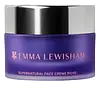
This barrier-repair moisturizer is formulated around Aloe Barbadensis Leaf Juice and Saccharide Isomerate to strengthen the skin barrier and hydrate skin.
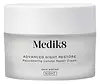
This barrier-repair night moisturizer is formulated around Squalane and Ceramide NP to strengthen the skin barrier and hydrate skin.

What's inside
What's inside
 Key Ingredients
Benefits
Concerns
Ingredients Side-by-side
Aloe Barbadensis Leaf Juice
Skin Conditioning


Water
Skin ConditioningGlycerin
Humectant

Jojoba Esters
Emollient

Caprylic/Capric Triglyceride
Masking
Shea Butter Ethyl Esters
Emollient
Camellia Oleifera Seed Oil
Skin Conditioning
Glyceryl Stearate Citrate
Emollient
Cetearyl Alcohol
Emollient



Astrocaryum Murumuru Seed Butter
Emollient
Brassica Alcohol
Emollient
Tridecane
Perfuming

Undecane
EmollientSaccharide Isomerate
Humectant
Melissa Officinalis Leaf Extract
Skin ConditioningMalva Sylvestris Extract
AstringentAchillea Millefolium Extract
CleansingSodium Hyaluronate
Humectant

Argania Spinosa Kernel Oil
Emollient

Gigartina Stellata Extract
Skin Protecting
Ricinus Communis Seed Oil
Masking
Primula Veris Extract
Skin ConditioningBorago Officinalis Seed Oil
Emollient
Limnanthes Alba Seed Oil
Skin Conditioning
Macadamia Ternifolia Seed Oil
Emollient
Persea Gratissima Oil
Skin Conditioning
Rosa Canina Fruit Oil
Emollient
Alchemilla Vulgaris Extract
AstringentSodium Acetylated Hyaluronate
Humectant
Hydrolyzed Sodium Hyaluronate
Skin Conditioning
Hydrolyzed Pinus Sibirica Seedcake Extract
Skin ConditioningAcanthopanax Senticosus Root Extract
Skin ConditioningAlaria Esculenta Extract
Skin Protecting
Leontopodium Alpinum Flower/Leaf Extract
Skin ConditioningMentha Piperita Leaf Extract
Skin ConditioningVeronica Officinalis Extract
Skin ConditioningPentylene Glycol
Skin Conditioning
Hydrogenated Castor Oil
Emollient
Lecithin
Emollient
Pullulan
Silica
Abrasive

Sclerotium Gum
Emulsion StabilisingXanthan Gum
EmulsifyingGlyceryl Caprylate
EmollientParfum
Masking
Alcohol
Antimicrobial

Benzyl Alcohol
Perfuming

Dehydroacetic Acid
Preservative
Linalool
Perfuming
Limonene
Perfuming
Aloe Barbadensis Leaf Juice, Water, Glycerin, Jojoba Esters, Caprylic/Capric Triglyceride, Shea Butter Ethyl Esters, Camellia Oleifera Seed Oil, Glyceryl Stearate Citrate, Cetearyl Alcohol, Astrocaryum Murumuru Seed Butter, Brassica Alcohol, Tridecane, Undecane, Saccharide Isomerate, Melissa Officinalis Leaf Extract, Malva Sylvestris Extract, Achillea Millefolium Extract, Sodium Hyaluronate, Argania Spinosa Kernel Oil, Gigartina Stellata Extract, Ricinus Communis Seed Oil, Primula Veris Extract, Borago Officinalis Seed Oil, Limnanthes Alba Seed Oil, Macadamia Ternifolia Seed Oil, Persea Gratissima Oil, Rosa Canina Fruit Oil, Alchemilla Vulgaris Extract, Sodium Acetylated Hyaluronate, Hydrolyzed Sodium Hyaluronate, Hydrolyzed Pinus Sibirica Seedcake Extract, Acanthopanax Senticosus Root Extract, Alaria Esculenta Extract, Leontopodium Alpinum Flower/Leaf Extract, Mentha Piperita Leaf Extract, Veronica Officinalis Extract, Pentylene Glycol, Hydrogenated Castor Oil, Lecithin, Pullulan, Silica, Sclerotium Gum, Xanthan Gum, Glyceryl Caprylate, Parfum, Alcohol, Benzyl Alcohol, Dehydroacetic Acid, Linalool, Limonene
Water
Skin ConditioningSqualane
Emollient
Caprylic/Capric Triglyceride
Masking
Dimethicone
Emollient
Glycerin
Humectant
Stearic Acid
Cleansing
Phytosterols
Skin Conditioning
Propylene Glycol
Humectant
C12-16 Alcohols
EmollientSodium Acrylate/Sodium Acryloyldimethyl Taurate Copolymer
Emulsion StabilisingCetearyl Alcohol
Emollient
Palmitic Acid
Emollient
Ceramide NP
Skin Conditioning
Cetearyl Olivate
Linoleic Acid
Cleansing
Behenyl Alcohol
Emollient
Hydrogenated Lecithin
Emulsifying
Tocopheryl Acetate
Antioxidant


Sorbitan Olivate
Emulsifying
Phenoxyethanol
Preservative
Benzyl Alcohol
Perfuming
Amelanchier Alnifolia Fruit Extract
Skin ConditioningEthylhexylglycerin
Skin ConditioningAcetyl Glucosamine
Skin Conditioning
Citric Acid
Buffering
Sorbitol
Humectant
Rosmarinus Officinalis Leaf Oil
Masking
Citrus Aurantium Amara Flower Oil
Masking
Lavandula Angustifolia Herb Oil
Perfuming
Citrus Aurantium Dulcis Peel Oil
Masking
Hylocereus Undatus Fruit Extract
Skin ConditioningDehydroacetic Acid
Preservative
Tremella Fuciformis Extract
Humectant
Sodium Lauroyl Lactylate
EmulsifyingAnthemis Nobilis Flower Oil
Masking
Pogostemon Cablin Leaf Oil
Masking
Vetiveria Zizanoides Root Oil
Masking
Ascorbic Acid
Antioxidant

Disodium EDTA
ChelatingCeramide AP
Skin Conditioning
Ceteareth-25
CleansingPhytosphingosine
Skin Conditioning
Cholesterol
Emollient
Xanthan Gum
EmulsifyingCarbomer
Emulsion StabilisingCetyl Alcohol
Emollient
Behenic Acid
Cleansing
Ceramide Ns
Skin Conditioning
Ferric Hexapeptide-35
Skin Conditioning
Ceramide EOP
Skin Conditioning
Ceramide Eos
Skin Conditioning
Caprooyl Phytosphingosine
Skin Conditioning
Caprooyl Sphingosine
Skin ConditioningAscorbyl Palmitate
Antioxidant
Tocopherol
Antioxidant
Geraniol
Perfuming
Limonene
Perfuming
Linalool
Perfuming
Water, Squalane, Caprylic/Capric Triglyceride, Dimethicone, Glycerin, Stearic Acid, Phytosterols, Propylene Glycol, C12-16 Alcohols, Sodium Acrylate/Sodium Acryloyldimethyl Taurate Copolymer, Cetearyl Alcohol, Palmitic Acid, Ceramide NP, Cetearyl Olivate, Linoleic Acid, Behenyl Alcohol, Hydrogenated Lecithin, Tocopheryl Acetate, Sorbitan Olivate, Phenoxyethanol, Benzyl Alcohol, Amelanchier Alnifolia Fruit Extract, Ethylhexylglycerin, Acetyl Glucosamine, Citric Acid, Sorbitol, Rosmarinus Officinalis Leaf Oil, Citrus Aurantium Amara Flower Oil, Lavandula Angustifolia Herb Oil, Citrus Aurantium Dulcis Peel Oil, Hylocereus Undatus Fruit Extract, Dehydroacetic Acid, Tremella Fuciformis Extract, Sodium Lauroyl Lactylate, Anthemis Nobilis Flower Oil, Pogostemon Cablin Leaf Oil, Vetiveria Zizanoides Root Oil, Ascorbic Acid, Disodium EDTA, Ceramide AP, Ceteareth-25, Phytosphingosine, Cholesterol, Xanthan Gum, Carbomer, Cetyl Alcohol, Behenic Acid, Ceramide Ns, Ferric Hexapeptide-35, Ceramide EOP, Ceramide Eos, Caprooyl Phytosphingosine, Caprooyl Sphingosine, Ascorbyl Palmitate, Tocopherol, Geraniol, Limonene, Linalool
Reviews
Ingredients Explained
These ingredients are found in both products.
Ingredients higher up in an ingredient list are typically present in a larger amount.
Benzyl Alcohol is an aromatic alcohol with several roles: it's a preservative, solvent, and mild fragrance component with a floral scent.
This ingredient has been deemed safe for use in cosmetic formulations at concentrations up to 5%, and up to 10% in hair dyes. You'll typically see 0.5-2% in most rinse-off or leave-on products.
As a preservative, it works by disrupting the membrane of microbial proteins. This helps keep bacteria and fungi from growing in your products.
The sensitization picture is actually quite assuring as well:of nearly 71,000 patients patch tested with benzyl alcohol, only 0.21% showed a positive reaction with most of them being weakly positive.
This led researchers to conclude that benzyl alcohol cannot be regarded as a significant contact allergen.
It is worth noting this ingredient is classified as one of the EU's regulated fragrance allergens and restricted to 1% in finished products.
Labels must also declare it in concentrations above 0.001% in leave-on products and 0.01% in rinse-off products.
At concentrations around 5%, localized redness and itching can appear as a direct irritant response and not as a true allergic reaction.
Learn more about Benzyl AlcoholCaprylic/Capric Triglyceride (aka MCT Oil) is a lightweight emollient, solvent, and texture enhancer. It is considered a skin-softener by helping to prevent moisture loss.
Though it behaves like an oil, it is not technically one due to its chemical composition. One perk of this ingredient is that it is very stable, resistant to oxidation, and unlikely to go rancid.
In practice, that translates to a long shelf life and a consistently elegant skin feel.
While there is an assumption Caprylic Triglyceride can clog pores due to it being derived from coconut oil, there is no research supporting this. Just patch test if you have concerns.
Fractionated coconut oil and MCT Oil are both listed as Caprylic/Capric Triglyceride according to INCI. This is because INCI names are based on the ingredient’s final chemical composition and not its marketing name or source.
This ingredient is treated as the gold standard fungal acne safe oil. Even though it is coconut derived, the problematic lauric acid is stripped out.
This leaves just caprylic (C8) and capric (C10) acid. These chain lengths actually trend antifungal; a 2020 study found caprylic acid was enough to disrupt Malassezia furfur cell membrane, with a caprylic acid derivative damaging membrane structures at concentrations as low as 0.2%.
Learn more about Caprylic/Capric TriglycerideCetearyl alcohol is a waxy mixture of two fatty alcohols: cetyl alcohol and stearyl alcohol. It is an emollient and emulsifier.
Despite having "alcohol" in its name, it has nothing to do with drying solvent alcohols; the FDA also allows "alcohol-free" products to contain fatty alcohols like this ingredient.
It plays several roles in a formula:
Typical use levels for this ingredient sit around 1-10% and the Cosmetic Ingredient Review Expert Panel has affirmed safety at concentrations up to 25% in leave-on products.
Multiple assessments have found it to be non-irritating and non-sensitizing to most people.
However, there have been some cases of allergic contact dermatitis in patients with chronically compromised skin barriers.
Cetearyl alcohol has a comedogenic rating of 2 and irritancy rating of 1. Both of these numbers come from the 1989 study that used rabbit ears; a "2" means mildly comedogenic and a "1" means low irritancy.
Here's the catch: rabbit skin is more sensitive than human skin and throws a lot of false positives. A 1996 reappraisal found that ingredients rated 1-2 in the rabbit ear tests are generally safe for humans.
Remember comedogenic ratings are unable to assess the entire formula of a product or how it will react on your skin. Just be sure to patch test if you are unsure about certain ingredients.
This ingredient is not fungal acne safe. Cetearyl alcohol is a fatty alcohol with chain lengths that fall within the range that Malassezia can metabolize.
A 2019 study has also observed Malassezia growth in the presence of this ingredient, confirming it to be not-fungal acne safe.
Learn more about Cetearyl AlcoholDehydroacetic Acid is a synthetic preservative that keeps your products safe from microbes.
As an organic acid, it penetrates microbial cell walls and disrupts cellular metabolism. This makes it effective against bacteria, yeast, and mold.
It is effective at low concentrations (<0.6%). Clinical studies have found it to be non-irritating, non-sensitizing, and non-photosensitizing.
Learn more about Dehydroacetic AcidGlycerin (or glycerol) is a compound naturally found in your skin. It's a powerhouse humectant that pulls water into the stratum corneum.
Topically, glycerin does several things at once:
Your skin makes glycerin on its own (mostly from sebaceous oil breakdown) and shuttles it to your outermost layer of skin, or your epidermis, via aquaporin-3.
Aquaporin-3 is a transporter that is essential for normal skin hydration, elasticity, and repair. Interestingly, mice lacking in AQP3 have dry and less elastic skin that can be fully corrected with glycerin.
This ingredient is non-irritating, plays well with almost every ingredient, and works across all skin types. Typical use is anywhere between 3-10% but can go up to 79% in some leave-on products.
Just know very high concentrations (>40%) can feel tacky in low humidity.
Glycerin is the name for this ingredient in American English. British English uses Glycerol/Glycerine.
Learn more about GlycerinLimonene is the compound that gives citrus peel its smell.
In skincare, it shows up as a standalone fragrance ingredient or as a natural compound of citrus and other essential oils.
You'll typically see this ingredient used in very small amounts; anything above 0.001% in a leave-on product or 0.01% in a rinse-off has to be named on the label in the EU. The citrus oils that carry it sit around 0.5-1% in a finished formula.
Fresh limonene is a weak allergen; the real issue is that it slowly reacts with air and then breaks down from oxidation to create hydroperoxides (which are strong sensitizers). This is why suppliers are required to keep the peroxide value below 20 mmol.
Positive reactions in people being investigated for eczema vary:
It's worth skipping if you have a known fragrance allergy or a compromised barrier, but the risk is low for most people.
Older or long-opened products are also more likely to bother you than fresh ones due to oxidation.
Learn more about LimoneneLinalool is a small, naturally occurring scent molecule found in plants like lavender, coriander, bergamot, and more.
It is one of the two most-used fragrance ingredients in cosmetics and added purely for smell. Since it's not used for a skin benefit, there's no "effective dose". Concentration depends on the fragrance load of the product.
The EU requires it to be named on the label above 0.001% in leave-on and 0.01% in rinse-off products.
Fresh linalool is a weak sensitizer but air exposure turns some of it into hydroperoxides, which are strong sensitizers. Those oxidation products are the actual allergy concern.
Patch-test clinics see positive reactions to linalool hydroperoxides in about 4% to 12% of dermatitis patients depending on country and test concentration.
Resassuringly, one analytical study found hydroperoxide levels in real fragranced products to be orders of magnitude below what induced sensitization in animal studies with no evidence of oxidation building up during normal storage.
The practical takeaway is that linalool is fine for most people but worth avoiding if you have a confirmed fragrance contact allergy or a badly compromised barrier.
Products stored a long time after opening are also the high-risk scenario since that is when oxidation happens.
The scent of linalool is described as floral, spicy tropical, and citrus-like.
Learn more about LinaloolWater. It's the most common cosmetic ingredient of all. You'll usually see it at the top of ingredient lists, meaning that it makes up the largest part of the product.
So why is it so popular? Water most often acts as a solvent - this means that it helps dissolve other ingredients into the formulation.
You'll also recognize water as that liquid we all need to stay alive. If you see this, drink a glass of water. Remember to stay hydrated!
Learn more about WaterXanthan gum is used as a stabilizer and thickener within cosmetic products. It helps give products a sticky, thick feeling - preventing them from being too runny.
On the technical side of things, xanthan gum is a polysaccharide - a combination consisting of multiple sugar molecules bonded together.
Xanthan gum is a pretty common and great ingredient. It is a natural, non-toxic, non-irritating ingredient that is also commonly used in food products.
Learn more about Xanthan Gum

