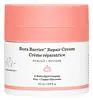
This barrier-repair moisturizer is formulated around Butyrospermum Parkii Butter and Glucosyl Ceramide to strengthen the skin barrier and hydrate skin.
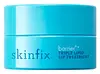
This barrier-repair lip moisturizer is formulated around Cocos Nucifera Oil and Avena Sativa Kernel Extract to strengthen the lip barrier and hydrate lips.


What's inside
What's inside
 Key Ingredients
Benefits
Concerns
Ingredients Side-by-side
Water
Skin ConditioningGlycerin
Humectant


Propanediol
Solvent
Ethylhexyl Olivate
Skin Conditioning

Butyrospermum Parkii Butter
Skin Conditioning


C10-18 Triglycerides
Emollient
Cetearyl Alcohol
Emollient

Hydroxyethyl Acrylate/Sodium Acryloyldimethyl Taurate Copolymer
Emulsion StabilisingCetearyl Olivate
Sorbitan Olivate
Emulsifying
Beta-Sitosterol
Emulsion Stabilising
Oenothera Biennis Oil
Emollient


Sclerocarya Birrea Seed Oil
Humectant
Simmondsia Chinensis Seed Oil
Emollient
Calophyllum Inophyllum Seed Oil
Antimicrobial
Oleic Acid
Emollient
Squalane
Emollient
Butylene Glycol
Humectant
Glucosyl Ceramide
Skin Conditioning
Linoleic Acid
Cleansing
Linolenic Acid
Cleansing

Glycosphingolipids
EmollientRosa Canina Fruit Oil
Emollient
Moringa Oleifera Seed Oil
Emollient
Alpha-Glucan
HumectantResveratrol
Antioxidant
Epigallocatechin Gallate
Antioxidant
Magnesium Aspartate
Skin ConditioningZinc Gluconate
Skin Conditioning


Copper Gluconate
Skin Conditioning
Acacia Senegal Gum
MaskingSodium PCA
Humectant
Palmitoyl Tripeptide-1
Skin Conditioning

Palmitoyl Tetrapeptide-7
Skin Conditioning
Sorbitan Isostearate
Emulsifying
Haematococcus Pluvialis Extract
Antioxidant
Quercetin
Antioxidant
Astaxanthin
Skin Conditioning
Magnesium Ascorbyl Phosphate
Antioxidant
Ceramide AP
Skin Conditioning
Ceramide NP
Skin Conditioning
Ceramide EOP
Skin Conditioning
Dextrin
AbsorbentPalmitic Acid
Emollient
Coco-Glucoside
Cleansing
Sodium Lactate
Buffering
Stearic Acid
Cleansing
Pentylene Glycol
Skin Conditioning
Brassica Campestris Seed Oil
Skin Conditioning
Tetrahexyldecyl Ascorbate
Antioxidant
Sodium Lauroyl Lactylate
EmulsifyingPhytosphingosine
Skin Conditioning
Cholesterol
Emollient
Xanthan Gum
EmulsifyingTetrasodium Glutamate Diacetate
ChelatingCitric Acid
Buffering
Phenoxyethanol
Preservative
Sodium Hydroxide
BufferingTocopherol
Antioxidant
Polysorbate 60
Emulsifying
Carbomer
Emulsion StabilisingEthylhexylglycerin
Skin ConditioningWater, Glycerin, Propanediol, Ethylhexyl Olivate, Butyrospermum Parkii Butter, C10-18 Triglycerides, Cetearyl Alcohol, Hydroxyethyl Acrylate/Sodium Acryloyldimethyl Taurate Copolymer, Cetearyl Olivate, Sorbitan Olivate, Beta-Sitosterol, Oenothera Biennis Oil, Sclerocarya Birrea Seed Oil, Simmondsia Chinensis Seed Oil, Calophyllum Inophyllum Seed Oil, Oleic Acid, Squalane, Butylene Glycol, Glucosyl Ceramide, Linoleic Acid, Linolenic Acid, Glycosphingolipids, Rosa Canina Fruit Oil, Moringa Oleifera Seed Oil, Alpha-Glucan, Resveratrol, Epigallocatechin Gallate, Magnesium Aspartate, Zinc Gluconate, Copper Gluconate, Acacia Senegal Gum, Sodium PCA, Palmitoyl Tripeptide-1, Palmitoyl Tetrapeptide-7, Sorbitan Isostearate, Haematococcus Pluvialis Extract, Quercetin, Astaxanthin, Magnesium Ascorbyl Phosphate, Ceramide AP, Ceramide NP, Ceramide EOP, Dextrin, Palmitic Acid, Coco-Glucoside, Sodium Lactate, Stearic Acid, Pentylene Glycol, Brassica Campestris Seed Oil, Tetrahexyldecyl Ascorbate, Sodium Lauroyl Lactylate, Phytosphingosine, Cholesterol, Xanthan Gum, Tetrasodium Glutamate Diacetate, Citric Acid, Phenoxyethanol, Sodium Hydroxide, Tocopherol, Polysorbate 60, Carbomer, Ethylhexylglycerin
Cocos Nucifera Oil
Masking
Bis-Diglyceryl Polyacyladipate-2
Emollient
Theobroma Grandiflorum Seed Butter
Skin Conditioning
Shorea Stenoptera Seed Butter
Emollient
Polyhydroxystearic Acid
Emulsifying
Myristic/Palmitic/Stearic/Ricinoleic/Eicosanedioic Glycerides
Skin ConditioningCocoyl Hydrolyzed Collagen
Cleansing
Oryza Sativa Bran Extract
Skin Conditioning
Palmitoyl Isoleucine
Skin ProtectingJojoba Oil/Macadamia Seed Oil Esters
Skin Conditioning
Water
Skin ConditioningHelianthus Annuus Extract
Emollient
Avena Sativa Kernel Extract
Abrasive
Allantoin
Skin Conditioning
Squalene
Emollient
Alaria Esculenta Extract
Skin Protecting
Tocopherol
Antioxidant
Rosmarinus Officinalis Leaf Extract
AntimicrobialPhytosteryl Macadamiate
Skin Conditioning
Phytosterols
Skin Conditioning
Caprylic/Capric Triglyceride
Masking
Dipalmitoyl Hydroxyproline
Skin Conditioning
Palmitic Acid
Emollient
Dextrin Palmitate
Emulsifying
Cocos Nucifera Oil, Bis-Diglyceryl Polyacyladipate-2, Theobroma Grandiflorum Seed Butter, Shorea Stenoptera Seed Butter, Polyhydroxystearic Acid, Myristic/Palmitic/Stearic/Ricinoleic/Eicosanedioic Glycerides, Cocoyl Hydrolyzed Collagen, Oryza Sativa Bran Extract, Palmitoyl Isoleucine, Jojoba Oil/Macadamia Seed Oil Esters, Water, Helianthus Annuus Extract, Avena Sativa Kernel Extract, Allantoin, Squalene, Alaria Esculenta Extract, Tocopherol, Rosmarinus Officinalis Leaf Extract, Phytosteryl Macadamiate, Phytosterols, Caprylic/Capric Triglyceride, Dipalmitoyl Hydroxyproline, Palmitic Acid, Dextrin Palmitate
Reviews
Alternatives
Ingredients Explained
These ingredients are found in both products.
Ingredients higher up in an ingredient list are typically present in a larger amount.
Palmitic Acid is a fatty acid naturally found in our skin and in many plant and animal sources.
In cosmetics, it is usually derived from palm oil. It serves many purposes in skincare, acting as a cleanser, emollient, and emulsifier.
Interestingly, topically applied Palmitic Acid can be elongated into longer chain fatty acids and ceramides. A 2019 study found low levels of Palmitic Acid lead to slower development of cells, suggesting it plays a role in keeping your skin's renewal process on track.
The CIR (Cosmetic Ingredient Review) panel determined it safe as used in cosmetics at concentrations up to 13%. It is non-irritating and non-sensitizing in clinical studies.
The culprit behind fungal acne, the Malassezia yeast, feeds on fatty acids with carbon chain lengths between C11-C24. Palmitic Acid, at C16, falls right into that sweet spot.
In vitro studies have shown that Palmitic Acid is one of the fatty acids that induce rapid Malassezia growth in lab settings.
It's worth noting that what feeds yeast in a lab doesn't necessarily feed it on your face since formulation and your skin's chemistry play a bigger role.
This ingredient does have a comedogenic rating of 2, but this doesn't mean a formula with this ingredient will clog pores.
Human testing has proved that any finished product with a comedogenic ingredient won't automatically make you break out; it really comes down to concentration, formula, and your skin.
Learn more about Palmitic AcidTocopherol is a fat-soluble antioxidant known as Vitamin E.
You'll find this ingredient in the vast majority of skincare (for good reason). It works to neutralize free radicals, or unstable molecules generated by UV exposure, pollution, and other environmental stressors, before they can cause oxidative damage to your skin cells.
Topically applied tocopherol has been shown to protect against UV damage by ramping up the skin's own natural defense enzymes.
It also acts as a skin conditioning agent; some studies show that regular topical use can improve the skin's water-binding capacity over 2-4 weeks.
This ingredient is especially loved for being a team player. When combined with Vitamin C, the photoprotective effect of both ingredients roughly doubles and the combo also helps reduce UV-induced DNA damage.
This ingredient has some brightening potential but it's more of a prevention ingredient than spot-fader. Cell studies show it can slow down melanin production but it's worth noting that it's not the most powerful brightener out there.
In formulations, it also serves as a stabilizer that helps protect other oxidation-prone ingredients from degrading.
Concentrations usually range from 0.1-1% in most leave-on products.
Learn more about TocopherolWater. It's the most common cosmetic ingredient of all. You'll usually see it at the top of ingredient lists, meaning that it makes up the largest part of the product.
So why is it so popular? Water most often acts as a solvent - this means that it helps dissolve other ingredients into the formulation.
You'll also recognize water as that liquid we all need to stay alive. If you see this, drink a glass of water. Remember to stay hydrated!
Learn more about Water

