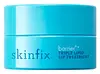
This barrier-repair lip moisturizer is formulated around Cocos Nucifera Oil and Avena Sativa Kernel Extract to strengthen the lip barrier and hydrate lips.
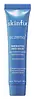
This calming treatment is formulated around Colloidal Oatmeal and Allantoin to calm redness and strengthen the skin barrier.

What's inside
What's inside
 Key Ingredients
Benefits
Concerns
Ingredients Side-by-side
Cocos Nucifera Oil
Masking








Bis-Diglyceryl Polyacyladipate-2
Emollient
Theobroma Grandiflorum Seed Butter
Skin Conditioning
Shorea Stenoptera Seed Butter
Emollient
Polyhydroxystearic Acid
Emulsifying
Myristic/Palmitic/Stearic/Ricinoleic/Eicosanedioic Glycerides
Skin ConditioningCocoyl Hydrolyzed Collagen
Cleansing
Oryza Sativa Bran Extract
Skin Conditioning
Palmitoyl Isoleucine
Skin ProtectingJojoba Oil/Macadamia Seed Oil Esters
Skin Conditioning
Water
Skin ConditioningHelianthus Annuus Extract
Emollient
Avena Sativa Kernel Extract
Abrasive




Allantoin
Skin Conditioning
Squalene
Emollient
Alaria Esculenta Extract
Skin Protecting
Tocopherol
Antioxidant


Rosmarinus Officinalis Leaf Extract
AntimicrobialPhytosteryl Macadamiate
Skin Conditioning
Phytosterols
Skin Conditioning
Caprylic/Capric Triglyceride
Masking
Dipalmitoyl Hydroxyproline
Skin Conditioning
Palmitic Acid
Emollient
Dextrin Palmitate
Emulsifying
Cocos Nucifera Oil, Bis-Diglyceryl Polyacyladipate-2, Theobroma Grandiflorum Seed Butter, Shorea Stenoptera Seed Butter, Polyhydroxystearic Acid, Myristic/Palmitic/Stearic/Ricinoleic/Eicosanedioic Glycerides, Cocoyl Hydrolyzed Collagen, Oryza Sativa Bran Extract, Palmitoyl Isoleucine, Jojoba Oil/Macadamia Seed Oil Esters, Water, Helianthus Annuus Extract, Avena Sativa Kernel Extract, Allantoin, Squalene, Alaria Esculenta Extract, Tocopherol, Rosmarinus Officinalis Leaf Extract, Phytosteryl Macadamiate, Phytosterols, Caprylic/Capric Triglyceride, Dipalmitoyl Hydroxyproline, Palmitic Acid, Dextrin Palmitate
Colloidal Oatmeal 5%
Absorbent
Water
Skin ConditioningGlycerin
Humectant
Annona Cherimola Fruit Extract
Skin ConditioningJojoba Oil/Macadamia Seed Oil Esters
Skin Conditioning
Cetearyl Alcohol
Emollient
Glyceryl Stearate
Emollient
Cetearyl Olivate
Coco-Caprylate/Caprate
Emollient
Sorbitan Olivate
Emulsifying
Squalane
Emollient
Helianthus Annuus Seed Oil
Emollient
Butyrospermum Parkii Butter
Skin Conditioning
Octyldodecanol
Emollient
Triheptanoin
Skin ConditioningAllantoin
Skin Conditioning
Zinc Oxide
Cosmetic Colorant


Squalene
Emollient
Helianthus Annuus Seed Wax
Skin Conditioning
Phytosteryl Macadamiate
Skin Conditioning
Phytosterols
Skin Conditioning
Lecithin
Emollient
Acetyl Glutamine
Skin ConditioningCastanea Sativa Leaf Extract
Skin ConditioningCeramide NP
Skin Conditioning
Amylopectin
Chlorophyllin-Copper Complex
Antioxidant
Phytosphingosine
Skin Conditioning
Ceramide AP
Skin Conditioning
Cholesterol
Emollient
Folic Acid
Skin ConditioningHexapeptide-11
Skin Conditioning
Oligopeptide-1
Skin Conditioning
Oligopeptide-2
Skin Conditioning
Bacillus/Soybean Ferment Extract
Skin ConditioningSodium Hyaluronate
Humectant
Oligopeptide-3
Skin Conditioning
Tocopherol
Antioxidant
Lithothamnion Calcareum Extract
Skin ConditioningCeramide EOP
Skin Conditioning
Carbomer
Emulsion StabilisingSodium Stearoyl Glutamate
CleansingC9-12 Alkane
SolventPolyurethane-100
Caprylyl Glycol
Emollient
Ethylhexylglycerin
Skin ConditioningHexylene Glycol
EmulsifyingCaprylic/Capric Triglyceride
Masking
Sodium Lauroyl Lactylate
EmulsifyingSodium Hydroxide
BufferingSodium Citrate
BufferingPropanediol
Solvent
Polyhydroxystearic Acid
Emulsifying
Pentylene Glycol
Skin Conditioning
Sodium Dehydroacetate
Preservative
Phenylpropanol
Masking
Citric Acid
Buffering
Xanthan Gum
EmulsifyingLactic Acid
Buffering

Sodium Carbonate
BufferingSodium Chloride
MaskingPotassium Sorbate
Preservative
Sodium Benzoate
Masking
Phenoxyethanol
Preservative
Colloidal Oatmeal 5%, Water, Glycerin, Annona Cherimola Fruit Extract, Jojoba Oil/Macadamia Seed Oil Esters, Cetearyl Alcohol, Glyceryl Stearate, Cetearyl Olivate, Coco-Caprylate/Caprate, Sorbitan Olivate, Squalane, Helianthus Annuus Seed Oil, Butyrospermum Parkii Butter, Octyldodecanol, Triheptanoin, Allantoin, Zinc Oxide, Squalene, Helianthus Annuus Seed Wax, Phytosteryl Macadamiate, Phytosterols, Lecithin, Acetyl Glutamine, Castanea Sativa Leaf Extract, Ceramide NP, Amylopectin, Chlorophyllin-Copper Complex, Phytosphingosine, Ceramide AP, Cholesterol, Folic Acid, Hexapeptide-11, Oligopeptide-1, Oligopeptide-2, Bacillus/Soybean Ferment Extract, Sodium Hyaluronate, Oligopeptide-3, Tocopherol, Lithothamnion Calcareum Extract, Ceramide EOP, Carbomer, Sodium Stearoyl Glutamate, C9-12 Alkane, Polyurethane-100, Caprylyl Glycol, Ethylhexylglycerin, Hexylene Glycol, Caprylic/Capric Triglyceride, Sodium Lauroyl Lactylate, Sodium Hydroxide, Sodium Citrate, Propanediol, Polyhydroxystearic Acid, Pentylene Glycol, Sodium Dehydroacetate, Phenylpropanol, Citric Acid, Xanthan Gum, Lactic Acid, Sodium Carbonate, Sodium Chloride, Potassium Sorbate, Sodium Benzoate, Phenoxyethanol
Reviews
Alternatives
Ingredients Explained
These ingredients are found in both products.
Ingredients higher up in an ingredient list are typically present in a larger amount.
Allantoin is a soothing ingredient known for its protective and moisturizing properties; it's basically a quiet workhorse ingredient you can find in a huge range of cosmetics.
Though it can be derived from the comfrey plant, allantoin is produced synthetically for cosmetic products to ensure purity.
Research shows it can encourage your skin cells to turn over and renew by stimulating keratinocyte and fibroblast proliferation.
It also has mild keratolytic properties to help loosen and shed dead skin cells without being harsh.
Studies also suggest allantoin can help calm inflammation by dialing down some of the chemical signals your skin sends out when it is irritated.
This ingredient is typically used in the 0.1-0.5% range, and the FDA recognizes it as a skin protectant in OTC products up to 2%.
Overall, allantoin is a wonderful addition to most routines; it is stable across a wide pH range (~4-8), works well with other ingredients, and is considered non-sensitizing/non-irritating.
Fun fact: Allantoin is naturally occurring in comfrey root, beets, chamomile, and wheat sprouts. Our bodies even produce it as a byproduct of uric acid metabolism.
Learn more about AllantoinCaprylic/Capric Triglyceride (aka MCT Oil) is a lightweight emollient, solvent, and texture enhancer. It is considered a skin-softener by helping to prevent moisture loss.
Though it behaves like an oil, it is not technically one due to its chemical composition. One perk of this ingredient is that it is very stable, resistant to oxidation, and unlikely to go rancid.
In practice, that translates to a long shelf life and a consistently elegant skin feel.
While there is an assumption Caprylic Triglyceride can clog pores due to it being derived from coconut oil, there is no research supporting this. Just patch test if you have concerns.
Fractionated coconut oil and MCT Oil are both listed as Caprylic/Capric Triglyceride according to INCI. This is because INCI names are based on the ingredient’s final chemical composition and not its marketing name or source.
This ingredient is treated as the gold standard fungal acne safe oil. Even though it is coconut derived, the problematic lauric acid is stripped out.
This leaves just caprylic (C8) and capric (C10) acid. These chain lengths actually trend antifungal; a 2020 study found caprylic acid was enough to disrupt Malassezia furfur cell membrane, with a caprylic acid derivative damaging membrane structures at concentrations as low as 0.2%.
Learn more about Caprylic/Capric TriglycerideThis ingredient is a mixture of jojoba oil and macadamia seed esters.
The cool thing about this ingredient is that it is part of L22, a patented lipid compound designed to mimic a young adult's skin surface lipid profile.
Because this ingredient mimics the natural oils in your skin, it helps keep your barrier healthy and hydrated.
The manufacturer's tests found:
Learn more about Jojoba Oil/Macadamia Seed Oil EstersPhytosterols are plant-derived sterols (you can think of them as the plant world's version of cholesterol). In cosmetics, this ingredient is usually sourced from soybean, rice bran, shea, sunflower, and other seed oils.
The main actors in this group are β-sitosterol, campesterol, and stigmasterol (the CIR covers 27 phytosterols).
They work by fitting perfectly into your stratum corneum's lipid matrix since they're structurally similar to cholesterol. Here, they reinforce your skin's barrier.
One small in vivo human study showed topical soybean phytosterols sped up barrier recovery within three days on tape-stripped skin.
Broader research credits them with:
Formulation use typically sit under 5%.
Testing in soy-allergic subjects found no sensitization signals, but be sure to patch test if you are unsure or have existing allergies.
Learn more about PhytosterolsPhytosteryl Macadamiate is an ester made by combining phytosterols (the plant version of cholesterol) with fatty acids from macadamia seed oil.
It's a botanical copycat of the cholesteryl esters found in your skin's surface lipids and mimics how your skin's own barrier lipids organize.
Research on phytosterols show they can help with skin barrier recovery and protect skin against UV-induced damage when combined with ceramides.
The fatty acid portion of this ingredient is mainly oleic acid and palmitoleic acid, two potential Malassezia triggers. Be sure to patch test if you're unsure.
Learn more about Phytosteryl MacadamiatePolyhydroxystearic Acid is a vegetable-derived soft wax made from castor oil. It's an emulsion stabilizer, thickener, and film former.
You'll likely see it in sunscreens because it helps disperse pigments and UV-reflecting minerals like titanium dioxide and zinc oxide evenly.
Depending on the concentration, it can drastically change the texture of a product from pasty solid (like lipstick) to sprayable liquid.
The CIR Expert Panel for Cosmetic Ingredient Safety has concluded this ingredient to be safe in cosmetics. The highest reported use concentration is 14.2% in lipsticks.
Learn more about Polyhydroxystearic AcidSqualene is one of the main components of skin surface lipids. It is naturally found in our skin and makes up about 13% of sebum.
Topically, it is an emollient and skin conditioning agent.
Research highlights its role in antioxidant activity, anti-inflammatory effects, skin barrier protection, and wound healing support.
In vivo research has shown that transepidermal water loss (TEWL) caused by irritant exposure can be reverse with squalene supplementation (pointing to barrier recovery support).
Its antioxidant activity is backed by ex vivo and cell-based evidence showing it can scavenge free radicals but large-scale human clinical trials isolating this effect remain limited.
One study found squalene regulated proinflammatory behavior in ways relevant to wound healing, and in vitro fibroblast studies also shows it stimulates cell migration which is a key step in skin repair.
There's just one nuance to know about this ingredient:
Squalene is particularly vulnerable to oxidation; it breaks down from UV exposure 10x faster than the other lipids on your skin's surface. The byproducts of that breakdown can clog pores and trigger inflammation, potentially worsening acne.
This is why squalene is often hydrogenated into its stable counterpart: squalane (with an "a"). Most great formulations will have alreadu kept this in mind.
Squalene has shown no significant clinical evidence of sensitization and is a great hydrating ingredient.
Learn more about SqualeneTocopherol is a fat-soluble antioxidant known as Vitamin E.
You'll find this ingredient in the vast majority of skincare (for good reason). It works to neutralize free radicals, or unstable molecules generated by UV exposure, pollution, and other environmental stressors, before they can cause oxidative damage to your skin cells.
Topically applied tocopherol has been shown to protect against UV damage by ramping up the skin's own natural defense enzymes.
It also acts as a skin conditioning agent; some studies show that regular topical use can improve the skin's water-binding capacity over 2-4 weeks.
This ingredient is especially loved for being a team player. When combined with Vitamin C, the photoprotective effect of both ingredients roughly doubles and the combo also helps reduce UV-induced DNA damage.
This ingredient has some brightening potential but it's more of a prevention ingredient than spot-fader. Cell studies show it can slow down melanin production but it's worth noting that it's not the most powerful brightener out there.
In formulations, it also serves as a stabilizer that helps protect other oxidation-prone ingredients from degrading.
Concentrations usually range from 0.1-1% in most leave-on products.
Learn more about TocopherolWater. It's the most common cosmetic ingredient of all. You'll usually see it at the top of ingredient lists, meaning that it makes up the largest part of the product.
So why is it so popular? Water most often acts as a solvent - this means that it helps dissolve other ingredients into the formulation.
You'll also recognize water as that liquid we all need to stay alive. If you see this, drink a glass of water. Remember to stay hydrated!
Learn more about Water

