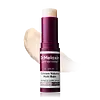
This anti-aging moisturizer is formulated around Simmondsia Chinensis Seed Oil and Glycyrrhiza Glabra Root Extract to soften the look of wrinkles and hydrate skin.
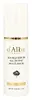
This hydrating serum is formulated around Helianthus Annuus Seed Oil and Butyrospermum Parkii Butter to hydrate skin and strengthen the skin barrier.

What's inside
What's inside
 Key Ingredients
Benefits
Concerns
Ingredients Side-by-side
Caprylic/Capric Triglyceride
Masking


Polyglyceryl-2 Triisostearate
Emulsifying

Polyethylene
Abrasive

Microcrystalline Wax
Emulsion StabilisingOctyldodecanol
Emollient
Triethylhexanoin
Masking1,2-Hexanediol
Skin Conditioning
Caprylyl Glycol
Emollient
Limnanthes Alba Seed Oil
Skin Conditioning
Macadamia Ternifolia Seed Oil
Emollient
Olea Europaea Fruit Oil
Masking

Persea Gratissima Oil
Skin Conditioning
Simmondsia Chinensis Seed Oil
Emollient
Eclipta Prostrata Extract
Skin Conditioning
Eclipta Prostrata Leaf Extract
Skin ConditioningGlycyrrhiza Glabra Root Extract
Bleaching


Adenosine
Skin Conditioning
Moringa Oleifera Seed Oil
Emollient
Water
Skin ConditioningButylene Glycol
Humectant
Glycerin
Humectant
Prunus Amygdalus Dulcis Fruit Extract
Skin ConditioningTremella Fuciformis Extract
Humectant
Tabebuia Impetiginosa Bark Extract
Skin ConditioningHydrolyzed Elastin
EmollientHydrogenated Lecithin
Emulsifying
Glucose
Humectant
Arginine
Masking
Hydroxypropyl Methylcellulose
Emulsion StabilisingCitric Acid
Buffering
CI 77220
Cosmetic ColorantAscorbic Acid
Antioxidant


Acetyl Glucosamine
Skin Conditioning
Glutathione
Collagen Extract
Skin Conditioning
Caprylic/Capric Triglyceride, Polyglyceryl-2 Triisostearate, Polyethylene, Microcrystalline Wax, Octyldodecanol, Triethylhexanoin, 1,2-Hexanediol, Caprylyl Glycol, Limnanthes Alba Seed Oil, Macadamia Ternifolia Seed Oil, Olea Europaea Fruit Oil, Persea Gratissima Oil, Simmondsia Chinensis Seed Oil, Eclipta Prostrata Extract, Eclipta Prostrata Leaf Extract, Glycyrrhiza Glabra Root Extract, Adenosine, Moringa Oleifera Seed Oil, Water, Butylene Glycol, Glycerin, Prunus Amygdalus Dulcis Fruit Extract, Tremella Fuciformis Extract, Tabebuia Impetiginosa Bark Extract, Hydrolyzed Elastin, Hydrogenated Lecithin, Glucose, Arginine, Hydroxypropyl Methylcellulose, Citric Acid, CI 77220, Ascorbic Acid, Acetyl Glucosamine, Glutathione, Collagen Extract
Helianthus Annuus Seed Oil
Emollient
Synthetic Wax
Abrasive
Butyrospermum Parkii Butter
Skin Conditioning
Octyldodecanol
Emollient
Polyethylene
Abrasive
Polyglyceryl-2 Isostearate/Dimer Dilinoleate Copolymer
EmollientCaprylic/Capric Triglyceride
Masking
Tocopheryl Acetate
Antioxidant
Macadamia Integrifolia Seed Oil
Skin Conditioning
Simmondsia Chinensis Seed Oil
Emollient
Prunus Amygdalus Dulcis Oil
Skin Conditioning
Monascus Extract
Skin ConditioningDaucus Carota Sativa Root Extract
Skin Conditioning
Perilla Ocymoides Leaf Extract
TonicCentella Asiatica Extract
Cleansing
Borago Officinalis Extract
Emollient
Beta Vulgaris Root Extract
Skin ConditioningAngelica Gigas Extract
Skin ConditioningAnthemis Nobilis Flower Extract
Masking
Calendula Officinalis Flower Extract
Masking
Cardiospermum Halicacabum Flower/Leaf/Vine Extract
Skin ConditioningTuber Magnatum Extract
Skin ConditioningNelumbo Nucifera Flower Extract
Skin ConditioningRose Extract
Skin ConditioningJasminum Officinale Extract
Masking

Anemarrhena Asphodeloides Root Extract
Skin Conditioning
Narcissus Pseudo-Narcissus Flower Extract
Skin ConditioningLilium Candidum Bulb Extract
Skin ConditioningIris Versicolor Extract
EmollientFreesia Refracta Extract
Skin ConditioningCollagen Extract
Skin Conditioning
Camellia Japonica Seed Oil
Emollient
Olea Europaea Fruit Oil
Masking
Camellia Sinensis Seed Oil
Humectant
Argania Spinosa Kernel Oil
Emollient
Hippophae Rhamnoides Fruit Oil
Skin Protecting
Echium Plantagineum Seed Oil
Skin Conditioning
Glycine Soja Oil
Emollient
Persea Gratissima Oil
Skin Conditioning
Oenothera Biennis Oil
Emollient
Macadamia Ternifolia Seed Oil
Emollient
Microcrystalline Wax
Emulsion StabilisingBisabolol
Antioxidant
Sorbitan Sesquioleate
Emulsifying
Tocopherol
Antioxidant
Water
Skin ConditioningHelianthus Annuus Seed Oil Unsaponifiables
Emollient
Ceramide NP
Skin Conditioning
Hydrolyzed Hyaluronic Acid
Humectant
Hydrogenated Polyisobutene
EmollientButylene Glycol
Humectant
Glutathione
Ascorbic Acid
Antioxidant
1,2-Hexanediol
Skin Conditioning
Glucose
Humectant
Mannose
HumectantParfum
Masking
Dehydroacetic Acid
Preservative
Citral
Perfuming
Linalool
Perfuming
Citronellol
Perfuming
Hexyl Cinnamal
Perfuming
Limonene
Perfuming
Helianthus Annuus Seed Oil, Synthetic Wax, Butyrospermum Parkii Butter, Octyldodecanol, Polyethylene, Polyglyceryl-2 Isostearate/Dimer Dilinoleate Copolymer, Caprylic/Capric Triglyceride, Tocopheryl Acetate, Macadamia Integrifolia Seed Oil, Simmondsia Chinensis Seed Oil, Prunus Amygdalus Dulcis Oil, Monascus Extract, Daucus Carota Sativa Root Extract, Perilla Ocymoides Leaf Extract, Centella Asiatica Extract, Borago Officinalis Extract, Beta Vulgaris Root Extract, Angelica Gigas Extract, Anthemis Nobilis Flower Extract, Calendula Officinalis Flower Extract, Cardiospermum Halicacabum Flower/Leaf/Vine Extract, Tuber Magnatum Extract, Nelumbo Nucifera Flower Extract, Rose Extract, Jasminum Officinale Extract, Anemarrhena Asphodeloides Root Extract, Narcissus Pseudo-Narcissus Flower Extract, Lilium Candidum Bulb Extract, Iris Versicolor Extract, Freesia Refracta Extract, Collagen Extract, Camellia Japonica Seed Oil, Olea Europaea Fruit Oil, Camellia Sinensis Seed Oil, Argania Spinosa Kernel Oil, Hippophae Rhamnoides Fruit Oil, Echium Plantagineum Seed Oil, Glycine Soja Oil, Persea Gratissima Oil, Oenothera Biennis Oil, Macadamia Ternifolia Seed Oil, Microcrystalline Wax, Bisabolol, Sorbitan Sesquioleate, Tocopherol, Water, Helianthus Annuus Seed Oil Unsaponifiables, Ceramide NP, Hydrolyzed Hyaluronic Acid, Hydrogenated Polyisobutene, Butylene Glycol, Glutathione, Ascorbic Acid, 1,2-Hexanediol, Glucose, Mannose, Parfum, Dehydroacetic Acid, Citral, Linalool, Citronellol, Hexyl Cinnamal, Limonene
Reviews
Alternatives
Ingredients Explained
These ingredients are found in both products.
Ingredients higher up in an ingredient list are typically present in a larger amount.
1,2-Hexanediol is a synthetic liquid and another multi-functional powerhouse.
It is a:
- Humectant, drawing moisture into the skin
- Emollient, helping to soften skin
- Solvent, dispersing and stabilizing formulas
- Preservative booster, enhancing the antimicrobial activity of other preservatives
Ascorbic Acid is is pure Vitamin C and is the biologically active form used directly by skin.
Not only is vitamin C great for your overall health and immune system, but it also has plenty of benefits for your skin. It is best supported by academic literature for:
Topical vitamin C has been shown to help neutralize oxidative stress from UV and pollution, helping to improve photoaging and hyperpigmentation when used consistently.
One clinical study found that using 5% topical vitamin C for six months improved signs of photodamaged skin, both on the surface and in the deeper structural layers of the skin.
While vitamin C doesn’t replace sunscreen, studies show it can boost photoprotection when combined with Vitamin E and ferulic acid. These two ingredients help improve stability and protective effects.
The big downside of this ingredient is formulation difficulty. Vitamin C is prone to oxidation and doesn't penetrate the skin unless formulated correctly. Research found that vitamin C absorbs into the skin best at a low pH (< 3.5) with about 20% being the upper limit for effective absorption.
Skin levels can saturate after repeated application; this means your skin won’t keep absorbing more once it’s full of vitamin C. This is why more isn’t always better with vitamin C and why very high concentrations don’t necessarily give extra benefits.
Ascorbic acid generally works well with many skincare ingredients but can be irritating when combined with other active ingredients. Strong oxidizing acne treatments like benzoyl peroxide can reduce the effectiveness of vitamin C if they are used at the same time; they are often recommended for use at different times of day.
Read more about other types of Vitamin C:
Foods rich with vitamin C include oranges, strawberries, broccoli, bell peppers, and more. When consuming Vitamin C, your skin receives a portion of the nutrients.
Learn more about Ascorbic AcidButylene Glycol (or BG) is used within cosmetic products for a few different reasons:
Overall, Butylene Glycol is a safe and well-rounded ingredient that works well with other ingredients.
Though this ingredient works well with most skin types, some people with sensitive skin may experience a reaction such as allergic rashes, closed comedones, or itchiness.
Learn more about Butylene GlycolCaprylic/Capric Triglyceride (aka MCT Oil) is a lightweight emollient, solvent, and texture enhancer. It is considered a skin-softener by helping to prevent moisture loss.
Though it behaves like an oil, it is not technically one due to its chemical composition. One perk of this ingredient is that it is very stable, resistant to oxidation, and unlikely to go rancid.
In practice, that translates to a long shelf life and a consistently elegant skin feel.
While there is an assumption Caprylic Triglyceride can clog pores due to it being derived from coconut oil, there is no research supporting this. Just patch test if you have concerns.
Fractionated coconut oil and MCT Oil are both listed as Caprylic/Capric Triglyceride according to INCI. This is because INCI names are based on the ingredient’s final chemical composition and not its marketing name or source.
This ingredient is treated as the gold standard fungal acne safe oil. Even though it is coconut derived, the problematic lauric acid is stripped out.
This leaves just caprylic (C8) and capric (C10) acid. These chain lengths actually trend antifungal; a 2020 study found caprylic acid was enough to disrupt Malassezia furfur cell membrane, with a caprylic acid derivative damaging membrane structures at concentrations as low as 0.2%.
Learn more about Caprylic/Capric TriglycerideCollagen extract is derived from parts of animals. It has skin conditioning properties and is mostly comprised of glycine, proline, and hydroxypoline. These are amino acids.
While our skin does have collagen, this ingredient is not used by the skin for anti-aging. Applying collagen topically has not been linked to helping with collagen loss in skin. All the benefits of collagen are related to hydration.
This ingredient will not increase sun sensitivity, but you should always wear sunscreen during the day.
Learn more about Collagen ExtractGlucose is a simple sugar (a monosaccharide). In skincare, it is mostly a humectant and skin conditioning agent.
Mechanistically, it has multiple hydroxyl groups that hydrogen-bond to water. This pulls moisture into the upper layers of skin to keep the surface soft and hydrated.
It's worth knowing sugars are already a natural component of the skin's NMF (natural moisturizing factor) so it's a molecule that your stratum corneum is well-acquainted with.
Just so you know, glucose is hydrophilic (water-loving) and the stratum corneum is a strong barrier to hydrophilic compounds. This just means penetration is slow and most of the action is happening on the surface.
Gram-to-gram, glucose is not as efficient as a humectant as glycerin. This is why you'll likely see glycose paired with stronger humectants for a bigger hydration payoff.
In skincare, glucose is typically derived from corn or other starch sources.
Learn more about GlucoseGlutathione is a tiny protein-like molecule (a "tripeptide" build from 3 amino acids: glycine, cysteine, and glutamic acid) that your body already makes on its own.
Inside your body, it acts as one of the skin's main antioxidants that help fight against free radicals.
In skincare, it's best known as a brightening ingredient that slows down tyrosinase, the key enzyme that makes skin pigment. It also nudges the skin toward making a lighter type of pigment instead of a darker one.
This is why you'll see it in products aimed at dark spots and uneven tone.
A small number of real human trials have found a topical glutathione lotion:
The honest caveat is that the current evidence is still thin (few studies, small groups, short timelines). Glutathione also doesn't absorb into skin very easily so results tend to be modest and fade if you stop using it.
One thing worth clearing up:
The scary side effects you may have heard about come from glutathione injected intravenously, which has real safety concerns. Applying it topically is a completely different thing and has a clean track record.
Most human studies used it around 2% (as Glutathione or Glutathione Disulfide) and a 2% oxidized glutathione lotion and a 2% S-acyl glutathione cream are the concentrations with actual clinical data behind them.
There's no established "ideal" percentage yet but 1-2% is the evidence-backed range.
Allergy-wise, there is very low risk for this ingredient; it was well-tolerated across the topical trials. Only one participant had mild temporary redness that cleared up on its own and another study reported no adverse reactions at all.
One trial had ~10% of users drop out for irritation was using a combination cream that also had 10% azelaic acid so the irritation likely wasn't from the glutathione. There's no notable contact-allergy signal for topical glutathione in the literature but patch-testing before first use is still sensible for those with sensitive skin.
Learn more about GlutathioneThis ingredient is also known as Macadamia Seed Oil. It's an emollient with a fatty acid profile that closely mirrors the skin's own lipid makeup.
The palmitoleic acid content is especially notable as it's somewhat rare in plant oils. Palmitoleic acid is something your skin already makes naturally. It helps keep cell membranes structured and plays a role in fighting off harmful microbes.
This palmitoleic content is also part of why macademia seed oil absorbs quickly and doesn't leave much of a greasy residue.
It also contains oleic acid, linoleic acid, and phytosterols that can help reduce redness.
In vitro research has shown the oil to have meaningful antioxidant activity, protect fats in the skin from oxidative damage, and slow down the enzyme that breaks down hyaluronic acid.
A 2024 clinical study found it effective at improving skin hydratino and reducing wrinkle appearance when formulated into nanoemulsions.
Because it carries oleic acid (C18) and palmitic acid (C16), this ingredient may not be fungal acne safe. This is because the Malassezia yeast metabolizes in the C11-24 chain length range.
You'll also see this ingredient listed as: Macadamia Integrifolia Seed Oil .
These two oils are identical in composition and M. ternifolia is an older INCI naming convention for the edible macadamia nut while M. integrifolia is the species actually cultivated for oil production. Both names refer to the same oil.
Learn more about Macadamia Ternifolia Seed OilMicrocrystalline Wax is derived from petroleum through a de-oiling process, then highly refined and purified before use in cosmetics.
In skincare formulations, it is used to improve texture and create a smooth, even consistency. It also helps stabilize products by preventing ingredients from separating.
Octyldodecanol is a fatty alcohol sourced from plant oils like coconut or palm (or made synthetically).
It is:
You'll likely see this in many BHA products because this is the go-to solvent for salicylic acid.
This ingredient is typically used at levels between 2-20%.
Regarding fungal acne:
In 2019, this ingredient was tested against multiple Malassezia species (the yeast that causes fungal acne) and showed no growth.
This ingredient is also known as olive oil. It has been used in skincare for centuries and science largely backs up its reputation as a nourishing emollient.
The main components of olive oil are oleic acid (55-83%), linoleic acid (3.5-20%), and palmitic acid (7-20%). Oleic acid promotes skin regeneration and helps regulate inflammatory responses.
Squalene is also naturally present in olive oil and exhibits moisturizing and antioxidant properties.
The polyphenols in olive oil also show anti-aging promise; one clinical study found a measurable improvement in skin appearance after 30 days of topical serum use.
Just be aware that applying olive oil directly to skin can weaken the barrier and cause redness. One study with volunteers found even people without sensitive skin experienced a significant reduction in stratum corneum integrity and induced mild erythema.
It's best to use this ingredient as part of a carefully crafted formula (instead of putting it on skin directly from the bottle).
Because it has a 0-2 on the comedogenic scale, it is low risk for acne-prone skin. Just remember the overall formulation of a product matters more than a few ingredients with comedogenic ratings.
This ingredient may not be fungal acne safe because of the oleic and palmitic acid content. These fall within the C11-24 fatty acid range that the Malassezia yeast can metabolize to grow.
Overall, olive oil is a well-studied and nourishing skincare ingredient.
Learn more about Olea Europaea Fruit OilThis ingredient is also known as Avocado oil. It's the cold-pressed oil from the flesh of the avocado fruit packed with fatty acids (mostly oleic acid).
The rich fatty acid profile allows it to function as a skin conditioning agent and emollient; it helps soften and smooth skin while reducing water loss.
Preclinical research has found that topical avocado oil increased collagen synthesis and reduced inflammation during wound healing, giving it some skin-repairing credibility.
The unsaponifiable fraction of the oil is also interesting: studies on avocado unsaponifiables showed that it helped skin produce more collagen and other structural compounds that support healing.
The CIR Expert Panel has found this ingredient to be non-irritating in formulations.
This ingredient may not be fungal acne safe. This is because the oleic acid content falls within the range that Malassezia can use as a food source.
This ingredient does have a comedogenic rating of 0-3, but this doesn't mean a formula with this ingredient will clog pores. Human testing has proved that any finished product with a comedogenic ingredient won't automatically make you break out; it really comes down to concentration, formula, and your skin.
Learn more about Persea Gratissima OilPolyethylene is a synthetic ingredient that helps the skin retain moisture. It is a polymer.
It is also typically used within product formulations to help bind solid ingredients together and thicken oil-based ingredients. When added to balms and emulsions, it helps increase the melting point temperature.
Jojoba oil is one of the most well-studied plant-derived ingredients in cosmetics. It is an emollient with a special structure.
Because it is made up of 97-98% wax esters, it closely mirrors the linear monoesters found in human sebum. This makes it skin compatible, non-greasy, and lightweight.
Unlike other plant oils, jojoba wax doesn't easily penetrate skin. It mostly works in the uppermost layers as an emollient. This just means it forms a light barrier on the skin to help retain moisture.
Formulations with jojoba esters up to 90% reduced transepidermal water loss (TEWL) and increased barrier recovery by 81% (outperforming bisabolol at 47%).
Besides barrier support, the science also suggests jojoba to have anti-inflammatory effects and potential applications for skin infections, aging, and wound healing.
Fun fact: Indigenous cultures have used jojoba as a moisturizer and to help treat burns for centuries.
Fungal acne: The Malassezia yeast is known to metabolize fatty acids in the C11-24 range and jojoba's dominant fatty acid components fall into this range. This ingredient may not be fungal acne safe.
Learn more about Simmondsia Chinensis Seed OilWater. It's the most common cosmetic ingredient of all. You'll usually see it at the top of ingredient lists, meaning that it makes up the largest part of the product.
So why is it so popular? Water most often acts as a solvent - this means that it helps dissolve other ingredients into the formulation.
You'll also recognize water as that liquid we all need to stay alive. If you see this, drink a glass of water. Remember to stay hydrated!
Learn more about Water