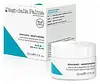
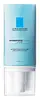
Diego Dalla Palma Professional 24-Hour Hydro Replenishing Cream Versus La Roche-Posay Hydraphase Intense Light Rehydrating Face Moisturizer
This barrier-repair moisturizer is formulated around Acetyl Glucosamine and Sodium Hyaluronate to strengthen the skin barrier and hydrate skin.
This oil-control moisturizer is formulated around Zinc Gluconate and Hydrolyzed Hyaluronic Acid to balance excess oil and hydrate skin.


What's inside
What's inside
 Key Ingredients
Benefits
Concerns
Ingredients Side-by-side
Water
Skin ConditioningDiethylhexyl Carbonate
EmollientCaprylic/Capric Triglyceride
Masking


Propanediol
Solvent
Cetyl Alcohol
Emollient


Glyceryl Stearate
Emollient
PEG-75 Stearate
Surfactant
Betaine
Humectant
Acetyl Glucosamine
Skin Conditioning


Butyrospermum Parkii Butter
Skin Conditioning


Sodium Hyaluronate
Humectant

Passiflora Edulis Seed Oil
Emollient
Euterpe Oleracea Fruit Oil
Skin Conditioning
Orbignya Oleifera Seed Oil
Emollient
Trehalose
Humectant
Erythritol
Humectant
Tocopheryl Acetate
Antioxidant

Hydrolyzed Glycosaminoglycans
HumectantHydrolyzed Sodium Hyaluronate
Skin Conditioning
Niacinamide
Smoothing




Oryza Sativa Bran Oil
Emollient
Xanthan Gum
EmulsifyingParfum
Masking


Phenoxyethanol
Preservative
Sodium Lactate
Buffering
Sodium Starch Octenylsuccinate
AbsorbentAluminum Starch Octenylsuccinate
Absorbent
Sodium Polyacrylate
Absorbent
Ceteth-20
CleansingSteareth-20
CleansingLecithin
Emollient
Alanine
Masking
Phenylalanine
Masking
Valine
MaskingLysine
Skin ConditioningIsoleucine
Skin ConditioningLeucine
Skin ConditioningTyrosine
MaskingGlycine
Buffering
Arginine
Masking
Histidine
Humectant
Aspartic Acid
Masking
Glutamic Acid
Humectant
Calcium Pantothenate
Yeast Amino Acids
HumectantBiotin/Folic Acid/Cyanocobalamin/Niacinamide/Pantothenic Acid/Pyridoxine/Riboflavin/Thiamine/Yeast Polypeptides
Skin Conditioning
Saccharomyces/Copper Ferment
Skin Conditioning
Saccharin
MaskingSaccharomyces/Magnesium Ferment
Saccharomyces/Silicon Ferment
Skin Conditioning
Saccharomyces/Zinc Ferment
Skin Conditioning
Threonine
Proline
Skin Conditioning
Serine
Masking
Pyridoxine Hcl
Skin ConditioningMethionine
Skin ConditioningCysteine
Antioxidant
Tryptophan
MaskingMaltodextrin
Absorbent
Urea
Buffering
Tocopherol
Antioxidant
Mannitol
Humectant
Disodium Adenosine Triphosphate
Skin ConditioningSodium Ascorbyl Phosphate
Antioxidant
Rna
Skin ConditioningRetinyl Palmitate
Skin Conditioning
Ascorbyl Palmitate
Antioxidant
Tropolone
Skin ConditioningCeramide NP
Skin Conditioning
Sorbitol
Humectant
Histidine Hcl
Skin ConditioningUbiquinone
Antioxidant
Taurine
BufferingInositol
Humectant
DNA
Skin ConditioningCholesterol
Emollient
Citric Acid
Buffering
Ceramide AP
Skin Conditioning
Phytosphingosine
Skin Conditioning
Thioctic Acid
Antioxidant
Carbomer
Emulsion StabilisingGlyceryl Linoleate
Emollient
Glyceryl Linolenate
Emollient
Ceramide EOP
Skin Conditioning
Sodium Gluconate
Skin ConditioningDisodium EDTA
Glycerin
Humectant
Glyceryl Caprylate
EmollientSodium Polyglutamate
HumectantSilica
Abrasive
Caprylyl Glycol
Emollient
Potassium Sorbate
Preservative
Butylene Glycol
Humectant
Dimethicone
Emollient
Hydroxycitronellal
Perfuming
Hexyl Cinnamal
Perfuming
Linalool
Perfuming
Alpha-Isomethyl Ionone
Perfuming
Limonene
Perfuming
Citronellol
Perfuming
Coumarin
Perfuming
Geraniol
Perfuming
Water, Diethylhexyl Carbonate, Caprylic/Capric Triglyceride, Propanediol, Cetyl Alcohol, Glyceryl Stearate, PEG-75 Stearate, Betaine, Acetyl Glucosamine, Butyrospermum Parkii Butter, Sodium Hyaluronate, Passiflora Edulis Seed Oil, Euterpe Oleracea Fruit Oil, Orbignya Oleifera Seed Oil, Trehalose, Erythritol, Tocopheryl Acetate, Hydrolyzed Glycosaminoglycans, Hydrolyzed Sodium Hyaluronate, Niacinamide, Oryza Sativa Bran Oil, Xanthan Gum, Parfum, Phenoxyethanol, Sodium Lactate, Sodium Starch Octenylsuccinate, Aluminum Starch Octenylsuccinate, Sodium Polyacrylate, Ceteth-20, Steareth-20, Lecithin, Alanine, Phenylalanine, Valine, Lysine, Isoleucine, Leucine, Tyrosine, Glycine, Arginine, Histidine, Aspartic Acid, Glutamic Acid, Calcium Pantothenate, Yeast Amino Acids, Biotin/Folic Acid/Cyanocobalamin/Niacinamide/Pantothenic Acid/Pyridoxine/Riboflavin/Thiamine/Yeast Polypeptides, Saccharomyces/Copper Ferment, Saccharin, Saccharomyces/Magnesium Ferment, Saccharomyces/Silicon Ferment, Saccharomyces/Zinc Ferment, Threonine, Proline, Serine, Pyridoxine Hcl, Methionine, Cysteine, Tryptophan, Maltodextrin, Urea, Tocopherol, Mannitol, Disodium Adenosine Triphosphate, Sodium Ascorbyl Phosphate, Rna, Retinyl Palmitate, Ascorbyl Palmitate, Tropolone, Ceramide NP, Sorbitol, Histidine Hcl, Ubiquinone, Taurine, Inositol, DNA, Cholesterol, Citric Acid, Ceramide AP, Phytosphingosine, Thioctic Acid, Carbomer, Glyceryl Linoleate, Glyceryl Linolenate, Ceramide EOP, Sodium Gluconate, Disodium EDTA, Glycerin, Glyceryl Caprylate, Sodium Polyglutamate, Silica, Caprylyl Glycol, Potassium Sorbate, Butylene Glycol, Dimethicone, Hydroxycitronellal, Hexyl Cinnamal, Linalool, Alpha-Isomethyl Ionone, Limonene, Citronellol, Coumarin, Geraniol
Water
Skin ConditioningHydrogenated Polyisobutene
EmollientDimethicone
Emollient
Glycerin
Humectant
Alcohol Denat.
Antimicrobial

Polyethylene
Abrasive
PEG-20 Stearate
Emulsifying
PEG-100 Stearate
Surfactant
Carbomer
Emulsion StabilisingZinc Gluconate
Skin Conditioning
Glyceryl Stearate
Emollient
Isohexadecane
EmollientSodium Hydroxide
BufferingDisodium EDTA
Copper Sulfate
Skin ConditioningHydrolyzed Hyaluronic Acid
Humectant
Xanthan Gum
EmulsifyingPentylene Glycol
Skin Conditioning
Polysorbate 80
Emulsifying
Acrylamide/Sodium Acryloyldimethyltaurate Copolymer
Emulsion StabilisingCetyl Alcohol
Emollient
Caprylyl Glycol
Emollient
Parfum
Masking
Water, Hydrogenated Polyisobutene, Dimethicone, Glycerin, Alcohol Denat., Polyethylene, PEG-20 Stearate, PEG-100 Stearate, Carbomer, Zinc Gluconate, Glyceryl Stearate, Isohexadecane, Sodium Hydroxide, Disodium EDTA, Copper Sulfate, Hydrolyzed Hyaluronic Acid, Xanthan Gum, Pentylene Glycol, Polysorbate 80, Acrylamide/Sodium Acryloyldimethyltaurate Copolymer, Cetyl Alcohol, Caprylyl Glycol, Parfum
Ingredients Explained
These ingredients are found in both products.
Ingredients higher up in an ingredient list are typically present in a larger amount.
Caprylyl Glycol is a humectant, skin conditioner, emollient, and preservative booster derived from either caprylic acid or synthetically created.
Typical use levels vary from 0.3-1% as a preservative booster and go up to 2% to condition skin.
Because it is not a free-fatty acid, this ingredient is fungal acne safe (there's nothing for Malassezia to feed on).
Learn more about Caprylyl GlycolCarbomer is a synthetic thickening and gelling agent. It's basically the ingredient that gives a lot of serums, gels, creams, and sunscreens their smooth, non-sticky texture.
Although legally permitted at very high levels, carbomers are normally used at concentrations below 1%.
It also needs to be neutralized to actually thicken, and because it is a large molecule, it doesn't really penetrate the skin barrier.
Allergy-wise, the risk is very low. Clinical studies show carbomers have low potential for skin irritation/sensitization even at concentrations up to 100%.
A 2024 UK study patch-tested 1,302 patients and found true allergy to the parent group of carbomer to be rare with no confirmed relevant reactions.
Learn more about CarbomerCetyl Alcohol is a fatty alcohol. Fatty Alcohols are most often used as an emollient or to thicken a product.
Its main roles are:
Though it has "alcohol" in the name, it is not related to denatured alcohol or ethyl alcohol.
The FDA allows products labeled "alcohol-free" to have fatty alcohols.
This ingredient may not be fungal acne safe. It is a primary fatty alcohol with a chain length above 12 carbons. A study from 2019 show Malassezia can feed on fatty alcohols in this range, so it may trigger fungal acne in those prone to it.
Learn more about Cetyl AlcoholDimethicone is a type of synthetic silicone created from natural materials such as quartz. It is also known as polydimethylsiloxane.
What it does:
Dimethicone comes in different viscosities:
Depending on the viscosity, dimethicone has different properties.
Ingredients lists don't always show which type is used, so we recommend reaching out to the brand if you have questions about the viscosity.
This ingredient is unlikely to cause irritation because it does not get absorbed into skin. However, people with silicone allergies should be careful about using this ingredient.
Note: Dimethicone may contribute to pilling. This is because it is not oil or water soluble, so pilling may occur when layered with products. When mixed with heavy oils in a formula, the outcome is also quite greasy.
Learn more about DimethiconeDisodium EDTA is a chelating agent. It grabs onto and deactivates metal ions that sneak into your products from water, packaging, or air.
This ingredient mainly works behind the scenes and helps with:
On top of that, this ingredient can counteract the effects of hard water by binding to the minerals in it.
One thing worth knowing is that Disodium EDTA has been shown to be a mild penetration enhancer. It can help other ingredients absorb into skin more effectively which can be a double-edged sword (great for actives, but can also make the active too strong if you have sensitive skin).
Clinical patch testing showed no significant skin irritation at typical use concentrations and minimal dermal absorption.
You'll most likely see this ingredient near the end of an ingredient list. It's typically found in concentrations less than 1%.
Learn more about Disodium EDTAGlycerin (or glycerol) is a compound naturally found in your skin. It's a powerhouse humectant that pulls water into the stratum corneum.
Topically, glycerin does several things at once:
Your skin makes glycerin on its own (mostly from sebaceous oil breakdown) and shuttles it to your outermost layer of skin, or your epidermis, via aquaporin-3.
Aquaporin-3 is a transporter that is essential for normal skin hydration, elasticity, and repair. Interestingly, mice lacking in AQP3 have dry and less elastic skin that can be fully corrected with glycerin.
This ingredient is non-irritating, plays well with almost every ingredient, and works across all skin types. Typical use is anywhere between 3-10% but can go up to 79% in some leave-on products.
Just know very high concentrations (>40%) can feel tacky in low humidity.
Glycerin is the name for this ingredient in American English. British English uses Glycerol/Glycerine.
Learn more about GlycerinGlyceryl Stearate is made by reacting glycerin with stearic acid (typically sourced from plant oils like palm or coconut). It's an emulsifier, emollient, and mild occlusive.
Emulsifiers help ingredients like oil and water stay mixed so your formula stays nicely blended and uniform in texture.
This ingredient is typically used in concentrations between 1-10%. Studies have found it to be non-sensitizing, non-phototoxic, and non-photoallergenic.
A close cousin of this ingredient is Glyceryl Stearate SE ("self-emulsifying"). This just has a small amount of sodium or potassium stearate added so it can emulsify without a co-emulsifier.
Since this ingredient is an ester of a C18 fatty acid, it may not be fungal acne safe. The Malassezia yeast can potentially metabolize within the C11-C24 range.
Fun fact: The human body also creates Glyceryl Stearate naturally.
Learn more about Glyceryl StearateParfum is a catch-all term for an ingredient or more that is used to give a scent to products.
Also called "fragrance", this ingredient can be a blend of hundreds of chemicals or plant oils. This means every product with "fragrance" or "parfum" in the ingredients list is a different mixture.
For instance, Habanolide is a proprietary trade name for a specific aroma chemical. When used as a fragrance ingredient in cosmetics, most aroma chemicals fall under the broad labeling category of “FRAGRANCE” or “PARFUM” according to EU and US regulations.
The term 'parfum' or 'fragrance' is not regulated in many countries. In many cases, it is up to the brand to define this term.
For instance, many brands choose to label themselves as "fragrance-free" because they are not using synthetic fragrances. However, their products may still contain ingredients such as essential oils that are considered a fragrance by INCI standards.
One example is Calendula flower extract. Calendula is an essential oil that still imparts a scent or 'fragrance'.
Depending on the blend, the ingredients in the mixture can cause allergies and sensitivities on the skin. Some ingredients that are known EU allergens include linalool and citronellol.
Parfum can also be used to mask or cover an unpleasant scent.
The bottom line is: not all fragrances/parfum/ingredients are created equally. If you are worried about fragrances, we recommend taking a closer look at an ingredient. And of course, we always recommend speaking with a professional.
Learn more about ParfumWater. It's the most common cosmetic ingredient of all. You'll usually see it at the top of ingredient lists, meaning that it makes up the largest part of the product.
So why is it so popular? Water most often acts as a solvent - this means that it helps dissolve other ingredients into the formulation.
You'll also recognize water as that liquid we all need to stay alive. If you see this, drink a glass of water. Remember to stay hydrated!
Learn more about WaterXanthan gum is used as a stabilizer and thickener within cosmetic products. It helps give products a sticky, thick feeling - preventing them from being too runny.
On the technical side of things, xanthan gum is a polysaccharide - a combination consisting of multiple sugar molecules bonded together.
Xanthan gum is a pretty common and great ingredient. It is a natural, non-toxic, non-irritating ingredient that is also commonly used in food products.
Learn more about Xanthan Gum

