

What's inside
What's inside
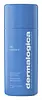 Key Ingredients
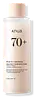
Benefits
Concerns
No concerns
Ingredients Side-by-side
Sodium Cocoyl Isethionate
Cleansing
Microcrystalline Cellulose
AbsorbentSodium Bicarbonate
Abrasive
Sorbitol
Humectant

Zea Mays Starch
Absorbent
Sodium Cocoyl Glutamate
Cleansing
Saccharomyces Ferment
Skin Conditioning

Oryza Sativa Starch
AbsorbentMagnesium Oxide
AbsorbentCitric Acid
Buffering

Tapioca Starch
Avena Sativa Kernel Protein
Skin ConditioningCamellia Oleifera Seed Extract
AstringentSilica
Abrasive
Cocos Nucifera Fruit Extract
Emollient
Inulin
Skin Conditioning
Cassia Hydroxypropyltrimonium Chloride
Silybum Marianum Seed Oil
Skin Conditioning
Kaolin
Abrasive
Lauryl Methacrylate/Glycol Dimethacrylate Crosspolymer
Papain
Skin Conditioning

Hyaluronic Acid
Humectant


Avena Sativa Kernel Extract
Abrasive

Helianthus Annuus Seed Oil
Emollient
Avena Sativa Bran Extract
Abrasive
Glycine Soja Oil
Emollient



Citrus Aurantium Dulcis Peel Extract
Emulsion Stabilising
Vitis Vinifera Fruit Extract
Skin ConditioningCitrus Aurantium Bergamia Fruit Oil
Masking

Aniba Rosodora Wood Oil
Astringent
Salvia Sclarea Oil
Masking
Eucalyptus Globulus Leaf Oil
Perfuming
Chamomilla Recutita Flower Oil
Masking
Cucurbita Pepo Fruit Extract
Skin Conditioning
Cucumis Sativus Fruit Extract
Emollient
Perilla Ocymoides Leaf Extract
TonicDaucus Carota Sativa Root Extract
Skin Conditioning
Sea Salt
Abrasive
Juniperus Virginiana Oil
Masking
Alpha-Glucan Oligosaccharide
Cleansing
Tocopherol
Antioxidant
Castoryl Maleate
Skin ConditioningCaprylyl Glycol
Emollient
Allantoin
Skin Conditioning
Diglycerin
Humectant
Maltodextrin
Absorbent
Lauroyl Lysine
Skin Conditioning
Arginine
Masking
Saccharide Isomerate
Humectant
Sodium Lauroyl Glutamate
SurfactantBeta-Carotene
Skin ConditioningXanthan Gum
EmulsifyingEthylhexylglycerin
Skin Conditioning1,2-Hexanediol
Skin Conditioning
Hydroxypropyl Methylcellulose
Emulsion StabilisingDextrin
AbsorbentSodium Palmitate
CleansingSodium Chloride
MaskingAcacia Senegal Gum
MaskingSodium Citrate
BufferingWater
Skin ConditioningO-Cymen-5-Ol
Antimicrobial
Limonene
Perfuming
Linalool
Perfuming
Sodium Cocoyl Isethionate, Microcrystalline Cellulose, Sodium Bicarbonate, Sorbitol, Zea Mays Starch, Sodium Cocoyl Glutamate, Saccharomyces Ferment, Oryza Sativa Starch, Magnesium Oxide, Citric Acid, Tapioca Starch, Avena Sativa Kernel Protein, Camellia Oleifera Seed Extract, Silica, Cocos Nucifera Fruit Extract, Inulin, Cassia Hydroxypropyltrimonium Chloride, Silybum Marianum Seed Oil, Kaolin, Lauryl Methacrylate/Glycol Dimethacrylate Crosspolymer, Papain, Hyaluronic Acid, Avena Sativa Kernel Extract, Helianthus Annuus Seed Oil, Avena Sativa Bran Extract, Glycine Soja Oil, Citrus Aurantium Dulcis Peel Extract, Vitis Vinifera Fruit Extract, Citrus Aurantium Bergamia Fruit Oil, Aniba Rosodora Wood Oil, Salvia Sclarea Oil, Eucalyptus Globulus Leaf Oil, Chamomilla Recutita Flower Oil, Cucurbita Pepo Fruit Extract, Cucumis Sativus Fruit Extract, Perilla Ocymoides Leaf Extract, Daucus Carota Sativa Root Extract, Sea Salt, Juniperus Virginiana Oil, Alpha-Glucan Oligosaccharide, Tocopherol, Castoryl Maleate, Caprylyl Glycol, Allantoin, Diglycerin, Maltodextrin, Lauroyl Lysine, Arginine, Saccharide Isomerate, Sodium Lauroyl Glutamate, Beta-Carotene, Xanthan Gum, Ethylhexylglycerin, 1,2-Hexanediol, Hydroxypropyl Methylcellulose, Dextrin, Sodium Palmitate, Sodium Chloride, Acacia Senegal Gum, Sodium Citrate, Water, O-Cymen-5-Ol, Limonene, Linalool
Oryza Sativa Bran Water 71%
Masking
Butylene Glycol
Humectant
Glycerin
Humectant
Dipropylene Glycol
HumectantNiacinamide
Smoothing
Propanediol
Solvent
Water
Skin Conditioning1,2-Hexanediol
Skin Conditioning
Methyl Gluceth-20
Humectant
Panthenol
Skin Conditioning
Betaine
Humectant
Oryza Sativa Extract
Absorbent
Hydroxyacetophenone
Antioxidant
Diphenyl Dimethicone
Emollient
Triethylhexanoin
MaskingHydrogenated Lecithin
Emulsifying
Adenosine
Skin Conditioning
Ethylhexylglycerin
Skin ConditioningCarbomer
Emulsion StabilisingTromethamine
BufferingXanthan Gum
EmulsifyingGlyceryl Acrylate/Acrylic Acid Copolymer
HumectantTheobroma Cacao Seed Extract
Antioxidant
Sodium Hyaluronate
Humectant
Hydrolyzed Hyaluronic Acid
Humectant
Hyaluronic Acid
Humectant
Dextrin
AbsorbentHydrolyzed Rice Protein
Skin ConditioningOryza Sativa Seed Protein
Antioxidant
Ceramide NP
Skin Conditioning
Sodium Lauroyl Lactylate
EmulsifyingArbutin
Antioxidant
Ascorbic Acid
Antioxidant
Allantoin
Skin Conditioning
Ceramide AP
Skin Conditioning
Phytosphingosine
Skin Conditioning
Cholesterol
Emollient
Ceramide EOP
Skin Conditioning
Oryza Sativa Bran Water 71%, Butylene Glycol, Glycerin, Dipropylene Glycol, Niacinamide, Propanediol, Water, 1,2-Hexanediol, Methyl Gluceth-20, Panthenol, Betaine, Oryza Sativa Extract, Hydroxyacetophenone, Diphenyl Dimethicone, Triethylhexanoin, Hydrogenated Lecithin, Adenosine, Ethylhexylglycerin, Carbomer, Tromethamine, Xanthan Gum, Glyceryl Acrylate/Acrylic Acid Copolymer, Theobroma Cacao Seed Extract, Sodium Hyaluronate, Hydrolyzed Hyaluronic Acid, Hyaluronic Acid, Dextrin, Hydrolyzed Rice Protein, Oryza Sativa Seed Protein, Ceramide NP, Sodium Lauroyl Lactylate, Arbutin, Ascorbic Acid, Allantoin, Ceramide AP, Phytosphingosine, Cholesterol, Ceramide EOP
Reviews
Alternatives
Ingredients Explained
These ingredients are found in both products.
Ingredients higher up in an ingredient list are typically present in a larger amount.
1,2-Hexanediol is a synthetic liquid and another multi-functional powerhouse.
It is a:
- Humectant, drawing moisture into the skin
- Emollient, helping to soften skin
- Solvent, dispersing and stabilizing formulas
- Preservative booster, enhancing the antimicrobial activity of other preservatives
Allantoin is a soothing ingredient known for its protective and moisturizing properties; it's basically a quiet workhorse ingredient you can find in a huge range of cosmetics.
Though it can be derived from the comfrey plant, allantoin is produced synthetically for cosmetic products to ensure purity.
Research shows it can encourage your skin cells to turn over and renew by stimulating keratinocyte and fibroblast proliferation.
It also has mild keratolytic properties to help loosen and shed dead skin cells without being harsh.
Studies also suggest allantoin can help calm inflammation by dialing down some of the chemical signals your skin sends out when it is irritated.
This ingredient is typically used in the 0.1-0.5% range, and the FDA recognizes it as a skin protectant in OTC products up to 2%.
Overall, allantoin is a wonderful addition to most routines; it is stable across a wide pH range (~4-8), works well with other ingredients, and is considered non-sensitizing/non-irritating.
Fun fact: Allantoin is naturally occurring in comfrey root, beets, chamomile, and wheat sprouts. Our bodies even produce it as a byproduct of uric acid metabolism.
Learn more about AllantoinDextrin is a starch-derived polysaccharide. It's made by partially breaking down corn, potato, or other plant starches.
Think of it as "half-processed" starch; it's less complex than the original but not fully broken down into sugar like maltodextrin.
In cosmetics, it mainly functions as a bulking agent, viscosity controller, binder, and absorbent. It helps thicken products, stabilize powders, and get certain textures a less "wet" feel.
This ingredient has a pretty solid safety profile; it's recognized as a safe food additive and its large molecular size means it doesn't meaningfully penetrate skin.
Human repeat insult patch tests using a rinse-off facial product containing 42.69% dextrin found no skin irritation or sensitization in 54 subjects.
Typical real-world usage is much lower: usually under 1% as a texture modifier and up to 40% in masks (rinse off products use less).
Learn more about DextrinEthylhexylglycerin is created from glycerin. It is a multitasker ingredient that:
The CIR Expert Panel found minimal skin absorption or sensitization of any kind in a safety assessment. Though this ingredient is considered well-tolerated, a small number of cases of allergic dermatitis have been published since 2002. Just be sure to patch test if you are unsure.
Industry-reported use ranges from 8% in rinse-off products and 2% in leave-on formulations.
Learn more about EthylhexylglycerinHyaluronic acid (HA) is a glycosaminoglycan (basically a long sugar chain) that your skin already makes on its own. In your skin, HA lives in the extracellular matrix and acts as the body's moisture reservoir.
Topically, HA is a humectant that binds water and helps skin look more plump, smooth, and hydrated.
The only catch is that HA isn't a single thing; it actually comes in a wide range of molecular weights (~50 - 2,000+ kDA) and size matters.
Some clinical evidence links low molecular weight versions to improved wrinkle depth, elasticity, anti-inflammatory effects, and barrier repair.
This is why the best HA serums blend the two sizes together so you get the best of both worlds.
The majority of cosmetic HA is produced by bacterial fermentation, typically using Streptococcus or Bacillus strains. Typical use levels in skincare sit around 0.1-2%.
A clinical study using a 0.2% low-molecular weight HA gel showed improvement in facial seborrheic dermatitis with excellent tolerance.
These are some other common types of Hyaluronic Acid:
Learn more about Hyaluronic AcidWater. It's the most common cosmetic ingredient of all. You'll usually see it at the top of ingredient lists, meaning that it makes up the largest part of the product.
So why is it so popular? Water most often acts as a solvent - this means that it helps dissolve other ingredients into the formulation.
You'll also recognize water as that liquid we all need to stay alive. If you see this, drink a glass of water. Remember to stay hydrated!
Learn more about WaterXanthan gum is used as a stabilizer and thickener within cosmetic products. It helps give products a sticky, thick feeling - preventing them from being too runny.
On the technical side of things, xanthan gum is a polysaccharide - a combination consisting of multiple sugar molecules bonded together.
Xanthan gum is a pretty common and great ingredient. It is a natural, non-toxic, non-irritating ingredient that is also commonly used in food products.
Learn more about Xanthan Gum

