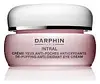
This calming eye moisturizer is formulated around Caffeine and Ergothioneine to calm redness and soften the look of wrinkles.
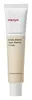
This barrier-repair moisturizer is formulated around Centella Asiatica Leaf Water and Niacinamide to strengthen the skin barrier and hydrate skin.


What's inside
What's inside
 Key Ingredients
Benefits
Concerns
Ingredients Side-by-side
Water
Skin ConditioningButylene Glycol
Humectant

Dimethicone
Emollient

Trisiloxane
Skin Conditioning
Glycerin
Humectant
Ammonium Acryloyldimethyltaurate/Vp Copolymer
Trehalose
Humectant
Sucrose
Humectant
Paeonia Suffruticosa Root Extract
Skin ProtectingCrataegus Monogyna Flower Extract
Skin ConditioningThermus Thermophillus Ferment
Skin ConditioningCaffeine
Skin Conditioning
Asparagopsis Armata Extract
Skin Protecting

Ascophyllum Nodosum Extract
Skin Conditioning
Palmaria Palmata Extract
Skin Protecting
Artemia Extract
Skin ConditioningAlgae Extract
Emollient
Hydrolyzed Rice Extract
Skin Conditioning
Cucumis Sativus Fruit Extract
Emollient
Chamomilla Recutita Extract
Skin Conditioning
Ergothioneine
Antioxidant
Urea
Buffering


Dipotassium Glycyrrhizate
Humectant
Glucose
Humectant
Oleth-10
EmulsifyingTocopheryl Acetate
Antioxidant

Lauryl PEG-9 Polydimethylsiloxyethyl Dimethicone
Skin Conditioning
Sorbitol
Humectant
Acetyl Glucosamine
Skin Conditioning
Ethylbisiminomethylguaiacol Manganese Chloride
Antioxidant
Sodium PCA
Humectant
Lauryl PCA
HumectantSodium Hyaluronate
Humectant
Tetrahexyldecyl Ascorbate
Antioxidant

Citric Acid
Buffering
Tromethamine
BufferingTriacetin
AntimicrobialCarbomer
Emulsion StabilisingSorbic Acid
Preservative
Polyquaternium-51
Skin Conditioning
Cyclodextrin
AbsorbentDisodium EDTA
ChelatingBHT
Antioxidant
Potassium Sorbate
Preservative
Chlorphenesin
Antimicrobial
Phenoxyethanol
Preservative
Water, Butylene Glycol, Dimethicone, Trisiloxane, Glycerin, Ammonium Acryloyldimethyltaurate/Vp Copolymer, Trehalose, Sucrose, Paeonia Suffruticosa Root Extract, Crataegus Monogyna Flower Extract, Thermus Thermophillus Ferment, Caffeine, Asparagopsis Armata Extract, Ascophyllum Nodosum Extract, Palmaria Palmata Extract, Artemia Extract, Algae Extract, Hydrolyzed Rice Extract, Cucumis Sativus Fruit Extract, Chamomilla Recutita Extract, Ergothioneine, Urea, Dipotassium Glycyrrhizate, Glucose, Oleth-10, Tocopheryl Acetate, Lauryl PEG-9 Polydimethylsiloxyethyl Dimethicone, Sorbitol, Acetyl Glucosamine, Ethylbisiminomethylguaiacol Manganese Chloride, Sodium PCA, Lauryl PCA, Sodium Hyaluronate, Tetrahexyldecyl Ascorbate, Citric Acid, Tromethamine, Triacetin, Carbomer, Sorbic Acid, Polyquaternium-51, Cyclodextrin, Disodium EDTA, BHT, Potassium Sorbate, Chlorphenesin, Phenoxyethanol
Water
Skin ConditioningCentella Asiatica Leaf Water
Skin Conditioning
Propanediol
Solvent
Glycerin
Humectant
Butylene Glycol
Humectant
Niacinamide
Smoothing


Isononyl Isononanoate
Emollient1,2-Hexanediol
Skin Conditioning
Hydrogenated Polydecene
EmollientPentylene Glycol
Skin Conditioning
Bifida Ferment Lysate
Skin Conditioning
Dimethicone
Emollient
Pentaerythrityl Tetraethylhexanoate
Emollient
Ammonium Acryloyldimethyltaurate/Vp Copolymer
Chlorella Vulgaris Extract
Skin ConditioningGlucose
Humectant
Polyglyceryl-3 Methylglucose Distearate
Emulsifying
Squalane
Emollient
Acrylates/C10-30 Alkyl Acrylate Crosspolymer
Emulsion StabilisingFructooligosaccharides
Humectant
Fructose
Humectant
Tromethamine
BufferingPanthenol
Skin Conditioning
Ethylhexylglycerin
Skin ConditioningAdenosine
Skin Conditioning
Glyceryl Acrylate/Acrylic Acid Copolymer
HumectantDextrin
AbsorbentTheobroma Cacao Extract
Skin ConditioningSodium Phytate
ChelatingCaprylhydroxamic Acid
ChelatingLactobacillus/Pumpkin Fruit Ferment Filtrate
Skin ConditioningHydrogenated Lecithin
Emulsifying
Cynanchum Atratum Extract
Skin ConditioningBifida Ferment Filtrate
Skin Conditioning
Lactobacillus Ferment Lysate
Skin Conditioning
Lactococcus Ferment Lysate
Skin Conditioning
Saccharomyces Ferment Filtrate
Humectant
Sodium Hyaluronate Crosspolymer
Humectant
Hydrolyzed Glycosaminoglycans
HumectantCutibacterium Granulosum Ferment Extract Filtrate
EmollientBetaine Salicylate
Antimicrobial

Ceramide NP
Skin Conditioning
Dimethyl Sulfone
SolventSodium Hyaluronate
Humectant
Benzyl Glycol
SolventOenothera Biennis Flower Extract
AstringentPinus Palustris Leaf Extract
TonicPueraria Lobata Root Extract
HumectantUlmus Davidiana Root Extract
Skin Conditioning
Hydrolyzed Hyaluronic Acid
Humectant
Glycyrrhiza Uralensis Root Extract
Skin Conditioning
Anastatica Hierochuntica Extract
AstringentAsiaticoside
Antioxidant
Madecassic Acid
Skin Conditioning
Asiatic Acid
Skin Conditioning
Tocopherol
Antioxidant
Lactobacillus Ferment
Skin Conditioning
Hamamelis Virginiana Water
Astringent
Hyaluronic Acid
Humectant
Artemisia Capillaris Extract
Chrysanthemum Zawadskii Extract
Skin ConditioningCyperus Rotundus Root Extract
Skin ConditioningLeonurus Sibiricus Extract
Skin ConditioningPaeonia Albiflora Flower Extract
TonicPolydecene
Skin ConditioningBorago Officinalis Extract
Emollient
Centaurea Cyanus Flower Extract
Astringent
Chamomilla Recutita Flower/Leaf Extract
AntimicrobialHyacinthus Orientalis Extract
Skin ConditioningLavandula Angustifolia Flower Water
Skin Conditioning
Salvia Sclarea Extract
AntiseborrhoeicGossypium Herbaceum Seed Extract
Skin ConditioningAgar
MaskingCyamopsis Tetragonoloba Gum
Emulsion StabilisingXanthan Gum
EmulsifyingWater, Centella Asiatica Leaf Water, Propanediol, Glycerin, Butylene Glycol, Niacinamide, Isononyl Isononanoate, 1,2-Hexanediol, Hydrogenated Polydecene, Pentylene Glycol, Bifida Ferment Lysate, Dimethicone, Pentaerythrityl Tetraethylhexanoate, Ammonium Acryloyldimethyltaurate/Vp Copolymer, Chlorella Vulgaris Extract, Glucose, Polyglyceryl-3 Methylglucose Distearate, Squalane, Acrylates/C10-30 Alkyl Acrylate Crosspolymer, Fructooligosaccharides, Fructose, Tromethamine, Panthenol, Ethylhexylglycerin, Adenosine, Glyceryl Acrylate/Acrylic Acid Copolymer, Dextrin, Theobroma Cacao Extract, Sodium Phytate, Caprylhydroxamic Acid, Lactobacillus/Pumpkin Fruit Ferment Filtrate, Hydrogenated Lecithin, Cynanchum Atratum Extract, Bifida Ferment Filtrate, Lactobacillus Ferment Lysate, Lactococcus Ferment Lysate, Saccharomyces Ferment Filtrate, Sodium Hyaluronate Crosspolymer, Hydrolyzed Glycosaminoglycans, Cutibacterium Granulosum Ferment Extract Filtrate, Betaine Salicylate, Ceramide NP, Dimethyl Sulfone, Sodium Hyaluronate, Benzyl Glycol, Oenothera Biennis Flower Extract, Pinus Palustris Leaf Extract, Pueraria Lobata Root Extract, Ulmus Davidiana Root Extract, Hydrolyzed Hyaluronic Acid, Glycyrrhiza Uralensis Root Extract, Anastatica Hierochuntica Extract, Asiaticoside, Madecassic Acid, Asiatic Acid, Tocopherol, Lactobacillus Ferment, Hamamelis Virginiana Water, Hyaluronic Acid, Artemisia Capillaris Extract, Chrysanthemum Zawadskii Extract, Cyperus Rotundus Root Extract, Leonurus Sibiricus Extract, Paeonia Albiflora Flower Extract, Polydecene, Borago Officinalis Extract, Centaurea Cyanus Flower Extract, Chamomilla Recutita Flower/Leaf Extract, Hyacinthus Orientalis Extract, Lavandula Angustifolia Flower Water, Salvia Sclarea Extract, Gossypium Herbaceum Seed Extract, Agar, Cyamopsis Tetragonoloba Gum, Xanthan Gum
Reviews
Ingredients Explained
These ingredients are found in both products.
Ingredients higher up in an ingredient list are typically present in a larger amount.
Ammonium Acryloyldimethyltaurate/Vp Copolymer is a synthetically created polymer. It's used as a film-forming agent and used to thicken the consistency of products.
Think of it as a supportive ingredient that helps your gel-creams feel silky, "cloud cream-like", and spread evenly without being greasy.
The Cosmetic Ingredient Review (CIR) Expert Panel evaluated it (along with 22 other acryloyldimethyltaurate polymers) and concluded it's:
Due to its large molecular size, it sits on the surface of skin rather than penetrating it.
Learn more about Ammonium Acryloyldimethyltaurate/Vp CopolymerButylene Glycol (or BG) is used within cosmetic products for a few different reasons:
Overall, Butylene Glycol is a safe and well-rounded ingredient that works well with other ingredients.
Though this ingredient works well with most skin types, some people with sensitive skin may experience a reaction such as allergic rashes, closed comedones, or itchiness.
Learn more about Butylene GlycolDimethicone is a type of synthetic silicone created from natural materials such as quartz. It is also known as polydimethylsiloxane.
What it does:
Dimethicone comes in different viscosities:
Depending on the viscosity, dimethicone has different properties.
Ingredients lists don't always show which type is used, so we recommend reaching out to the brand if you have questions about the viscosity.
This ingredient is unlikely to cause irritation because it does not get absorbed into skin. However, people with silicone allergies should be careful about using this ingredient.
Note: Dimethicone may contribute to pilling. This is because it is not oil or water soluble, so pilling may occur when layered with products. When mixed with heavy oils in a formula, the outcome is also quite greasy.
Learn more about DimethiconeGlucose is a simple sugar (a monosaccharide). In skincare, it is mostly a humectant and skin conditioning agent.
Mechanistically, it has multiple hydroxyl groups that hydrogen-bond to water. This pulls moisture into the upper layers of skin to keep the surface soft and hydrated.
It's worth knowing sugars are already a natural component of the skin's NMF (natural moisturizing factor) so it's a molecule that your stratum corneum is well-acquainted with.
Just so you know, glucose is hydrophilic (water-loving) and the stratum corneum is a strong barrier to hydrophilic compounds. This just means penetration is slow and most of the action is happening on the surface.
Gram-to-gram, glucose is not as efficient as a humectant as glycerin. This is why you'll likely see glycose paired with stronger humectants for a bigger hydration payoff.
In skincare, glucose is typically derived from corn or other starch sources.
Learn more about GlucoseGlycerin (or glycerol) is a compound naturally found in your skin. It's a powerhouse humectant that pulls water into the stratum corneum.
Topically, glycerin does several things at once:
Your skin makes glycerin on its own (mostly from sebaceous oil breakdown) and shuttles it to your outermost layer of skin, or your epidermis, via aquaporin-3.
Aquaporin-3 is a transporter that is essential for normal skin hydration, elasticity, and repair. Interestingly, mice lacking in AQP3 have dry and less elastic skin that can be fully corrected with glycerin.
This ingredient is non-irritating, plays well with almost every ingredient, and works across all skin types. Typical use is anywhere between 3-10% but can go up to 79% in some leave-on products.
Just know very high concentrations (>40%) can feel tacky in low humidity.
Glycerin is the name for this ingredient in American English. British English uses Glycerol/Glycerine.
Learn more about GlycerinSodium Hyaluronate is the salt form of hyaluronic acid. It is a long sugar chain that is naturally found in your skin, joints, and connective tissue that maintains hydration and elasticity.
In skincare, it works as a humectant. It pulls water from the environment and deeper layers of skin and binds it to the surface.
Interestingly, the size of the molecule affects its behavior:
Some clinical evidence links low molecular weight versions to improved wrinkle depth, elasticity, anti-inflammatory effects, and barrier repair.
Many serums use a blend of both weights so you can get surface hydration plus longer-lasting and deeper effects.
You'll typically see concentrations between 0.1-2% for this ingredient.
Learn more about Sodium HyaluronateTromethamine (aka THAM) is a synthetic amino acid that shows up in skincare as a helper ingredient.
It functions as a pH adjuster to help neutralize acidic ingredients and set a formula's pH to the right spot.
This matters a lot because a lot of actives (like vitamin C) needs a specific pH to work well and feel comfortable on skin.
Concentration use ranges from 0.1-1.0% depending on the formula.
Learn more about TromethamineWater. It's the most common cosmetic ingredient of all. You'll usually see it at the top of ingredient lists, meaning that it makes up the largest part of the product.
So why is it so popular? Water most often acts as a solvent - this means that it helps dissolve other ingredients into the formulation.
You'll also recognize water as that liquid we all need to stay alive. If you see this, drink a glass of water. Remember to stay hydrated!
Learn more about Water

