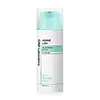
This oil-control moisturizer is formulated around Niacinamide and Salicylic Acid to balance excess oil and refine the look of pores.
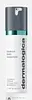
This acne moisturizer is formulated around Salicylic Acid and Niacinamide to clear breakouts and balance excess oil.


What's inside
What's inside
 Key Ingredients
Benefits
Concerns
Ingredients Side-by-side
Water
Skin ConditioningNiacinamide
Smoothing











2,3-Butanediol
HumectantButylene Glycol
Humectant
Caprylyl Methicone
Skin Conditioning
Propanediol
Solvent
1,2-Hexanediol
Skin Conditioning
Panthenol
Skin Conditioning
Ammonium Acryloyldimethyltaurate/Vp Copolymer
Dipropylene Glycol
HumectantSerine
Masking
Silica
Abrasive
Squalane
Emollient
Carnitine
Cleansing
Glycerin
Humectant
Methylpropanediol
SolventSalicylic Acid
Masking





Lactobacillus Ferment
Skin Conditioning
Curcuma Longa Root Extract
Antioxidant

Acrylates/C10-30 Alkyl Acrylate Crosspolymer
Emulsion StabilisingSarcosine
Skin Conditioning
Tromethamine
BufferingCetearyl Olivate

Hydroxyethyl Acrylate/Sodium Acryloyldimethyl Taurate Copolymer
Emulsion StabilisingSorbitan Olivate
Emulsifying
PEG-60 Almond Glycerides
Emulsifying
Citrus Aurantifolia Oil
Cleansing

Caprylyl Glycol
Emollient
Hydrogenated Lecithin
Emulsifying
Pelargonium Graveolens Flower Oil
Masking
Polyglutamic Acid
Skin Conditioning
Trisodium EDTA
ChelatingRosmarinus Officinalis Leaf Oil
Masking
Erythritol
Humectant
Citrus Aurantium Dulcis Oil
Masking
Behenic Acid
Cleansing
Polysorbate 60
Emulsifying
Sorbitan Isostearate
Emulsifying
Phytosterols
Skin Conditioning
Xylitylglucoside
Humectant
Beta-Glucan
Skin Conditioning
Lavandula Hybrida Oil
Emollient
Mentha Arvensis Leaf Oil
Masking
Mentha Viridis Leaf Oil
Astringent
Stearic Acid
Cleansing
Behenyl Alcohol
Emollient
Stearyl Alcohol
Emollient
Anhydroxylitol
Humectant
Sodium Citrate
BufferingHyaluronic Acid
Humectant
Hydrolyzed Hyaluronic Acid
Humectant
Hydrolyzed Sodium Hyaluronate
Skin Conditioning
Sodium Hyaluronate
Humectant
Xylitol
Humectant
Myristic Acid
Cleansing
Carbomer
Emulsion StabilisingCitric Acid
Buffering
Nordihydroguaiaretic Acid
Antioxidant
Oleanolic Acid
Skin ConditioningSodium Metabisulfite
Antioxidant
Biotin
AntiseborrhoeicLimonene
Perfuming
Citronellol
Perfuming
Geraniol
Perfuming
Linalool
Perfuming
Citral
Perfuming
Water, Niacinamide, 2,3-Butanediol, Butylene Glycol, Caprylyl Methicone, Propanediol, 1,2-Hexanediol, Panthenol, Ammonium Acryloyldimethyltaurate/Vp Copolymer, Dipropylene Glycol, Serine, Silica, Squalane, Carnitine, Glycerin, Methylpropanediol, Salicylic Acid, Lactobacillus Ferment, Curcuma Longa Root Extract, Acrylates/C10-30 Alkyl Acrylate Crosspolymer, Sarcosine, Tromethamine, Cetearyl Olivate, Hydroxyethyl Acrylate/Sodium Acryloyldimethyl Taurate Copolymer, Sorbitan Olivate, PEG-60 Almond Glycerides, Citrus Aurantifolia Oil, Caprylyl Glycol, Hydrogenated Lecithin, Pelargonium Graveolens Flower Oil, Polyglutamic Acid, Trisodium EDTA, Rosmarinus Officinalis Leaf Oil, Erythritol, Citrus Aurantium Dulcis Oil, Behenic Acid, Polysorbate 60, Sorbitan Isostearate, Phytosterols, Xylitylglucoside, Beta-Glucan, Lavandula Hybrida Oil, Mentha Arvensis Leaf Oil, Mentha Viridis Leaf Oil, Stearic Acid, Behenyl Alcohol, Stearyl Alcohol, Anhydroxylitol, Sodium Citrate, Hyaluronic Acid, Hydrolyzed Hyaluronic Acid, Hydrolyzed Sodium Hyaluronate, Sodium Hyaluronate, Xylitol, Myristic Acid, Carbomer, Citric Acid, Nordihydroguaiaretic Acid, Oleanolic Acid, Sodium Metabisulfite, Biotin, Limonene, Citronellol, Geraniol, Linalool, Citral
Salicylic Acid 0.5%
Masking
Water
Skin ConditioningButylene Glycol
Humectant
Propanediol
Solvent
Niacinamide
Smoothing
Octyldodecanol
Emollient
Ethylhexyl Olivate
Skin Conditioning
Glycerin
Humectant
Erythritol
Humectant
Inulin
Skin Conditioning
Cetearyl Olivate
Lavandula Angustifolia Oil
Masking
Lavandula Hybrida Oil
Emollient
Citrus Limon Peel Oil
Masking
Salvia Sclarea Oil
Masking
Hydrolyzed Jojoba Esters
Skin Conditioning
Morinda Citrifolia Fruit Extract
Skin Conditioning
Leptospermum Scoparium Branch/Leaf Oil
Tonic
Phaeodactylum Tricornutum Extract
HumectantMagnolia Officinalis Bark Extract
Antimicrobial
Piper Nigrum Seed Extract
RefreshingRosmarinus Officinalis Leaf Oil
Masking
Tocopherol
Antioxidant
Xylitol
Humectant
Squalane
Emollient
Caprylyl Glycol
Emollient
Lecithin
Emollient
Glutamic Acid
Humectant
Polyquaternium-80
CleansingDidecyldimonium Chloride
EmulsifyingMethylpropanediol
SolventSorbitan Olivate
Emulsifying
Tetrasodium Glutamate Diacetate
ChelatingCitric Acid
Buffering
Sodium Hydroxide
BufferingPolyacrylate Crosspolymer-6
Emulsion StabilisingCaprylic Acid
CleansingLinalool
Perfuming
Limonene
Perfuming
Salicylic Acid 0.5%, Water, Butylene Glycol, Propanediol, Niacinamide, Octyldodecanol, Ethylhexyl Olivate, Glycerin, Erythritol, Inulin, Cetearyl Olivate, Lavandula Angustifolia Oil, Lavandula Hybrida Oil, Citrus Limon Peel Oil, Salvia Sclarea Oil, Hydrolyzed Jojoba Esters, Morinda Citrifolia Fruit Extract, Leptospermum Scoparium Branch/Leaf Oil, Phaeodactylum Tricornutum Extract, Magnolia Officinalis Bark Extract, Piper Nigrum Seed Extract, Rosmarinus Officinalis Leaf Oil, Tocopherol, Xylitol, Squalane, Caprylyl Glycol, Lecithin, Glutamic Acid, Polyquaternium-80, Didecyldimonium Chloride, Methylpropanediol, Sorbitan Olivate, Tetrasodium Glutamate Diacetate, Citric Acid, Sodium Hydroxide, Polyacrylate Crosspolymer-6, Caprylic Acid, Linalool, Limonene
Ingredients Explained
These ingredients are found in both products.
Ingredients higher up in an ingredient list are typically present in a larger amount.
Butylene Glycol (or BG) is used within cosmetic products for a few different reasons:
Overall, Butylene Glycol is a safe and well-rounded ingredient that works well with other ingredients.
Though this ingredient works well with most skin types, some people with sensitive skin may experience a reaction such as allergic rashes, closed comedones, or itchiness.
Learn more about Butylene GlycolCaprylyl Glycol is a humectant, skin conditioner, emollient, and preservative booster derived from either caprylic acid or synthetically created.
Typical use levels vary from 0.3-1% as a preservative booster and go up to 2% to condition skin.
Because it is not a free-fatty acid, this ingredient is fungal acne safe (there's nothing for Malassezia to feed on).
Learn more about Caprylyl GlycolCetearyl Olivate is a plant-derived emulsifier and texture enhancer. It helps keep the oil and water phases from separating so your formulas stay stable.
You'll likely see it combined with Sorbitan Olivate (together sold as the trade name Olivem 1000). This combination generates a liquid crystal structure that closely resemble the lipid organization of the stratum corneum.
These "skin-like" liquid crystals improve skin barrier integrity and promote the delivery of actives into the skin.
This ingredient is well-tolerated and has no significant sensitization data.
Because it is derived from the fatty acids in olive oil, this ingredient may not be fungal acne safe.
Learn more about Cetearyl OlivateCitric Acid is an alpha hydroxy acid (AHA) naturally found in citrus fruits like oranges, lemons, and limes.
Like other AHAs, citric acid can exfoliate skin by breaking down the bonds that hold dead skin cells together. This helps reveal smoother and brighter skin underneath.
However, this exfoliating effect only happens at high concentrations (20%) which can be hard to find in cosmetic products.
Due to this, citric acid is usually included in small amounts as a pH adjuster. This helps keep products slightly more acidic and compatible with skin's natural pH.
In skincare formulas, citric acid can:
While it can provide some skin benefits, research shows lactic acid and glycolic acid are generally more effective and less irritating exfoliants.
Most citric acid used in skincare today is made by fermenting sugars (usually from molasses). This synthetic version is identical to the natural citrus form but easier to stabilize and use in formulations.
Rosacea skin has a lower threshold for acids generally, with 62.5% of rosacea subjects in one study reacting to lactic acid in a sting test. This is why we mark citric acid as a potential rosacea trigger.
However, this ingredient shows up as a pH adjuster or chelator at roughly 0.1-1% in many products. These low levels are unlikely to be an issue for rosacea skin and becomes a potential trigger at exfoliating concentrations (20%). Because everybody's skin is unique, we recommend a patch test if you are unsure.
Learn more about Citric AcidYou might know this ingredient as a sugar substitute in foods. It is a sugar alcohol with humectant properties.
Humectants attract water to your skin (like glycerin or hyaluronic acid).
Fun fact: Erythritol can be naturally found in some fermented foods.
Learn more about ErythritolGlycerin (or glycerol) is a compound naturally found in your skin. It's a powerhouse humectant that pulls water into the stratum corneum.
Topically, glycerin does several things at once:
Your skin makes glycerin on its own (mostly from sebaceous oil breakdown) and shuttles it to your outermost layer of skin, or your epidermis, via aquaporin-3.
Aquaporin-3 is a transporter that is essential for normal skin hydration, elasticity, and repair. Interestingly, mice lacking in AQP3 have dry and less elastic skin that can be fully corrected with glycerin.
This ingredient is non-irritating, plays well with almost every ingredient, and works across all skin types. Typical use is anywhere between 3-10% but can go up to 79% in some leave-on products.
Just know very high concentrations (>40%) can feel tacky in low humidity.
Glycerin is the name for this ingredient in American English. British English uses Glycerol/Glycerine.
Learn more about GlycerinLavandula Hybrida Oil is an oil.
Limonene is the compound that gives citrus peel its smell.
In skincare, it shows up as a standalone fragrance ingredient or as a natural compound of citrus and other essential oils.
You'll typically see this ingredient used in very small amounts; anything above 0.001% in a leave-on product or 0.01% in a rinse-off has to be named on the label in the EU. The citrus oils that carry it sit around 0.5-1% in a finished formula.
Fresh limonene is a weak allergen; the real issue is that it slowly reacts with air and then breaks down from oxidation to create hydroperoxides (which are strong sensitizers). This is why suppliers are required to keep the peroxide value below 20 mmol.
Positive reactions in people being investigated for eczema vary:
It's worth skipping if you have a known fragrance allergy or a compromised barrier, but the risk is low for most people.
Older or long-opened products are also more likely to bother you than fresh ones due to oxidation.
Learn more about LimoneneLinalool is a small, naturally occurring scent molecule found in plants like lavender, coriander, bergamot, and more.
It is one of the two most-used fragrance ingredients in cosmetics and added purely for smell. Since it's not used for a skin benefit, there's no "effective dose". Concentration depends on the fragrance load of the product.
The EU requires it to be named on the label above 0.001% in leave-on and 0.01% in rinse-off products.
Fresh linalool is a weak sensitizer but air exposure turns some of it into hydroperoxides, which are strong sensitizers. Those oxidation products are the actual allergy concern.
Patch-test clinics see positive reactions to linalool hydroperoxides in about 4% to 12% of dermatitis patients depending on country and test concentration.
Resassuringly, one analytical study found hydroperoxide levels in real fragranced products to be orders of magnitude below what induced sensitization in animal studies with no evidence of oxidation building up during normal storage.
The practical takeaway is that linalool is fine for most people but worth avoiding if you have a confirmed fragrance contact allergy or a badly compromised barrier.
Products stored a long time after opening are also the high-risk scenario since that is when oxidation happens.
The scent of linalool is described as floral, spicy tropical, and citrus-like.
Learn more about LinaloolMethylpropanediol is a synthetic solvent and humectant.
As a solvent, it helps dissolve other ingredients, helping to evenly distribute ingredients throughout the product. This ingredient has also been shown to have antimicrobial properties which makes it a preservative booster.
Methylpropanediol is able to add a bit of moisture to the skin. It also helps other ingredients be better absorbed into the skin, such as salicylic acid.
Learn more about MethylpropanediolNiacinamide is a multitasking form of vitamin B3 that strengthens the skin barrier, reduces pores and dark spots, regulates oil, and improves signs of aging.
And the best part? It's gentle and well-tolerated by most skin types, including sensitive and reactive skin.
You might have heard of "niacin flush", or the reddening of skin that causes itchiness. Niacinamide has not been found to cause this.
In very rare cases, some individuals may not be able to tolerate niacinamide at all or experience an allergic reaction to it.
If you are experiencing flaking, irritation, and dryness with this ingredient, be sure to double check all your products as this ingredient can be found in all categories of skincare.
When incorporating niacinamide into your routine, look out for concentration amounts. Typically, 5% niacinamide provides benefits such as fading dark spots. However, if you have sensitive skin, it is better to begin with a smaller concentration.
When you apply niacinamide to your skin, your body converts it into nicotinamide adenine dinucleotide (NAD). NAD is an essential coenzyme that is already found in your cells as "fuel" and powers countless biological processes.
In your skin, NAD helps repair cell damage, produce new healthy cells, support collagen production, strengthen the skin barrier, and fight environmental stressors (like UV and pollution).
Our natural NAD levels start to decline with age, leading to slower skin repair, visible aging, and a weaker skin barrier. By providing your skin niacinamide, you're recharging your skin's NAD levels. This leads to stronger, healthier, and younger looking skin.
Another name for vitamin B3 is nicotinamide. This vitamin is water-soluble and our bodies don't store it. We obtain Vitamin B3 from either food or skincare. Meat, fish, wheat, yeast, and leafy greens contain vitamin B3.
The type of niacinamide used in skincare is synthetically created.
Learn more about NiacinamidePropanediol is an all-star ingredient. It softens, hydrates, and smooths the skin.
It’s often used to:
Propanediol is not likely to cause sensitivity and considered safe to use. It is derived from corn or petroleum with a clear color and no scent.
Learn more about PropanediolRosmarinus Officinalis Leaf Oil is an essential oil also known as rosemary essential oil. In skincare, it is a skin conditioning agent and also acts as a natural fragrance that gives products a fresh/herby smell.
The oil is a mix of over 100 volatile compounds with 1,8-cineole, α-pinene, camphor, and verbenone usually leading the pack.
Lab studies credit this oil with antioxidant, anti-inflammatory, and antimicrobial activity. Some research even show rosemary compounds calming acne-related inflammation.
The Cosmetic Ingredient Review (CIR) has concluded rosemary-derived ingredients to be safe when formulated to be nonsensitizing.
Since this is a fragrant essential oil, the main concern is for fragrance-sensitive folks.
Learn more about Rosmarinus Officinalis Leaf OilSalicylic Acid (also known as beta hydroxy acid or BHA) is a well-known ingredient for treating skin that struggles with acne and clogged pores. It exfoliates both the skin's surface and deep within the pores to help clear out buildup, control oil, and reduce inflammation.
Unlike AHAs (alpha hydroxy acids), salicylic acid is oil-soluble. This allows it to penetrate into pores which makes it especially effective for treating blackheads and preventing future breakouts.
Salicylic acid is also known for its soothing properties. It has a similar structure to aspirin and can calm inflamed or irritated skin, making it a good option for acne-prone skin that is also sensitive.
Concentrations of 0.5-2% are recognized by the U.S. FDA as an over-the-counter topical acne product.
It can cause irritation and/or dryness if one's skin already has a compromised moisture barrier, so it's best to focus on repairing that before introducing this ingredient into your routine.
While salicylic acid does not increase sun sensitivity, it’s still important to wear sunscreen daily to protect your skin.
If you are looking for the ingredient called BHA or Butylated Hydroxyanisole, click here.
Learn more about Salicylic AcidSorbitan Olivate is created from the fatty acids in olive oil and sorbitol.
This ingredient is an oil in water emulsifier. It helps stabilize a product by preventing oils and waters from separating. Sorbitan Olivate also helps hydrate the skin.
This ingredient is also known as part of Olivem 1000, with Cetearyl Olivate being the other part.
According to a manufacturer, this ingredient helps preserve the natural microbiome of skin. Having a healthy microbiome helps keep our skin healthy and protects against harmful bacteria.
Please note, having a healthy microbiome is different from fungal acne; a healthy microbiome includes small amounts of yeast that normally live on your skin without causing problems.
Fungal acne happens when one type of yeast (Malassezia) grows out of control. This is usually because it's feeding on certain oils or fatty acids. Due to the olive oil base, this ingredient may not be fungal acne safe.
Learn more about Sorbitan OlivateSqualane is the hydrogenated and shelf-stable form of squalene (a lipid that naturally occurs in human sebum).
It is an emollient and skin conditioning agent that is able to integrate seamlessly into the skin's lipid barrier without clogging pores.
This is due to how structurally similar it is to what your skin already produces.
Though it is mostly an emollient that helps soften and hydrate skin, it also has some humectant and occlusive action. Humectants help the skin retain moisture while occlusives seal it in, making squalane a triple-threat moisturizer.
Research shows it has antioxidant capabilities that help protect against stressors like UV exposure, specifically UVA induced oxidative stress. This study also found that it supports collagen biosynthesis in human dermal fibroblasts.
No clinical study has reported significant adverse effects and irritation reactions are very rare from this ingredient (even at 100% concentration).
Overall, it's a fantastic ingredient for hydration and is suitable for all skin types.
This depends on the source. Squalane can be derived from both plants and animals. Most squalane used in skincare comes from plants.
Please note: the source of squalane is only known if disclosed by the brand. We recommend reaching out to the brand if you have any questions about their squalane.
Read more about squalene with an "e".
Though squalane is often called an oil, it’s technically not one. It is a hydrocarbon, meaning it is only made of carbon and hydrogen. True oils are triglycerides and made of fatty acids and glycerol.
The term “oil-free” isn’t regulated so companies can define it however they want. Some exclude all oils, while others just avoid mineral oil or comedogenic oils.
Squalane has a comedogenic rating of 1 from the original 1972 study that tested raw ingredients under occlusion on rabbit ears. This system is not standardized or peer-reviewed, and using the raw ingredients is very different from how diluted cosmetic formulations are used on human skin.
A comedogenic rating of 1 means it is "unlikely to clog pores" according to the original rating system.
The overall formula of a product matters more than the individual ingredients on whether or not it will cause clogged pores.
Learn more about SqualaneWater. It's the most common cosmetic ingredient of all. You'll usually see it at the top of ingredient lists, meaning that it makes up the largest part of the product.
So why is it so popular? Water most often acts as a solvent - this means that it helps dissolve other ingredients into the formulation.
You'll also recognize water as that liquid we all need to stay alive. If you see this, drink a glass of water. Remember to stay hydrated!
Learn more about WaterXylitol is a humectant and prebiotic. It can help with dry skin.
In studies, xylitol has been shown to improve dry skin. It decreased transepidermal water loss, or when water passes through the skin and evaporates. Xylitol also showed to help improve the biomechanical properties of the skin barrier.
The prebiotic property of xylitol may also help reinforce our skin's natural microbiome. Having a healthy microbiome prevents infection by bad bacteria and helps with hydration.
As a humectant, Xylitol helps draw moisture from both the air and from deeper skin layers. This helps keep skin hydrated.
Xylitol is a sugar alcohol and commonly used as a sugar substitute. It is naturally occurring in plants such as strawberries and pumpkin.
Learn more about Xylitol


