

What's inside
What's inside
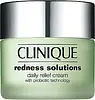 Key Ingredients
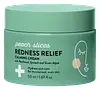
No key ingredients
Benefits
Concerns
Ingredients Side-by-side
Water
Skin ConditioningDimethicone
Emollient

Butyrospermum Parkii Butter
Skin Conditioning




Cetearyl Alcohol
Emollient

Hydrogenated Polyisobutene
EmollientTrisiloxane
Skin Conditioning
Butylene Glycol
Humectant
Glycerin
Humectant
Sucrose
Humectant
Isostearyl Palmitate
Emollient
PEG-100 Stearate
Surfactant
Camellia Sinensis Leaf Extract
Antimicrobial






Polygonum Cuspidatum Root Extract
Antioxidant
Hordeum Vulgare Extract
EmollientTriticum Vulgare Germ Extract
Skin ConditioningCetearyl Glucoside
Emulsifying
Aspalathus Linearis Leaf Extract
Skin ConditioningSaccharomyces Lysate Extract
Humectant
Ascophyllum Nodosum Extract
Skin ConditioningAsparagopsis Armata Extract
Skin ProtectingAlgae Extract
EmollientCaffeine
Skin Conditioning
Lactobacillus Ferment
Skin Conditioning
Sodium Lauroyl Oat Amino Acids
CleansingHydrogenated Lecithin
Emulsifying
Polyethylene
Abrasive

Glyceryl Stearate
Emollient
Salicylic Acid
Masking





Sorbitol
Humectant
Methyl Glucose Sesquistearate
Emollient
Cholesterol
Emollient
Linoleic Acid
Cleansing
Glycine
Buffering
Inulin
Skin Conditioning
Tromethamine
BufferingDecarboxy Carnosine Hcl
Skin ConditioningPhytosphingosine
Skin Conditioning
Cetyl Alcohol
Emollient
Tocopheryl Acetate
Antioxidant
Bisabolol
Antioxidant
Squalane
Emollient
Hdi/Trimethylol Hexyllactone Crosspolymer
Behenyl Alcohol
Emollient
Sodium Hyaluronate
Humectant
Carbomer
Emulsion StabilisingSilica
Abrasive
Disodium EDTA
Potassium Sorbate
Preservative
Phenoxyethanol
Preservative
CI 42090
Cosmetic ColorantCI 19140
Cosmetic ColorantCI 77289
Cosmetic ColorantCI 77891
Cosmetic ColorantMica
Cosmetic ColorantWater, Dimethicone, Butyrospermum Parkii Butter, Cetearyl Alcohol, Hydrogenated Polyisobutene, Trisiloxane, Butylene Glycol, Glycerin, Sucrose, Isostearyl Palmitate, PEG-100 Stearate, Camellia Sinensis Leaf Extract, Polygonum Cuspidatum Root Extract, Hordeum Vulgare Extract, Triticum Vulgare Germ Extract, Cetearyl Glucoside, Aspalathus Linearis Leaf Extract, Saccharomyces Lysate Extract, Ascophyllum Nodosum Extract, Asparagopsis Armata Extract, Algae Extract, Caffeine, Lactobacillus Ferment, Sodium Lauroyl Oat Amino Acids, Hydrogenated Lecithin, Polyethylene, Glyceryl Stearate, Salicylic Acid, Sorbitol, Methyl Glucose Sesquistearate, Cholesterol, Linoleic Acid, Glycine, Inulin, Tromethamine, Decarboxy Carnosine Hcl, Phytosphingosine, Cetyl Alcohol, Tocopheryl Acetate, Bisabolol, Squalane, Hdi/Trimethylol Hexyllactone Crosspolymer, Behenyl Alcohol, Sodium Hyaluronate, Carbomer, Silica, Disodium EDTA, Potassium Sorbate, Phenoxyethanol, CI 42090, CI 19140, CI 77289, CI 77891, Mica
Water
Skin ConditioningPropanediol
Solvent
Caprylic/Capric Triglyceride
Masking
Glycerin
Humectant
Butylene Glycol Dicaprylate/Dicaprate
Emollient1,2-Hexanediol
Skin Conditioning
Hydrogenated Polydecene
EmollientHelianthus Annuus Seed Oil
Emollient
Polyglyceryl-3 Methylglucose Distearate
Emulsifying
Panthenol
Skin Conditioning
Simmondsia Chinensis Seed Oil
Emollient
Spirulina Platensis Extract
Skin ProtectingRhodomyrtus Tomentosa Fruit Extract
HumectantArtemisia Vulgaris Extract
Skin Conditioning
Centella Asiatica Extract
Cleansing
Brassica Oleracea Italica Extract
AstringentCurcuma Longa Root Extract
Masking
Sodium Polyacryloyldimethyl Taurate
Emulsion StabilisingSorbitan Olivate
Emulsifying
Arginine
Masking
Melia Azadirachta Leaf Extract
Skin ConditioningSpinacia Oleracea Leaf Extract
Skin ConditioningGlyceryl Stearate
Emollient
Sorbitan Sesquioleate
Emulsifying
Butylene Glycol
Humectant
Dextrin
AbsorbentAllantoin
Skin Conditioning
Carthamus Tinctorius Flower Extract
Skin ConditioningGardenia Florida Fruit Extract
Skin ConditioningMelia Azadirachta Flower Extract
Skin ConditioningCetearyl Olivate
Carbomer
Emulsion StabilisingCoccinia Indica Fruit Extract
Skin ConditioningSolanum Melongena Fruit Extract
Skin ConditioningAloe Barbadensis Flower Extract
EmollientOcimum Sanctum Leaf Extract
Skin ConditioningCorallina Officinalis Extract
Skin Conditioning
Caprylyl Glycol
Emollient
Water, Propanediol, Caprylic/Capric Triglyceride, Glycerin, Butylene Glycol Dicaprylate/Dicaprate, 1,2-Hexanediol, Hydrogenated Polydecene, Helianthus Annuus Seed Oil, Polyglyceryl-3 Methylglucose Distearate, Panthenol, Simmondsia Chinensis Seed Oil, Spirulina Platensis Extract, Rhodomyrtus Tomentosa Fruit Extract, Artemisia Vulgaris Extract, Centella Asiatica Extract, Brassica Oleracea Italica Extract, Curcuma Longa Root Extract, Sodium Polyacryloyldimethyl Taurate, Sorbitan Olivate, Arginine, Melia Azadirachta Leaf Extract, Spinacia Oleracea Leaf Extract, Glyceryl Stearate, Sorbitan Sesquioleate, Butylene Glycol, Dextrin, Allantoin, Carthamus Tinctorius Flower Extract, Gardenia Florida Fruit Extract, Melia Azadirachta Flower Extract, Cetearyl Olivate, Carbomer, Coccinia Indica Fruit Extract, Solanum Melongena Fruit Extract, Aloe Barbadensis Flower Extract, Ocimum Sanctum Leaf Extract, Corallina Officinalis Extract, Caprylyl Glycol
Reviews
Ingredients Explained
These ingredients are found in both products.
Ingredients higher up in an ingredient list are typically present in a larger amount.
Butylene Glycol (or BG) is used within cosmetic products for a few different reasons:
Overall, Butylene Glycol is a safe and well-rounded ingredient that works well with other ingredients.
Though this ingredient works well with most skin types, some people with sensitive skin may experience a reaction such as allergic rashes, closed comedones, or itchiness.
Learn more about Butylene GlycolCarbomer is a high-molecular weight polymer of acrylic acid. It is used to form gels and thicken formulas.
Due to its large molecular size, carbomer has minimal skin penetration and is considered an inert ingredient.
A high amount of carbomer can cause pilling or balling up of products. Don't worry, most products contain 1% or less of carbomer.
Learn more about CarbomerGlycerin (or glycerol) is a compound naturally found in your skin. It's a powerhouse humectant that pulls water into the stratum corneum.
Topically, glycerin does several things at once:
Your skin makes glycerin on its own (mostly from sebaceous oil breakdown) and shuttles it to your outermost layer of skin, or your epidermis, via aquaporin-3.
Aquaporin-3 is a transporter that is essential for normal skin hydration, elasticity, and repair. Interestingly, mice lacking in AQP3 have dry and less elastic skin that can be fully corrected with glycerin.
This ingredient is non-irritating, plays well with almost every ingredient, and works across all skin types. Typical use is anywhere between 3-10% but can go up to 79% in some leave-on products.
Just know very high concentrations (>40%) can feel tacky in low humidity.
Glycerin is the name for this ingredient in American English. British English uses Glycerol/Glycerine.
Learn more about GlycerinGlyceryl Stearate is made by reacting glycerin with stearic acid (typically sourced from plant oils like palm or coconut). It's an emulsifier, emollient, and mild occlusive.
Emulsifiers help ingredients like oil and water stay mixed so your formula stays nicely blended and uniform in texture.
This ingredient is typically used in concentrations between 1-10%. Studies have found it to be non-sensitizing, non-phototoxic, and non-photoallergenic.
A close cousin of this ingredient is Glyceryl Stearate SE ("self-emulsifying"). This just has a small amount of sodium or potassium stearate added so it can emulsify without a co-emulsifier.
Since this ingredient is an ester of a C18 fatty acid, it may not be fungal acne safe. The Malassezia yeast can potentially metabolize within the C11-C24 range.
Fun fact: The human body also creates Glyceryl Stearate naturally.
Learn more about Glyceryl StearateWater. It's the most common cosmetic ingredient of all. You'll usually see it at the top of ingredient lists, meaning that it makes up the largest part of the product.
So why is it so popular? Water most often acts as a solvent - this means that it helps dissolve other ingredients into the formulation.
You'll also recognize water as that liquid we all need to stay alive. If you see this, drink a glass of water. Remember to stay hydrated!
Learn more about Water
