
What's inside
What's inside
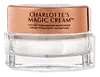 Key Ingredients
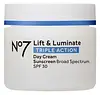
Benefits
Concerns
Ingredients Side-by-side
Water
Skin ConditioningC12-15 Alkyl Benzoate
AntimicrobialGlyceryl Stearate Se
Emulsifying


Butylene Glycol
Humectant

Glycerin
Humectant
Isononyl Isononanoate
EmollientCaprylic/Capric Triglyceride
Masking
Cetyl Alcohol
Emollient
Ethylhexyl Palmitate
Emollient
Cyclopentasiloxane
Emollient
Dimethicone
Emollient
Polyester-7
Skin ConditioningPhenoxyethanol
Preservative
Neopentyl Glycol Diheptanoate
EmollientHydrogenated Rapeseed Oil
Emollient
Butyrospermum Parkii Butter
Skin Conditioning
Steareth-21
CleansingAvena Sativa Kernel Extract
Abrasive



Carbomer
Emulsion StabilisingDimethiconol
Emollient
Potassium Cetyl Phosphate
EmulsifyingChlorphenesin
Antimicrobial
Caprylyl Glycol
Emollient
Xanthan Gum
EmulsifyingHydrolyzed Viola Tricolor Extract
Skin ProtectingAllantoin
Skin Conditioning
Aloe Barbadensis Leaf Juice Powder
Skin Conditioning
Disodium EDTA
Tocopheryl Acetate
Antioxidant

Camellia Oleifera Seed Oil
Skin Conditioning
Rosa Canina Fruit Oil
Emollient
Rosa Damascena Extract
MaskingSodium Hydroxide
BufferingHelianthus Annuus Seed Oil
Emollient
Michelia Alba Leaf Oil
Masking
Sodium Lactate
Buffering
PEG-8
HumectantEthylhexylglycerin
Skin ConditioningCoco-Glucoside
Cleansing
Sodium Hyaluronate
Humectant

Tocopherol
Antioxidant
Ascorbyl Palmitate
Antioxidant
Plumeria Rubra Flower Extract
Skin ConditioningAscorbic Acid
Antioxidant
Citric Acid
Buffering

Palmitoyl Tripeptide-1
Skin Conditioning
Palmitoyl Tetrapeptide-7
Skin Conditioning
Hydrolyzed Vegetable Protein
Skin ConditioningCitronellol
Perfuming



Geraniol
Perfuming
Linalool
Perfuming
Water, C12-15 Alkyl Benzoate, Glyceryl Stearate Se, Butylene Glycol, Glycerin, Isononyl Isononanoate, Caprylic/Capric Triglyceride, Cetyl Alcohol, Ethylhexyl Palmitate, Cyclopentasiloxane, Dimethicone, Polyester-7, Phenoxyethanol, Neopentyl Glycol Diheptanoate, Hydrogenated Rapeseed Oil, Butyrospermum Parkii Butter, Steareth-21, Avena Sativa Kernel Extract, Carbomer, Dimethiconol, Potassium Cetyl Phosphate, Chlorphenesin, Caprylyl Glycol, Xanthan Gum, Hydrolyzed Viola Tricolor Extract, Allantoin, Aloe Barbadensis Leaf Juice Powder, Disodium EDTA, Tocopheryl Acetate, Camellia Oleifera Seed Oil, Rosa Canina Fruit Oil, Rosa Damascena Extract, Sodium Hydroxide, Helianthus Annuus Seed Oil, Michelia Alba Leaf Oil, Sodium Lactate, PEG-8, Ethylhexylglycerin, Coco-Glucoside, Sodium Hyaluronate, Tocopherol, Ascorbyl Palmitate, Plumeria Rubra Flower Extract, Ascorbic Acid, Citric Acid, Palmitoyl Tripeptide-1, Palmitoyl Tetrapeptide-7, Hydrolyzed Vegetable Protein, Citronellol, Geraniol, Linalool
Butyl Methoxydibenzoylmethane 3%
UV Absorber
Ethylhexyl Salicylate 5%
UV Absorber
Octocrylene 7.5%
UV Absorber
Water
Skin ConditioningC12-15 Alkyl Benzoate
AntimicrobialGlycerin
Humectant
Tribehenin
Emollient
Alcohol Denat.
Antimicrobial

Dimethicone
Emollient
Butylene Glycol
Humectant
Aluminum Starch Octenylsuccinate
Absorbent
Mica
Cosmetic ColorantCetearyl Alcohol
Emollient
Butyrospermum Parkii Butter
Skin Conditioning
Cetearyl Glucoside
Emulsifying
Ammonium Acryloyldimethyltaurate/Vp Copolymer
Phenoxyethanol
Preservative
Potassium Cetyl Phosphate
EmulsifyingMethylparaben
Preservative
Dimethiconol
Emollient
Ascorbyl Glucoside
Antioxidant
Parfum
Masking
Propylene Glycol
Humectant
Xanthan Gum
EmulsifyingEthylparaben
Preservative
Pentylene Glycol
Skin Conditioning
Sodium Hyaluronate
Humectant
Tocopheryl Acetate
Antioxidant
Hibiscus Abelmoschus Extract
MaskingRetinyl Palmitate
Skin Conditioning
Phyllanthus Emblica Fruit Extract
HumectantHydrolyzed Rice Protein
Skin ConditioningTetrasodium EDTA
Sorbitan Laurate
Emulsifying
T-Butyl Alcohol
Perfuming
Potassium Hydroxide
BufferingCarbomer
Emulsion StabilisingPanax Ginseng Root Extract
Emollient
Dipropylene Glycol
HumectantDimethylmethoxy Chromanol
Antioxidant
Polysorbate 20
Emulsifying
Hydroxyethylcellulose
Emulsion StabilisingAcetyl Dipeptide-1 Cetyl Ester
Skin Conditioning
Morus Alba Leaf Extract
Skin ConditioningSilica
Abrasive
Sodium Benzoate
Masking
Tocopherol
Antioxidant
Palmitoyl Tripeptide-1
Skin Conditioning
Palmitoyl Tetrapeptide-7
Skin Conditioning
CI 77891
Cosmetic ColorantButyl Methoxydibenzoylmethane 3%, Ethylhexyl Salicylate 5%, Octocrylene 7.5%, Water, C12-15 Alkyl Benzoate, Glycerin, Tribehenin, Alcohol Denat., Dimethicone, Butylene Glycol, Aluminum Starch Octenylsuccinate, Mica, Cetearyl Alcohol, Butyrospermum Parkii Butter, Cetearyl Glucoside, Ammonium Acryloyldimethyltaurate/Vp Copolymer, Phenoxyethanol, Potassium Cetyl Phosphate, Methylparaben, Dimethiconol, Ascorbyl Glucoside, Parfum, Propylene Glycol, Xanthan Gum, Ethylparaben, Pentylene Glycol, Sodium Hyaluronate, Tocopheryl Acetate, Hibiscus Abelmoschus Extract, Retinyl Palmitate, Phyllanthus Emblica Fruit Extract, Hydrolyzed Rice Protein, Tetrasodium EDTA, Sorbitan Laurate, T-Butyl Alcohol, Potassium Hydroxide, Carbomer, Panax Ginseng Root Extract, Dipropylene Glycol, Dimethylmethoxy Chromanol, Polysorbate 20, Hydroxyethylcellulose, Acetyl Dipeptide-1 Cetyl Ester, Morus Alba Leaf Extract, Silica, Sodium Benzoate, Tocopherol, Palmitoyl Tripeptide-1, Palmitoyl Tetrapeptide-7, CI 77891
Reviews
Ingredients Explained
These ingredients are found in both products.
Ingredients higher up in an ingredient list are typically present in a larger amount.
Butylene Glycol (or BG) is used within cosmetic products for a few different reasons:
Overall, Butylene Glycol is a safe and well-rounded ingredient that works well with other ingredients.
Though this ingredient works well with most skin types, some people with sensitive skin may experience a reaction such as allergic rashes, closed comedones, or itchiness.
Learn more about Butylene GlycolThis ingredient is also known as shea butter. It is a plant-derived extract from the nuts of the Africa shea tree and one of the most well-studied emollients.
Because it has a high concentration of fatty acids (primarily oleic, stearic, and linoleic) it is able to form a protective barrier on the skin's surface. This helps seal in moisture and prevents transepidermal water loss (TEWL).
In vitro research found an increase in skin hydration by 58% and a decrease in TEWL by 37.8% after 24 hours of applying this ingredient (pretty impressive for a single ingredient!).
Besides hydration, shea butter also contains triterpenes that have anti-inflammatory potential. In particule, lupeol cinnamate has shown the highest anti-inflammatory activity in vivo.
Shea butter also contains vitamins A and E which may contribute to antioxidant activity.
While Shea Butter has an SPF rating of about 3-4, it is not a sunscreen replacement.
This ingredient may not be fungal acne safe because its fatty acids fall within the C11-C24 range that the Malassezia yeast can metabolize.
Learn more about Butyrospermum Parkii ButterC12-15 Alkyl Benzoate is made up of Benzoic Acid and long chain alcohols. It has a low molecular weight.
C12-15 Alkyl Benzoate is an emollient and texture enhancer. Due to its solubility, it is often used in sunscreens to help evenly distribute active ingredients.
As an emollient, C12-15 Alkyl Benzoate helps soften and hydrate your skin. Emollients create a film on your skin that traps moisture within.
This ingredient has been reported to cause eye irritation.
Learn more about C12-15 Alkyl BenzoateCarbomer is a high-molecular weight polymer of acrylic acid. It is used to form gels and thicken formulas.
Due to its large molecular size, carbomer has minimal skin penetration and is considered an inert ingredient.
A high amount of carbomer can cause pilling or balling up of products. Don't worry, most products contain 1% or less of carbomer.
Learn more about CarbomerDimethicone is a type of synthetic silicone created from natural materials such as quartz. It is also known as polydimethylsiloxane.
What it does:
Dimethicone comes in different viscosities:
Depending on the viscosity, dimethicone has different properties.
Ingredients lists don't always show which type is used, so we recommend reaching out to the brand if you have questions about the viscosity.
This ingredient is unlikely to cause irritation because it does not get absorbed into skin. However, people with silicone allergies should be careful about using this ingredient.
Note: Dimethicone may contribute to pilling. This is because it is not oil or water soluble, so pilling may occur when layered with products. When mixed with heavy oils in a formula, the outcome is also quite greasy.
Learn more about DimethiconeDimethiconol is a silicone that resembles the popular dimethicone. Like other silicones, it is an emollient. Emollients create a thin film on skin to prevent moisture from escaping.
This ingredient helps to create a silky texture and improve spreadability. Due to its high molecular weight and thickness, it is often combined with cyclopentasiloxane.
Glycerin (or glycerol) is a compound naturally found in your skin. It's a powerhouse humectant that pulls water into the stratum corneum.
Topically, glycerin does several things at once:
Your skin makes glycerin on its own (mostly from sebaceous oil breakdown) and shuttles it to your outermost layer of skin, or your epidermis, via aquaporin-3.
Aquaporin-3 is a transporter that is essential for normal skin hydration, elasticity, and repair. Interestingly, mice lacking in AQP3 have dry and less elastic skin that can be fully corrected with glycerin.
This ingredient is non-irritating, plays well with almost every ingredient, and works across all skin types. Typical use is anywhere between 3-10% but can go up to 79% in some leave-on products.
Just know very high concentrations (>40%) can feel tacky in low humidity.
Glycerin is the name for this ingredient in American English. British English uses Glycerol/Glycerine.
Learn more about GlycerinPalmitoyl Tetrapeptide-7 (formerly Palmitoyl Tetrapeptide-3) is a synthetic peptide. Its main job is to fight what researchers call "inflammaging".
"Inflammaging" is the slow, low-grade chronic inflammation that quietly breaks down collagen as we age.
This ingredient calms down a specific inflammation signal in your skin cells (called IL-6). When left unchecked, this signal triggers enzymes that break down collagen and elastin.
Clinical testing showed statistically significant improvements in:
Studies also found the more of this ingredient used, the more your skin produces Collagen I, fibronectin, and hyaluronic acid.
You'll likely see this ingredient paired with Palmitoyl Tripeptide-1 in the well-known Matrixyl 3000 complex for enhanced anti-aging effects.
A 3% concentration applied twice daily for two months showed meaningful skin rejuvenation results in clinical panels.
Fungal acne note:
Usually a palmitic acid component can feed Malassezia in unbound form, but here is is covalently bonded to the peptide. This means it is very difficult for Malassezia to access, and therefore very unlikely to cause fungal acne.
Palmitoyl Tripeptide-1 (aka Pal-GHK) is a synthetic signal peptide made of three amino acids attached to palmitic acid.
That fatty acid attachment is the key: it boosts the peptide's ability to penetrate the skin barrier. This puts it closer to the dermal cells where it can actually make a difference.
Once there, it acts as a matrikine, a signaling peptide that prompts fibroblasts to produce more collagen, fibronectin, and hyaluronic acid.
In vitro studies show it can boost collagen production in skin cells even when UV-damaged skin samples were treated with it at a tiny concentration (it almost fully restored dermal collagen at 5ppm). It achieved this at 100x lower concentration than retinoic acid, which needed 500 ppm to do the same thing.
Human clinical data is promising, but modest:
A study of 23 female volunteers found a small but statistically significant increase (~4%) in skin thickness after treatment at 4 ppm.
A separate small trial of 15 women showed statistically significant reductions in wrinkle length, depth, and skin roughness after applying it twice daily for four weeks.
You'll likely see Pal-GHK paired with Palmitoyl Tetrapeptide-7 as part of the Matrixyl 3000 complex.
Fungal acne note:
Usually a palmitic acid component can feed Malassezia in unbound form, but here is is covalently bonded to the peptide. This means it is very difficult for Malassezia to access, and therefore very unlikely to cause fungal acne.
Phenoxyethanol is a preservative that has germicide, antimicrobial, and aromatic properties. Studies show that phenoxyethanol can prevent microbial growth. By itself, it has a scent that is similar to that of a rose.
It's often used in formulations along with Caprylyl Glycol to preserve the shelf life of products.
Potassium Cetyl Phosphate is the potassium salt of a mixture. This mixture consists of the esters from phosphoricacid and cetyl alcohol.
Potassium Cetyl Phosphate is an emulsifier and cleansing agent. Emulsifiers help stabilize a product. It does this by preventing certain ingredients from separating.
As a cleansing agent, Potassium Cetyl Phosphate helps gather oils, dirts, and pollutants from your skin. This makes it easier to rinse them away with water.
Learn more about Potassium Cetyl PhosphateSodium Hyaluronate is the salt form of hyaluronic acid. It is a long sugar chain that is naturally found in your skin, joints, and connective tissue that maintains hydration and elasticity.
In skincare, it works as a humectant. It pulls water from the environment and deeper layers of skin and binds it to the surface.
Interestingly, the size of the molecule affects its behavior:
Some clinical evidence links low molecular weight versions to improved wrinkle depth, elasticity, anti-inflammatory effects, and barrier repair.
Many serums use a blend of both weights so you can get surface hydration plus longer-lasting and deeper effects.
You'll typically see concentrations between 0.1-2% for this ingredient.
Learn more about Sodium HyaluronateTocopherol is a fat-soluble antioxidant known as Vitamin E.
You'll find this ingredient in the vast majority of skincare (for good reason). It works to neutralize free radicals, or unstable molecules generated by UV exposure, pollution, and other environmental stressors, before they can cause oxidative damage to your skin cells.
Topically applied tocopherol has been shown to protect against UV damage by ramping up the skin's own natural defense enzymes.
It also acts as a skin conditioning agent; some studies show that regular topical use can improve the skin's water-binding capacity over 2-4 weeks.
This ingredient is especially loved for being a team player. When combined with Vitamin C, the photoprotective effect of both ingredients roughly doubles and the combo also helps reduce UV-induced DNA damage.
This ingredient has some brightening potential but it's more of a prevention ingredient than spot-fader. Cell studies show it can slow down melanin production but it's worth noting that it's not the most powerful brightener out there.
In formulations, it also serves as a stabilizer that helps protect other oxidation-prone ingredients from degrading.
Concentrations usually range from 0.1-1% in most leave-on products.
Learn more about TocopherolTocopheryl Acetate is AKA Vitamin E. It is an antioxidant and protects your skin from free radicals. Free radicals damage the skin by breaking down collagen.
One study found using Tocopheryl Acetate with Vitamin C decreased the number of sunburned cells.
Tocopheryl Acetate is commonly found in both skincare and dietary supplements.
Learn more about Tocopheryl AcetateWater. It's the most common cosmetic ingredient of all. You'll usually see it at the top of ingredient lists, meaning that it makes up the largest part of the product.
So why is it so popular? Water most often acts as a solvent - this means that it helps dissolve other ingredients into the formulation.
You'll also recognize water as that liquid we all need to stay alive. If you see this, drink a glass of water. Remember to stay hydrated!
Learn more about WaterXanthan gum is used as a stabilizer and thickener within cosmetic products. It helps give products a sticky, thick feeling - preventing them from being too runny.
On the technical side of things, xanthan gum is a polysaccharide - a combination consisting of multiple sugar molecules bonded together.
Xanthan gum is a pretty common and great ingredient. It is a natural, non-toxic, non-irritating ingredient that is also commonly used in food products.
Learn more about Xanthan Gum
