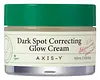
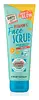
AXIS - Y Dark Spot Correcting Glow Cream Versus Dirty Works Beauty Good To Glow Vitamin C Face Scrub
This brightening moisturizer is formulated around Niacinamide and Alpha-Arbutin to fade the look of dark spots and brighten dull-looking skin.
This smoothing exfoliator is formulated around Salicylic Acid to refine skin texture and brighten dull-looking skin.


What's inside
What's inside
 Key Ingredients
Benefits
Concerns
Ingredients Side-by-side
Water
Skin ConditioningGlycerin
Humectant


Propanediol
Solvent
Niacinamide
Smoothing









Butylene Glycol
Humectant
Alpha-Arbutin
Antioxidant

Caprylic/Capric Triglyceride
Masking
Isohexadecane
EmollientBetaine
Humectant
Ceramide NP
Skin Conditioning
Centella Asiatica Leaf Extract
Skin Conditioning
Adenosine
Skin Conditioning
Sodium Ascorbyl Phosphate
Antioxidant
Glutathione
Squalane
Emollient
Allantoin
Skin Conditioning
Asiaticoside
Antioxidant
Centella Asiatica Extract
Cleansing
Madecassoside
Antioxidant
Houttuynia Cordata Extract
Skin Conditioning
Morus Alba Root Extract
BleachingPhaseolus Radiatus Seed Extract
Skin ConditioningCanavalia Gladiata Seed Extract
Skin ConditioningGlycine Soja Seed Extract
Skin Conditioning
Lens Esculenta Seed Extract
Skin ProtectingCeratonia Siliqua Seed Extract
Skin ConditioningPueraria Lobata Root Extract
HumectantBrassica Oleracea Italica Extract
AstringentTerminalia Ferdinandiana Fruit Extract
Antioxidant
Hippophae Rhamnoides Fruit Extract
Skin Conditioning
Malpighia Glabra Fruit Extract
Skin ConditioningSodium Hyaluronate
Humectant
Hydroxypropyltrimonium Hyaluronate
Sodium Acetylated Hyaluronate
Humectant
Hydrolyzed Hyaluronic Acid
Humectant
Hyaluronic Acid
Humectant
Sodium Hyaluronate Crosspolymer
Humectant
Hydrolyzed Sodium Hyaluronate
Skin Conditioning
Potassium Hyaluronate
Skin ConditioningAcetyl Octapeptide-3
Humectant
Dipeptide-1
Skin Conditioning
Tripeptide-2
Skin Conditioning
Palmitoyl Dipeptide-7
Skin Conditioning
Dipeptide-4
Skin Conditioning
Sh-Oligopeptide-1
Skin Conditioning
1,2-Hexanediol
Skin Conditioning
Glyceryl Stearate
Emollient

Hydrogenated Lecithin
Emulsifying
Acrylates/C10-30 Alkyl Acrylate Crosspolymer
Emulsion StabilisingSorbitan Sesquioleate
Emulsifying
Ethylhexylglycerin
Skin ConditioningHydrogenated Olive Oil Unsaponifiables
Emollient
Xanthan Gum
EmulsifyingHydroxypropyl Cyclodextrin
MaskingLactobacillus Ferment Lysate
Skin Conditioning
Chlorphenesin
Antimicrobial
Sorbitan Stearate
Emulsifying
Stearic Acid
Cleansing
Phytosterols
Skin Conditioning
Arginine
Masking
Disodium EDTA
ChelatingCaprylyl Glycol
Emollient
Melia Azadirachta Flower Extract
Skin ConditioningOcimum Sanctum Leaf Extract
Skin ConditioningMelia Azadirachta Leaf Extract
Skin ConditioningCurcuma Longa Root Extract
Antioxidant
Corallina Officinalis Extract
Skin Conditioning

Polyglyceryl-10 Laurate
Skin Conditioning
Water, Glycerin, Propanediol, Niacinamide, Butylene Glycol, Alpha-Arbutin, Caprylic/Capric Triglyceride, Isohexadecane, Betaine, Ceramide NP, Centella Asiatica Leaf Extract, Adenosine, Sodium Ascorbyl Phosphate, Glutathione, Squalane, Allantoin, Asiaticoside, Centella Asiatica Extract, Madecassoside, Houttuynia Cordata Extract, Morus Alba Root Extract, Phaseolus Radiatus Seed Extract, Canavalia Gladiata Seed Extract, Glycine Soja Seed Extract, Lens Esculenta Seed Extract, Ceratonia Siliqua Seed Extract, Pueraria Lobata Root Extract, Brassica Oleracea Italica Extract, Terminalia Ferdinandiana Fruit Extract, Hippophae Rhamnoides Fruit Extract, Malpighia Glabra Fruit Extract, Sodium Hyaluronate, Hydroxypropyltrimonium Hyaluronate, Sodium Acetylated Hyaluronate, Hydrolyzed Hyaluronic Acid, Hyaluronic Acid, Sodium Hyaluronate Crosspolymer, Hydrolyzed Sodium Hyaluronate, Potassium Hyaluronate, Acetyl Octapeptide-3, Dipeptide-1, Tripeptide-2, Palmitoyl Dipeptide-7, Dipeptide-4, Sh-Oligopeptide-1, 1,2-Hexanediol, Glyceryl Stearate, Hydrogenated Lecithin, Acrylates/C10-30 Alkyl Acrylate Crosspolymer, Sorbitan Sesquioleate, Ethylhexylglycerin, Hydrogenated Olive Oil Unsaponifiables, Xanthan Gum, Hydroxypropyl Cyclodextrin, Lactobacillus Ferment Lysate, Chlorphenesin, Sorbitan Stearate, Stearic Acid, Phytosterols, Arginine, Disodium EDTA, Caprylyl Glycol, Melia Azadirachta Flower Extract, Ocimum Sanctum Leaf Extract, Melia Azadirachta Leaf Extract, Curcuma Longa Root Extract, Corallina Officinalis Extract, Polyglyceryl-10 Laurate
Water
Skin ConditioningAmmonium Lauryl Sulfate
Cleansing


Acrylates Copolymer
Pumice
Abrasive
Cocamidopropyl Betaine
Cleansing
Juglans Regia Shell Powder
Abrasive
Polysorbate 20
Emulsifying
Coco-Glucoside
Cleansing
Parfum
Masking
Sodium Lauroyl Sarcosinate
CleansingGlyceryl Oleate
Emollient
Sodium Chloride
MaskingGlycol Distearate
Emollient
Styrene/Acrylates Copolymer
Menthol
Masking
Salicylic Acid
Masking
Sodium Hydroxide
BufferingSodium Benzoate
Masking
Citric Acid
Buffering
Glycerin
Humectant
Glyceryl Stearate
Emollient
Sorbic Acid
Preservative
Benzoic Acid
Masking
Carica Papaya Fruit Extract
Skin ConditioningLycium Chinense Fruit Extract
Antioxidant
Sodium Ascorbyl Phosphate
Antioxidant
Sodium Hyaluronate
Humectant
Triticum Vulgare Germ Oil
Emollient
Potassium Sorbate
Preservative
Tocopherol
Antioxidant
Benzyl Alcohol
Perfuming
Limonene
Perfuming
Water, Ammonium Lauryl Sulfate, Acrylates Copolymer, Pumice, Cocamidopropyl Betaine, Juglans Regia Shell Powder, Polysorbate 20, Coco-Glucoside, Parfum, Sodium Lauroyl Sarcosinate, Glyceryl Oleate, Sodium Chloride, Glycol Distearate, Styrene/Acrylates Copolymer, Menthol, Salicylic Acid, Sodium Hydroxide, Sodium Benzoate, Citric Acid, Glycerin, Glyceryl Stearate, Sorbic Acid, Benzoic Acid, Carica Papaya Fruit Extract, Lycium Chinense Fruit Extract, Sodium Ascorbyl Phosphate, Sodium Hyaluronate, Triticum Vulgare Germ Oil, Potassium Sorbate, Tocopherol, Benzyl Alcohol, Limonene
Reviews
Ingredients Explained
These ingredients are found in both products.
Ingredients higher up in an ingredient list are typically present in a larger amount.
Glycerin (or glycerol) is a compound naturally found in your skin. It's a powerhouse humectant that pulls water into the stratum corneum.
Topically, glycerin does several things at once:
Your skin makes glycerin on its own (mostly from sebaceous oil breakdown) and shuttles it to your outermost layer of skin, or your epidermis, via aquaporin-3.
Aquaporin-3 is a transporter that is essential for normal skin hydration, elasticity, and repair. Interestingly, mice lacking in AQP3 have dry and less elastic skin that can be fully corrected with glycerin.
This ingredient is non-irritating, plays well with almost every ingredient, and works across all skin types. Typical use is anywhere between 3-10% but can go up to 79% in some leave-on products.
Just know very high concentrations (>40%) can feel tacky in low humidity.
Glycerin is the name for this ingredient in American English. British English uses Glycerol/Glycerine.
Learn more about GlycerinGlyceryl Stearate is made by reacting glycerin with stearic acid (typically sourced from plant oils like palm or coconut). It's an emulsifier, emollient, and mild occlusive.
Emulsifiers help ingredients like oil and water stay mixed so your formula stays nicely blended and uniform in texture.
This ingredient is typically used in concentrations between 1-10%. Studies have found it to be non-sensitizing, non-phototoxic, and non-photoallergenic.
A close cousin of this ingredient is Glyceryl Stearate SE ("self-emulsifying"). This just has a small amount of sodium or potassium stearate added so it can emulsify without a co-emulsifier.
Since this ingredient is an ester of a C18 fatty acid, it may not be fungal acne safe. The Malassezia yeast can potentially metabolize within the C11-C24 range.
Fun fact: The human body also creates Glyceryl Stearate naturally.
Learn more about Glyceryl StearateSodium Ascorbyl Phosphate (SAP) is a water-soluble form of Vitamin C. It is the salt of ascorbic acid.
This ingredient is commonly used in skincare because it's more formulation-stable while still offering the same benefits as pure ascorbic acid. Ascorbic acid is notorious for breaking down when exposed to sunlight and oxygen whereas SAP has been shown to be more stable.
Studies show SAP has anti-acne and antioxidant benefits. One study found 5% of SAP lotion to be an effective ingredient for treating acne vulgaris. This is because research shows that SAP may help control acne by reducing acne-causing bacteria and slowing the oxidation of skin oils caused by UV exposure.
In addition to acne, vitamin C is important for skin structure. Lab studies suggest SAP may support collagen production in skin cells, making it a great ingredient in anti-aging routines.
Vitamin C has many benefits: it helps reduce redness, improve skin texture, fade the appearance of dark spots, and brighten the skin.
Read more about other types of Vitamin C:
Learn more about Sodium Ascorbyl PhosphateSodium Hyaluronate is the salt form of hyaluronic acid. It is a long sugar chain that is naturally found in your skin, joints, and connective tissue that maintains hydration and elasticity.
In skincare, it works as a humectant. It pulls water from the environment and deeper layers of skin and binds it to the surface.
Interestingly, the size of the molecule affects its behavior:
Some clinical evidence links low molecular weight versions to improved wrinkle depth, elasticity, anti-inflammatory effects, and barrier repair.
Many serums use a blend of both weights so you can get surface hydration plus longer-lasting and deeper effects.
You'll typically see concentrations between 0.1-2% for this ingredient.
Learn more about Sodium HyaluronateWater. It's the most common cosmetic ingredient of all. You'll usually see it at the top of ingredient lists, meaning that it makes up the largest part of the product.
So why is it so popular? Water most often acts as a solvent - this means that it helps dissolve other ingredients into the formulation.
You'll also recognize water as that liquid we all need to stay alive. If you see this, drink a glass of water. Remember to stay hydrated!
Learn more about Water

