Attirance Ultra Repair Hydrating Serum Versus Herbivore Milky Way 10% AHA + Oat Soothing Exfoliating Serum
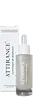
This hydrating serum is formulated around Gluconolactone and Sodium Hyaluronate to hydrate skin and strengthen the skin barrier.
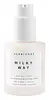
This smoothing serum is formulated around Lactic Acid and Glycolic Acid to refine skin texture and calm redness.


What's inside
What's inside
 Key Ingredients
Benefits
Concerns
Ingredients Side-by-side
Water
Skin ConditioningPentylene Glycol
Skin Conditioning
Ethoxydiglycol
HumectantPPG-26-Buteth-26
Skin ConditioningEuglena Gracilis Extract
Skin ConditioningGluconolactone
Chelating







Tocopherol
Antioxidant




Tocopheryl Acetate
Antioxidant
Sodium Ascorbyl Phosphate
Antioxidant
Sodium Hyaluronate
Humectant
Ascorbyl Palmitate
Antioxidant

Hydrolyzed Sodium Hyaluronate
Skin Conditioning
Urea
Buffering
Fructose
Humectant
Sodium PCA
Humectant
Hydrolyzed Wheat Protein
Skin ConditioningPhytosphingosine
Skin Conditioning
Sorbitol
Humectant
Glucose
Humectant
Meteorite Powder
Skin ConditioningGlycolic Acid
Buffering


Lactic Acid
Buffering
Malic Acid
Buffering
Tartaric Acid
Buffering
Resveratrol
Antioxidant
Phenoxyethanol
Preservative
PEG-40 Hydrogenated Castor Oil
Emulsifying
Aminomethyl Propanol
BufferingAcrylates/C10-30 Alkyl Acrylate Crosspolymer
Emulsion StabilisingTrideceth-9
EmulsifyingPEG-5 Ethylhexanoate
EmulsifyingSodium Polyacrylate
Absorbent
Trisodium Ethylenediamine Disuccinate
ChelatingEthylhexylglycerin
Skin ConditioningHdi/Trimethylol Hexyllactone Crosspolymer
Synthetic Fluorphlogopite
Parfum
Masking

PEG-8
HumectantGlycerin
Humectant
Titanium Dioxide
Cosmetic Colorant

Propylene Glycol
Humectant
Sodium Lauroyl Lactylate
EmulsifyingAlpha-Isomethyl Ionone
Perfuming
Tin Oxide
Abrasive
Citric Acid
Buffering
Ascorbic Acid
Antioxidant
Ceramide NP
Skin Conditioning
Sodium Glutamate
MaskingCeramide AP
Skin Conditioning
Xanthan Gum
EmulsifyingCarbomer
Emulsion StabilisingSodium Hydroxide
BufferingPotassium Hydroxide
BufferingCeramide EOP
Skin Conditioning
Potassium Cetyl Phosphate
EmulsifyingWater, Pentylene Glycol, Ethoxydiglycol, PPG-26-Buteth-26, Euglena Gracilis Extract, Gluconolactone, Tocopherol, Tocopheryl Acetate, Sodium Ascorbyl Phosphate, Sodium Hyaluronate, Ascorbyl Palmitate, Hydrolyzed Sodium Hyaluronate, Urea, Fructose, Sodium PCA, Hydrolyzed Wheat Protein, Phytosphingosine, Sorbitol, Glucose, Meteorite Powder, Glycolic Acid, Lactic Acid, Malic Acid, Tartaric Acid, Resveratrol, Phenoxyethanol, PEG-40 Hydrogenated Castor Oil, Aminomethyl Propanol, Acrylates/C10-30 Alkyl Acrylate Crosspolymer, Trideceth-9, PEG-5 Ethylhexanoate, Sodium Polyacrylate, Trisodium Ethylenediamine Disuccinate, Ethylhexylglycerin, Hdi/Trimethylol Hexyllactone Crosspolymer, Synthetic Fluorphlogopite, Parfum, PEG-8, Glycerin, Titanium Dioxide, Propylene Glycol, Sodium Lauroyl Lactylate, Alpha-Isomethyl Ionone, Tin Oxide, Citric Acid, Ascorbic Acid, Ceramide NP, Sodium Glutamate, Ceramide AP, Xanthan Gum, Carbomer, Sodium Hydroxide, Potassium Hydroxide, Ceramide EOP, Potassium Cetyl Phosphate
Water
Skin ConditioningPropanediol
Solvent
Simmondsia Chinensis Seed Oil
Emollient
Sodium Hydroxide
BufferingLactic Acid
Buffering
Glycolic Acid
Buffering
Gluconolactone
Chelating
Cetearyl Olivate
Sorbitan Olivate
Emulsifying
Octyldodecanol
Emollient
Glycerin
Humectant
Malic Acid
Buffering
Tartaric Acid
Buffering
Citric Acid
Buffering
Squalane
Emollient
Avena Sativa Kernel Extract
Abrasive
Ceramide NP
Skin Conditioning
Ceramide AP
Skin Conditioning
Microcitrus Australasica Fruit Extract
Tremella Fuciformis Sporocarp Extract
Antioxidant
Hyaluronic Acid
Humectant
1,2-Hexanediol
Skin Conditioning
Xanthan Gum
EmulsifyingDiheptyl Succinate
EmollientCapryloyl Glycerin/Sebacic Acid Copolymer
Skin ConditioningOryza Sativa Bran Extract
Skin Conditioning
Sclerotium Gum
Emulsion StabilisingLecithin
Emollient
Pullulan
Caprylhydroxamic Acid
ChelatingTrisodium Ethylenediamine Disuccinate
ChelatingHelianthus Annuus Seed Oil
Emollient
Triethyl Citrate
Masking
Rosmarinus Officinalis Leaf Extract
AntimicrobialTocopherol
Antioxidant
Silica
Abrasive
2,3-Butanediol
HumectantGlyceryl Stearate
Emollient
Prunus Amygdalus Dulcis Oil
Skin Conditioning
Sodium Lactate
Buffering
Hydrogenated Lecithin
Emulsifying
Gamma-Octalactone
Perfuming
Vanillin
Masking
Glyceryl Caprylate
EmollientIsoamyl Acetate
SolventBenzaldehyde
Masking
Anisaldehyde
Masking
Maltol
MaskingPhytosphingosine
Skin Conditioning
Ethylhexylglycerin
Skin ConditioningDimethylhydroxy Furanone
MaskingWater, Propanediol, Simmondsia Chinensis Seed Oil, Sodium Hydroxide, Lactic Acid, Glycolic Acid, Gluconolactone, Cetearyl Olivate, Sorbitan Olivate, Octyldodecanol, Glycerin, Malic Acid, Tartaric Acid, Citric Acid, Squalane, Avena Sativa Kernel Extract, Ceramide NP, Ceramide AP, Microcitrus Australasica Fruit Extract, Tremella Fuciformis Sporocarp Extract, Hyaluronic Acid, 1,2-Hexanediol, Xanthan Gum, Diheptyl Succinate, Capryloyl Glycerin/Sebacic Acid Copolymer, Oryza Sativa Bran Extract, Sclerotium Gum, Lecithin, Pullulan, Caprylhydroxamic Acid, Trisodium Ethylenediamine Disuccinate, Helianthus Annuus Seed Oil, Triethyl Citrate, Rosmarinus Officinalis Leaf Extract, Tocopherol, Silica, 2,3-Butanediol, Glyceryl Stearate, Prunus Amygdalus Dulcis Oil, Sodium Lactate, Hydrogenated Lecithin, Gamma-Octalactone, Vanillin, Glyceryl Caprylate, Isoamyl Acetate, Benzaldehyde, Anisaldehyde, Maltol, Phytosphingosine, Ethylhexylglycerin, Dimethylhydroxy Furanone
Ingredients Explained
These ingredients are found in both products.
Ingredients higher up in an ingredient list are typically present in a larger amount.
Ceramide AP is is a skin-identical lipid that mimics what your skin already makes naturally. Ceramides help maintain epidermal integrity and barrier function.
You'll often see this ingredient paired with other ceramides (like ceramide NP), cholesterol, or fatty acids because this combination best mimics the natural lipid mix your skin already has.
The skin's ability to produce ceramides gets disrupted in skin conditions like eczema. This in turn weakens the skin barrier and applying ceramides topically has been shown to replenish what's been lost to restore barrier function.
Most of the studies with Ceramide AP test it as part of a multi-ceramide complex; studies reinforce ceramide AP's role in rebalancing ceramides in skin and improving skin hydration.
Learn more about Ceramide APCeramide NP (formerly known as Ceramide 3) is one of the skin's naturally occurring lipids.
Since ceramides are the major lipid components of the skin, they are crucial for maintaining skin barrier and hydration. Ceramide NP most closely mirrors the dominant kind in human skin amongst ceramide subtypes.
This ceramide works by slotting into gaps within the stratum corneum's lipid matrix to limit trans-epidermal water loss (TEWL) and shield the skin against external irritants.
A study with 312 patients found that using a ceramide-containing routine for 4 weeks reduced the severity of atopic dermatitis by over 61%.
Another clinical study in subjects aged 60 and older found that a ceramide body wash and moisturizer improved skin dryness and itchy skin in 15 days.
Overall, ceramides are considered non-irritating and safety tests have found little to no observable adverse effects from using this ingredient.
Ceramide NP is usually sourced from plants (like soybean or rice bran), or produced synthetically.
Learn more about Ceramide NPCitric Acid is an alpha hydroxy acid (AHA) naturally found in citrus fruits like oranges, lemons, and limes.
Like other AHAs, citric acid can exfoliate skin by breaking down the bonds that hold dead skin cells together. This helps reveal smoother and brighter skin underneath.
However, this exfoliating effect only happens at high concentrations (20%) which can be hard to find in cosmetic products.
Due to this, citric acid is usually included in small amounts as a pH adjuster. This helps keep products slightly more acidic and compatible with skin's natural pH.
In skincare formulas, citric acid can:
While it can provide some skin benefits, research shows lactic acid and glycolic acid are generally more effective and less irritating exfoliants.
Most citric acid used in skincare today is made by fermenting sugars (usually from molasses). This synthetic version is identical to the natural citrus form but easier to stabilize and use in formulations.
Rosacea skin has a lower threshold for acids generally, with 62.5% of rosacea subjects in one study reacting to lactic acid in a sting test. This is why we mark citric acid as a potential rosacea trigger.
However, this ingredient shows up as a pH adjuster or chelator at roughly 0.1-1% in many products. These low levels are unlikely to be an issue for rosacea skin and becomes a potential trigger at exfoliating concentrations (20%). Because everybody's skin is unique, we recommend a patch test if you are unsure.
Learn more about Citric AcidEthylhexylglycerin is created from glycerin. It is a multitasker ingredient that:
The CIR Expert Panel found minimal skin absorption or sensitization of any kind in a safety assessment. Though this ingredient is considered well-tolerated, a small number of cases of allergic dermatitis have been published since 2002. Just be sure to patch test if you are unsure.
Industry-reported use ranges from 8% in rinse-off products and 2% in leave-on formulations.
Learn more about EthylhexylglycerinGluconolactone is a PHA. PHAs are a great gentle alternative to traditional AHAs.
When applied, Gluconolactone has the same affect on skin as AHAs such as lactic acid. It helps dissolve the dead skin cells in the top layer of your skin. This improves texture and brightens the skin.
PHAs are more gentle than AHAs due to their larger structure. They do not penetrate as deeply as AHAs and take a longer time to dissolve dead cells. Studies show PHAs do not cause as much irritation.
Gluconolactone has some interesting properties:
In a 2004 study, Gluconolactone was found to prevent UV damage in mouse skin cells and has not been found to increase sun sensitivity. However, we still recommend wearing SPF daily.
This ingredient is is an created by reacting gluconic acid with an alcohol.
Learn more about GluconolactoneGlycerin (or glycerol) is a compound naturally found in your skin. It's a powerhouse humectant that pulls water into the stratum corneum.
Topically, glycerin does several things at once:
Your skin makes glycerin on its own (mostly from sebaceous oil breakdown) and shuttles it to your outermost layer of skin, or your epidermis, via aquaporin-3.
Aquaporin-3 is a transporter that is essential for normal skin hydration, elasticity, and repair. Interestingly, mice lacking in AQP3 have dry and less elastic skin that can be fully corrected with glycerin.
This ingredient is non-irritating, plays well with almost every ingredient, and works across all skin types. Typical use is anywhere between 3-10% but can go up to 79% in some leave-on products.
Just know very high concentrations (>40%) can feel tacky in low humidity.
Glycerin is the name for this ingredient in American English. British English uses Glycerol/Glycerine.
Learn more about GlycerinGlycolic Acid is arguably the most famous alpha hydroxy acid (AHA) with tons of research backing its benefits.
It is found naturally in sugar cane but the form used in skincare is usually synthetic for purity and stability.
Glycolic acid removes the top layer of dead skin cells to allow newer and fresher ones to emerge.
AHAs work by breaking down the structural “glue” that holds old skin cells in place. When that buildup is gone, your skin can renew itself more efficiently.
Research also shows glycolic acid stimulates collagen production, helping to firm and thicken the skin over time. This is one of its biggest advantages over other AHAs.
Overall, glycolic acid helps with:
Fun fact: Glycolic acid boosts skin hydration by helping it produce molecules that increase hyaluronic acid naturally.
To work best, glycolic acid products should have a pH between 3-4 (that’s where exfoliation is most effective but still gentle on skin).
The pH and concentration of a product are key to its effectiveness:
It is normal to feel a slight stinging sensation when using glycolic acid. This usually fades as your skin adjusts.
Because glycolic acid has the smallest molecular size in the AHA family, it can penetrate deeper, which enhances its effectiveness but also makes it more likely to irritate sensitive skin.
If your skin is very sensitive or prone to rosacea, glycolic acid may be too strong; in that case, try milder options like lactic acid or a PHA instead.
Recent studies suggest glycolic acid might even help protect against UV damage. But don’t skip sunscreen! Freshly exfoliated skin is more sensitive to the sun.
Glycolic acid is a skincare superstar. It smooths, brightens, hydrates, and firms the skin. Unless you’re highly sensitive, it’s well worth adding to your routine.
Read more about some other popular AHA's here:
Learn more about Glycolic AcidLactic Acid is another well-loved alpha hydroxy acid (AHA). It is gentler than glycolic acid but still highly effective.
Its main role is to exfoliate the surface of the skin by loosening the “glue” that holds dead skin cells together. Shedding those old cells leads to smoother, softer, and more even-toned skin.
Because lactic acid molecules are larger than glycolic acid, they don’t penetrate as deeply. This means they’re less likely to sting or irritate, making it a great choice for beginners or those with sensitive skin.
Like glycolic acid, it can:
Lactic acid also acts as a humectant (like hyaluronic acid). It can draw water into the skin to improve hydration and also plays a role in the skin's natural moisturizing factor (NMF) in the form of sodium lactate.
Studies show it can boost ceramide production to strengthen the skin barrier and even help balance the skin’s microbiome.
To get results, choose products with a pH between 3-4.
Lower strengths (5-12%) focus on surface exfoliation; higher strengths (12% and up) can reach deeper in the dermis (deeper, supportive layer) to improve skin texture and firmness over time.
Though it was originally derived from milk, most modern lactic acid used in skincare is vegan. It is made through non-dairy fermentation to create a bio-identical and stable form suitable for all formulations.
When lactic acid shows up near the end of an ingredient list, it usually means the brand added just a tiny amount to adjust the product’s pH.
Legend has it that Cleopatra used to bathe in sour milk to help reduce wrinkles.
Lactic acid is truly a gentle multitasker: it exfoliates, hydrates, strengthens, and brightens. It's a great ingredient for giving your skin a smooth, glowing, and healthy look without the harshness of stronger acids.
Read more about some other popular AHA's here:
Learn more about Lactic AcidMalic Acid is an acid with both AHA and BHA properties, but is considered an AHA because its AHA properties are stronger.
It can be naturally found in unripe fruit and especially apples (its name from the latin word "malum", meaning apple!).
Like other AHAs, malic acid gently removes the top layer of dead skin cells to reveal smoother, brighter skin underneath.
Though it’s considered milder and less potent than glycolic or lactic acid, it can help improve:
Due to its larger molecular structure, it penetrates the skin more slowly and is often used in combination with other AHAs to enhance their overall effectiveness.
Malic acid often plays a role in balancing a product’s pH and is usually included in small amounts (around 1-2%) as a supporting exfoliant.
As with all exfoliating acids, you should wear sunscreen daily when using malic acid to protect your newly resurfaced skin.
Fun fact: Malic acid is the compound responsible for the tart flavor of apples and other sour fruits.
While research on malic acid is limited compared to glycolic or lactic acid, it’s still a safe and mild exfoliant.
Read more about some other popular AHA's here:
Learn more about Malic AcidPhytosphingosine is a phospholipid naturally found in our skin as a building block for ceramides.. It helps moisturize, soothe, and protect skin.
Phytosphingosine contributes to your skin's natural moisturizing factor (NMF). The NMF is responsible for hydration, a strong barrier, and plasticity. Our NMF decreases with age. Increasing NMF leads to more healthy and hydrated skin.
Studies show products formulated with NMF ingredients help strengthen our skin's barrier. Having a healthy skin barrier reduces irritation and increases hydration. Our skin barrier is responsible for having plump and firm skin. It also helps protect our skin against infection, allergies, and inflammation.
Fun fact: Phytosphingosine is abundant in plants and fungi.
More ingredients that help boost collagen in skin:
Learn more about PhytosphingosineSodium Hydroxide is also known as lye or caustic soda. It is used to adjust the pH of products; many ingredients require a specific pH to be effective.
In small amounts, sodium hydroxide is considered safe to use. However, large amounts may cause chemical burns due to its high alkaline.
Your skin has a natural pH and acid mantle. This acid mantle helps prevent harmful bacteria from breaking through. The acid mantle also helps keep your skin hydrated.
"Alkaline" refers to a high pH level. A low pH level would be considered acidic.
Learn more about Sodium HydroxideTartaric acid is an AHA with exfoliating and antioxidant properties. It is found in many fruits, such as tamarind, grapes, bananas, and avocados.
AHAs provide chemical exfoliation, helping to improve skin tone and texture.
Tartaric acid is not as well studied as other AHAs, such as glycolic acid.
Learn more about Tartaric AcidTocopherol is a fat-soluble antioxidant known as Vitamin E.
You'll find this ingredient in the vast majority of skincare (for good reason). It works to neutralize free radicals, or unstable molecules generated by UV exposure, pollution, and other environmental stressors, before they can cause oxidative damage to your skin cells.
Topically applied tocopherol has been shown to protect against UV damage by ramping up the skin's own natural defense enzymes.
It also acts as a skin conditioning agent; some studies show that regular topical use can improve the skin's water-binding capacity over 2-4 weeks.
This ingredient is especially loved for being a team player. When combined with Vitamin C, the photoprotective effect of both ingredients roughly doubles and the combo also helps reduce UV-induced DNA damage.
This ingredient has some brightening potential but it's more of a prevention ingredient than spot-fader. Cell studies show it can slow down melanin production but it's worth noting that it's not the most powerful brightener out there.
In formulations, it also serves as a stabilizer that helps protect other oxidation-prone ingredients from degrading.
Concentrations usually range from 0.1-1% in most leave-on products.
Learn more about TocopherolTrisodium Ethylenediamine Disuccinate is used to help stabilize a product.
It is a chelating agent, meaning it helps prevent metal ions from binding to other ingredients. This prevents unwanted reactions in products. Metal ions can come into a product via the water ingredient. They are found in trace amounts and are not known to be harmful.
Water. It's the most common cosmetic ingredient of all. You'll usually see it at the top of ingredient lists, meaning that it makes up the largest part of the product.
So why is it so popular? Water most often acts as a solvent - this means that it helps dissolve other ingredients into the formulation.
You'll also recognize water as that liquid we all need to stay alive. If you see this, drink a glass of water. Remember to stay hydrated!
Learn more about WaterXanthan gum is used as a stabilizer and thickener within cosmetic products. It helps give products a sticky, thick feeling - preventing them from being too runny.
On the technical side of things, xanthan gum is a polysaccharide - a combination consisting of multiple sugar molecules bonded together.
Xanthan gum is a pretty common and great ingredient. It is a natural, non-toxic, non-irritating ingredient that is also commonly used in food products.
Learn more about Xanthan Gum

