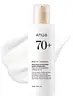
This barrier-repair moisturizer is formulated around Niacinamide and Ceramide NP to strengthen the skin barrier and hydrate skin.
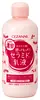
This hydrating emulsion is formulated around Ceramide AP and Ceramide NP to hydrate skin and strengthen the skin barrier.


What's inside
What's inside
 Key Ingredients
Benefits
Concerns
Ingredients Side-by-side
Oryza Sativa Bran Water
Masking
Hydrogenated Poly(C6-14 Olefin)
EmollientButylene Glycol
Humectant

Glycerin
Humectant
Niacinamide
Smoothing









Limnanthes Alba Seed Oil
Skin Conditioning


Phytosteryl/Octyldodecyl Lauroyl Glutamate
Skin Conditioning1,2-Hexanediol
Skin Conditioning
Diglycerin
Humectant
Cetyl Ethylhexanoate
EmollientWater
Skin ConditioningPhytosteryl/Isostearyl/Cetyl/Stearyl/Behenyl Dimer Dilinoleate
Skin Conditioning
Glyceryl Stearate
Emollient
Cocos Nucifera Oil
Masking



Vinyldimethicone

Behenyl Alcohol
Emollient
Oryza Sativa Extract
Absorbent
Polysorbate 20
Emulsifying
Cetearyl Alcohol
Emollient
Arginine
Masking
Hydroxyacetophenone
Antioxidant
Hydrogenated Lecithin
Emulsifying
Ethylhexylglycerin
Skin ConditioningAcrylates/C10-30 Alkyl Acrylate Crosspolymer
Emulsion StabilisingHydroxyethyl Acrylate/Sodium Acryloyldimethyl Taurate Copolymer
Emulsion StabilisingGlyceryl Stearate Se
Emulsifying
Xanthan Gum
EmulsifyingAdenosine
Skin Conditioning
Carbomer
Emulsion StabilisingCholesterol
Emollient
Dipropylene Glycol
HumectantCeramide NP
Skin Conditioning
Sorbitan Isostearate
Emulsifying
Lactobacillus Ferment Filtrate
Skin ConditioningSqualane
Emollient
Allantoin
Skin Conditioning
Oryza Sativa Seed Protein
Antioxidant
Hydrolyzed Rice Protein
Skin ConditioningTocopherol
Antioxidant
Ectoin
Skin Conditioning
Phytosphingosine
Skin Conditioning
Palmitic Acid
Emollient
Stearic Acid
Cleansing
Sodium Hyaluronate
Humectant
Ceramide As
Skin Conditioning
Ceramide AP
Skin Conditioning
Ceramide Ns
Skin Conditioning
Hydrolyzed Hyaluronic Acid
Humectant
Sodium Acetylated Hyaluronate
Humectant
Oryza Sativa Bran Oil
Emollient
Ceramide EOP
Skin Conditioning
Oryza Sativa Bran Water, Hydrogenated Poly(C6-14 Olefin), Butylene Glycol, Glycerin, Niacinamide, Limnanthes Alba Seed Oil, Phytosteryl/Octyldodecyl Lauroyl Glutamate, 1,2-Hexanediol, Diglycerin, Cetyl Ethylhexanoate, Water, Phytosteryl/Isostearyl/Cetyl/Stearyl/Behenyl Dimer Dilinoleate, Glyceryl Stearate, Cocos Nucifera Oil, Vinyldimethicone, Behenyl Alcohol, Oryza Sativa Extract, Polysorbate 20, Cetearyl Alcohol, Arginine, Hydroxyacetophenone, Hydrogenated Lecithin, Ethylhexylglycerin, Acrylates/C10-30 Alkyl Acrylate Crosspolymer, Hydroxyethyl Acrylate/Sodium Acryloyldimethyl Taurate Copolymer, Glyceryl Stearate Se, Xanthan Gum, Adenosine, Carbomer, Cholesterol, Dipropylene Glycol, Ceramide NP, Sorbitan Isostearate, Lactobacillus Ferment Filtrate, Squalane, Allantoin, Oryza Sativa Seed Protein, Hydrolyzed Rice Protein, Tocopherol, Ectoin, Phytosphingosine, Palmitic Acid, Stearic Acid, Sodium Hyaluronate, Ceramide As, Ceramide AP, Ceramide Ns, Hydrolyzed Hyaluronic Acid, Sodium Acetylated Hyaluronate, Oryza Sativa Bran Oil, Ceramide EOP
Water
Skin ConditioningGlycerin
Humectant
Paraffinum Liquidum
Emollient
Butylene Glycol
Humectant
Coix Lacryma-Jobi Ma-Yuen Seed Extract
Skin ConditioningCeramide AP
Skin Conditioning
Ceramide NP
Skin Conditioning
Ceramide EOP
Skin Conditioning
Citrus Junos Fruit Extract
Skin ConditioningPhytosphingosine
Skin Conditioning
Sodium Hyaluronate
Humectant
Sodium Acetylated Hyaluronate
Humectant
Hydrolyzed Hyaluronic Acid
Humectant
Succinoyl Atelocollagen
Skin Conditioning
Glycine Soja Seed Extract
Skin Conditioning
Glutamic Acid
Humectant
Aloe Barbadensis Leaf Extract
Emollient
Citrus Limon Fruit Extract
Masking
Rosmarinus Officinalis Leaf Extract
AntimicrobialHumulus Lupulus Extract
AntimicrobialPinus Sylvestris Cone Extract
Masking
Equisetum Arvense Extract
AstringentSodium PCA
Humectant
Serine
Masking
Lysine
Skin ConditioningGlycine
Buffering
Alanine
Masking
Arginine
Masking
Threonine
Proline
Skin Conditioning
Betaine
Humectant
Allantoin
Skin Conditioning
Sorbitol
Humectant
Hydrolyzed Collagen
Emollient
Soluble Proteoglycan
Skin ConditioningCholesterol
Emollient
Disodium EDTA
ChelatingXanthan Gum
EmulsifyingSodium Lauroyl Lactylate
EmulsifyingCarbomer
Emulsion StabilisingPEG-15 Glyceryl Stearate
Emulsifying
Glyceryl Stearate Se
Emulsifying
Sorbitan Stearate
Emulsifying
Dimethicone
Emollient
Stearic Acid
Cleansing
Behenyl Alcohol
Emollient
Phytosteryl/Octyldodecyl Lauroyl Glutamate
Skin ConditioningPotassium Hydroxide
BufferingSodium Acrylate/Sodium Acryloyldimethyl Taurate Copolymer
Emulsion StabilisingPolyglyceryl-10 Eicosanedioate/Tetradecanedioate
Skin ConditioningTocopheryl Acetate
Antioxidant
Isohexadecane
EmollientPolysorbate 80
Emulsifying
Hydrogenated Lecithin
Emulsifying
Methylparaben
Preservative


Propylparaben
Preservative
Water, Glycerin, Paraffinum Liquidum, Butylene Glycol, Coix Lacryma-Jobi Ma-Yuen Seed Extract, Ceramide AP, Ceramide NP, Ceramide EOP, Citrus Junos Fruit Extract, Phytosphingosine, Sodium Hyaluronate, Sodium Acetylated Hyaluronate, Hydrolyzed Hyaluronic Acid, Succinoyl Atelocollagen, Glycine Soja Seed Extract, Glutamic Acid, Aloe Barbadensis Leaf Extract, Citrus Limon Fruit Extract, Rosmarinus Officinalis Leaf Extract, Humulus Lupulus Extract, Pinus Sylvestris Cone Extract, Equisetum Arvense Extract, Sodium PCA, Serine, Lysine, Glycine, Alanine, Arginine, Threonine, Proline, Betaine, Allantoin, Sorbitol, Hydrolyzed Collagen, Soluble Proteoglycan, Cholesterol, Disodium EDTA, Xanthan Gum, Sodium Lauroyl Lactylate, Carbomer, PEG-15 Glyceryl Stearate, Glyceryl Stearate Se, Sorbitan Stearate, Dimethicone, Stearic Acid, Behenyl Alcohol, Phytosteryl/Octyldodecyl Lauroyl Glutamate, Potassium Hydroxide, Sodium Acrylate/Sodium Acryloyldimethyl Taurate Copolymer, Polyglyceryl-10 Eicosanedioate/Tetradecanedioate, Tocopheryl Acetate, Isohexadecane, Polysorbate 80, Hydrogenated Lecithin, Methylparaben, Propylparaben
Reviews
Ingredients Explained
These ingredients are found in both products.
Ingredients higher up in an ingredient list are typically present in a larger amount.
Allantoin is a soothing ingredient known for its protective and moisturizing properties; it's basically a quiet workhorse ingredient you can find in a huge range of cosmetics.
Though it can be derived from the comfrey plant, allantoin is produced synthetically for cosmetic products to ensure purity.
Research shows it can encourage your skin cells to turn over and renew by stimulating keratinocyte and fibroblast proliferation.
It also has mild keratolytic properties to help loosen and shed dead skin cells without being harsh.
Studies also suggest allantoin can help calm inflammation by dialing down some of the chemical signals your skin sends out when it is irritated.
This ingredient is typically used in the 0.1-0.5% range, and the FDA recognizes it as a skin protectant in OTC products up to 2%.
Overall, allantoin is a wonderful addition to most routines; it is stable across a wide pH range (~4-8), works well with other ingredients, and is considered non-sensitizing/non-irritating.
Fun fact: Allantoin is naturally occurring in comfrey root, beets, chamomile, and wheat sprouts. Our bodies even produce it as a byproduct of uric acid metabolism.
Learn more about AllantoinArginine is a semi-essential amino acid. This just means our bodies can product a bit on its own, but sometimes needs a little boost from food sources.
It is a part of your skin's natural moisturizing factor (NMF), or the water-loving molecules in your outermost layer of skin (stratum corneum) that keeps everything hydrated and happy.
Here's an interesting thing about Arginine: your skin converts it into urea through the Krebs-Henseleit urea cycle. Urea is one of the most effective humectants your skin naturally produces.
A clinical study showed applying 2.5% arginine hydrochloride to atopic dermatitis skin showed significant urea levels in the stratum corneum and improved moisture in just four weeks.
Arginine is also a precursor to nitric oxide; nitric oxide improves microcirculation and supports wound healing and collagen synthesis.
One study found that an amino acid complex containing Arginine reduced skin irritation, improved hydration, and accelerated skin repair in clinical / in-vivo studies.
Arginine itself is an amino acid and not a fatty acid, oil, or ester. On its own, it's not a direct food source for Malassezia, or the yeast that causes fungal acne.
Learn more about ArginineBehenyl Alcohol is a type of fatty alcohol (these are different from the drying, solvent alcohols).
Fatty Alcohols have hydrating properties and are most often used as an emollient or to thicken a product. They are usually derived from natural fats and oils; behenyl alcohol is derived from the fats of vegetable oils.
Emollients help keep your skin soft and hydrated by creating a film that traps moisture in.
In 2000, Behenyl Alcohol was approved by the US as medicine to reduce the duration of cold sores.
Learn more about Behenyl AlcoholButylene Glycol (or BG) is used within cosmetic products for a few different reasons:
Overall, Butylene Glycol is a safe and well-rounded ingredient that works well with other ingredients.
Though this ingredient works well with most skin types, some people with sensitive skin may experience a reaction such as allergic rashes, closed comedones, or itchiness.
Learn more about Butylene GlycolCarbomer is a synthetic thickening and gelling agent. It's basically the ingredient that gives a lot of serums, gels, creams, and sunscreens their smooth, non-sticky texture.
Although legally permitted at very high levels, carbomers are normally used at concentrations below 1%.
It also needs to be neutralized to actually thicken, and because it is a large molecule, it doesn't really penetrate the skin barrier.
Allergy-wise, the risk is very low. Clinical studies show carbomers have low potential for skin irritation/sensitization even at concentrations up to 100%.
A 2024 UK study patch-tested 1,302 patients and found true allergy to the parent group of carbomer to be rare with no confirmed relevant reactions.
Learn more about CarbomerCeramide AP is is a skin-identical lipid that mimics what your skin already makes naturally. Ceramides help maintain epidermal integrity and barrier function.
You'll often see this ingredient paired with other ceramides (like ceramide NP), cholesterol, or fatty acids because this combination best mimics the natural lipid mix your skin already has.
The skin's ability to produce ceramides gets disrupted in skin conditions like eczema. This in turn weakens the skin barrier and applying ceramides topically has been shown to replenish what's been lost to restore barrier function.
Most of the studies with Ceramide AP test it as part of a multi-ceramide complex; studies reinforce ceramide AP's role in rebalancing ceramides in skin and improving skin hydration.
Learn more about Ceramide APCeramide EOP is formally known as Ceramide 1.
It is naturally found in skin and part of the intercellular "mortar" holding everything together in your outermost layer.
EOP stands for a linked Ester fatty acid, a linked Omega hydroxy fatty acid, and the Phytosphingosine base.
What makes Ceramide EOP special is its ultra-long fatty acid chain; this unique structure allows it to bridge the lipid layers in your skin barrier to prevent water loss (something no other ceramide can do).
Low levels of Ceramide EOP have been found in people with eczema and psoriasis.
Using it together with other ceramides, cholesterol, and linoleic acid have been shown to meaningfully improve hydration and reduce water loss.
In one clinical study, a regimen using Ceramide EOP, NP, and AP led to significant symptom improvements in patients with eczema, psoriasis, and dry skin in just 4 weeks.
You'll usually see concentrations between 0.1-0.5% in formulations. Overall, this is a well-tolerated and safe ingredient for cosmetic use.
Learn more about Ceramide EOPCeramide NP (formerly known as Ceramide 3) is one of the skin's naturally occurring lipids.
Since ceramides are the major lipid components of the skin, they are crucial for maintaining skin barrier and hydration. Ceramide NP most closely mirrors the dominant kind in human skin amongst ceramide subtypes.
This ceramide works by slotting into gaps within the stratum corneum's lipid matrix to limit trans-epidermal water loss (TEWL) and shield the skin against external irritants.
A study with 312 patients found that using a ceramide-containing routine for 4 weeks reduced the severity of atopic dermatitis by over 61%.
Another clinical study in subjects aged 60 and older found that a ceramide body wash and moisturizer improved skin dryness and itchy skin in 15 days.
Overall, ceramides are considered non-irritating and safety tests have found little to no observable adverse effects from using this ingredient.
Ceramide NP is usually sourced from plants (like soybean or rice bran), or produced synthetically.
Learn more about Ceramide NPCholesterol is a lipid that is naturally found in human skin and is one of the three key components of your skin barrier. In skincare, it is an emollient and barrier-repairing ingredient.
It works by fitting directly into the lipid layers of skin to help restore structure and reduce transepidermal water loss (TEWL).
This is a great ingredient for dry, compromised, or aging skin; our skin starts to produce less cholesterol with age.
Research shows cholesterol works best in combination with ceramides and fatty acids, the other two major components in your skin barrier.
Cholesterol is also a well-establish penetration enhancer and can help other actives absorb more effectively.
Cosmetic-grade cholesterol is usually derived from lanolin but plant and synthetic options also exist. We recommend reaching out to the brand if you have questions about their source of cholesterol.
Learn more about CholesterolGlycerin (or glycerol) is a compound naturally found in your skin. It's a powerhouse humectant that pulls water into the stratum corneum.
Topically, glycerin does several things at once:
Your skin makes glycerin on its own (mostly from sebaceous oil breakdown) and shuttles it to your outermost layer of skin, or your epidermis, via aquaporin-3.
Aquaporin-3 is a transporter that is essential for normal skin hydration, elasticity, and repair. Interestingly, mice lacking in AQP3 have dry and less elastic skin that can be fully corrected with glycerin.
This ingredient is non-irritating, plays well with almost every ingredient, and works across all skin types. Typical use is anywhere between 3-10% but can go up to 79% in some leave-on products.
Just know very high concentrations (>40%) can feel tacky in low humidity.
Glycerin is the name for this ingredient in American English. British English uses Glycerol/Glycerine.
Learn more about GlycerinGlyceryl Stearate SE is a self-emulsifying (SE) form of Glyceryl Stearate. It comes with a small amount of soap (usually potassium or sodium stearate) that gives it the "SE" part.
That soap lets it pull oil and water together on its own which is why it shows up as an emulsifier, thickener, and emollient.
Industry survey data shows this ingredient is used around 1-5% but Glyceryl Stearate goes as high at 17% in a leave-on deodorant.
Safety-wise, it's pretty boring: it's been deemed safe for topical use in 1982 and again most recently in 2021 by the CIR. Human repeat insult patch tests come back non-irritating, non-sensitizing, non-phototoxic, and non-photoallergenic.
This ingredient does carry a comedogenic rating of 3 from the old rabbit-ear assay. Just remember testing finished products in humans showed that formulas built with "comedogenic" ingredients are not necessarily comedogenic themselves. It's worth patch testing if you're breakout prone, and always listen to your skin.
The Malassezia yeast can potentially metabolize the stearic acid in this ingredient, so it may not be fungal acne safe.
Allergy is rare: a 310-patient patch test study of common emulsifiers found this ingredient was not a meaningful reactor. Isolated case reports do exist so a true contact allergy is possible but uncommon.
Learn more about Glyceryl Stearate SeHydrogenated Lecithin is a more stable version of lecithin.
It's made by taking lecithin (a phospholipid commonly found in soybeans and egg yolks) and hydrogenating it. This just means the unsaturated fatty acids are turned into saturated ones so they don't go bad as easily.
This ingredient is an emollient, emulsifier, and penetration enhancer. As an emollient, it helps soften and hydrate skin by trapping moisture within. As an emulsifier, it prevents oil and water ingredients from separating.
Hydrogenated Lecithin can form tiny spherical structures made of phospholipid bilayers called liposomes. These liposomes are able to capture compounds inside their structure and deliver them through the skin barrier.
Because phospholipids are a natural component of our cell membranes, this ingredient is inherently compatible with skin.
A 2021 study found lecithin-based surfactants were less harsh and more tolerable comared to Sodium Lauryl Sulfate (SLS).
Learn more about Hydrogenated LecithinHydrolyzed Hyaluronic Acid is hyaluronic acid (HA) that is broken down into lower molecular weight fragments.
It's a humectant that pulls and holds water in the skin to help with hydration, plumpness, and reduce transepidermal water loss.
Because hydrolyzed hyaluronic acid is smaller in size, it can slip past your outermost layer of skin more easily than full-sized HA.
Most formulations will combine all sizes to get the best of both worlds.
Typical usage levels range from 0.01-1%. Any percentage higher than 2% might become goopy and tacky.
Learn more about Hydrolyzed Hyaluronic AcidPhytosphingosine is a phospholipid naturally found in our skin as a building block for ceramides.. It helps moisturize, soothe, and protect skin.
Phytosphingosine contributes to your skin's natural moisturizing factor (NMF). The NMF is responsible for hydration, a strong barrier, and plasticity. Our NMF decreases with age. Increasing NMF leads to more healthy and hydrated skin.
Studies show products formulated with NMF ingredients help strengthen our skin's barrier. Having a healthy skin barrier reduces irritation and increases hydration. Our skin barrier is responsible for having plump and firm skin. It also helps protect our skin against infection, allergies, and inflammation.
Fun fact: Phytosphingosine is abundant in plants and fungi.
More ingredients that help boost collagen in skin:
Learn more about PhytosphingosineWe don't have a description for Phytosteryl/Octyldodecyl Lauroyl Glutamate yet.
Sodium Acetylated Hyaluronate is a type of Hyaluronic Acid.
Hyaluronic Acids help moisturize, soothe, and protect the skin.
Read about common types of Hyaluronic Acid here:
Learn more about Sodium Acetylated HyaluronateSodium Hyaluronate is the salt form of hyaluronic acid. It is a long sugar chain that is naturally found in your skin, joints, and connective tissue that maintains hydration and elasticity.
In skincare, it works as a humectant. It pulls water from the environment and deeper layers of skin and binds it to the surface.
Interestingly, the size of the molecule affects its behavior:
Some clinical evidence links low molecular weight versions to improved wrinkle depth, elasticity, anti-inflammatory effects, and barrier repair.
Many serums use a blend of both weights so you can get surface hydration plus longer-lasting and deeper effects.
You'll typically see concentrations between 0.1-2% for this ingredient.
Learn more about Sodium HyaluronateStearic Acid is a fatty acid that is already found in your skin. It's one of the free fatty acids that works alongside ceramides and cholesterols to maintain your barrier.
In cosmetics, it is a multitasker:
Safety-wise, the CIR Expert Panel has concluded it to be safe in cosmetics when formulated to be non-irritating and non-sensitizing.
Free stearic acid is a C18 fatty acid that the Malassezia yeast can substrate, so this ingredient may not be fungal acne safe.
This ingredient does have a comedogenic rating of 2-3, but this doesn't mean a formula with this ingredient will clog pores.
Human testing has proved that any finished product with this ingredient won't automatically make you break out; it really comes down to concentration, formula, and your skin.
Learn more about Stearic AcidWater. It's the most common cosmetic ingredient of all. You'll usually see it at the top of ingredient lists, meaning that it makes up the largest part of the product.
So why is it so popular? Water most often acts as a solvent - this means that it helps dissolve other ingredients into the formulation.
You'll also recognize water as that liquid we all need to stay alive. If you see this, drink a glass of water. Remember to stay hydrated!
Learn more about WaterXanthan gum is used as a stabilizer and thickener within cosmetic products. It helps give products a sticky, thick feeling - preventing them from being too runny.
On the technical side of things, xanthan gum is a polysaccharide - a combination consisting of multiple sugar molecules bonded together.
Xanthan gum is a pretty common and great ingredient. It is a natural, non-toxic, non-irritating ingredient that is also commonly used in food products.
Learn more about Xanthan Gum

