Anfisa Skin Ân-Gloss Ceramide Lip Treatment Versus Sungboon Editor Alaska Salmon PDRN Ultra Moisturizing Barrier Cream
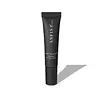
This barrier-repair lip moisturizer is formulated around Bisabolol and Ceramide EOP to strengthen the lip barrier and hydrate lips.
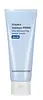
This barrier-repair moisturizer is formulated around Niacinamide and Sodium DNA to strengthen the skin barrier and hydrate skin.


What's inside
What's inside
 Key Ingredients
Benefits
Concerns
Ingredients Side-by-side
Diisostearyl Malate
EmollientHydrogenated Polyisobutene
EmollientVp/Hexadecene Copolymer
Synthetic Beeswax
Emulsion Stabilising

Dextrin Palmitate
Emulsifying
Astrocaryum Murumuru Seed Butter
Emollient

Mangifera Indica Seed Butter
Skin Conditioning
Punica Granatum Seed Oil
Emollient


Cucumis Sativus Seed Oil
Emollient
Phytosterols
Skin Conditioning
Hibiscus Sabdariffa Seed Oil
Emollient
Bisabolol
Antioxidant



Passiflora Edulis Seed Oil
Emollient
Hippophae Rhamnoides Fruit Extract
Skin Conditioning
Tocopherol
Antioxidant



Cholesterol
Emollient
Ceramide EOP
Skin Conditioning
Ceramide NP
Skin Conditioning
Ceramide As
Skin Conditioning
Ceramide AP
Skin Conditioning
Ceramide Ns
Skin Conditioning
Ubiquinone
Antioxidant
Ferulic Acid
Antimicrobial
Palmitoyl Tripeptide-1
Skin Conditioning

Cetearyl Ethylhexanoate
Emollient
Sorbitan Isostearate
Emulsifying
Portulaca Pilosa Extract
Skin ConditioningSucrose Cocoate
Emulsifying

Palmitoyl Tripeptide-38
Skin Conditioning
Glyceryl Stearate
Emollient
Allantoin
Skin Conditioning
Ascorbyl Palmitate
Antioxidant
Ethyl Vanillin
MaskingHydrogenated Lecithin
Emulsifying
Dipropylene Glycol
HumectantCI 77891
Cosmetic ColorantIsopropyl Titanium Triisostearate
Emollient
CI 77491
Cosmetic ColorantCI 77492
Cosmetic ColorantDiisostearyl Malate, Hydrogenated Polyisobutene, Vp/Hexadecene Copolymer, Synthetic Beeswax, Dextrin Palmitate, Astrocaryum Murumuru Seed Butter, Mangifera Indica Seed Butter, Punica Granatum Seed Oil, Cucumis Sativus Seed Oil, Phytosterols, Hibiscus Sabdariffa Seed Oil, Bisabolol, Passiflora Edulis Seed Oil, Hippophae Rhamnoides Fruit Extract, Tocopherol, Cholesterol, Ceramide EOP, Ceramide NP, Ceramide As, Ceramide AP, Ceramide Ns, Ubiquinone, Ferulic Acid, Palmitoyl Tripeptide-1, Cetearyl Ethylhexanoate, Sorbitan Isostearate, Portulaca Pilosa Extract, Sucrose Cocoate, Palmitoyl Tripeptide-38, Glyceryl Stearate, Allantoin, Ascorbyl Palmitate, Ethyl Vanillin, Hydrogenated Lecithin, Dipropylene Glycol, CI 77891, Isopropyl Titanium Triisostearate, CI 77491, CI 77492
Water
Skin ConditioningGlycerin
Humectant
Butylene Glycol
Humectant
Caprylic/Capric Triglyceride
Masking
Macadamia Integrifolia Seed Oil
Skin Conditioning
Bis-Diglyceryl Polyacyladipate-2
Emollient
Diglycerin
Humectant
Niacinamide
Smoothing



Octyldodecanol
Emollient
Pentylene Glycol
Skin Conditioning
Trehalose
Humectant
1,2-Hexanediol
Skin Conditioning
Cetearyl Alcohol
Emollient
Sodium DNA
Skin Conditioning
Butyrospermum Parkii Butter
Skin Conditioning
Sodium Hyaluronate
Humectant
Hydrolyzed Hyaluronic Acid
Humectant
Hyaluronic Acid
Humectant
Dimethylsilanol Hyaluronate
Humectant
Hydrolyzed Sodium Hyaluronate
Skin Conditioning
Potassium Hyaluronate
Skin ConditioningHydroxypropyltrimonium Hyaluronate
Sodium Hyaluronate Crosspolymer
Humectant
Sodium Hyaluronate Dimethylsilanol
HumectantSodium Acetylated Hyaluronate
Humectant
Ceramide NP
Skin Conditioning
Ceramide Ns
Skin Conditioning
Ceramide AP
Skin Conditioning
Ceramide As
Skin Conditioning
Ceramide EOP
Skin Conditioning
Panthenol
Skin Conditioning
Allantoin
Skin Conditioning
Ascorbic Acid
Antioxidant
Linolenic Acid
Cleansing

Palmitoyl Tripeptide-5
Skin Conditioning
Ectoin
Skin Conditioning
3-O-Ethyl Ascorbic Acid
Skin Conditioning
Tocopherol
Antioxidant
Copernicia Cerifera Wax
Caprylyl Methicone
Skin Conditioning
Cetearyl Olivate
Ammonium Acryloyldimethyltaurate/Vp Copolymer
Polyglyceryl-10 Behenate/Eicosadioate
EmulsifyingPolyglyceryl-3 Methylglucose Distearate
Emulsifying
Sorbitan Olivate
Emulsifying
Acrylates/C10-30 Alkyl Acrylate Crosspolymer
Emulsion StabilisingAminomethyl Propanediol
BufferingHydrogenated Lecithin
Emulsifying
Sodium Polyacryloyldimethyl Taurate
Emulsion StabilisingPalmitic Acid
Emollient
Dipotassium Glycyrrhizate
Humectant
Ethylhexylglycerin
Skin ConditioningAdenosine
Skin Conditioning
Propanediol
Solvent
Sodium Phytate
Stearic Acid
Cleansing
Sodium Polyacrylate
Absorbent
C12-13 Alketh-9
EmulsifyingCholesterol
Emollient
Phytosphingosine
Skin Conditioning
Glyceryl Caprylate
EmollientC12-16 Alcohols
EmollientXanthan Gum
EmulsifyingWater, Glycerin, Butylene Glycol, Caprylic/Capric Triglyceride, Macadamia Integrifolia Seed Oil, Bis-Diglyceryl Polyacyladipate-2, Diglycerin, Niacinamide, Octyldodecanol, Pentylene Glycol, Trehalose, 1,2-Hexanediol, Cetearyl Alcohol, Sodium DNA, Butyrospermum Parkii Butter, Sodium Hyaluronate, Hydrolyzed Hyaluronic Acid, Hyaluronic Acid, Dimethylsilanol Hyaluronate, Hydrolyzed Sodium Hyaluronate, Potassium Hyaluronate, Hydroxypropyltrimonium Hyaluronate, Sodium Hyaluronate Crosspolymer, Sodium Hyaluronate Dimethylsilanol, Sodium Acetylated Hyaluronate, Ceramide NP, Ceramide Ns, Ceramide AP, Ceramide As, Ceramide EOP, Panthenol, Allantoin, Ascorbic Acid, Linolenic Acid, Palmitoyl Tripeptide-5, Ectoin, 3-O-Ethyl Ascorbic Acid, Tocopherol, Copernicia Cerifera Wax, Caprylyl Methicone, Cetearyl Olivate, Ammonium Acryloyldimethyltaurate/Vp Copolymer, Polyglyceryl-10 Behenate/Eicosadioate, Polyglyceryl-3 Methylglucose Distearate, Sorbitan Olivate, Acrylates/C10-30 Alkyl Acrylate Crosspolymer, Aminomethyl Propanediol, Hydrogenated Lecithin, Sodium Polyacryloyldimethyl Taurate, Palmitic Acid, Dipotassium Glycyrrhizate, Ethylhexylglycerin, Adenosine, Propanediol, Sodium Phytate, Stearic Acid, Sodium Polyacrylate, C12-13 Alketh-9, Cholesterol, Phytosphingosine, Glyceryl Caprylate, C12-16 Alcohols, Xanthan Gum
Reviews
Ingredients Explained
These ingredients are found in both products.
Ingredients higher up in an ingredient list are typically present in a larger amount.
Allantoin is a soothing ingredient known for its protective and moisturizing properties; it's basically a quiet workhorse ingredient you can find in a huge range of cosmetics.
Though it can be derived from the comfrey plant, allantoin is produced synthetically for cosmetic products to ensure purity.
Research shows it can encourage your skin cells to turn over and renew by stimulating keratinocyte and fibroblast proliferation.
It also has mild keratolytic properties to help loosen and shed dead skin cells without being harsh.
Studies also suggest allantoin can help calm inflammation by dialing down some of the chemical signals your skin sends out when it is irritated.
This ingredient is typically used in the 0.1-0.5% range, and the FDA recognizes it as a skin protectant in OTC products up to 2%.
Overall, allantoin is a wonderful addition to most routines; it is stable across a wide pH range (~4-8), works well with other ingredients, and is considered non-sensitizing/non-irritating.
Fun fact: Allantoin is naturally occurring in comfrey root, beets, chamomile, and wheat sprouts. Our bodies even produce it as a byproduct of uric acid metabolism.
Learn more about AllantoinCeramide AP is is a skin-identical lipid that mimics what your skin already makes naturally. Ceramides help maintain epidermal integrity and barrier function.
You'll often see this ingredient paired with other ceramides (like ceramide NP), cholesterol, or fatty acids because this combination best mimics the natural lipid mix your skin already has.
The skin's ability to produce ceramides gets disrupted in skin conditions like eczema. This in turn weakens the skin barrier and applying ceramides topically has been shown to replenish what's been lost to restore barrier function.
Most of the studies with Ceramide AP test it as part of a multi-ceramide complex; studies reinforce ceramide AP's role in rebalancing ceramides in skin and improving skin hydration.
Learn more about Ceramide APCeramide AS is formally known as Ceramides 4 and 5.
Ceramides are intercellular lipids naturally found in our skin that bonds dead skin cells together to create a barrier. They are known for their ability to hold water and thus are a great ingredient for dry skin.
Ceramide EOP is formally known as Ceramide 1.
It is naturally found in skin and part of the intercellular "mortar" holding everything together in your outermost layer.
EOP stands for a linked Ester fatty acid, a linked Omega hydroxy fatty acid, and the Phytosphingosine base.
What makes Ceramide EOP special is its ultra-long fatty acid chain; this unique structure allows it to bridge the lipid layers in your skin barrier to prevent water loss (something no other ceramide can do).
Low levels of Ceramide EOP have been found in people with eczema and psoriasis.
Using it together with other ceramides, cholesterol, and linoleic acid have been shown to meaningfully improve hydration and reduce water loss.
In one clinical study, a regimen using Ceramide EOP, NP, and AP led to significant symptom improvements in patients with eczema, psoriasis, and dry skin in just 4 weeks.
You'll usually see concentrations between 0.1-0.5% in formulations. Overall, this is a well-tolerated and safe ingredient for cosmetic use.
Learn more about Ceramide EOPCeramide NP (formerly known as Ceramide 3) is one of the skin's naturally occurring lipids.
Since ceramides are the major lipid components of the skin, they are crucial for maintaining skin barrier and hydration. Ceramide NP most closely mirrors the dominant kind in human skin amongst ceramide subtypes.
This ceramide works by slotting into gaps within the stratum corneum's lipid matrix to limit trans-epidermal water loss (TEWL) and shield the skin against external irritants.
A study with 312 patients found that using a ceramide-containing routine for 4 weeks reduced the severity of atopic dermatitis by over 61%.
Another clinical study in subjects aged 60 and older found that a ceramide body wash and moisturizer improved skin dryness and itchy skin in 15 days.
Overall, ceramides are considered non-irritating and safety tests have found little to no observable adverse effects from using this ingredient.
Ceramide NP is usually sourced from plants (like soybean or rice bran), or produced synthetically.
Learn more about Ceramide NPCeramide NS is formally known as Ceramide 2. It is one of the major ceramides in the stratum corneum (outermost layer of skin) plays a role in forming a protective barrier.
Due to its structure, skin lipids can be packed tightly and in turn, this strengthens the barrier and reduces water loss.
Studies show conditions like atopic dermatitis can worsen when ceramide NS levels are low.
Learn more about Ceramide NsCholesterol is a lipid that is naturally found in human skin and is one of the three key components of your skin barrier. In skincare, it is an emollient and barrier-repairing ingredient.
It works by fitting directly into the lipid layers of skin to help restore structure and reduce transepidermal water loss (TEWL).
This is a great ingredient for dry, compromised, or aging skin; our skin starts to produce less cholesterol with age.
Research shows cholesterol works best in combination with ceramides and fatty acids, the other two major components in your skin barrier.
Cholesterol is also a well-establish penetration enhancer and can help other actives absorb more effectively.
Cosmetic-grade cholesterol is usually derived from lanolin but plant and synthetic options also exist. We recommend reaching out to the brand if you have questions about their source of cholesterol.
Learn more about CholesterolHydrogenated Lecithin is a more stable version of lecithin.
It's made by taking lecithin (a phospholipid commonly found in soybeans and egg yolks) and hydrogenating it. This just means the unsaturated fatty acids are turned into saturated ones so they don't go bad as easily.
This ingredient is an emollient, emulsifier, and penetration enhancer. As an emollient, it helps soften and hydrate skin by trapping moisture within. As an emulsifier, it prevents oil and water ingredients from separating.
Hydrogenated Lecithin can form tiny spherical structures made of phospholipid bilayers called liposomes. These liposomes are able to capture compounds inside their structure and deliver them through the skin barrier.
Because phospholipids are a natural component of our cell membranes, this ingredient is inherently compatible with skin.
A 2021 study found lecithin-based surfactants were less harsh and more tolerable comared to Sodium Lauryl Sulfate (SLS).
Learn more about Hydrogenated LecithinTocopherol is a fat-soluble antioxidant known as Vitamin E.
You'll find this ingredient in the vast majority of skincare (for good reason). It works to neutralize free radicals, or unstable molecules generated by UV exposure, pollution, and other environmental stressors, before they can cause oxidative damage to your skin cells.
Topically applied tocopherol has been shown to protect against UV damage by ramping up the skin's own natural defense enzymes.
It also acts as a skin conditioning agent; some studies show that regular topical use can improve the skin's water-binding capacity over 2-4 weeks.
This ingredient is especially loved for being a team player. When combined with Vitamin C, the photoprotective effect of both ingredients roughly doubles and the combo also helps reduce UV-induced DNA damage.
This ingredient has some brightening potential but it's more of a prevention ingredient than spot-fader. Cell studies show it can slow down melanin production but it's worth noting that it's not the most powerful brightener out there.
In formulations, it also serves as a stabilizer that helps protect other oxidation-prone ingredients from degrading.
Concentrations usually range from 0.1-1% in most leave-on products.
Learn more about Tocopherol

