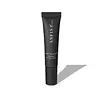
This barrier-repair lip moisturizer is formulated around Bisabolol and Ceramide EOP to strengthen the lip barrier and hydrate lips.
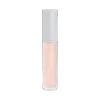
This hydrating lip mask is formulated around Cocos Nucifera Oil and Lactic Acid to hydrate lips and refine skin texture.

What's inside
What's inside
 Key Ingredients
Benefits
Concerns
Ingredients Side-by-side
Diisostearyl Malate
EmollientHydrogenated Polyisobutene
EmollientVp/Hexadecene Copolymer
Synthetic Beeswax
Emulsion Stabilising

Dextrin Palmitate
Emulsifying
Astrocaryum Murumuru Seed Butter
Emollient

Mangifera Indica Seed Butter
Skin Conditioning
Punica Granatum Seed Oil
Emollient


Cucumis Sativus Seed Oil
Emollient
Phytosterols
Skin Conditioning
Hibiscus Sabdariffa Seed Oil
Emollient
Bisabolol
Antioxidant



Passiflora Edulis Seed Oil
Emollient
Hippophae Rhamnoides Fruit Extract
Skin Conditioning
Tocopherol
Antioxidant



Cholesterol
Emollient
Ceramide EOP
Skin Conditioning
Ceramide NP
Skin Conditioning
Ceramide As
Skin Conditioning
Ceramide AP
Skin Conditioning
Ceramide Ns
Skin Conditioning
Ubiquinone
Antioxidant
Ferulic Acid
Antimicrobial
Palmitoyl Tripeptide-1
Skin Conditioning

Cetearyl Ethylhexanoate
Emollient
Sorbitan Isostearate
Emulsifying
Portulaca Pilosa Extract
Skin ConditioningSucrose Cocoate
Emulsifying

Palmitoyl Tripeptide-38
Skin Conditioning
Glyceryl Stearate
Emollient
Allantoin
Skin Conditioning
Ascorbyl Palmitate
Antioxidant
Ethyl Vanillin
MaskingHydrogenated Lecithin
Emulsifying
Dipropylene Glycol
HumectantCI 77891
Cosmetic ColorantIsopropyl Titanium Triisostearate
Emollient
CI 77491
Cosmetic ColorantCI 77492
Cosmetic ColorantDiisostearyl Malate, Hydrogenated Polyisobutene, Vp/Hexadecene Copolymer, Synthetic Beeswax, Dextrin Palmitate, Astrocaryum Murumuru Seed Butter, Mangifera Indica Seed Butter, Punica Granatum Seed Oil, Cucumis Sativus Seed Oil, Phytosterols, Hibiscus Sabdariffa Seed Oil, Bisabolol, Passiflora Edulis Seed Oil, Hippophae Rhamnoides Fruit Extract, Tocopherol, Cholesterol, Ceramide EOP, Ceramide NP, Ceramide As, Ceramide AP, Ceramide Ns, Ubiquinone, Ferulic Acid, Palmitoyl Tripeptide-1, Cetearyl Ethylhexanoate, Sorbitan Isostearate, Portulaca Pilosa Extract, Sucrose Cocoate, Palmitoyl Tripeptide-38, Glyceryl Stearate, Allantoin, Ascorbyl Palmitate, Ethyl Vanillin, Hydrogenated Lecithin, Dipropylene Glycol, CI 77891, Isopropyl Titanium Triisostearate, CI 77491, CI 77492
Polybutene
Dimer Dilinoleyl Dimer Dilinoleate
EmollientIsopropyl Palmitate
Emollient
Hydrogenated Castor Oil
Emollient
Cocos Nucifera Oil
Masking
Glycine Soja Oil
Emollient
Tocopheryl Acetate
Antioxidant
Hibiscus Sabdariffa Flower Extract
Skin ConditioningPolyglyceryl-3 Diisostearate
Emulsifying
Aroma

Oryza Sativa Extract
Absorbent
Oryza Sativa Germ Extract
EmollientEthylhexyl Palmitate
Emollient
Gardenia Taitensis Flower
Skin ConditioningTribehenin
Emollient
Tocopherol
Antioxidant
Ricinus Communis Seed Oil
Masking
CI 77891
Cosmetic ColorantSorbitan Isostearate
Emulsifying
CI 77491
Cosmetic ColorantCI 15850
Cosmetic ColorantLactic Acid
Buffering



Palmitoyl Tripeptide-1
Skin Conditioning
CI 77499
Cosmetic ColorantPolybutene, Dimer Dilinoleyl Dimer Dilinoleate, Isopropyl Palmitate, Hydrogenated Castor Oil, Cocos Nucifera Oil, Glycine Soja Oil, Tocopheryl Acetate, Hibiscus Sabdariffa Flower Extract, Polyglyceryl-3 Diisostearate, Aroma, Oryza Sativa Extract, Oryza Sativa Germ Extract, Ethylhexyl Palmitate, Gardenia Taitensis Flower, Tribehenin, Tocopherol, Ricinus Communis Seed Oil, CI 77891, Sorbitan Isostearate, CI 77491, CI 15850, Lactic Acid, Palmitoyl Tripeptide-1, CI 77499
Ingredients Explained
These ingredients are found in both products.
Ingredients higher up in an ingredient list are typically present in a larger amount.
Ci 77491 is also hydrated iron III oxide. It's sole purpose is to give a red/pink hue to products.
Iron III oxides are classified as inorganic chemicals for coloring.
Synthetically created Ci 77491 is considered safer than those naturally found. This is because the synthetically created version may contain less impurities. Iron oxides are generally non-toxic and non-allergenic.
Learn more about CI 77491Ci 77891 is a white pigment from Titanium dioxide. It is naturally found in minerals such as rutile and ilmenite.
It's main function is to add a white color to cosmetics. It can also be mixed with other colors to create different shades.
Ci 77891 is commonly found in sunscreens due to its ability to block UV rays.
Learn more about CI 77891Palmitoyl Tripeptide-1 (aka Pal-GHK) is a synthetic signal peptide made of three amino acids attached to palmitic acid.
That fatty acid attachment is the key: it boosts the peptide's ability to penetrate the skin barrier. This puts it closer to the dermal cells where it can actually make a difference.
Once there, it acts as a matrikine, a signaling peptide that prompts fibroblasts to produce more collagen, fibronectin, and hyaluronic acid.
In vitro studies show it can boost collagen production in skin cells even when UV-damaged skin samples were treated with it at a tiny concentration (it almost fully restored dermal collagen at 5ppm). It achieved this at 100x lower concentration than retinoic acid, which needed 500 ppm to do the same thing.
Human clinical data is promising, but modest:
A study of 23 female volunteers found a small but statistically significant increase (~4%) in skin thickness after treatment at 4 ppm.
A separate small trial of 15 women showed statistically significant reductions in wrinkle length, depth, and skin roughness after applying it twice daily for four weeks.
You'll likely see Pal-GHK paired with Palmitoyl Tetrapeptide-7 as part of the Matrixyl 3000 complex.
Fungal acne note:
Usually a palmitic acid component can feed Malassezia in unbound form, but here is is covalently bonded to the peptide. This means it is very difficult for Malassezia to access, and therefore very unlikely to cause fungal acne.
Sorbitan Isostearate is an emulsifer. It is created from isostearic acid and sorbitol.
As an emulsifier, it keeps the water and oil ingredients from separating. This keeps formulas stable and smooth.
In a 24 hour occlusive patch test on 56 subjects, 10% sorbitan isostearate was completely non-irritating. Most formulas use less than 10%.
Because it's a fatty acid ester, it may not be fungal acne safe since the Malassezia yeast can utilize it as a nutrient source.
Learn more about Sorbitan IsostearateTocopherol is a fat-soluble antioxidant known as Vitamin E.
You'll find this ingredient in the vast majority of skincare (for good reason). It works to neutralize free radicals, or unstable molecules generated by UV exposure, pollution, and other environmental stressors, before they can cause oxidative damage to your skin cells.
Topically applied tocopherol has been shown to protect against UV damage by ramping up the skin's own natural defense enzymes.
It also acts as a skin conditioning agent; some studies show that regular topical use can improve the skin's water-binding capacity over 2-4 weeks.
This ingredient is especially loved for being a team player. When combined with Vitamin C, the photoprotective effect of both ingredients roughly doubles and the combo also helps reduce UV-induced DNA damage.
This ingredient has some brightening potential but it's more of a prevention ingredient than spot-fader. Cell studies show it can slow down melanin production but it's worth noting that it's not the most powerful brightener out there.
In formulations, it also serves as a stabilizer that helps protect other oxidation-prone ingredients from degrading.
Concentrations usually range from 0.1-1% in most leave-on products.
Learn more about Tocopherol

