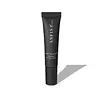
This barrier-repair lip moisturizer is formulated around Bisabolol and Ceramide EOP to strengthen the lip barrier and hydrate lips.
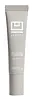
This anti-aging lip moisturizer is formulated around Ricinus Communis Seed Oil and Ceramide NP to soften the look of wrinkles and hydrate lips.

What's inside
What's inside
 Key Ingredients
Benefits
Concerns
Ingredients Side-by-side
Diisostearyl Malate
EmollientHydrogenated Polyisobutene
EmollientVp/Hexadecene Copolymer
Synthetic Beeswax
Emulsion Stabilising

Dextrin Palmitate
Emulsifying
Astrocaryum Murumuru Seed Butter
Emollient

Mangifera Indica Seed Butter
Skin Conditioning
Punica Granatum Seed Oil
Emollient


Cucumis Sativus Seed Oil
Emollient
Phytosterols
Skin Conditioning
Hibiscus Sabdariffa Seed Oil
Emollient
Bisabolol
Antioxidant



Passiflora Edulis Seed Oil
Emollient
Hippophae Rhamnoides Fruit Extract
Skin Conditioning
Tocopherol
Antioxidant



Cholesterol
Emollient
Ceramide EOP
Skin Conditioning
Ceramide NP
Skin Conditioning
Ceramide As
Skin Conditioning
Ceramide AP
Skin Conditioning
Ceramide Ns
Skin Conditioning
Ubiquinone
Antioxidant
Ferulic Acid
Antimicrobial
Palmitoyl Tripeptide-1
Skin Conditioning

Cetearyl Ethylhexanoate
Emollient
Sorbitan Isostearate
Emulsifying
Portulaca Pilosa Extract
Skin ConditioningSucrose Cocoate
Emulsifying

Palmitoyl Tripeptide-38
Skin Conditioning
Glyceryl Stearate
Emollient
Allantoin
Skin Conditioning
Ascorbyl Palmitate
Antioxidant
Ethyl Vanillin
MaskingHydrogenated Lecithin
Emulsifying
Dipropylene Glycol
HumectantCI 77891
Cosmetic ColorantIsopropyl Titanium Triisostearate
Emollient
CI 77491
Cosmetic ColorantCI 77492
Cosmetic ColorantDiisostearyl Malate, Hydrogenated Polyisobutene, Vp/Hexadecene Copolymer, Synthetic Beeswax, Dextrin Palmitate, Astrocaryum Murumuru Seed Butter, Mangifera Indica Seed Butter, Punica Granatum Seed Oil, Cucumis Sativus Seed Oil, Phytosterols, Hibiscus Sabdariffa Seed Oil, Bisabolol, Passiflora Edulis Seed Oil, Hippophae Rhamnoides Fruit Extract, Tocopherol, Cholesterol, Ceramide EOP, Ceramide NP, Ceramide As, Ceramide AP, Ceramide Ns, Ubiquinone, Ferulic Acid, Palmitoyl Tripeptide-1, Cetearyl Ethylhexanoate, Sorbitan Isostearate, Portulaca Pilosa Extract, Sucrose Cocoate, Palmitoyl Tripeptide-38, Glyceryl Stearate, Allantoin, Ascorbyl Palmitate, Ethyl Vanillin, Hydrogenated Lecithin, Dipropylene Glycol, CI 77891, Isopropyl Titanium Triisostearate, CI 77491, CI 77492
Ricinus Communis Seed Oil
Masking
Prunus Amygdalus Dulcis Oil
Skin Conditioning
Vp/Hexadecene Copolymer
Butyrospermum Parkii Butter
Skin Conditioning
Silica Dimethyl Silylate
EmollientCera Alba
Emollient
Polyester-7
Skin ConditioningNeopentyl Glycol Diheptanoate
EmollientEthylhexyl Palmitate
Emollient
Tocopheryl Acetate
Antioxidant
Sodium Hyaluronate
Humectant
Hydrolyzed Hyaluronic Acid
Humectant
Stearic Acid
Cleansing
Superoxide Dismutase
Antioxidant
Cetearyl Ethylhexanoate
Emollient
Hydroxymethoxyphenyl Propylmethylmethoxybenzofuran
Skin ConditioningCeramide NP
Skin Conditioning
Salicylic Acid
Masking





Sorbitan Isostearate
Emulsifying
Benzyl Nicotinate
Skin ConditioningTrihydroxystearin
Skin Conditioning
Titanium Dioxide
Cosmetic Colorant

Portulaca Pilosa Extract
Skin ConditioningSucrose Cocoate
Emulsifying
Palmitoyl Tripeptide-38
Skin Conditioning
Water
Skin ConditioningSodium Ascorbyl Phosphate
Antioxidant
Linoleic Acid
Cleansing
Tocopherol
Antioxidant
Oleic Acid
Emollient
Polysorbate 20
Emulsifying
Palmitic Acid
Emollient
Acacia Decurrens/Jojoba/Sunflower Seed Cera/Polyglyceryl-3 Esters
EmollientXanthan Gum
EmulsifyingGlutathione
Lactobionic Acid
Buffering
Glycolic Acid
Buffering

Linolenic Acid
Cleansing
Mandelic Acid
Antimicrobial
Pentylene Glycol
Skin Conditioning
Caprylyl Glycol
Emollient
N-Prolyl Palmitoyl Tripeptide-56 Acetate
Skin Conditioning
Mica
Cosmetic ColorantCI 77499
Cosmetic ColorantRicinus Communis Seed Oil, Prunus Amygdalus Dulcis Oil, Vp/Hexadecene Copolymer, Butyrospermum Parkii Butter, Silica Dimethyl Silylate, Cera Alba, Polyester-7, Neopentyl Glycol Diheptanoate, Ethylhexyl Palmitate, Tocopheryl Acetate, Sodium Hyaluronate, Hydrolyzed Hyaluronic Acid, Stearic Acid, Superoxide Dismutase, Cetearyl Ethylhexanoate, Hydroxymethoxyphenyl Propylmethylmethoxybenzofuran, Ceramide NP, Salicylic Acid, Sorbitan Isostearate, Benzyl Nicotinate, Trihydroxystearin, Titanium Dioxide, Portulaca Pilosa Extract, Sucrose Cocoate, Palmitoyl Tripeptide-38, Water, Sodium Ascorbyl Phosphate, Linoleic Acid, Tocopherol, Oleic Acid, Polysorbate 20, Palmitic Acid, Acacia Decurrens/Jojoba/Sunflower Seed Cera/Polyglyceryl-3 Esters, Xanthan Gum, Glutathione, Lactobionic Acid, Glycolic Acid, Linolenic Acid, Mandelic Acid, Pentylene Glycol, Caprylyl Glycol, N-Prolyl Palmitoyl Tripeptide-56 Acetate, Mica, CI 77499
Alternatives
Ingredients Explained
These ingredients are found in both products.
Ingredients higher up in an ingredient list are typically present in a larger amount.
Ceramide NP (formerly known as Ceramide 3) is one of the skin's naturally occurring lipids.
Since ceramides are the major lipid components of the skin, they are crucial for maintaining skin barrier and hydration. Ceramide NP most closely mirrors the dominant kind in human skin amongst ceramide subtypes.
This ceramide works by slotting into gaps within the stratum corneum's lipid matrix to limit trans-epidermal water loss (TEWL) and shield the skin against external irritants.
A study with 312 patients found that using a ceramide-containing routine for 4 weeks reduced the severity of atopic dermatitis by over 61%.
Another clinical study in subjects aged 60 and older found that a ceramide body wash and moisturizer improved skin dryness and itchy skin in 15 days.
Overall, ceramides are considered non-irritating and safety tests have found little to no observable adverse effects from using this ingredient.
Ceramide NP is usually sourced from plants (like soybean or rice bran), or produced synthetically.
Learn more about Ceramide NPCetearyl Ethylhexanoate is derived from cetearyl alcohol and sorbic acid.
It is an emollient and helps hydrate the skin. Emollients form a barrier on the skin to prevent water from escaping.
This synthetic, signal peptide has unique skin conditioning properties in that is a matrikine-mimetic compound.
First of all, Palmitoyl Tripeptide-38 is a signal peptide; signal peptides tell the body to create more collagen.
What is a matrikine-mimetic compound?
This peptide has the ability to mimic matrikines in skin. Our skin created matrikines by breaking down matrix proteins into peptides.
Matrikines play a role in:
Though further research is needed, this ingredient seems pretty promising. In one study, women over the age of 40 with visible photoaging used a vitamin C serum with this ingredient for 56 days (15% ascorbid acid, 5 ppm palmitoyl tripeptide‐38). The results found improvement in skin roughness and skin tone.
This peptide is also part of the famous Matrixyl synthe’6, a blend of ingredients that also includes glycerin, water, and hydroxypropyl cyclodextrin.
Learn more about Palmitoyl Tripeptide-38We don't have a description for Portulaca Pilosa Extract yet.
Sorbitan Isostearate is an emulsifer. It is created from isostearic acid and sorbitol.
As an emulsifier, it keeps the water and oil ingredients from separating. This keeps formulas stable and smooth.
In a 24 hour occlusive patch test on 56 subjects, 10% sorbitan isostearate was completely non-irritating. Most formulas use less than 10%.
Because it's a fatty acid ester, it may not be fungal acne safe since the Malassezia yeast can utilize it as a nutrient source.
Learn more about Sorbitan IsostearateSucrose cocoate is a mild multitasking ingredient made by esterifying sugar with the fatty acids of coconut oil.
It functions as a surfactant, emulsifier, and skin-conditioning ingredient all in one.
Typical use concentrations range from:
This ingredient is well-tolerated across skin types and has been classified safe for use in cosmetic products by the Cosmetic Ingredient Review Expert Panel. It's even considered gentle enough for use in baby care products like shampoos and lotions.
Fungal acne note: Sucrose cocoate is a fatty acid ester derived from coconut oil that contains fatty acids in the C12-18 range. This is the range that Malassezia can metabolize, meaning this ingredient may not be fungal acne safe.
Learn more about Sucrose CocoateTocopherol is a fat-soluble antioxidant known as Vitamin E.
You'll find this ingredient in the vast majority of skincare (for good reason). It works to neutralize free radicals, or unstable molecules generated by UV exposure, pollution, and other environmental stressors, before they can cause oxidative damage to your skin cells.
Topically applied tocopherol has been shown to protect against UV damage by ramping up the skin's own natural defense enzymes.
It also acts as a skin conditioning agent; some studies show that regular topical use can improve the skin's water-binding capacity over 2-4 weeks.
This ingredient is especially loved for being a team player. When combined with Vitamin C, the photoprotective effect of both ingredients roughly doubles and the combo also helps reduce UV-induced DNA damage.
This ingredient has some brightening potential but it's more of a prevention ingredient than spot-fader. Cell studies show it can slow down melanin production but it's worth noting that it's not the most powerful brightener out there.
In formulations, it also serves as a stabilizer that helps protect other oxidation-prone ingredients from degrading.
Concentrations usually range from 0.1-1% in most leave-on products.
Learn more about TocopherolVP/Hexadecene Copolymer is a synthetic film-forming agent. It has both water and oil loving properties, allowing it to create a flexible, even film on the skin.
This ingredient helps enhance texture, smoothness, and wear resistance in makeup products while reducing tackiness.


