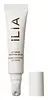
This barrier-repair lip moisturizer is formulated around Squalane and Opuntia Ficus-Indica Seed Oil to strengthen the lip barrier and hydrate lips.
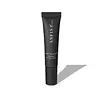
This barrier-repair lip moisturizer is formulated around Bisabolol and Ceramide EOP to strengthen the lip barrier and hydrate lips.

What's inside
What's inside
 Key Ingredients
Benefits
Concerns
Ingredients Side-by-side
Diisostearyl Malate
EmollientHydrogenated Polyisobutene
EmollientPolyamide-8
EmollientTribehenin
Emollient

Squalane
Emollient


Pentaerythrityl Tetraisostearate
Emollient
Aroma


Opuntia Ficus-Indica Seed Oil
Emollient
Tocopherol
Antioxidant




Cocos Nucifera Oil
Masking



Caprylic/Capric Triglyceride
Masking
Hexyldecanol
Emollient
Ricinus Communis Seed Oil
Masking
Sodium Hyaluronate
Humectant
Butyrospermum Parkii Butter
Skin Conditioning
Hydrogenated Castor Oil
Emollient
Pentaerythrityl Tetra-Di-T-Butyl Hydroxyhydrocinnamate
Antioxidant
Salicornia Herbacea Extract
Skin ConditioningBisabolol
Antioxidant

Cetylhydroxyproline Palmitamide
Skin ConditioningStearic Acid
Cleansing
Stevia Rebaudiana Leaf/Stem Extract
MaskingGardenia Taitensis Flower Extract
Skin ConditioningBrassica Campestris Sterols
EmollientLimonene
Perfuming

Linalool
Perfuming
Diisostearyl Malate, Hydrogenated Polyisobutene, Polyamide-8, Tribehenin, Squalane, Pentaerythrityl Tetraisostearate, Aroma, Opuntia Ficus-Indica Seed Oil, Tocopherol, Cocos Nucifera Oil, Caprylic/Capric Triglyceride, Hexyldecanol, Ricinus Communis Seed Oil, Sodium Hyaluronate, Butyrospermum Parkii Butter, Hydrogenated Castor Oil, Pentaerythrityl Tetra-Di-T-Butyl Hydroxyhydrocinnamate, Salicornia Herbacea Extract, Bisabolol, Cetylhydroxyproline Palmitamide, Stearic Acid, Stevia Rebaudiana Leaf/Stem Extract, Gardenia Taitensis Flower Extract, Brassica Campestris Sterols, Limonene, Linalool
Diisostearyl Malate
EmollientHydrogenated Polyisobutene
EmollientVp/Hexadecene Copolymer
Synthetic Beeswax
Emulsion Stabilising
Dextrin Palmitate
Emulsifying
Astrocaryum Murumuru Seed Butter
Emollient
Mangifera Indica Seed Butter
Skin Conditioning
Punica Granatum Seed Oil
Emollient
Cucumis Sativus Seed Oil
Emollient
Phytosterols
Skin Conditioning
Hibiscus Sabdariffa Seed Oil
Emollient
Bisabolol
Antioxidant
Passiflora Edulis Seed Oil
Emollient
Hippophae Rhamnoides Fruit Extract
Skin Conditioning
Tocopherol
Antioxidant
Cholesterol
Emollient
Ceramide EOP
Skin Conditioning
Ceramide NP
Skin Conditioning
Ceramide As
Skin Conditioning
Ceramide AP
Skin Conditioning
Ceramide Ns
Skin Conditioning
Ubiquinone
Antioxidant
Ferulic Acid
Antimicrobial
Palmitoyl Tripeptide-1
Skin Conditioning

Cetearyl Ethylhexanoate
Emollient
Sorbitan Isostearate
Emulsifying
Portulaca Pilosa Extract
Skin ConditioningSucrose Cocoate
Emulsifying
Palmitoyl Tripeptide-38
Skin Conditioning
Glyceryl Stearate
Emollient
Allantoin
Skin Conditioning
Ascorbyl Palmitate
Antioxidant
Ethyl Vanillin
MaskingHydrogenated Lecithin
Emulsifying
Dipropylene Glycol
HumectantCI 77891
Cosmetic ColorantIsopropyl Titanium Triisostearate
Emollient
CI 77491
Cosmetic ColorantCI 77492
Cosmetic ColorantDiisostearyl Malate, Hydrogenated Polyisobutene, Vp/Hexadecene Copolymer, Synthetic Beeswax, Dextrin Palmitate, Astrocaryum Murumuru Seed Butter, Mangifera Indica Seed Butter, Punica Granatum Seed Oil, Cucumis Sativus Seed Oil, Phytosterols, Hibiscus Sabdariffa Seed Oil, Bisabolol, Passiflora Edulis Seed Oil, Hippophae Rhamnoides Fruit Extract, Tocopherol, Cholesterol, Ceramide EOP, Ceramide NP, Ceramide As, Ceramide AP, Ceramide Ns, Ubiquinone, Ferulic Acid, Palmitoyl Tripeptide-1, Cetearyl Ethylhexanoate, Sorbitan Isostearate, Portulaca Pilosa Extract, Sucrose Cocoate, Palmitoyl Tripeptide-38, Glyceryl Stearate, Allantoin, Ascorbyl Palmitate, Ethyl Vanillin, Hydrogenated Lecithin, Dipropylene Glycol, CI 77891, Isopropyl Titanium Triisostearate, CI 77491, CI 77492
Ingredients Explained
These ingredients are found in both products.
Ingredients higher up in an ingredient list are typically present in a larger amount.
Bisabolol is a gentle skin conditioner, antioxidant, and soothing ingredient.
It's primary claim to fame is soothing and research shows topically applied bisabolol can quiet the chemical messengers that cause your skin to become inflamed, helping to sooth any irritation.
A clinical study found that applying 0.5% bisabolol daily for 8 weeks produced an average 9% decrease in skin pigmentation. Researchers found it can also suppress the process that leads to excess melanin production in skin.
In vitro studies found that bisabolol combined with propylene glycol significantly increased skin permeability by increasing lipid fluidity in the stratum corneum.
You'll likely see use concentrations quite low, usually 0.1-0.2%.
Overall, this is a well-tolerated ingredient that works well in formulas designed for sensitive, reactive, or post-procedure skin.
Learn more about BisabololDiisostearyl Malate is an emollient and most often used in lip products. It comes from isostearyl alcohol, a fatty acid, and malic acid, an AHA.
As an emollient, Diisostearyl Malate helps create a thin film on your skin to trap moisture in. This helps keep your skin soft and smooth.
Hydrogenated Polyisobutene is a synthetic polymer. Polymers are compounds with high molecular weight. Hydrogenated Polyisobutene is an emollient and texture enhancer.
In one study, Hydrogenated Polyisobutene showed better skin hydration levels than Caprylic/Capric Triglyceride. As an emollient, it helps keep your skin soft and hydrated by trapping moisture in.
Hydrogenated Polyisobutene is often used as a mineral oil replacement.
Learn more about Hydrogenated PolyisobuteneTocopherol is a fat-soluble antioxidant known as Vitamin E.
You'll find this ingredient in the vast majority of skincare (for good reason). It works to neutralize free radicals, or unstable molecules generated by UV exposure, pollution, and other environmental stressors, before they can cause oxidative damage to your skin cells.
Topically applied tocopherol has been shown to protect against UV damage by ramping up the skin's own natural defense enzymes.
It also acts as a skin conditioning agent; some studies show that regular topical use can improve the skin's water-binding capacity over 2-4 weeks.
This ingredient is especially loved for being a team player. When combined with Vitamin C, the photoprotective effect of both ingredients roughly doubles and the combo also helps reduce UV-induced DNA damage.
This ingredient has some brightening potential but it's more of a prevention ingredient than spot-fader. Cell studies show it can slow down melanin production but it's worth noting that it's not the most powerful brightener out there.
In formulations, it also serves as a stabilizer that helps protect other oxidation-prone ingredients from degrading.
Concentrations usually range from 0.1-1% in most leave-on products.
Learn more about Tocopherol

