Ravie Beauty Lip Renewal Treatment Oil Versus Dr. Dennis Gross Skincare DermInfusions™ Plump + Repair Lip Treatment
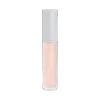
This hydrating lip mask is formulated around Cocos Nucifera Oil and Lactic Acid to hydrate lips and refine skin texture.
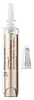
This barrier-repair lip moisturizer is formulated around Ectoin and Palmitoyl Tripeptide-38 to strengthen the lip barrier and hydrate lips.

What's inside
What's inside
 Key Ingredients
Benefits
Concerns
Ingredients Side-by-side
Polybutene
Dimer Dilinoleyl Dimer Dilinoleate
EmollientIsopropyl Palmitate
Emollient




Hydrogenated Castor Oil
Emollient

Cocos Nucifera Oil
Masking

Glycine Soja Oil
Emollient

Tocopheryl Acetate
Antioxidant


Hibiscus Sabdariffa Flower Extract
Skin ConditioningPolyglyceryl-3 Diisostearate
Emulsifying
Aroma

Oryza Sativa Extract
Absorbent
Oryza Sativa Germ Extract
EmollientEthylhexyl Palmitate
Emollient
Gardenia Taitensis Flower
Skin ConditioningTribehenin
Emollient
Tocopherol
Antioxidant

Ricinus Communis Seed Oil
Masking
CI 77891
Cosmetic ColorantSorbitan Isostearate
Emulsifying
CI 77491
Cosmetic ColorantCI 15850
Cosmetic ColorantLactic Acid
Buffering





Palmitoyl Tripeptide-1
Skin Conditioning
CI 77499
Cosmetic ColorantPolybutene, Dimer Dilinoleyl Dimer Dilinoleate, Isopropyl Palmitate, Hydrogenated Castor Oil, Cocos Nucifera Oil, Glycine Soja Oil, Tocopheryl Acetate, Hibiscus Sabdariffa Flower Extract, Polyglyceryl-3 Diisostearate, Aroma, Oryza Sativa Extract, Oryza Sativa Germ Extract, Ethylhexyl Palmitate, Gardenia Taitensis Flower, Tribehenin, Tocopherol, Ricinus Communis Seed Oil, CI 77891, Sorbitan Isostearate, CI 77491, CI 15850, Lactic Acid, Palmitoyl Tripeptide-1, CI 77499
Hydrogenated Polyisobutene
EmollientJojoba Esters
Emollient
Cocos Nucifera Oil
Masking
Squalane
Emollient
Copernicia Cerifera Wax
Ethylene/Propylene/Styrene Copolymer
Benzyl Nicotinate
Skin ConditioningEctoin
Skin Conditioning
Sodium Hyaluronate
Humectant
Hydrolyzed Sodium Hyaluronate
Skin Conditioning
Palmitoyl Tripeptide-38
Skin Conditioning
Palmitoyl Tripeptide-1
Skin Conditioning
Sodium Acetylated Hyaluronate
Humectant
Portulaca Pilosa Extract
Skin ConditioningSilybum Marianum Fruit Extract
Skin Conditioning
Centella Asiatica Meristem Cell Culture
Antioxidant
Trehalose
Humectant
Bisabolol
Antioxidant
Citrullus Lanatus Fruit Extract
Skin Conditioning
Pyrus Malus Fruit Extract
Skin Conditioning
Persea Gratissima Oil
Skin Conditioning
Triisostearin
Skin Conditioning
Glycerin
Humectant
Glucomannan
Skin ConditioningEthylhexyl Palmitate
Emollient
Tribehenin
Emollient
Cetearyl Ethylhexanoate
Emollient
Sucrose Cocoate
Emulsifying
Trihydroxystearin
Skin Conditioning
Dimer Dilinoleyl Dimer Dilinoleate
EmollientXanthan Gum
EmulsifyingSorbitan Isostearate
Emulsifying
Butylene/Ethylene/Styrene Copolymer
Leuconostoc/Radish Root Ferment Filtrate
Antimicrobial
Tocopherol
Antioxidant
Water
Skin ConditioningLactic Acid
Buffering
Citric Acid
Buffering
Phenoxyethanol
Preservative
Sodium Benzoate
Masking
Potassium Sorbate
Preservative
Hydrogenated Polyisobutene, Jojoba Esters, Cocos Nucifera Oil, Squalane, Copernicia Cerifera Wax, Ethylene/Propylene/Styrene Copolymer, Benzyl Nicotinate, Ectoin, Sodium Hyaluronate, Hydrolyzed Sodium Hyaluronate, Palmitoyl Tripeptide-38, Palmitoyl Tripeptide-1, Sodium Acetylated Hyaluronate, Portulaca Pilosa Extract, Silybum Marianum Fruit Extract, Centella Asiatica Meristem Cell Culture, Trehalose, Bisabolol, Citrullus Lanatus Fruit Extract, Pyrus Malus Fruit Extract, Persea Gratissima Oil, Triisostearin, Glycerin, Glucomannan, Ethylhexyl Palmitate, Tribehenin, Cetearyl Ethylhexanoate, Sucrose Cocoate, Trihydroxystearin, Dimer Dilinoleyl Dimer Dilinoleate, Xanthan Gum, Sorbitan Isostearate, Butylene/Ethylene/Styrene Copolymer, Leuconostoc/Radish Root Ferment Filtrate, Tocopherol, Water, Lactic Acid, Citric Acid, Phenoxyethanol, Sodium Benzoate, Potassium Sorbate
Reviews
Ingredients Explained
These ingredients are found in both products.
Ingredients higher up in an ingredient list are typically present in a larger amount.
This ingredient is also known as coconut oil. It is a plant-derived ingredient with skin conditioning properties.
The fatty acid profile of coconut oil is mostly lauric acid (~54%), followed by capric, caprylic, palmitic, and myristic acids. This profile allows it to penetrate easily into skin, moisturize, and improve dry skin.
A double-blind study confirmed that extra virgin coconut oil is as effective as mineral oil for treating very dry skin. Another study found it outperformed mineral oil for mild to moderate atopic dermatitis in children.
Another study from 2018 found that virgin coconut oil can soothe inflammation and boost key skin barrier proteins. Just know this evidence is still only from lab settings and not human trials.
It has also been shown to reduce Staphylococcus aureus, a bacteria that commonly overgrows in people with eczema.
Clinical testing shows very minimal skin irritation and no evidence of sensitization or phototoxicity.
Coconut oil gets flagged as a "fragrance" because it has a natural mild scent (not because it's a synthetic perfume). The European Cosmetic ingredient database also lists "perfuming" as a function of this ingredient.
Just so you know, the term "fragrance" is completely unregulated. Some brands still use botanical extracts or essential oils in their "fragrance-free" formulas, but regulatory databases technically classify these under "fragrance".
Coconut oil has a tiny and useless bit of natural SPF. Early lab studies clocked it around SPF 7-8 but a more recent study found the real number closer to SPF 1.2. It also offers no meaningful UVA protection (SPF only overs UVB rays).
The comedogenic rating of 4/5 means it has a high potential to clog pores; but it's worth noting that comedogenicity is highly individual and ratings cannot predict how an overall formula will behave on skin.
Since lauric acid is the dominant fatty acid, this ingredient may not be fungal acne safe. The Malassezia yeast feeds on fatty acids with carbon chain lengths between 11-24, and lauric acid falls within these lengths (C12).
Learn more about Cocos Nucifera OilWe don't have a description for Dimer Dilinoleyl Dimer Dilinoleate yet.
Ethylhexyl Palmitate, also known as octyl palmitate, is created from 2-ethylhexyl alcohol and palmitic acid.
In cosmetics, it plays many roles:
One thing worth noting: a controlled study found this ingredient applied under occlusion to acne-prone subjects increased microcomedones. Just keep in mind this was under occlusive conditions and don't reflect how most products are used day-to-day.
For most people, this is a well-tolerated and lightweight ingredient.
This ingredient may not be fungal acne safe because it is an ester of palmitic acid, a C16 fatty acid that falls within the C11-24 range that Malassezia can metabolize.
You'll see this one rated 4 comedogenic all over the internet. That number isn't from a single study, and the actual research is more interesting.
The original rating comes from 1980s rabbit ear tests (which are a shaky basis for anything). But Ethylhexyl Palmitate is one of the few ingredients with real human data behind it. A 2021 controlled trial found this ingredient increased microcomedones by an average of 365% over four weeks.
Just know that test used the pure ingredient under an occlusive pad on back skin; most products use it at much lower levels alongside other ingredients and plenty of people use those with no issue.
Learn more about Ethylhexyl PalmitateLactic Acid is another well-loved alpha hydroxy acid (AHA). It is gentler than glycolic acid but still highly effective.
Its main role is to exfoliate the surface of the skin by loosening the “glue” that holds dead skin cells together. Shedding those old cells leads to smoother, softer, and more even-toned skin.
Because lactic acid molecules are larger than glycolic acid, they don’t penetrate as deeply. This means they’re less likely to sting or irritate, making it a great choice for beginners or those with sensitive skin.
Like glycolic acid, it can:
Lactic acid also acts as a humectant (like hyaluronic acid). It can draw water into the skin to improve hydration and also plays a role in the skin's natural moisturizing factor (NMF) in the form of sodium lactate.
Studies show it can boost ceramide production to strengthen the skin barrier and even help balance the skin’s microbiome.
To get results, choose products with a pH between 3-4.
Lower strengths (5-12%) focus on surface exfoliation; higher strengths (12% and up) can reach deeper in the dermis (deeper, supportive layer) to improve skin texture and firmness over time.
Though it was originally derived from milk, most modern lactic acid used in skincare is vegan. It is made through non-dairy fermentation to create a bio-identical and stable form suitable for all formulations.
When lactic acid shows up near the end of an ingredient list, it usually means the brand added just a tiny amount to adjust the product’s pH.
Legend has it that Cleopatra used to bathe in sour milk to help reduce wrinkles.
Lactic acid is truly a gentle multitasker: it exfoliates, hydrates, strengthens, and brightens. It's a great ingredient for giving your skin a smooth, glowing, and healthy look without the harshness of stronger acids.
Read more about some other popular AHA's here:
Learn more about Lactic AcidPalmitoyl Tripeptide-1 (aka Pal-GHK) is a synthetic signal peptide made of three amino acids attached to palmitic acid.
That fatty acid attachment is the key: it boosts the peptide's ability to penetrate the skin barrier. This puts it closer to the dermal cells where it can actually make a difference.
Once there, it acts as a matrikine, a signaling peptide that prompts fibroblasts to produce more collagen, fibronectin, and hyaluronic acid.
In vitro studies show it can boost collagen production in skin cells even when UV-damaged skin samples were treated with it at a tiny concentration (it almost fully restored dermal collagen at 5ppm). It achieved this at 100x lower concentration than retinoic acid, which needed 500 ppm to do the same thing.
Human clinical data is promising, but modest:
A study of 23 female volunteers found a small but statistically significant increase (~4%) in skin thickness after treatment at 4 ppm.
A separate small trial of 15 women showed statistically significant reductions in wrinkle length, depth, and skin roughness after applying it twice daily for four weeks.
You'll likely see Pal-GHK paired with Palmitoyl Tetrapeptide-7 as part of the Matrixyl 3000 complex.
Fungal acne note:
Usually a palmitic acid component can feed Malassezia in unbound form, but here is is covalently bonded to the peptide. This means it is very difficult for Malassezia to access, and therefore very unlikely to cause fungal acne.
Sorbitan Isostearate is an emulsifer. It is created from isostearic acid and sorbitol.
As an emulsifier, it keeps the water and oil ingredients from separating. This keeps formulas stable and smooth.
In a 24 hour occlusive patch test on 56 subjects, 10% sorbitan isostearate was completely non-irritating. Most formulas use less than 10%.
Because it's a fatty acid ester, it may not be fungal acne safe since the Malassezia yeast can utilize it as a nutrient source.
Learn more about Sorbitan IsostearateTocopherol is a fat-soluble antioxidant known as Vitamin E.
You'll find this ingredient in the vast majority of skincare (for good reason). It works to neutralize free radicals, or unstable molecules generated by UV exposure, pollution, and other environmental stressors, before they can cause oxidative damage to your skin cells.
Topically applied tocopherol has been shown to protect against UV damage by ramping up the skin's own natural defense enzymes.
It also acts as a skin conditioning agent; some studies show that regular topical use can improve the skin's water-binding capacity over 2-4 weeks.
This ingredient is especially loved for being a team player. When combined with Vitamin C, the photoprotective effect of both ingredients roughly doubles and the combo also helps reduce UV-induced DNA damage.
This ingredient has some brightening potential but it's more of a prevention ingredient than spot-fader. Cell studies show it can slow down melanin production but it's worth noting that it's not the most powerful brightener out there.
In formulations, it also serves as a stabilizer that helps protect other oxidation-prone ingredients from degrading.
Concentrations usually range from 0.1-1% in most leave-on products.
Learn more about TocopherolTribehenin is the triglyceride of glycerin and behenic acid. It is an emollient that helps soften and condition skin.
Safety-wise, this is a well-vetted ingredient. Repeated-insult patch tests of 0.38% tribehenin did not trigger sensitization.
This ingredient may not be fungal acne safe because behenic acid falls into the chain-length range that Malassezia yeasts can feed on.
Learn more about Tribehenin

