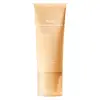
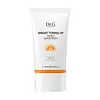
Abib Glutathiosome CC Sunscreen Toning Tube SPF 50+ Versus Dr.G Bright Toning Up Tinted Sunscreen SPF 45
This chemical sunscreen covers the full UV range and blocks ~98% of UVB at SPF 50.
This hybrid sunscreen covers the full UV range and blocks ~98% of UVB at SPF 45.

What's inside
What's inside
 Key Ingredients
Benefits
Concerns
Ingredients Side-by-side
Water
Skin ConditioningDibutyl Adipate
EmollientPropanediol
Solvent

CI 77891
Cosmetic ColorantBis-Ethylhexyloxyphenol Methoxyphenyl Triazine
UV Absorber
Diethylamino Hydroxybenzoyl Hexyl Benzoate
UV Filter
Ethylhexyl Triazone
UV Absorber
Polysilicone-15
UV Filter
Niacinamide
Smoothing










Coco-Caprylate/Caprate
Emollient
Diisopropyl Sebacate
EmollientPolymethylsilsesquioxane
Butylene Glycol
Humectant
1,2-Hexanediol
Skin Conditioning
Glycerin
Humectant
Methylene Bis-Benzotriazolyl Tetramethylbutylphenol
UV Filter
Pentylene Glycol
Skin Conditioning
Isododecane
EmollientOctyldodecanol
Emollient
Potassium Cetyl Phosphate
EmulsifyingBehenyl Alcohol
Emollient
Polyacrylate Crosspolymer-6
Emulsion StabilisingPolyglyceryl-3 Methylglucose Distearate
Emulsifying

Poly C10-30 Alkyl Acrylate
Emulsion StabilisingTromethamine
BufferingPolyglyceryl-4 Isostearate
Emulsifying
CI 77492
Cosmetic ColorantCarbomer
Emulsion StabilisingDecyl Glucoside
Cleansing
Isopropyl Titanium Triisostearate
Emollient
Aluminum Hydroxide
EmollientAcrylates/C10-30 Alkyl Acrylate Crosspolymer
Emulsion StabilisingMica
Cosmetic ColorantPolyester-1
Sodium Stearoyl Glutamate
CleansingEthylhexylglycerin
Skin ConditioningCI 77491
Cosmetic ColorantAdenosine
Skin Conditioning
CI 77499
Cosmetic ColorantGlutathione
Silica Dimethyl Silylate
EmollientXanthan Gum
EmulsifyingTocopherol
Antioxidant

Allantoin
Skin Conditioning
Malus Domestica Fruit Cell Culture Extract
Skin ConditioningDipropylene Glycol
HumectantBeta-Glucan
Skin Conditioning
Hydrogenated Lecithin
Emulsifying
Cholesterol
Emollient
Chitosan
Ascorbic Acid
Antioxidant
3-O-Ethyl Ascorbic Acid
Skin Conditioning
Ascorbyl Glucoside
Antioxidant
Ceramide NP
Skin Conditioning
Water, Dibutyl Adipate, Propanediol, CI 77891, Bis-Ethylhexyloxyphenol Methoxyphenyl Triazine, Diethylamino Hydroxybenzoyl Hexyl Benzoate, Ethylhexyl Triazone, Polysilicone-15, Niacinamide, Coco-Caprylate/Caprate, Diisopropyl Sebacate, Polymethylsilsesquioxane, Butylene Glycol, 1,2-Hexanediol, Glycerin, Methylene Bis-Benzotriazolyl Tetramethylbutylphenol, Pentylene Glycol, Isododecane, Octyldodecanol, Potassium Cetyl Phosphate, Behenyl Alcohol, Polyacrylate Crosspolymer-6, Polyglyceryl-3 Methylglucose Distearate, Poly C10-30 Alkyl Acrylate, Tromethamine, Polyglyceryl-4 Isostearate, CI 77492, Carbomer, Decyl Glucoside, Isopropyl Titanium Triisostearate, Aluminum Hydroxide, Acrylates/C10-30 Alkyl Acrylate Crosspolymer, Mica, Polyester-1, Sodium Stearoyl Glutamate, Ethylhexylglycerin, CI 77491, Adenosine, CI 77499, Glutathione, Silica Dimethyl Silylate, Xanthan Gum, Tocopherol, Allantoin, Malus Domestica Fruit Cell Culture Extract, Dipropylene Glycol, Beta-Glucan, Hydrogenated Lecithin, Cholesterol, Chitosan, Ascorbic Acid, 3-O-Ethyl Ascorbic Acid, Ascorbyl Glucoside, Ceramide NP
Water
Skin ConditioningZinc Oxide
Cosmetic Colorant
Butyloctyl Salicylate
Skin Conditioning
Propanediol
Solvent
Diphenylsiloxy Phenyl Trimethicone
Skin Conditioning
Ethylhexyl Salicylate
UV Absorber
Homosalate
Skin Conditioning
Polypropylsilsesquioxane
Lauryl PEG-9 Polydimethylsiloxyethyl Dimethicone
Skin Conditioning
Silica
Abrasive
Benzotriazolyl Dodecyl P-Cresol
UV AbsorberCaprylyl Methicone
Skin Conditioning
Methyl Trimethicone
Skin Conditioning
Trisiloxane
Skin Conditioning
Cetyl PEG/PPG-10/1 Dimethicone
Emulsifying
Phenyl Propyl Trimethicone
Skin Conditioning
Disteardimonium Hectorite
StabilisingDimethicone/Vinyl Dimethicone Crosspolymer
Skin Conditioning
Triethoxycaprylylsilane
1,2-Hexanediol
Skin Conditioning
Lauryl Polyglyceryl-3 Polydimethylsiloxyethyl Dimethicone
Skin Conditioning
PEG-10 Dimethicone
Skin Conditioning
Sodium Chloride
MaskingDicaprylyl Carbonate
EmollientMagnesium Sulfate
Hydroxyacetophenone
Antioxidant
Lauroyl Lysine
Skin Conditioning
CI 77492
Cosmetic ColorantIsododecane
EmollientOctyldodecanol
Emollient
CI 77491
Cosmetic ColorantPolyglyceryl-4 Isostearate
Emulsifying
Isopropyl Titanium Triisostearate
Emollient
Tocopherol
Antioxidant
3-O-Ethyl Ascorbic Acid
Skin Conditioning
Niacinamide
Smoothing
Sodium Hyaluronate
Humectant
Caesalpinia Spinosa Fruit Extract
Skin ProtectingKappaphycus Alvarezii Extract
Skin Conditioning

Butylene Glycol
Humectant
Linolenic Acid
Cleansing

Buddleja Officinalis Flower Extract
UV FilterDiospyros Kaki Leaf Extract
Skin Protecting
Ethylhexylglycerin
Skin ConditioningVitis Vinifera Fruit Extract
Skin ConditioningCarthamus Tinctorius Flower Extract
Skin ConditioningCoffea Arabica Seed Extract
Masking
Polygonum Cuspidatum Root Extract
Antioxidant
Camellia Sinensis Leaf Extract
Antimicrobial
Castanea Crenata Shell Extract
Skin ConditioningZanthoxylum Piperitum Fruit Extract
Skin ConditioningPinus Pinaster Bark Extract
Antioxidant
Water, Zinc Oxide, Butyloctyl Salicylate, Propanediol, Diphenylsiloxy Phenyl Trimethicone, Ethylhexyl Salicylate, Homosalate, Polypropylsilsesquioxane, Lauryl PEG-9 Polydimethylsiloxyethyl Dimethicone, Silica, Benzotriazolyl Dodecyl P-Cresol, Caprylyl Methicone, Methyl Trimethicone, Trisiloxane, Cetyl PEG/PPG-10/1 Dimethicone, Phenyl Propyl Trimethicone, Disteardimonium Hectorite, Dimethicone/Vinyl Dimethicone Crosspolymer, Triethoxycaprylylsilane, 1,2-Hexanediol, Lauryl Polyglyceryl-3 Polydimethylsiloxyethyl Dimethicone, PEG-10 Dimethicone, Sodium Chloride, Dicaprylyl Carbonate, Magnesium Sulfate, Hydroxyacetophenone, Lauroyl Lysine, CI 77492, Isododecane, Octyldodecanol, CI 77491, Polyglyceryl-4 Isostearate, Isopropyl Titanium Triisostearate, Tocopherol, 3-O-Ethyl Ascorbic Acid, Niacinamide, Sodium Hyaluronate, Caesalpinia Spinosa Fruit Extract, Kappaphycus Alvarezii Extract, Butylene Glycol, Linolenic Acid, Buddleja Officinalis Flower Extract, Diospyros Kaki Leaf Extract, Ethylhexylglycerin, Vitis Vinifera Fruit Extract, Carthamus Tinctorius Flower Extract, Coffea Arabica Seed Extract, Polygonum Cuspidatum Root Extract, Camellia Sinensis Leaf Extract, Castanea Crenata Shell Extract, Zanthoxylum Piperitum Fruit Extract, Pinus Pinaster Bark Extract
Reviews
Ingredients Explained
These ingredients are found in both products.
Ingredients higher up in an ingredient list are typically present in a larger amount.
1,2-Hexanediol is a synthetic liquid and another multi-functional powerhouse.
It is a:
- Humectant, drawing moisture into the skin
- Emollient, helping to soften skin
- Solvent, dispersing and stabilizing formulas
- Preservative booster, enhancing the antimicrobial activity of other preservatives
3-O-Ethyl Ascorbic Acid is one of the most popular "stable" vitamin C derivatives in skincare.
Plain ascorbic acid is fantastic but notoriously fragile; it browns, oxidizes, and loses potency fast. So attaching an ethyl group to the third carbon of the molecule gives it some cool perks:
In a formula, it does the 3 classic vitamin C jobs: it acts as an antioxidant, helps brighten skin tone by inhibiting tyrosinase, and supports collagen.
The evidence is reasonably solid for a cosmetic ingredient; Liao and colleagues (2018) showed it's significantly more stable than ascorbic acid while still being effective.
A 2021 study by Zerbinati and colleagues tested a serum with 30% 3-O-ethyl-l-ascorbic acid and 1% lactic acid significantly increased collagen production, reduced UVB-induced DNA damage, and decreased melanin on a reconstructed pigmented skin model.
Typical real world usage sits around 0.5-5% (and 1-2% is common for daily serums).
Amounts up to 30% have been shown to be non-irritating on human skin samples, but two isolated cases reported allergic contact dermatitis so a patch test is sensible if you have reactive skin.
Learn more about 3-O-Ethyl Ascorbic AcidButylene Glycol (or BG) is used within cosmetic products for a few different reasons:
Overall, Butylene Glycol is a safe and well-rounded ingredient that works well with other ingredients.
Though this ingredient works well with most skin types, some people with sensitive skin may experience a reaction such as allergic rashes, closed comedones, or itchiness.
Learn more about Butylene GlycolCi 77491 is also hydrated iron III oxide. It's sole purpose is to give a red/pink hue to products.
Iron III oxides are classified as inorganic chemicals for coloring.
Synthetically created Ci 77491 is considered safer than those naturally found. This is because the synthetically created version may contain less impurities. Iron oxides are generally non-toxic and non-allergenic.
Learn more about CI 77491CI 77492 is also hydrated iron III oxide. It's sole purpose is to give a yellow hue to products.
Iron III oxides are classified as inorganic chemicals for coloring.
Synthetically created CI 77492 is considered safer than those naturally found. This is because the synthetically created version may contain less impurities. Iron oxides are generally non-toxic and non-allergenic.
Learn more about CI 77492Ethylhexylglycerin is created from glycerin. It is a multitasker ingredient that:
The CIR Expert Panel found minimal skin absorption or sensitization of any kind in a safety assessment. Though this ingredient is considered well-tolerated, a small number of cases of allergic dermatitis have been published since 2002. Just be sure to patch test if you are unsure.
Industry-reported use ranges from 8% in rinse-off products and 2% in leave-on formulations.
Learn more about EthylhexylglycerinIsododecane is a fragrance, emollient, and solvent.
As an emollient, it helps your skin stay soft and hydrated. Emollients help trap moisture into your skin.
Isododecane's role as a solvent makes it a great texture enhancer. It spreads smoothly on skin and does not leave a sticky feeling behind. Isododecane also helps prevent color transfer in makeup products.
Isododecane is not absorbed into skin.
The chemical name for this ingredient is 2,2,4,6,6-PENTAMETHYLHEPTANE.
Learn more about IsododecaneThis ingredient is an synthetic emollient, emulsifier, and used as a surface treatment for pigment particles (like iron oxides or titanium dioxide).
The “triisostearate” part of this ingredient is an ester derived from isostearic acid, a long-chain fatty acid.
It "wraps" these ingredients in a form of slippery jacket so they disperse more evenly in oils, glide better on skin, and stick longer without smudging.
Human repeat insult patch tests on foundations containing this ingredient found no sensitization concerns.
Since isostearic acid is a C18 fatty acid, it falls within the carbon chain length that Malassezia can potentially metabolize. This is why this ingredient may not be fungal acne safe.
Learn more about Isopropyl Titanium TriisostearateNiacinamide is a multitasking form of vitamin B3 that strengthens the skin barrier, reduces pores and dark spots, regulates oil, and improves signs of aging.
And the best part? It's gentle and well-tolerated by most skin types, including sensitive and reactive skin.
You might have heard of "niacin flush", or the reddening of skin that causes itchiness. Niacinamide has not been found to cause this.
In very rare cases, some individuals may not be able to tolerate niacinamide at all or experience an allergic reaction to it.
If you are experiencing flaking, irritation, and dryness with this ingredient, be sure to double check all your products as this ingredient can be found in all categories of skincare.
When incorporating niacinamide into your routine, look out for concentration amounts. Typically, 5% niacinamide provides benefits such as fading dark spots. However, if you have sensitive skin, it is better to begin with a smaller concentration.
When you apply niacinamide to your skin, your body converts it into nicotinamide adenine dinucleotide (NAD). NAD is an essential coenzyme that is already found in your cells as "fuel" and powers countless biological processes.
In your skin, NAD helps repair cell damage, produce new healthy cells, support collagen production, strengthen the skin barrier, and fight environmental stressors (like UV and pollution).
Our natural NAD levels start to decline with age, leading to slower skin repair, visible aging, and a weaker skin barrier. By providing your skin niacinamide, you're recharging your skin's NAD levels. This leads to stronger, healthier, and younger looking skin.
Another name for vitamin B3 is nicotinamide. This vitamin is water-soluble and our bodies don't store it. We obtain Vitamin B3 from either food or skincare. Meat, fish, wheat, yeast, and leafy greens contain vitamin B3.
The type of niacinamide used in skincare is synthetically created.
Learn more about NiacinamideOctyldodecanol is a fatty alcohol sourced from plant oils like coconut or palm (or made synthetically).
It is:
You'll likely see this in many BHA products because this is the go-to solvent for salicylic acid.
This ingredient is typically used at levels between 2-20%.
Regarding fungal acne:
In 2019, this ingredient was tested against multiple Malassezia species (the yeast that causes fungal acne) and showed no growth.
Polyglyceryl-4 Isostearate is a plant-derived, PEG-free emulsifier.
It's made by hooking isostearic acid onto a chain of glycerin units to give it a water-loving "head" and oil-loving "tail". This allows it to keep the oil and water mixed in a formula.
The highest reported concentration is about 24% in eye makeup but most suppliers recommend a level below 10%.
It has a clean track record for safety and found to be non-irritating.
Because it is an ester of a C18 fatty acid, Malassezia can potentially metabolize it (it sits in the C11-24 range that Malassezia likes). Therefore, this ingredient may not be fungal acne safe.
Learn more about Polyglyceryl-4 IsostearatePropanediol is an all-star ingredient. It softens, hydrates, and smooths the skin.
It’s often used to:
Propanediol is not likely to cause sensitivity and considered safe to use. It is derived from corn or petroleum with a clear color and no scent.
Learn more about PropanediolTocopherol is a fat-soluble antioxidant known as Vitamin E.
You'll find this ingredient in the vast majority of skincare (for good reason). It works to neutralize free radicals, or unstable molecules generated by UV exposure, pollution, and other environmental stressors, before they can cause oxidative damage to your skin cells.
Topically applied tocopherol has been shown to protect against UV damage by ramping up the skin's own natural defense enzymes.
It also acts as a skin conditioning agent; some studies show that regular topical use can improve the skin's water-binding capacity over 2-4 weeks.
This ingredient is especially loved for being a team player. When combined with Vitamin C, the photoprotective effect of both ingredients roughly doubles and the combo also helps reduce UV-induced DNA damage.
This ingredient has some brightening potential but it's more of a prevention ingredient than spot-fader. Cell studies show it can slow down melanin production but it's worth noting that it's not the most powerful brightener out there.
In formulations, it also serves as a stabilizer that helps protect other oxidation-prone ingredients from degrading.
Concentrations usually range from 0.1-1% in most leave-on products.
Learn more about TocopherolWater. It's the most common cosmetic ingredient of all. You'll usually see it at the top of ingredient lists, meaning that it makes up the largest part of the product.
So why is it so popular? Water most often acts as a solvent - this means that it helps dissolve other ingredients into the formulation.
You'll also recognize water as that liquid we all need to stay alive. If you see this, drink a glass of water. Remember to stay hydrated!
Learn more about Water

