
What's inside
What's inside
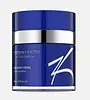 Key Ingredients
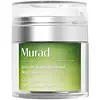
Benefits
Concerns
Ingredients Side-by-side
Water
Skin ConditioningDimethicone
Emollient
Ethylhexyl Isononanoate
EmollientLactococcus Ferment Lysate
Skin ConditioningGlycerin
Humectant



Stearic Acid
Cleansing

Arachidyl Alcohol
EmollientCaprylic/Capric/Myristic/Stearic Triglyceride
EmollientSqualane
Emollient
Hydrogenated Coco-Glycerides
Emollient
Hydrolyzed Vegetable Protein
Skin ConditioningPolyacrylate-13
Glyceryl Stearate
Emollient
Helianthus Annuus Seed Oil Unsaponifiables
Emollient
PEG-100 Stearate
Behenyl Alcohol
Emollient
Linoleic Acid
Cleansing



Arachidyl Glucoside
EmulsifyingPolysorbate 20
Emulsifying
Butyrospermum Parkii Butter
Skin Conditioning
Melilotus Officinalis Extract
AstringentEpilobium Angustifolium Flower/Leaf/Stem Extract
Skin ConditioningEvodia Rutaecarpa Fruit Extract
Skin ConditioningGlycine Soja Sterols
Emollient
Retinyl Palmitate
Skin Conditioning





Retinol
Skin Conditioning
Tocopherol
Antioxidant

Caprylic/Capric Triglyceride
Masking
Polyisobutene
Butylene Glycol
Humectant
Caprylyl Glycol
Emollient
Carbomer
Emulsion StabilisingCeramide Ng
Skin Conditioning
Polyglutamic Acid
Skin Conditioning
Hexylene Glycol
EmulsifyingCaprooyl Tetrapeptide-3
Skin Protecting
Phospholipids
Skin Conditioning
Lecithin
Emollient
Biosaccharide Gum-4
Skin Conditioning
Micrococcus Lysate
Skin ConditioningBHT
Antioxidant
Acetyl Hexapeptide-8
Humectant
Dextran
Trehalose
Humectant
Tetrasodium EDTA

Sodium Hydroxide
BufferingCitric Acid
Buffering
Phenoxyethanol
Preservative
Ethylhexylglycerin
Skin ConditioningSodium Benzoate
Masking
Sorbic Acid
Preservative
Water, Dimethicone, Ethylhexyl Isononanoate, Lactococcus Ferment Lysate, Glycerin, Stearic Acid, Arachidyl Alcohol, Caprylic/Capric/Myristic/Stearic Triglyceride, Squalane, Hydrogenated Coco-Glycerides, Hydrolyzed Vegetable Protein, Polyacrylate-13, Glyceryl Stearate, Helianthus Annuus Seed Oil Unsaponifiables, PEG-100 Stearate, Behenyl Alcohol, Linoleic Acid, Arachidyl Glucoside, Polysorbate 20, Butyrospermum Parkii Butter, Melilotus Officinalis Extract, Epilobium Angustifolium Flower/Leaf/Stem Extract, Evodia Rutaecarpa Fruit Extract, Glycine Soja Sterols, Retinyl Palmitate, Retinol, Tocopherol, Caprylic/Capric Triglyceride, Polyisobutene, Butylene Glycol, Caprylyl Glycol, Carbomer, Ceramide Ng, Polyglutamic Acid, Hexylene Glycol, Caprooyl Tetrapeptide-3, Phospholipids, Lecithin, Biosaccharide Gum-4, Micrococcus Lysate, BHT, Acetyl Hexapeptide-8, Dextran, Trehalose, Tetrasodium EDTA, Sodium Hydroxide, Citric Acid, Phenoxyethanol, Ethylhexylglycerin, Sodium Benzoate, Sorbic Acid
Water
Skin ConditioningIsostearyl Hydroxystearate
EmollientNiacinamide
Smoothing

Propanediol
Solvent
Caprylic/Capric Triglyceride
Masking
C14-22 Alcohols
Emulsion Stabilising
Polymethylsilsesquioxane
Dimethicone
Emollient
Cetyl Alcohol
Emollient
Glyceryl Stearate
Emollient
Hydrolyzed Yeast Extract
Skin ConditioningIsopropyl Palmitate
Emollient
Retinol
Skin Conditioning
Retinyl Propionate
Skin Conditioning
Oleyl Alcohol
Emollient
Sodium Hyaluronate
Humectant
Serine
Masking
Hexyldecanol
Emollient
Glycine Soja Extract
Skin ConditioningTocopheryl Acetate
Antioxidant
Glycine Soja Sterols
Emollient
Urea
Buffering
Yeast Amino Acids
HumectantTrehalose
Humectant
Inositol
Humectant
Taurine
BufferingBetaine
Humectant
Glycerin
Humectant
Polyglucuronic Acid
Skin ConditioningC12-20 Alkyl Glucoside
EmulsifyingDioscorea Batatas Extract
Antioxidant
Pentylene Glycol
Skin ConditioningGlyceryl Polyacrylate
Algin
Masking
Caprylyl Glycol
Emollient
Swertia Chirata Extract
HumectantLecithin
Emollient
Pullulan
Disodium Phosphate
BufferingPotassium Phosphate
BufferingPEG-75 Stearate
Ceteth-20
CleansingSteareth-20
CleansingCetyl Hydroxyethylcellulose
Emulsion StabilisingPhenoxyethanol
Preservative
Ethylhexylglycerin
Skin ConditioningPicolinamide
EmollientDisodium EDTA
Sodium Hydroxide
BufferingHexylene Glycol
EmulsifyingSodium Benzotriazolyl Butylphenol Sulfonate
UV AbsorberAmmonium Acryloyldimethyltaurate/Vp Copolymer
CI 19140
Cosmetic ColorantCI 14700
Cosmetic ColorantAlpha-Isomethyl Ionone
Perfuming

Citronellol
Perfuming
Parfum
Masking
Water, Isostearyl Hydroxystearate, Niacinamide, Propanediol, Caprylic/Capric Triglyceride, C14-22 Alcohols, Polymethylsilsesquioxane, Dimethicone, Cetyl Alcohol, Glyceryl Stearate, Hydrolyzed Yeast Extract, Isopropyl Palmitate, Retinol, Retinyl Propionate, Oleyl Alcohol, Sodium Hyaluronate, Serine, Hexyldecanol, Glycine Soja Extract, Tocopheryl Acetate, Glycine Soja Sterols, Urea, Yeast Amino Acids, Trehalose, Inositol, Taurine, Betaine, Glycerin, Polyglucuronic Acid, C12-20 Alkyl Glucoside, Dioscorea Batatas Extract, Pentylene Glycol, Glyceryl Polyacrylate, Algin, Caprylyl Glycol, Swertia Chirata Extract, Lecithin, Pullulan, Disodium Phosphate, Potassium Phosphate, PEG-75 Stearate, Ceteth-20, Steareth-20, Cetyl Hydroxyethylcellulose, Phenoxyethanol, Ethylhexylglycerin, Picolinamide, Disodium EDTA, Sodium Hydroxide, Hexylene Glycol, Sodium Benzotriazolyl Butylphenol Sulfonate, Ammonium Acryloyldimethyltaurate/Vp Copolymer, CI 19140, CI 14700, Alpha-Isomethyl Ionone, Citronellol, Parfum
Reviews
Ingredients Explained
These ingredients are found in both products.
Ingredients higher up in an ingredient list are typically present in a larger amount.
This ingredient is an emollient, solvent, and texture enhancer. It is considered a skin-softener by helping the skin prevent moisture loss.
It helps thicken a product's formula and makes it easier to spread by dissolving clumping compounds.
Caprylic Triglyceride is made by combining glycerin with coconut oil, forming a clear liquid.
While there is an assumption Caprylic Triglyceride can clog pores due to it being derived from coconut oil, there is no research supporting this.
Learn more about Caprylic/Capric TriglycerideCaprylyl Glycol is a humectant and emollient, meaning it attracts and preserves moisture.
It is a common ingredient in many products, especially those designed to hydrate skin. The primary benefits are retaining moisture, skin softening, and promoting a healthy skin barrier.
Though Caprylyl Glycol is an alcohol derived from fatty acids, it is not the kind that can dry out skin.
This ingredient is also used as a preservative to extend the life of products. It has slight antimicrobial properties.
Learn more about Caprylyl GlycolDimethicone is a type of synthetic silicone created from natural materials such as quartz.
What it does:
Dimethicone comes in different viscosities:
Depending on the viscosity, dimethicone has different properties.
Ingredients lists don't always show which type is used, so we recommend reaching out to the brand if you have questions about the viscosity.
This ingredient is unlikely to cause irritation because it does not get absorbed into skin. However, people with silicone allergies should be careful about using this ingredient.
Note: Dimethicone may contribute to pilling. This is because it is not oil or water soluble, so pilling may occur when layered with products. When mixed with heavy oils in a formula, the outcome is also quite greasy.
Learn more about DimethiconeEthylhexylglycerin (we can't pronounce this either) is commonly used as a preservative and skin softener. It is derived from glyceryl.
You might see Ethylhexylglycerin often paired with other preservatives such as phenoxyethanol. Ethylhexylglycerin has been found to increase the effectiveness of these other preservatives.
Glycerin is already naturally found in your skin. It helps moisturize and protect your skin.
A study from 2016 found glycerin to be more effective as a humectant than AHAs and hyaluronic acid.
As a humectant, it helps the skin stay hydrated by pulling moisture to your skin. The low molecular weight of glycerin allows it to pull moisture into the deeper layers of your skin.
Hydrated skin improves your skin barrier; Your skin barrier helps protect against irritants and bacteria.
Glycerin has also been found to have antimicrobial and antiviral properties. Due to these properties, glycerin is often used in wound and burn treatments.
In cosmetics, glycerin is usually derived from plants such as soybean or palm. However, it can also be sourced from animals, such as tallow or animal fat.
This ingredient is organic, colorless, odorless, and non-toxic.
Glycerin is the name for this ingredient in American English. British English uses Glycerol/Glycerine.
Learn more about GlycerinGlyceryl Stearate is a mix of glycerin and stearic acid.
It is used to stabilize the mixing of water and oil ingredients. By preventing these ingredients from separating, it can help elongate shelf life. It can also help thicken the product's texture.
As an emollient, it helps soften skin and supports barrier-replenishing ingredients.
In cosmetics, Glyceryl Stearate is often made from vegetable oils or synthetically produced.
This ingredient may not be fungal-acne safe
Fun fact: The human body also creates Glyceryl Stearate naturally.
Learn more about Glyceryl StearateGlycine Soja Sterols is derived from the soybean plant. Sterols are an organic compound and technically an alcohol.
Unlike solvent alcohols, glycine soja sterols have emollient properties and help hydrate the skin.
This ingredient may not be Malassezia folliculitis, or fungal-acne safe.
Sterols can be found in plants, animals, and fungi.
Learn more about Glycine Soja SterolsHexylene Glycol is a surfactant. Glycols are a class of alcohols. Hexylene Glycol is a surfactant and emulsifier.
As a surfactant, Hexylene Glycol helps gather dirt and oil on your skin to be washed away.
As an emulsifier, Hexylene Glycol helps keep water and oil together. This prevents them from separating in a product. Hexylene Glycol also thins out the texture of a product by lessening viscosity.
Hexylene Glycol has a small molecular weight.
Learn more about Hexylene GlycolLecithin is a term for a group of substances found in the cell membranes of plants, animals, and humans. They are made up of mixture of phospholipids.
This ingredient has emollient and emulsifying properties.
As an emollient, lecithen helps soften the skin and creates a barrier to keep moisture in.
As an emulsifier, it also helps prevent water and oil ingredients from separating. Lecithin can also help ingredients be better absorbed by the skin.
This is because the phospholipids in lecithin produce liposomes. Liposomes help other ingredients get through the skin barrier.
Depending on the source of this ingredient, lecithin may not be fungal acne safe. This is because some sources of lecithin come from soybean oil, which may feed the malassezia yeast that feeds fungal acne.
We recommend reaching out to the brand you are purchasing from to inquire about the source of their lecithin.
Some other names for this ingredient include soy lecithin and deoiled soy lecithin.
Learn more about LecithinPhenoxyethanol is a preservative that has germicide, antimicrobial, and aromatic properties. Studies show that phenoxyethanol can prevent microbial growth. By itself, it has a scent that is similar to that of a rose.
It's often used in formulations along with Caprylyl Glycol to preserve the shelf life of products.
Retinol is a gold-standard ingredient for anti-aging. It is a form of Vitamin A and belongs to the class of retinoids that also includes tretinoin.
Why is retinol famous?
It has the most scientific studies backing up its skin benefits out of all the non-prescription ingredients.
Retinol is proven to:
This is why retinol is effective at removing wrinkles, fading dark spots, treating acne, and reducing the appearance of pores.
Studies show retinol is less effective when exposed to UV. Be sure to look for appropriate packaging to keep your retinol potent (similar to Vitamin C).
Using retinol or any retinoids will increase sun-sensitivity in the first few months. Though studies show retinoids increase your skin's natural SPF with continuous use, it is best to always wear sunscreen and sun-protection.
We recommend speaking with a medical professional about using this ingredient during pregnancy.
Retinol may cause irritation in some people, so be sure to patch test. Experts recommend 'ramping up' retinol use: start using this ingredient once a week and work up to using it daily.
Read about Tretinoin
Learn more about RetinolSodium Hydroxide is also known as lye or caustic soda. It is used to adjust the pH of products; many ingredients require a specific pH to be effective.
In small amounts, sodium hydroxide is considered safe to use. However, large amounts may cause chemical burns due to its high alkaline.
Your skin has a natural pH and acid mantle. This acid mantle helps prevent harmful bacteria from breaking through. The acid mantle also helps keep your skin hydrated.
"Alkaline" refers to a high pH level. A low pH level would be considered acidic.
Learn more about Sodium HydroxideTrehalose is a disaccharide made of two glucose molecules (glucose is sugar!). Trehalose is used to help moisturize skin. It also has antioxidant properties.
As a humectant, trehalose helps draw moisture from the air to your skin. This helps keep your skin hydrated.
Due to its antioxidant properties, trehalose may help with signs of aging. Antioxidants help fight free-radical molecules, unstable molecules that may damage your skin.
In medicine, trehalose and hyaluronic acid are used to help treat dry eyes.
Some animals, plants, and bacteria create trehalose as a source of energy to survive freeze or lack of water.
Learn more about TrehaloseWater. It's the most common cosmetic ingredient of all. You'll usually see it at the top of ingredient lists, meaning that it makes up the largest part of the product.
So why is it so popular? Water most often acts as a solvent - this means that it helps dissolve other ingredients into the formulation.
You'll also recognize water as that liquid we all need to stay alive. If you see this, drink a glass of water. Stay hydrated!
Learn more about Water
