
What's inside
What's inside
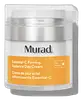 Key Ingredients
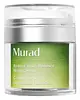
Benefits
Concerns
Ingredients Side-by-side
Water
Skin ConditioningGlycerin
Humectant


Ethylhexyl Olivate
Skin Conditioning
Polyglyceryl-6 Distearate
Emulsifying
Butylene Glycol
Humectant
Butyrospermum Parkii Butter
Skin Conditioning

Vitis Vinifera Seed Oil
Emollient

Niacinamide
Smoothing








Propanediol
Solvent
Dipentaerythrityl Hexa C5-9 Acid Esters
Skin ConditioningAnanas Sativus Fruit Extract
Skin ConditioningTetrahexyldecyl Ascorbate
Antioxidant

Ascorbic Acid
Antioxidant
Urea
Buffering
Yeast Amino Acids
HumectantTrehalose
Humectant
Inositol
Humectant
Taurine
BufferingBetaine
Humectant
Bacillus Ferment
Skin Conditioning
Biosaccharide Gum-4
Skin Conditioning
Glutathione
Jojoba Esters
Emollient
Tocopherol
Antioxidant
Ethylhexylglycerin
Skin ConditioningBis-Behenyl/Isostearyl/Phytosteryl Dimer Dilinoleyl Dimer Dilinoleate
EmollientSqualane
Emollient
Sorbitol
Humectant
Arachidyl Alcohol
Emollient
Cetearyl Alcohol
Emollient
Behenyl Alcohol
Emollient
Coco-Glucoside
Cleansing
Arachidyl Glucoside
EmulsifyingCetyl Alcohol
Emollient
Polyglyceryl-3 Beeswax
Emulsifying
Cyclodextrin
AbsorbentAcrylates/C10-30 Alkyl Acrylate Crosspolymer
Emulsion StabilisingXanthan Gum
EmulsifyingLeuconostoc/Radish Root Ferment Filtrate
Antimicrobial
Glucose
Humectant
Gold
Cosmetic ColorantTetrasodium Glutamate Diacetate
Sodium Hydroxide
BufferingSodium Benzoate
Masking
Chlorphenesin
Antimicrobial
1,2-Hexanediol
Skin Conditioning
Caprylyl Glycol
Emollient
Benzyl Salicylate
Perfuming


Limonene
Perfuming

Linalool
Perfuming
Parfum
Masking
Tea-Sulfate
Buffering
Soy Protein Phthalate
EmollientGlutaral
Preservative
Paraffinum Liquidum
Emollient
Formaldehyde
Benzophenone-3
UV Absorber

Petrolatum
Emollient
Water, Glycerin, Ethylhexyl Olivate, Polyglyceryl-6 Distearate, Butylene Glycol, Butyrospermum Parkii Butter, Vitis Vinifera Seed Oil, Niacinamide, Propanediol, Dipentaerythrityl Hexa C5-9 Acid Esters, Ananas Sativus Fruit Extract, Tetrahexyldecyl Ascorbate, Ascorbic Acid, Urea, Yeast Amino Acids, Trehalose, Inositol, Taurine, Betaine, Bacillus Ferment, Biosaccharide Gum-4, Glutathione, Jojoba Esters, Tocopherol, Ethylhexylglycerin, Bis-Behenyl/Isostearyl/Phytosteryl Dimer Dilinoleyl Dimer Dilinoleate, Squalane, Sorbitol, Arachidyl Alcohol, Cetearyl Alcohol, Behenyl Alcohol, Coco-Glucoside, Arachidyl Glucoside, Cetyl Alcohol, Polyglyceryl-3 Beeswax, Cyclodextrin, Acrylates/C10-30 Alkyl Acrylate Crosspolymer, Xanthan Gum, Leuconostoc/Radish Root Ferment Filtrate, Glucose, Gold, Tetrasodium Glutamate Diacetate, Sodium Hydroxide, Sodium Benzoate, Chlorphenesin, 1,2-Hexanediol, Caprylyl Glycol, Benzyl Salicylate, Limonene, Linalool, Parfum, Tea-Sulfate, Soy Protein Phthalate, Glutaral, Paraffinum Liquidum, Formaldehyde, Benzophenone-3, Petrolatum
Water
Skin ConditioningIsostearyl Hydroxystearate
EmollientNiacinamide
Smoothing
Propanediol
Solvent
Caprylic/Capric Triglyceride
Masking
C14-22 Alcohols
Emulsion Stabilising
Polymethylsilsesquioxane

Dimethicone
Emollient
Cetyl Alcohol
Emollient
Glyceryl Stearate
Emollient
Hydrolyzed Yeast Extract
Skin ConditioningIsopropyl Palmitate
Emollient
Retinol
Skin Conditioning
Retinyl Propionate
Skin Conditioning
Oleyl Alcohol
Emollient
Sodium Hyaluronate
Humectant
Serine
Masking
Hexyldecanol
Emollient
Glycine Soja Extract
Skin ConditioningTocopheryl Acetate
Antioxidant
Glycine Soja Sterols
Emollient
Urea
Buffering
Yeast Amino Acids
HumectantTrehalose
Humectant
Inositol
Humectant
Taurine
BufferingBetaine
Humectant
Glycerin
Humectant
Polyglucuronic Acid
Skin ConditioningC12-20 Alkyl Glucoside
EmulsifyingDioscorea Villosa Root Extract
Skin Conditioning
Pentylene Glycol
Skin Conditioning
Glyceryl Polyacrylate
Algin
Masking
Caprylyl Glycol
Emollient
Swertia Chirata Extract
HumectantLecithin
Emollient
Pullulan
Disodium Phosphate
BufferingPotassium Phosphate
BufferingPEG-75 Stearate
Ceteth-20
CleansingSteareth-20
CleansingCetyl Hydroxyethylcellulose
Emulsion StabilisingPhenoxyethanol
Preservative
Ethylhexylglycerin
Skin ConditioningPicolinamide
EmollientDisodium EDTA
Sodium Hydroxide
BufferingHexylene Glycol
EmulsifyingSodium Benzotriazolyl Butylphenol Sulfonate
UV AbsorberAmmonium Acryloyldimethyltaurate/Vp Copolymer
CI 19140
Cosmetic ColorantCI 14700
Cosmetic ColorantAlpha-Isomethyl Ionone
Perfuming
Citronellol
Perfuming
Parfum
Masking
Water, Isostearyl Hydroxystearate, Niacinamide, Propanediol, Caprylic/Capric Triglyceride, C14-22 Alcohols, Polymethylsilsesquioxane, Dimethicone, Cetyl Alcohol, Glyceryl Stearate, Hydrolyzed Yeast Extract, Isopropyl Palmitate, Retinol, Retinyl Propionate, Oleyl Alcohol, Sodium Hyaluronate, Serine, Hexyldecanol, Glycine Soja Extract, Tocopheryl Acetate, Glycine Soja Sterols, Urea, Yeast Amino Acids, Trehalose, Inositol, Taurine, Betaine, Glycerin, Polyglucuronic Acid, C12-20 Alkyl Glucoside, Dioscorea Villosa Root Extract, Pentylene Glycol, Glyceryl Polyacrylate, Algin, Caprylyl Glycol, Swertia Chirata Extract, Lecithin, Pullulan, Disodium Phosphate, Potassium Phosphate, PEG-75 Stearate, Ceteth-20, Steareth-20, Cetyl Hydroxyethylcellulose, Phenoxyethanol, Ethylhexylglycerin, Picolinamide, Disodium EDTA, Sodium Hydroxide, Hexylene Glycol, Sodium Benzotriazolyl Butylphenol Sulfonate, Ammonium Acryloyldimethyltaurate/Vp Copolymer, CI 19140, CI 14700, Alpha-Isomethyl Ionone, Citronellol, Parfum
Reviews
Ingredients Explained
These ingredients are found in both products.
Ingredients higher up in an ingredient list are typically present in a larger amount.
Betaine is a humectant. Like hyaluronic acid, it helps attract and retain moisture in the skin. It’s known for being gentle and for helping the skin maintain balanced hydration.
Betaine is mainly used to improve hydration and support calmer skin. It helps skin cells regulate water balance because it functions as an osmolyte.
Some studies suggest betaine may support making skin tone more even.
Fun fact: Betaine naturally exists in the skin and the body. In cosmetic products, it can be either plant-derived (most commonly from sugar beets) or synthetically produced for consistency and stability.
Betaine is also known as trimethylglycine.
Learn more about BetaineCaprylyl Glycol is a humectant, skin conditioner, emollient, and preservative booster derived from either caprylic acid or synthetically created.
Typical use levels vary from 0.3-1% as a preservative booster and go up to 2% to condition skin.
Because it is not a free-fatty acid or alcohol, this ingredient is fungal acne safe (there's nothing for Malassezia to feed on).
Learn more about Caprylyl GlycolCetyl Alcohol is a fatty alcohol. Fatty Alcohols are most often used as an emollient or to thicken a product.
Its main roles are:
Though it has "alcohol" in the name, it is not related to denatured alcohol or ethyl alcohol.
The FDA allows products labeled "alcohol-free" to have fatty alcohols.
Learn more about Cetyl AlcoholEthylhexylglycerin is created from glycerin. It is a multitasker ingredient that:
The CIR Expert Panel found minimal skin absorption or sensitization of any kind in a safety assessment. Though this ingredient is considered well-tolerated, a small number of cases of allergic dermatitis have been published since 2002. Just be sure to patch test if you are unsure.
Industry-reported use ranges from 8% in rinse-off products and 2% in leave-on formulations.
Learn more about EthylhexylglycerinGlycerin (or glycerol) is a compound naturally found in your skin. It's a powerhouse humectant that pulls water into the stratum corneum.
Topically, glycerin does several things at once:
Your skin makes glycerin on its own (mostly from sebaceous oil breakdown) and shuttles it to your outermost layer of skin, or your epidermis, via aquaporin-3.
Aquaporin-3 is a transporter that is essential for normal skin hydration, elasticity, and repair. Interestingly, mice lacking in AQP3 have dry and less elastic skin that can be fully corrected with glycerin.
This ingredient is non-irritating, plays well with almost every ingredient, and works across all skin types. Typical use is anywhere between 3-10% but can go up to 79% in some leave-on products.
Just know very high concentrations (>40%) can feel tacky in low humidity.
Glycerin is the name for this ingredient in American English. British English uses Glycerol/Glycerine.
Learn more about GlycerinInositol is a sugar alcohol naturally found in the human body. Our bodies use this ingredient in the process of growing new cells.
Studies show inositol to be a key component for keratinocyte growth.
Keratinocytes make up the majority of the outermost layer of skin. These cells protect our skin from UV exposure, infection, and help keep skin hydrated.
This ingredient is also considered a humectant. Humectants help hydrate the skin by drawing moisture to it.
Learn more about InositolNiacinamide is a multitasking form of vitamin B3 that strengthens the skin barrier, reduces pores and dark spots, regulates oil, and improves signs of aging.
And the best part? It's gentle and well-tolerated by most skin types, including sensitive and reactive skin.
You might have heard of "niacin flush", or the reddening of skin that causes itchiness. Niacinamide has not been found to cause this.
In very rare cases, some individuals may not be able to tolerate niacinamide at all or experience an allergic reaction to it.
If you are experiencing flaking, irritation, and dryness with this ingredient, be sure to double check all your products as this ingredient can be found in all categories of skincare.
When incorporating niacinamide into your routine, look out for concentration amounts. Typically, 5% niacinamide provides benefits such as fading dark spots. However, if you have sensitive skin, it is better to begin with a smaller concentration.
When you apply niacinamide to your skin, your body converts it into nicotinamide adenine dinucleotide (NAD). NAD is an essential coenzyme that is already found in your cells as "fuel" and powers countless biological processes.
In your skin, NAD helps repair cell damage, produce new healthy cells, support collagen production, strengthen the skin barrier, and fight environmental stressors (like UV and pollution).
Our natural NAD levels start to decline with age, leading to slower skin repair, visible aging, and a weaker skin barrier. By providing your skin niacinamide, you're recharging your skin's NAD levels. This leads to stronger, healthier, and younger looking skin.
Another name for vitamin B3 is nicotinamide. This vitamin is water-soluble and our bodies don't store it. We obtain Vitamin B3 from either food or skincare. Meat, fish, wheat, yeast, and leafy greens contain vitamin B3.
The type of niacinamide used in skincare is synthetically created.
Learn more about NiacinamideParfum is a catch-all term for an ingredient or more that is used to give a scent to products.
Also called "fragrance", this ingredient can be a blend of hundreds of chemicals or plant oils. This means every product with "fragrance" or "parfum" in the ingredients list is a different mixture.
For instance, Habanolide is a proprietary trade name for a specific aroma chemical. When used as a fragrance ingredient in cosmetics, most aroma chemicals fall under the broad labeling category of “FRAGRANCE” or “PARFUM” according to EU and US regulations.
The term 'parfum' or 'fragrance' is not regulated in many countries. In many cases, it is up to the brand to define this term.
For instance, many brands choose to label themselves as "fragrance-free" because they are not using synthetic fragrances. However, their products may still contain ingredients such as essential oils that are considered a fragrance by INCI standards.
One example is Calendula flower extract. Calendula is an essential oil that still imparts a scent or 'fragrance'.
Depending on the blend, the ingredients in the mixture can cause allergies and sensitivities on the skin. Some ingredients that are known EU allergens include linalool and citronellol.
Parfum can also be used to mask or cover an unpleasant scent.
The bottom line is: not all fragrances/parfum/ingredients are created equally. If you are worried about fragrances, we recommend taking a closer look at an ingredient. And of course, we always recommend speaking with a professional.
Learn more about ParfumPropanediol is an all-star ingredient. It softens, hydrates, and smooths the skin.
It’s often used to:
Propanediol is not likely to cause sensitivity and considered safe to use. It is derived from corn or petroleum with a clear color and no scent.
Learn more about PropanediolSodium Hydroxide is also known as lye or caustic soda. It is used to adjust the pH of products; many ingredients require a specific pH to be effective.
In small amounts, sodium hydroxide is considered safe to use. However, large amounts may cause chemical burns due to its high alkaline.
Your skin has a natural pH and acid mantle. This acid mantle helps prevent harmful bacteria from breaking through. The acid mantle also helps keep your skin hydrated.
"Alkaline" refers to a high pH level. A low pH level would be considered acidic.
Learn more about Sodium HydroxideTaurine is an amino acid that is found in human skin as an osmolyte. An osmolyte is a small molecule that cells use to hold onto water and stay comfortable under stressful conditions.
In skin cell studies, taurine accumulation helps cells maintain hydration in low-humidity environments. Some dermatology research on osmolytes also link taurine to barrier support. Research also suggests that osomolyte systems can be disrupted in photoaged skin.
One animal study reported tropical taurine improved barrier function and collagen signaling, while another one found oral taurine can lessen UVB-related damage. It is important to note that evidence for taurine in skincare is mostly preclinical, meaning further studies are needed.
Learn more about TaurineTrehalose is a disaccharide made of two glucose molecules (glucose is sugar!). Trehalose is used to help moisturize skin. It also has antioxidant properties.
As a humectant, trehalose helps draw moisture from the air to your skin. This helps keep your skin hydrated.
Due to its antioxidant properties, trehalose may help with signs of aging. Antioxidants help fight free-radical molecules, unstable molecules that may damage your skin.
In medicine, trehalose and hyaluronic acid are used to help treat dry eyes.
Some animals, plants, and bacteria create trehalose as a source of energy to survive freeze or lack of water.
Learn more about TrehaloseUrea is also called carbamide and is the diamide of carbonic acid. In cosmetics, urea is used to hydrate the skin. It also provides exfoliation in higher concentrations.
As a humectant, urea helps draw moisture from the air and from deep within the skin. This helps hydrate your skin. Studies show urea is an effective moisturizer for dry skin conditions. 40% urea is typical in medications for treating eczema and other skin conditions.
Urea has the strongest exfoliation effect in concentrations higher than 10%. It is a keratolytic agent, meaning it breaks down the keratin protein in the top layer of skin. This helps remove dead skin cells and flaking skin.
In medicine, urea has been shown to help increase the potency of other ingredients, such as fungal treatments.
Humans and animals use urea to metabolize nitrogen-containing compounds. Urea is highly soluble in water. Once dissolved, it is neither acidic nor alkaline.
Urea is actually one of the more well-studied and well-supported ingredients out there if you have eczema.
Clinical trials have shown that urea creams in the 5 - 10% range can:
Higher concentrations (20 -30%) can also help with thickened, scaly patches but is also more likely to sting on active flares.
Skip urea if you have rosacea. The AAD (American Academy of Dermatology) lists it alongside alcohol, menthol, and fragrance as a potential irritant for rosacea-prone skin. Urea's keratolytic and penetration-enhancing properties can trigger stinging, burning, and redness.
As always, your skin is unique, so definitely check in with your dermatologist.
Learn more about UreaWater. It's the most common cosmetic ingredient of all. You'll usually see it at the top of ingredient lists, meaning that it makes up the largest part of the product.
So why is it so popular? Water most often acts as a solvent - this means that it helps dissolve other ingredients into the formulation.
You'll also recognize water as that liquid we all need to stay alive. If you see this, drink a glass of water. Remember to stay hydrated!
Learn more about WaterWe don't have a description for Yeast Amino Acids yet.

