Tula Skincare Protect + Plump Firming & Hydrating Face Moisturizer Versus Tula Skincare Brightening Treatment Drops Triple Vitamin C Serum
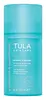
This anti-aging moisturizer is formulated around Squalane and Lactococcus Ferment Lysate to soften the look of wrinkles and hydrate skin.
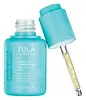
This brightening serum is formulated around 3-O-Ethyl Ascorbic Acid and Lactococcus Ferment Lysate to brighten dull-looking skin and fade the look of dark spots.

What's inside
What's inside
 Key Ingredients
Benefits
Concerns
Ingredients Side-by-side
Water
Skin ConditioningSqualane
Emollient


Caprylic/Capric Triglyceride
Masking
Glycerin
Humectant
Lactococcus Ferment Lysate
Skin Conditioning
Isoamyl Laurate
Emollient

Cetearyl Olivate
Butyrospermum Parkii Butter
Skin Conditioning


Pseudozyma Epicola/Argania Spinosa Kernel Oil/Olive Fruit Oil/Sunflower Seed Oil/(Angelica Gigas/Licorice/Lithospermum Erythrorhizon) Root Ferment Extract Filtrate
Emollient
Sorbitan Olivate
Emulsifying
Lycium Barbarum Fruit Extract
Astringent
Copper Palmitoyl Heptapeptide-14
Skin Conditioning
Heptapeptide-15 Palmitate
Skin Conditioning
Honey
Humectant
Phospholipids
Skin Conditioning
Betaine
Humectant
Niacinamide
Smoothing






Sodium Phytate
Sorbitol
Humectant
Gluconolactone
Skin Conditioning
Lactic Acid
Buffering

Phosphatidylcholine
EmulsifyingSesamum Indicum Seed Extract
Skin Conditioning
Tremella Fuciformis Sporocarp Extract
Antioxidant
Dehydroacetic Acid
Preservative
Docosahexaenoic Acid
Skin Conditioning
Sphingolipids
Emollient
Xanthan Gum
EmulsifyingPinus Pinaster Bark Extract
Antioxidant
Sodium Acetylated Hyaluronate
Humectant
Sodium Hyaluronate
Humectant
Hyaluronic Acid
Humectant
Eicosapentaenoic Acid
Emollient
Lactic Acid/Glycolic Acid Copolymer
Skin ConditioningCaprylyl Glycol
Emollient
Sodium Hyaluronate Crosspolymer
Humectant
Tocopherol
Antioxidant
Tetrasodium Glutamate Diacetate
Tocopheryl Acetate
Antioxidant
Hydrolyzed Sodium Hyaluronate
Skin Conditioning
Calcium Gluconate
HumectantGlyceryl Caprylate
EmollientPolyvinyl Alcohol
Phenylpropanol
Masking

Phytosphingosine
Skin Conditioning
Curcuma Longa Root Extract
Antioxidant
Dimethylmethoxy Chromanol
Antioxidant
Ascorbyl Palmitate
Antioxidant
Lecithin
Emollient
Hydrogenated Palm Glycerides
Emollient
Phenoxyethanol
Preservative
Tetrahexyldecyl Ascorbate
Antioxidant
Potassium Sorbate
Preservative
Carbomer
Emulsion StabilisingCetyl Palmitate
Emollient
Propanediol
Solvent
Sodium Chloride
MaskingDimethyl Isosorbide
SolventSorbitan Palmitate
Emulsifying
Cetyl Alcohol
Emollient
Pentylene Glycol
Skin Conditioning
Sodium Hydroxide
BufferingSodium Benzoate
Masking
Ethylhexylglycerin
Skin ConditioningWater, Squalane, Caprylic/Capric Triglyceride, Glycerin, Lactococcus Ferment Lysate, Isoamyl Laurate, Cetearyl Olivate, Butyrospermum Parkii Butter, Pseudozyma Epicola/Argania Spinosa Kernel Oil/Olive Fruit Oil/Sunflower Seed Oil/(Angelica Gigas/Licorice/Lithospermum Erythrorhizon) Root Ferment Extract Filtrate, Sorbitan Olivate, Lycium Barbarum Fruit Extract, Copper Palmitoyl Heptapeptide-14, Heptapeptide-15 Palmitate, Honey, Phospholipids, Betaine, Niacinamide, Sodium Phytate, Sorbitol, Gluconolactone, Lactic Acid, Phosphatidylcholine, Sesamum Indicum Seed Extract, Tremella Fuciformis Sporocarp Extract, Dehydroacetic Acid, Docosahexaenoic Acid, Sphingolipids, Xanthan Gum, Pinus Pinaster Bark Extract, Sodium Acetylated Hyaluronate, Sodium Hyaluronate, Hyaluronic Acid, Eicosapentaenoic Acid, Lactic Acid/Glycolic Acid Copolymer, Caprylyl Glycol, Sodium Hyaluronate Crosspolymer, Tocopherol, Tetrasodium Glutamate Diacetate, Tocopheryl Acetate, Hydrolyzed Sodium Hyaluronate, Calcium Gluconate, Glyceryl Caprylate, Polyvinyl Alcohol, Phenylpropanol, Phytosphingosine, Curcuma Longa Root Extract, Dimethylmethoxy Chromanol, Ascorbyl Palmitate, Lecithin, Hydrogenated Palm Glycerides, Phenoxyethanol, Tetrahexyldecyl Ascorbate, Potassium Sorbate, Carbomer, Cetyl Palmitate, Propanediol, Sodium Chloride, Dimethyl Isosorbide, Sorbitan Palmitate, Cetyl Alcohol, Pentylene Glycol, Sodium Hydroxide, Sodium Benzoate, Ethylhexylglycerin
Water
Skin Conditioning3-O-Ethyl Ascorbic Acid
Skin Conditioning
Lactococcus Ferment Lysate
Skin Conditioning
Propanediol
Solvent
1,2-Hexanediol
Skin Conditioning
Ascorbyl Glucoside
Antioxidant
Sodium Citrate
BufferingPentylene Glycol
Skin Conditioning
Cichorium Intybus Root Extract
MaskingMelia Azadirachta Leaf Extract
Skin ConditioningMelia Azadirachta Flower Extract
Skin ConditioningCorallina Officinalis Extract
Skin Conditioning
Curcuma Longa Root Extract
Antioxidant
Ocimum Basilicum Flower/Leaf Extract
TonicLactic Acid
Buffering
Ocimum Sanctum Leaf Extract
Skin ConditioningVaccinium Vitis-Idaea Fruit Extract
Antioxidant
Citrus Unshiu Peel Extract
MaskingHippophae Rhamnoides Fruit Extract
Skin Conditioning
Litchi Chinensis Seed Extract
Skin ConditioningMangifera Indica Leaf Extract
Skin ConditioningGold
Cosmetic ColorantGlutathione
Hydroxyacetophenone
Antioxidant
Acetyl Cysteine
Antioxidant
Sodium Sulfite
Preservative
Sorbitol
Humectant
Citric Acid
Buffering
Sclerotium Gum
Emulsion StabilisingXanthan Gum
EmulsifyingCaprylyl Glycol
Emollient
Ascorbic Acid
Antioxidant
Sodium Phytate
Lecithin
Emollient
Pullulan
Silica
Abrasive
Sodium Chloride
MaskingSodium Benzoate
Masking
Water, 3-O-Ethyl Ascorbic Acid, Lactococcus Ferment Lysate, Propanediol, 1,2-Hexanediol, Ascorbyl Glucoside, Sodium Citrate, Pentylene Glycol, Cichorium Intybus Root Extract, Melia Azadirachta Leaf Extract, Melia Azadirachta Flower Extract, Corallina Officinalis Extract, Curcuma Longa Root Extract, Ocimum Basilicum Flower/Leaf Extract, Lactic Acid, Ocimum Sanctum Leaf Extract, Vaccinium Vitis-Idaea Fruit Extract, Citrus Unshiu Peel Extract, Hippophae Rhamnoides Fruit Extract, Litchi Chinensis Seed Extract, Mangifera Indica Leaf Extract, Gold, Glutathione, Hydroxyacetophenone, Acetyl Cysteine, Sodium Sulfite, Sorbitol, Citric Acid, Sclerotium Gum, Xanthan Gum, Caprylyl Glycol, Ascorbic Acid, Sodium Phytate, Lecithin, Pullulan, Silica, Sodium Chloride, Sodium Benzoate
Ingredients Explained
These ingredients are found in both products.
Ingredients higher up in an ingredient list are typically present in a larger amount.
Caprylyl Glycol is a humectant, skin conditioner, emollient, and preservative booster derived from either caprylic acid or synthetically created.
Typical use levels vary from 0.3-1% as a preservative booster and go up to 2% to condition skin.
Because it is not a free-fatty acid, this ingredient is fungal acne safe (there's nothing for Malassezia to feed on).
Learn more about Caprylyl GlycolCurcuma Longa Root Extract comes from the rhizome (underground stem) of the turmeric plant.
While the official EU Cosing Database lists this ingredient as a fragrance, it actually does more than give products a scent.
This ingredient contains a group of yellow pigments called curcuminoids (mostly curcumin) that give it genuine antioxidant and anti-inflammatory activity in skin.
Reviews of topical clinical studies have found turmeric/curcumin to be generally well-tolerated and useful across conditions like eczema and mild inflammation.
One thing working in its favor is that curcumin barely penetrates; in lab skin-permeation testing, the curcuminoids mostly stayed in the outermost layer of skin. This is a good thing because its soothing and antioxidant activity is a surface-level job anyway.
At this time, industry data shows there's no single "correct" cosmetic percentage. It's used across a wide range depending on the product and varies from tiny fractions of a percent up to a few percent.
Allergy-wise, curcumin is a documented (but uncommon) contact allergen. It can also cross react with related plants, so anyone with a turmeric/ginger/cinnamon allergy or reactive skin should patch test first.
Learn more about Curcuma Longa Root ExtractLactic Acid is another well-loved alpha hydroxy acid (AHA). It is gentler than glycolic acid but still highly effective.
Its main role is to exfoliate the surface of the skin by loosening the “glue” that holds dead skin cells together. Shedding those old cells leads to smoother, softer, and more even-toned skin.
Because lactic acid molecules are larger than glycolic acid, they don’t penetrate as deeply. This means they’re less likely to sting or irritate, making it a great choice for beginners or those with sensitive skin.
Like glycolic acid, it can:
Lactic acid also acts as a humectant (like hyaluronic acid). It can draw water into the skin to improve hydration and also plays a role in the skin's natural moisturizing factor (NMF) in the form of sodium lactate.
Studies show it can boost ceramide production to strengthen the skin barrier and even help balance the skin’s microbiome.
To get results, choose products with a pH between 3-4.
Lower strengths (5-12%) focus on surface exfoliation; higher strengths (12% and up) can reach deeper in the dermis (deeper, supportive layer) to improve skin texture and firmness over time.
Though it was originally derived from milk, most modern lactic acid used in skincare is vegan. It is made through non-dairy fermentation to create a bio-identical and stable form suitable for all formulations.
When lactic acid shows up near the end of an ingredient list, it usually means the brand added just a tiny amount to adjust the product’s pH.
Legend has it that Cleopatra used to bathe in sour milk to help reduce wrinkles.
Lactic acid is truly a gentle multitasker: it exfoliates, hydrates, strengthens, and brightens. It's a great ingredient for giving your skin a smooth, glowing, and healthy look without the harshness of stronger acids.
Read more about some other popular AHA's here:
Learn more about Lactic AcidLactococcus Ferment Lysate is a postbiotic created by fermenting Lactoccus lactis, a type of bacteria more commonly used to create Lactic acid.
Postbiotics are inactive molecules produced by probiotic bacteria that provide skin benefits.
This ingredient offers promising benefits, but it is relatively new and more evidence is needed to prove its efficacy. The manufacturer claims this ingredient:
A study from 2022 found this ingredient helped protect skin against damaged from UV exposure (though this should not replace your sunscreen!).
The lysate in the ingredient name refers to a fluid that forms from breaking down the cell membrane.
Learn more about Lactococcus Ferment LysateLecithin is a term for a group of substances found in the cell membranes of plants, animals, and humans. They are made up of phospholipids.
Thanks to its amphiphilic structure (water-loving head and oil-loving tail), it is a true multitasker:
It plays well with most ingredients and is typically used at 0.1-1%. However, concentrations up to 50% have been reported in moisturizers.
Learn more about LecithinPentylene Glycol (1,2-pentanediol) is a multitasking little diol with three main roles in a formula:
Research on alkanediols (the family pentylene glycol belongs to) show they work by disrupting microbial cell membranes. This disruption helps the primary preservative system in a product work more effectively at lower doses.
On the safety side, the Cosmetic Ingredient Review Expert Panel has concluded this ingredient to be safe as used in current cosmetic practices + concentrations.
Typical use levels in a formula run about 1-5%.
Learn more about Pentylene GlycolPropanediol is an all-star ingredient. It softens, hydrates, and smooths the skin.
It’s often used to:
Propanediol is not likely to cause sensitivity and considered safe to use. It is derived from corn or petroleum with a clear color and no scent.
Learn more about PropanediolSodium Benzoate is a preservative. It's used in both cosmetic and food products to inhibit the growth of mold and bacteria. It is typically produced synthetically.
Both the US FDA and EU Health Committee have approved the use of sodium benzoate. In the US, levels of 0.1% (of the total product) are allowed.
Sodium benzoate works as a preservative by inhibiting the growth of bacteria inside of cells. It prevents the cell from fermenting a type of sugar using an enzyme called phosphofructokinase.
It is the salt of benzoic acid. Foods containing sodium benzoate include soda, salad dressings, condiments, fruit juices, wines, and snack foods.
Studies for using ascorbic acid and sodium benzoate in cosmetics are lacking, especially in skincare routines with multiple steps.
We always recommend speaking with a professional, such as a dermatologist, if you have any concerns.
Learn more about Sodium BenzoateChances are, you eat sodium chloride every day. Sodium Chloride is also known as table salt. This ingredient has many purposes in skincare: thickener, emulsifier, and exfoliator.
You'll most likely find this ingredient in cleansers where it is used to create a gel-like texture. As an emulsifier, it also prevents ingredients from separating.
You might see people debate whether Sodium Chloride is comedogenic, but there actually haven't been any comedogenic tests done on it. Either way, the overall formulation of a product matters a lot more than any single ingredient.
You might see this ingredient used in scrubs as a primary exfoliating ingredient.
Learn more about Sodium ChlorideSodium Phytate is the synthetic salt form of phytic acid. Phytic acid is an antioxidant and can be found in plant seeds.
Sodium Phytate is a chelating agent. Chelating agents help prevent metals from binding to water. This helps stabilize the ingredients and the product.
Sorbitol is a sugar alcohol. It is a hydrating and moisturizing agent created from the reduction process of glucose.
Most sorbitol is usually made from potato starch. It is also found in fruits such as apples and pears.
As a humectant, Sorbitol helps draw water to the skin. This helps keep the skin hydrated. Sorbitol also helps create a thicker texture in products. You might find sorbitol in your toothpaste and other gels.
It is a non-irritating ingredient that is great for those with dry skin.
Sorbitol is a prebiotic. It helps promote the growth of healthy bacteria on your skin. The bacteria on your skin form a microbiome. This microbiome helps protect your skin from infection and harmful bacteria.
Learn more about SorbitolWater. It's the most common cosmetic ingredient of all. You'll usually see it at the top of ingredient lists, meaning that it makes up the largest part of the product.
So why is it so popular? Water most often acts as a solvent - this means that it helps dissolve other ingredients into the formulation.
You'll also recognize water as that liquid we all need to stay alive. If you see this, drink a glass of water. Remember to stay hydrated!
Learn more about WaterXanthan gum is used as a stabilizer and thickener within cosmetic products. It helps give products a sticky, thick feeling - preventing them from being too runny.
On the technical side of things, xanthan gum is a polysaccharide - a combination consisting of multiple sugar molecules bonded together.
Xanthan gum is a pretty common and great ingredient. It is a natural, non-toxic, non-irritating ingredient that is also commonly used in food products.
Learn more about Xanthan Gum

