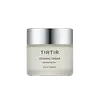
This barrier-repair moisturizer is formulated around Olea Europaea Fruit Oil and Butyrospermum Parkii Butter to strengthen the skin barrier and hydrate skin.
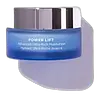
This anti-aging moisturizer is formulated around Butyrospermum Parkii Butter and Dipeptide Diaminobutyroyl Benzylamide Diacetate to soften the look of wrinkles and hydrate skin.


What's inside
What's inside
 Key Ingredients
Benefits
Concerns
Ingredients Side-by-side
Water
Skin ConditioningGlycerin
Humectant


Olea Europaea Fruit Oil
Masking



Butylene Glycol
Humectant
Macadamia Ternifolia Seed Oil
Emollient
Cyclopentasiloxane
Emollient
Hamamelis Virginiana Extract
Antiseborrhoeic


Beeswax
Emulsion Stabilising

Cetearyl Alcohol
Emollient

Cetyl Ethylhexanoate
EmollientCyclohexasiloxane
Emollient
Isopropyl Myristate
Emollient
Polyglyceryl-3 Methylglucose Distearate
Emulsifying
Polysorbate 60
Emulsifying
Stearic Acid
Cleansing
PEG-100 Stearate
Surfactant
Glyceryl Stearate
Emollient
Dimethiconol
Emollient
Sodium Polyacrylate
Absorbent
1,2-Hexanediol
Skin Conditioning
Caprylyl Glycol
Emollient
Butyrospermum Parkii Butter
Skin Conditioning
Camellia Sinensis Leaf Extract
Antimicrobial






Rosmarinus Officinalis Leaf Extract
AntimicrobialChamomilla Recutita Flower Extract
Masking
Centella Asiatica Extract
Cleansing
Glycyrrhiza Glabra Root Extract
Bleaching
Polygonum Cuspidatum Root Extract
Antioxidant
Scutellaria Baicalensis Root Extract
Astringent
Illicium Verum Fruit Extract
Perfuming
Disodium EDTA
Betaine
Humectant
Allantoin
Skin Conditioning
Trehalose
Humectant
Polysorbate 20
Emulsifying
Polyglutamic Acid
Skin Conditioning
Xylitol
Humectant
Ceramide NP
Skin Conditioning
Water, Glycerin, Olea Europaea Fruit Oil, Butylene Glycol, Macadamia Ternifolia Seed Oil, Cyclopentasiloxane, Hamamelis Virginiana Extract, Beeswax, Cetearyl Alcohol, Cetyl Ethylhexanoate, Cyclohexasiloxane, Isopropyl Myristate, Polyglyceryl-3 Methylglucose Distearate, Polysorbate 60, Stearic Acid, PEG-100 Stearate, Glyceryl Stearate, Dimethiconol, Sodium Polyacrylate, 1,2-Hexanediol, Caprylyl Glycol, Butyrospermum Parkii Butter, Camellia Sinensis Leaf Extract, Rosmarinus Officinalis Leaf Extract, Chamomilla Recutita Flower Extract, Centella Asiatica Extract, Glycyrrhiza Glabra Root Extract, Polygonum Cuspidatum Root Extract, Scutellaria Baicalensis Root Extract, Illicium Verum Fruit Extract, Disodium EDTA, Betaine, Allantoin, Trehalose, Polysorbate 20, Polyglutamic Acid, Xylitol, Ceramide NP
Water
Skin ConditioningButylene Glycol
Humectant
Silybum Marianum Ethyl Ester
Skin ConditioningGlycerin
Humectant
Caprylic/Capric Triglyceride
Masking
Cetearyl Alcohol
Emollient
Echinacea Purpurea Extract
MoisturisingBehenyl Alcohol
Emollient
Butyrospermum Parkii Butter
Skin Conditioning
Dipeptide Diaminobutyroyl Benzylamide Diacetate
Skin Conditioning
Isononyl Isononanoate
EmollientArachidyl Alcohol
Emollient
Ethylhexyl Isononanoate
EmollientOryza Sativa Bran
Abrasive
Leuconostoc/Radish Root Ferment Filtrate
Antimicrobial
Panthenol
Skin Conditioning
Tetrahydroxypropyl Ethylenediamine
Caprylyl Glycol
Emollient
1,2-Hexanediol
Skin Conditioning
Arachidyl Glucoside
EmulsifyingMenthoxypropanediol
Masking
Hydroxyethyl Acrylate/Sodium Acryloyldimethyl Taurate Copolymer
Emulsion StabilisingAcrylates/C10-30 Alkyl Acrylate Crosspolymer
Emulsion StabilisingTocopheryl Acetate
Antioxidant
Xanthan Gum
EmulsifyingCetearyl Glucoside
Emulsifying
Sorbitan Laurate
Emulsifying
Squalane
Emollient
Cyclodextrin
AbsorbentTetrahexyldecyl Ascorbate
Antioxidant
Buddleja Davidii Extract
Skin ConditioningDisodium EDTA
O-Cymen-5-Ol
Antimicrobial
Sodium Hyaluronate
Humectant
Polysorbate 60
Emulsifying
Ananas Sativus Fruit Extract
Skin ConditioningHydroxyethylcellulose
Emulsion StabilisingAcetyl Dipeptide-1 Cetyl Ester
Skin Conditioning
Sodium Benzoate
Masking
Citric Acid
Buffering
Potassium Sorbate
Preservative
Glycyrrhiza Glabra Root Extract
Bleaching
Pyridoxine Tris-Hexyldecanoate
HumectantArbutin
Antioxidant
Magnesium Ascorbyl Phosphate
Antioxidant
Tropolone
Skin ConditioningMyristoyl Tripeptide-31
Skin Conditioning
Sodium Metabisulfite
Antioxidant
Hexapeptide-10
Humectant
Diacetyl Boldine
Skin Conditioning
Triethyl Citrate
Masking
Lavandula Angustifolia Flower/Leaf/Stem Extract
Masking
Citrus Aurantium Bergamia Fruit Oil
Masking
Camellia Sinensis Leaf Extract
Antimicrobial
Salvia Officinalis Oil
Masking
Cupressus Sempervirens Oil
Masking
Rosmarinus Officinalis Leaf Oil
Masking
Coriandrum Sativum Fruit Oil
Masking
Salvia Sclarea Oil
Masking
Fucus Vesiculosus Extract
Emollient
Jasminum Officinale Flower/Leaf Extract
Masking
Rosa Damascena Flower Extract
Masking
Vanilla Planifolia Fruit Extract
Skin Conditioning
Rosmarinus Officinalis Leaf Extract
AntimicrobialWater, Butylene Glycol, Silybum Marianum Ethyl Ester, Glycerin, Caprylic/Capric Triglyceride, Cetearyl Alcohol, Echinacea Purpurea Extract, Behenyl Alcohol, Butyrospermum Parkii Butter, Dipeptide Diaminobutyroyl Benzylamide Diacetate, Isononyl Isononanoate, Arachidyl Alcohol, Ethylhexyl Isononanoate, Oryza Sativa Bran, Leuconostoc/Radish Root Ferment Filtrate, Panthenol, Tetrahydroxypropyl Ethylenediamine, Caprylyl Glycol, 1,2-Hexanediol, Arachidyl Glucoside, Menthoxypropanediol, Hydroxyethyl Acrylate/Sodium Acryloyldimethyl Taurate Copolymer, Acrylates/C10-30 Alkyl Acrylate Crosspolymer, Tocopheryl Acetate, Xanthan Gum, Cetearyl Glucoside, Sorbitan Laurate, Squalane, Cyclodextrin, Tetrahexyldecyl Ascorbate, Buddleja Davidii Extract, Disodium EDTA, O-Cymen-5-Ol, Sodium Hyaluronate, Polysorbate 60, Ananas Sativus Fruit Extract, Hydroxyethylcellulose, Acetyl Dipeptide-1 Cetyl Ester, Sodium Benzoate, Citric Acid, Potassium Sorbate, Glycyrrhiza Glabra Root Extract, Pyridoxine Tris-Hexyldecanoate, Arbutin, Magnesium Ascorbyl Phosphate, Tropolone, Myristoyl Tripeptide-31, Sodium Metabisulfite, Hexapeptide-10, Diacetyl Boldine, Triethyl Citrate, Lavandula Angustifolia Flower/Leaf/Stem Extract, Citrus Aurantium Bergamia Fruit Oil, Camellia Sinensis Leaf Extract, Salvia Officinalis Oil, Cupressus Sempervirens Oil, Rosmarinus Officinalis Leaf Oil, Coriandrum Sativum Fruit Oil, Salvia Sclarea Oil, Fucus Vesiculosus Extract, Jasminum Officinale Flower/Leaf Extract, Rosa Damascena Flower Extract, Vanilla Planifolia Fruit Extract, Rosmarinus Officinalis Leaf Extract
Reviews
Ingredients Explained
These ingredients are found in both products.
Ingredients higher up in an ingredient list are typically present in a larger amount.
1,2-Hexanediol is a synthetic liquid and another multi-functional powerhouse.
It is a:
- Humectant, drawing moisture into the skin
- Emollient, helping to soften skin
- Solvent, dispersing and stabilizing formulas
- Preservative booster, enhancing the antimicrobial activity of other preservatives
Butylene Glycol (or BG) is used within cosmetic products for a few different reasons:
Overall, Butylene Glycol is a safe and well-rounded ingredient that works well with other ingredients.
Though this ingredient works well with most skin types, some people with sensitive skin may experience a reaction such as allergic rashes, closed comedones, or itchiness.
Learn more about Butylene GlycolThis ingredient is also known as shea butter. It is a plant-derived extract from the nuts of the Africa shea tree and one of the most well-studied emollients.
Because it has a high concentration of fatty acids (primarily oleic, stearic, and linoleic) it is able to form a protective barrier on the skin's surface. This helps seal in moisture and prevents transepidermal water loss (TEWL).
In vitro research found an increase in skin hydration by 58% and a decrease in TEWL by 37.8% after 24 hours of applying this ingredient (pretty impressive for a single ingredient!).
Besides hydration, shea butter also contains triterpenes that have anti-inflammatory potential. In particule, lupeol cinnamate has shown the highest anti-inflammatory activity in vivo.
Shea butter also contains vitamins A and E which may contribute to antioxidant activity.
While Shea Butter has an SPF rating of about 3-4, it is not a sunscreen replacement.
This ingredient may not be fungal acne safe because its fatty acids fall within the C11-C24 range that the Malassezia yeast can metabolize.
Learn more about Butyrospermum Parkii ButterCamellia Sinensis Leaf Extract (tea extract) is one of the most well-researched plant extracts in skincare with an impressive resume.
Black tea, green tea, and oolong tea are all harvested from the Camellia Sinensis plant.
Studies show green tea extract and its catechins (like epigallocatechin gallate (EGCG)) help your skin cells product energy more efficiently and reducing the number of free-radicals that can damage your skin from the inside.
In lab-grown skin models, this translated to younger, healthier, and stronger skin.
There's also good sun protection data; researchers saw less DNA damage and redness on human skin when green tea was applied before UVB exposure. And the more they applied, the better the protection.
Needless to say, this ingredient shouldn't replace your sunscreen. But it is a great supportive ingredient that you can already find in many sunscreens and antioxidant serums.
A 2009 study found a 2% green tea lotion was effective for mild-to-moderate acne thanks to its anti-inflammatory and mild antimicrobial activity.
The quality of the extract matters a lot here:
Good extracts contain 50-90% catechins while lower quality ones are mostly there for marketing. We recommend reaching out to the brand if you have questions about the quality or source of their ingredients.
Human Repeated Insult Patch Testing showed no irritation or sensitization at use concentrations (0.86% in leave-on products and up to 30% as leaf water).
Learn more about Camellia Sinensis Leaf ExtractCaprylyl Glycol is a humectant, skin conditioner, emollient, and preservative booster derived from either caprylic acid or synthetically created.
Typical use levels vary from 0.3-1% as a preservative booster and go up to 2% to condition skin.
Because it is not a free-fatty acid, this ingredient is fungal acne safe (there's nothing for Malassezia to feed on).
Learn more about Caprylyl GlycolCetearyl alcohol is a waxy mixture of two fatty alcohols: cetyl alcohol and stearyl alcohol. It is an emollient and emulsifier.
Despite having "alcohol" in its name, it has nothing to do with drying solvent alcohols; the FDA also allows "alcohol-free" products to contain fatty alcohols like this ingredient.
It plays several roles in a formula:
Typical use levels for this ingredient sit around 1-10% and the Cosmetic Ingredient Review Expert Panel has affirmed safety at concentrations up to 25% in leave-on products.
Multiple assessments have found it to be non-irritating and non-sensitizing to most people.
However, there have been some cases of allergic contact dermatitis in patients with chronically compromised skin barriers.
Cetearyl alcohol has a comedogenic rating of 2 and irritancy rating of 1. Both of these numbers come from the 1989 study that used rabbit ears; a "2" means mildly comedogenic and a "1" means low irritancy.
Here's the catch: rabbit skin is more sensitive than human skin and throws a lot of false positives. A 1996 reappraisal found that ingredients rated 1-2 in the rabbit ear tests are generally safe for humans.
Remember comedogenic ratings are unable to assess the entire formula of a product or how it will react on your skin. Just be sure to patch test if you are unsure about certain ingredients.
This ingredient is not fungal acne safe. Cetearyl alcohol is a fatty alcohol with chain lengths that fall within the range that Malassezia can metabolize.
A 2019 study has also observed Malassezia growth in the presence of this ingredient, confirming it to be not-fungal acne safe.
Learn more about Cetearyl AlcoholDisodium EDTA is a chelating agent. It grabs onto and deactivates metal ions that sneak into your products from water, packaging, or air.
This ingredient mainly works behind the scenes and helps with:
On top of that, this ingredient can counteract the effects of hard water by binding to the minerals in it.
One thing worth knowing is that Disodium EDTA has been shown to be a mild penetration enhancer. It can help other ingredients absorb into skin more effectively which can be a double-edged sword (great for actives, but can also make the active too strong if you have sensitive skin).
Clinical patch testing showed no significant skin irritation at typical use concentrations and minimal dermal absorption.
You'll most likely see this ingredient near the end of an ingredient list. It's typically found in concentrations less than 1%.
Learn more about Disodium EDTAGlycerin (or glycerol) is a compound naturally found in your skin. It's a powerhouse humectant that pulls water into the stratum corneum.
Topically, glycerin does several things at once:
Your skin makes glycerin on its own (mostly from sebaceous oil breakdown) and shuttles it to your outermost layer of skin, or your epidermis, via aquaporin-3.
Aquaporin-3 is a transporter that is essential for normal skin hydration, elasticity, and repair. Interestingly, mice lacking in AQP3 have dry and less elastic skin that can be fully corrected with glycerin.
This ingredient is non-irritating, plays well with almost every ingredient, and works across all skin types. Typical use is anywhere between 3-10% but can go up to 79% in some leave-on products.
Just know very high concentrations (>40%) can feel tacky in low humidity.
Glycerin is the name for this ingredient in American English. British English uses Glycerol/Glycerine.
Learn more about GlycerinGlycyrrhiza Glabra Root Extract is an extract of the roots of Licorice. It has been found to have several benefits such as skin hydrating, conditioning, and soothing.
One component, glabridin, has extra potent antioxidant and soothing properties. It has also been found to block pigmentation from UVB rays in guinea pigs.
Licorice Root also contains a flavonoid. Flavonoids are a natural substance from in plants. Flavonoids also have antioxidant properties.
Another component, glycyrrhizin, has been found to have anti-inflammatory and antimicrobial benefits. This may make licorice root extract effective at treating acne. However, more research is needed to support this.
Liquiritin is one of the flavone compounds found in licorice. It has been found to help lighten skin by preventing tyrosinase from reacting with tyrosine. When the two react, protein is converted to melanin. Melanin is the substance in your body that gives your features pigmentation.
Learn more about Glycyrrhiza Glabra Root ExtractPolysorbate 60 is used to help stabilize products. It is a surfactant and emulsifier. These properties help keep ingredients together in a product. Surfactants help reduce surface tension between ingredients with different states, such as liquids and solids. Emulsifiers help prevent oils and waters from separating.
Polysorbate 60 is sorbitol-based and created from the ethoxylation of sorbitan. Ethoxylation is a chemical reaction used to add ethylene oxide. Sorbitan is a the dehydrated version of sorbitol, a sugar found in fruits.
In this case, the 60 comes from reacting 60 units of ethylene oxide with sorbitan.
Polysorbates are commonly used in medicine and foods.
Learn more about Polysorbate 60This is a botanical extract from the rosemary plant (the same one you cook with). In skincare, it mostly works as a skin conditioning agent.
Its activity comes from a handful of polyphenols, carnosic acid, carnosol, and rosmarinic acid. Almost 90% of the antioxidant activity of this ingredient can be attributed to canosol and carnosic acid.
These compounds protect your skin two ways:
1) They fight off free radicals, or the unstable molecules from things like sun and pollution that age and damage skin.
2) They help calm inflammation by switching off the chemical signals that tell skin to get red and irritated.
Lab studies also suggest that rosmarinic acid may help protect collagen and slow sugar-related damage to it.
The Cosmetic Ingredient Review has concluded rosemary-derived ingredients to be safe when formulated to be non-sensitizing.
Rosemary can occasionally cause allergic contact dermatitis (due to carnosol), so be sure to patch test if you have reactive or fragrance-sensitive skin.
Learn more about Rosmarinus Officinalis Leaf ExtractWater. It's the most common cosmetic ingredient of all. You'll usually see it at the top of ingredient lists, meaning that it makes up the largest part of the product.
So why is it so popular? Water most often acts as a solvent - this means that it helps dissolve other ingredients into the formulation.
You'll also recognize water as that liquid we all need to stay alive. If you see this, drink a glass of water. Remember to stay hydrated!
Learn more about Water

