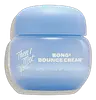
This barrier-repair moisturizer is formulated around Squalane and Hippophae Rhamnoides Fruit Oil to strengthen the skin barrier and hydrate skin.
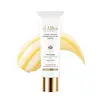
This barrier-repair moisturizer is formulated around Niacinamide and Tocopherol to strengthen the skin barrier and hydrate skin.


What's inside
What's inside
 Key Ingredients
Benefits
Concerns
Ingredients Side-by-side
Water
Skin ConditioningButylene Glycol
Humectant

Glycerin
Humectant
Hydroxyethyl Urea
Humectant
1,2-Hexanediol
Skin Conditioning
Ammonium Acryloyldimethyltaurate/Vp Copolymer
Squalane
Emollient
Triethylhexanoin
MaskingCitrus Reticulata Fruit Extract
Skin ProtectingSophora Japonica Fruit Extract
Skin ConditioningCitrus Unshiu Peel Extract
MaskingCitrus Junos Peel Extract
Skin ConditioningHippophae Rhamnoides Fruit Oil
Skin Protecting



Ceramide NP
Skin Conditioning

Hyaluronic Acid
Humectant
Hydrolyzed Hyaluronic Acid
Humectant
Sodium Hyaluronate
Humectant
Hydrogenated Lecithin
Emulsifying
Hippophae Rhamnoides Fruit Extract
Skin Conditioning
Allantoin
Skin Conditioning
Diospyros Kaki Fruit Extract
Skin ConditioningPropanediol
Solvent
Honey Extract
Humectant
Hydrolyzed Collagen
Emollient
Tocopherol
Antioxidant



Palmitic Acid
Emollient


Ethylhexylglycerin
Skin ConditioningCitric Acid
Buffering
Xanthan Gum
EmulsifyingCitrus Aurantium Bergamia Fruit Oil
Masking


Citrus Paradisi Peel Oil
Masking
Zea Mays Kernel Extract
Hydrolyzed Gardenia Florida Extract
Antioxidant
Hydrolyzed Malt Extract
Skin ConditioningCaprylic/Capric Triglyceride
Masking
Hydrolyzed Viola Tricolor Extract
Skin ProtectingLinoleic Acid
Cleansing
Beta-Glucan
Skin Conditioning
Polygonum Fagopyrum Seed Extract
Skin ConditioningOleic Acid
Emollient
Bisabolol
Antioxidant
Fructan
Skin ConditioningGlucose
Humectant
Stearic Acid
Cleansing
Phenoxyethanol
Preservative
Linolenic Acid
Cleansing
Limonene
Perfuming
Linalool
Perfuming
Water, Butylene Glycol, Glycerin, Hydroxyethyl Urea, 1,2-Hexanediol, Ammonium Acryloyldimethyltaurate/Vp Copolymer, Squalane, Triethylhexanoin, Citrus Reticulata Fruit Extract, Sophora Japonica Fruit Extract, Citrus Unshiu Peel Extract, Citrus Junos Peel Extract, Hippophae Rhamnoides Fruit Oil, Ceramide NP, Hyaluronic Acid, Hydrolyzed Hyaluronic Acid, Sodium Hyaluronate, Hydrogenated Lecithin, Hippophae Rhamnoides Fruit Extract, Allantoin, Diospyros Kaki Fruit Extract, Propanediol, Honey Extract, Hydrolyzed Collagen, Tocopherol, Palmitic Acid, Ethylhexylglycerin, Citric Acid, Xanthan Gum, Citrus Aurantium Bergamia Fruit Oil, Citrus Paradisi Peel Oil, Zea Mays Kernel Extract, Hydrolyzed Gardenia Florida Extract, Hydrolyzed Malt Extract, Caprylic/Capric Triglyceride, Hydrolyzed Viola Tricolor Extract, Linoleic Acid, Beta-Glucan, Polygonum Fagopyrum Seed Extract, Oleic Acid, Bisabolol, Fructan, Glucose, Stearic Acid, Phenoxyethanol, Linolenic Acid, Limonene, Linalool
Water
Skin ConditioningGlycerin
Humectant
Dipropylene Glycol
HumectantCetyl Ethylhexanoate
EmollientNeopentyl Glycol Diheptanoate
EmollientNiacinamide
Smoothing




1,2-Hexanediol
Skin Conditioning
Butylene Glycol
Humectant
Tuber Magnatum Extract
Skin ConditioningHydrogenated Polydecene
EmollientTocopherol
Antioxidant
Cetearyl Olivate
Cetearyl Alcohol
Emollient
Arachidyl Alcohol
Emollient
Sorbitan Olivate
Emulsifying
Sorbitan Stearate
Emulsifying
Ozokerite
Emulsion StabilisingBehenyl Alcohol
Emollient
Carbomer
Emulsion StabilisingArginine
Masking
Arachidyl Glucoside
EmulsifyingXylitylglucoside
Humectant
Anhydroxylitol
Humectant
Allantoin
Skin Conditioning
Hydrogenated Polyisobutene
EmollientCollagen Extract
Skin Conditioning
Xylitol
Humectant
Ethylhexylglycerin
Skin ConditioningAdenosine
Skin Conditioning
Glucose
Humectant
Disodium EDTA
Dipotassium Glycyrrhizate
Humectant
Rose Extract
Skin ConditioningNelumbium Speciosum Flower Extract
Skin ConditioningNarcissus Pseudonarcissus Flower Extract
Skin ConditioningLilium Candidum Bulb Extract
Skin ConditioningJasminum Officinale Extract
Masking
Iris Versicolor Extract
EmollientFreesia Refracta Extract
Skin ConditioningHelianthus Annuus Seed Oil
Emollient
Persea Gratissima Oil
Skin Conditioning
Olea Europaea Fruit Oil
Masking
Oenothera Biennis Oil
Emollient
Macadamia Ternifolia Seed Oil
Emollient
Camellia Japonica Seed Oil
Emollient
Propanediol
Solvent
Anemarrhena Asphodeloides Root Extract
Skin Conditioning
Mannose
HumectantHippophae Rhamnoides Fruit Oil
Skin Protecting
Glycine Soja Oil
Emollient
Bixa Orellana Seed Oil
Emollient
Parfum
Masking
Polyglyceryl-3 Distearate
Emulsifying
Hydroxyethyl Acrylate/Sodium Acryloyldimethyl Taurate Copolymer
Emulsion StabilisingPrunus Amygdalus Dulcis Oil
Skin Conditioning
Caprylic/Capric Triglyceride
Masking
Methyl Gluceth-20
Humectant
Simethicone
Emollient
Glyceryl Stearate Citrate
Emollient
Sorbitan Isostearate
Emulsifying
Panthenol
Skin Conditioning
Calendula Officinalis Flower Extract
Masking
Centella Asiatica Extract
Cleansing
Pentaerythrityl Tetra-Di-T-Butyl Hydroxyhydrocinnamate
Antioxidant
Xanthan Gum
EmulsifyingCeramide NP
Skin Conditioning
Chamaecyparis Obtusa Leaf Extract
Skin ConditioningAnastatica Hierochuntica Extract
AstringentSodium Hyaluronate
Humectant
Water, Glycerin, Dipropylene Glycol, Cetyl Ethylhexanoate, Neopentyl Glycol Diheptanoate, Niacinamide, 1,2-Hexanediol, Butylene Glycol, Tuber Magnatum Extract, Hydrogenated Polydecene, Tocopherol, Cetearyl Olivate, Cetearyl Alcohol, Arachidyl Alcohol, Sorbitan Olivate, Sorbitan Stearate, Ozokerite, Behenyl Alcohol, Carbomer, Arginine, Arachidyl Glucoside, Xylitylglucoside, Anhydroxylitol, Allantoin, Hydrogenated Polyisobutene, Collagen Extract, Xylitol, Ethylhexylglycerin, Adenosine, Glucose, Disodium EDTA, Dipotassium Glycyrrhizate, Rose Extract, Nelumbium Speciosum Flower Extract, Narcissus Pseudonarcissus Flower Extract, Lilium Candidum Bulb Extract, Jasminum Officinale Extract, Iris Versicolor Extract, Freesia Refracta Extract, Helianthus Annuus Seed Oil, Persea Gratissima Oil, Olea Europaea Fruit Oil, Oenothera Biennis Oil, Macadamia Ternifolia Seed Oil, Camellia Japonica Seed Oil, Propanediol, Anemarrhena Asphodeloides Root Extract, Mannose, Hippophae Rhamnoides Fruit Oil, Glycine Soja Oil, Bixa Orellana Seed Oil, Parfum, Polyglyceryl-3 Distearate, Hydroxyethyl Acrylate/Sodium Acryloyldimethyl Taurate Copolymer, Prunus Amygdalus Dulcis Oil, Caprylic/Capric Triglyceride, Methyl Gluceth-20, Simethicone, Glyceryl Stearate Citrate, Sorbitan Isostearate, Panthenol, Calendula Officinalis Flower Extract, Centella Asiatica Extract, Pentaerythrityl Tetra-Di-T-Butyl Hydroxyhydrocinnamate, Xanthan Gum, Ceramide NP, Chamaecyparis Obtusa Leaf Extract, Anastatica Hierochuntica Extract, Sodium Hyaluronate
Ingredients Explained
These ingredients are found in both products.
Ingredients higher up in an ingredient list are typically present in a larger amount.
1,2-Hexanediol is a synthetic liquid and another multi-functional powerhouse.
It is a:
- Humectant, drawing moisture into the skin
- Emollient, helping to soften skin
- Solvent, dispersing and stabilizing formulas
- Preservative booster, enhancing the antimicrobial activity of other preservatives
Allantoin is a soothing ingredient known for its protective and moisturizing properties; it's basically a quiet workhorse ingredient you can find in a huge range of cosmetics.
Though it can be derived from the comfrey plant, allantoin is produced synthetically for cosmetic products to ensure purity.
Research shows it can encourage your skin cells to turn over and renew by stimulating keratinocyte and fibroblast proliferation.
It also has mild keratolytic properties to help loosen and shed dead skin cells without being harsh.
Studies also suggest allantoin can help calm inflammation by dialing down some of the chemical signals your skin sends out when it is irritated.
This ingredient is typically used in the 0.1-0.5% range, and the FDA recognizes it as a skin protectant in OTC products up to 2%.
Overall, allantoin is a wonderful addition to most routines; it is stable across a wide pH range (~4-8), works well with other ingredients, and is considered non-sensitizing/non-irritating.
Fun fact: Allantoin is naturally occurring in comfrey root, beets, chamomile, and wheat sprouts. Our bodies even produce it as a byproduct of uric acid metabolism.
Learn more about AllantoinButylene Glycol (or BG) is used within cosmetic products for a few different reasons:
Overall, Butylene Glycol is a safe and well-rounded ingredient that works well with other ingredients.
Though this ingredient works well with most skin types, some people with sensitive skin may experience a reaction such as allergic rashes, closed comedones, or itchiness.
Learn more about Butylene GlycolCaprylic/Capric Triglyceride (aka MCT Oil) is a lightweight emollient, solvent, and texture enhancer. It is considered a skin-softener by helping to prevent moisture loss.
Though it behaves like an oil, it is not technically one due to its chemical composition. One perk of this ingredient is that it is very stable, resistant to oxidation, and unlikely to go rancid.
In practice, that translates to a long shelf life and a consistently elegant skin feel.
While there is an assumption Caprylic Triglyceride can clog pores due to it being derived from coconut oil, there is no research supporting this. Just patch test if you have concerns.
Fractionated coconut oil and MCT Oil are both listed as Caprylic/Capric Triglyceride according to INCI. This is because INCI names are based on the ingredient’s final chemical composition and not its marketing name or source.
This ingredient is treated as the gold standard fungal acne safe oil. Even though it is coconut derived, the problematic lauric acid is stripped out.
This leaves just caprylic (C8) and capric (C10) acid. These chain lengths actually trend antifungal; a 2020 study found caprylic acid was enough to disrupt Malassezia furfur cell membrane, with a caprylic acid derivative damaging membrane structures at concentrations as low as 0.2%.
Learn more about Caprylic/Capric TriglycerideCeramide NP (formerly known as Ceramide 3) is one of the skin's naturally occurring lipids.
Since ceramides are the major lipid components of the skin, they are crucial for maintaining skin barrier and hydration. Ceramide NP most closely mirrors the dominant kind in human skin amongst ceramide subtypes.
This ceramide works by slotting into gaps within the stratum corneum's lipid matrix to limit trans-epidermal water loss (TEWL) and shield the skin against external irritants.
A study with 312 patients found that using a ceramide-containing routine for 4 weeks reduced the severity of atopic dermatitis by over 61%.
Another clinical study in subjects aged 60 and older found that a ceramide body wash and moisturizer improved skin dryness and itchy skin in 15 days.
Overall, ceramides are considered non-irritating and safety tests have found little to no observable adverse effects from using this ingredient.
Ceramide NP is usually sourced from plants (like soybean or rice bran), or produced synthetically.
Learn more about Ceramide NPEthylhexylglycerin is created from glycerin. It is a multitasker ingredient that:
The CIR Expert Panel found minimal skin absorption or sensitization of any kind in a safety assessment. Though this ingredient is considered well-tolerated, a small number of cases of allergic dermatitis have been published since 2002. Just be sure to patch test if you are unsure.
Industry-reported use ranges from 8% in rinse-off products and 2% in leave-on formulations.
Learn more about EthylhexylglycerinGlucose is a simple sugar (a monosaccharide). In skincare, it is mostly a humectant and skin conditioning agent.
Mechanistically, it has multiple hydroxyl groups that hydrogen-bond to water. This pulls moisture into the upper layers of skin to keep the surface soft and hydrated.
It's worth knowing sugars are already a natural component of the skin's NMF (natural moisturizing factor) so it's a molecule that your stratum corneum is well-acquainted with.
Just so you know, glucose is hydrophilic (water-loving) and the stratum corneum is a strong barrier to hydrophilic compounds. This just means penetration is slow and most of the action is happening on the surface.
Gram-to-gram, glucose is not as efficient as a humectant as glycerin. This is why you'll likely see glycose paired with stronger humectants for a bigger hydration payoff.
In skincare, glucose is typically derived from corn or other starch sources.
Learn more about GlucoseGlycerin (or glycerol) is a compound naturally found in your skin. It's a powerhouse humectant that pulls water into the stratum corneum.
Topically, glycerin does several things at once:
Your skin makes glycerin on its own (mostly from sebaceous oil breakdown) and shuttles it to your outermost layer of skin, or your epidermis, via aquaporin-3.
Aquaporin-3 is a transporter that is essential for normal skin hydration, elasticity, and repair. Interestingly, mice lacking in AQP3 have dry and less elastic skin that can be fully corrected with glycerin.
This ingredient is non-irritating, plays well with almost every ingredient, and works across all skin types. Typical use is anywhere between 3-10% but can go up to 79% in some leave-on products.
Just know very high concentrations (>40%) can feel tacky in low humidity.
Glycerin is the name for this ingredient in American English. British English uses Glycerol/Glycerine.
Learn more about GlycerinHippophae Rhamnoides Fruit Oil comes from the seabuckthorn berry. The seabuckthorn fruit contains carotenoids, palmitic acid, palmitoleic acid and vitamin E.
The nutritious content of seabuckthorn fruit oil helps hydrate and nourish the skin. A study from 2018 found seabuckthorn may help with alleviating UV damage due to its anti-inflammatory property.
Carotenoids and Vitamin E help nourish your skin's natural barrier. This barrier protects your skin and is responsible for firm skin.
Learn more about Hippophae Rhamnoides Fruit OilPropanediol is an all-star ingredient. It softens, hydrates, and smooths the skin.
It’s often used to:
Propanediol is not likely to cause sensitivity and considered safe to use. It is derived from corn or petroleum with a clear color and no scent.
Learn more about PropanediolSodium Hyaluronate is the salt form of hyaluronic acid. It is a long sugar chain that is naturally found in your skin, joints, and connective tissue that maintains hydration and elasticity.
In skincare, it works as a humectant. It pulls water from the environment and deeper layers of skin and binds it to the surface.
Interestingly, the size of the molecule affects its behavior:
Some clinical evidence links low molecular weight versions to improved wrinkle depth, elasticity, anti-inflammatory effects, and barrier repair.
Many serums use a blend of both weights so you can get surface hydration plus longer-lasting and deeper effects.
You'll typically see concentrations between 0.1-2% for this ingredient.
Learn more about Sodium HyaluronateTocopherol is a fat-soluble antioxidant known as Vitamin E.
You'll find this ingredient in the vast majority of skincare (for good reason). It works to neutralize free radicals, or unstable molecules generated by UV exposure, pollution, and other environmental stressors, before they can cause oxidative damage to your skin cells.
Topically applied tocopherol has been shown to protect against UV damage by ramping up the skin's own natural defense enzymes.
It also acts as a skin conditioning agent; some studies show that regular topical use can improve the skin's water-binding capacity over 2-4 weeks.
This ingredient is especially loved for being a team player. When combined with Vitamin C, the photoprotective effect of both ingredients roughly doubles and the combo also helps reduce UV-induced DNA damage.
This ingredient has some brightening potential but it's more of a prevention ingredient than spot-fader. Cell studies show it can slow down melanin production but it's worth noting that it's not the most powerful brightener out there.
In formulations, it also serves as a stabilizer that helps protect other oxidation-prone ingredients from degrading.
Concentrations usually range from 0.1-1% in most leave-on products.
Learn more about TocopherolWater. It's the most common cosmetic ingredient of all. You'll usually see it at the top of ingredient lists, meaning that it makes up the largest part of the product.
So why is it so popular? Water most often acts as a solvent - this means that it helps dissolve other ingredients into the formulation.
You'll also recognize water as that liquid we all need to stay alive. If you see this, drink a glass of water. Remember to stay hydrated!
Learn more about WaterXanthan gum is used as a stabilizer and thickener within cosmetic products. It helps give products a sticky, thick feeling - preventing them from being too runny.
On the technical side of things, xanthan gum is a polysaccharide - a combination consisting of multiple sugar molecules bonded together.
Xanthan gum is a pretty common and great ingredient. It is a natural, non-toxic, non-irritating ingredient that is also commonly used in food products.
Learn more about Xanthan Gum

