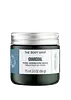
This wash off mask is made with Kaolin and Charcoal Powder for a rinse-off pore-care boost.
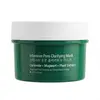
This wash off mask is formulated around Salicylic Acid to clear breakouts and unclog pores.


What's inside
What's inside
 Key Ingredients
Benefits
Concerns
Ingredients Side-by-side
Water
Skin ConditioningKaolin
Abrasive



Moroccan Lava Clay
Abrasive
Magnesium Aluminum Silicate
Absorbent
Alcohol Denat.
Antimicrobial




Camellia Sinensis Leaf
Perfuming



PEG-40 Hydrogenated Castor Oil
Emulsifying

Pumice
Abrasive
Argania Spinosa Shell Powder
Abrasive
Phenoxyethanol
Preservative
Xanthan Gum
EmulsifyingParfum
Masking
Charcoal Powder
Abrasive
Ethylhexylglycerin
Skin ConditioningCaprylhydroxamic Acid
Argania Spinosa Kernel Oil
Emollient


Butyrospermum Parkii Butter
Skin Conditioning

Limonene
Perfuming
Linalool
Perfuming
Methylpropanediol
SolventAloe Barbadensis Leaf Juice Powder
Skin Conditioning
Menthol
Masking
Disodium EDTA
Tetrasodium Pyrophosphate
BufferingMelaleuca Alternifolia Leaf Oil
Antioxidant

Eucalyptus Globulus Leaf Oil
Perfuming
Citric Acid
Buffering

Menthoxypropanediol
Masking
Citral
Perfuming
Geraniol
Perfuming
Coumarin
Perfuming
Caramel
Cosmetic ColorantWater, Kaolin, Moroccan Lava Clay, Magnesium Aluminum Silicate, Alcohol Denat., Camellia Sinensis Leaf, PEG-40 Hydrogenated Castor Oil, Pumice, Argania Spinosa Shell Powder, Phenoxyethanol, Xanthan Gum, Parfum, Charcoal Powder, Ethylhexylglycerin, Caprylhydroxamic Acid, Argania Spinosa Kernel Oil, Butyrospermum Parkii Butter, Limonene, Linalool, Methylpropanediol, Aloe Barbadensis Leaf Juice Powder, Menthol, Disodium EDTA, Tetrasodium Pyrophosphate, Melaleuca Alternifolia Leaf Oil, Eucalyptus Globulus Leaf Oil, Citric Acid, Menthoxypropanediol, Citral, Geraniol, Coumarin, Caramel
Water
Skin ConditioningButylene Glycol
Humectant
Kaolin
Abrasive
Cetearyl Alcohol
Emollient

Propanediol
Solvent
Juglans Regia Shell Powder
Abrasive
Triethylhexanoin
MaskingBehenyl Alcohol
Emollient
C14-22 Alcohols
Emulsion Stabilising
Bentonite
Absorbent
Potassium Cetyl Phosphate
EmulsifyingOlive Oil Polyglyceryl-6 Esters
Emollient
Hydroxyacetophenone
Antioxidant
Melaleuca Alternifolia Leaf Oil
Antioxidant
Propylene Glycol
Humectant
Chromium Oxide Greens
C12-20 Alkyl Glucoside
EmulsifyingSodium Stearoyl Lactylate
EmulsifyingTocopheryl Acetate
Antioxidant
Xanthan Gum
EmulsifyingAllantoin
Skin Conditioning
Niacinamide
Smoothing

Arachidyl Alcohol
Emollient
Ethylhexylglycerin
Skin ConditioningCI 77499
Cosmetic ColorantPanthenol
Skin Conditioning
Stearyl Alcohol
Emollient
Caprylhydroxamic Acid
CI 77492
Cosmetic ColorantGlycerin
Humectant
Sodium Hyaluronate
Humectant
Glyceryl Caprylate
EmollientPolygonum Cuspidatum Root Extract
Antioxidant
Scutellaria Baicalensis Root Extract
Astringent
Camellia Sinensis Leaf Extract
Antimicrobial
Chamomilla Recutita Flower Extract
Masking
Rosmarinus Officinalis Leaf Extract
AntimicrobialCetyl Alcohol
Emollient
Sodium Lactate
Buffering
Serine
Masking
Glycine
Buffering
Glucose
Humectant
Alanine
Masking
Arginine
Masking
Aspartic Acid
Masking
Pantolactone
Humectant
Menthyl Lactate
Masking
3-O-Ethyl Ascorbic Acid
Skin Conditioning
Valine
MaskingAlpha-Glucan Oligosaccharide
Cleansing
Althaea Rosea Flower Extract
Skin ConditioningCentella Asiatica Extract
Cleansing
Isoleucine
Skin ConditioningCeramide NP
Skin Conditioning
Salicylic Acid
Masking
Sesame Amino Acids
HumectantLeucine
Skin ConditioningPolyglyceryl-10 Stearate
Skin Conditioning
Dextrin
AbsorbentGlutamic Acid
Humectant
Proline
Skin Conditioning
Potassium Hydroxide
BufferingPolymnia Sonchifolia Root Juice
Skin ConditioningCitric Acid
Buffering
Maltodextrin
Absorbent
Artemisia Argyi Leaf Extract
Skin ConditioningHydrogenated Lecithin
Emulsifying
Sucrose Stearate
EmollientPerilla Ocymoides Leaf Extract
TonicChamomilla Recutita Extract
Skin Conditioning
Glycyrrhiza Glabra Root Extract
Bleaching
Taraxacum Officinale Leaf Extract
Skin ConditioningPanax Notoginseng Root Extract
HumectantCamellia Japonica Flower Extract
EmollientLactobacillus
Skin ConditioningPhenoxyethanol
Preservative
Diazolidinyl Urea
Preservative
Water, Butylene Glycol, Kaolin, Cetearyl Alcohol, Propanediol, Juglans Regia Shell Powder, Triethylhexanoin, Behenyl Alcohol, C14-22 Alcohols, Bentonite, Potassium Cetyl Phosphate, Olive Oil Polyglyceryl-6 Esters, Hydroxyacetophenone, Melaleuca Alternifolia Leaf Oil, Propylene Glycol, Chromium Oxide Greens, C12-20 Alkyl Glucoside, Sodium Stearoyl Lactylate, Tocopheryl Acetate, Xanthan Gum, Allantoin, Niacinamide, Arachidyl Alcohol, Ethylhexylglycerin, CI 77499, Panthenol, Stearyl Alcohol, Caprylhydroxamic Acid, CI 77492, Glycerin, Sodium Hyaluronate, Glyceryl Caprylate, Polygonum Cuspidatum Root Extract, Scutellaria Baicalensis Root Extract, Camellia Sinensis Leaf Extract, Chamomilla Recutita Flower Extract, Rosmarinus Officinalis Leaf Extract, Cetyl Alcohol, Sodium Lactate, Serine, Glycine, Glucose, Alanine, Arginine, Aspartic Acid, Pantolactone, Menthyl Lactate, 3-O-Ethyl Ascorbic Acid, Valine, Alpha-Glucan Oligosaccharide, Althaea Rosea Flower Extract, Centella Asiatica Extract, Isoleucine, Ceramide NP, Salicylic Acid, Sesame Amino Acids, Leucine, Polyglyceryl-10 Stearate, Dextrin, Glutamic Acid, Proline, Potassium Hydroxide, Polymnia Sonchifolia Root Juice, Citric Acid, Maltodextrin, Artemisia Argyi Leaf Extract, Hydrogenated Lecithin, Sucrose Stearate, Perilla Ocymoides Leaf Extract, Chamomilla Recutita Extract, Glycyrrhiza Glabra Root Extract, Taraxacum Officinale Leaf Extract, Panax Notoginseng Root Extract, Camellia Japonica Flower Extract, Lactobacillus, Phenoxyethanol, Diazolidinyl Urea
Ingredients Explained
These ingredients are found in both products.
Ingredients higher up in an ingredient list are typically present in a larger amount.
Caprylhydroxamic Acid is a chelating agent that helps cosmetics stay fresh, stable, and consistent over time.
Chelating agents help prevent metal ions from binding to other ingredients. This helps prevent unwanted reactions and effects from using the product. It also helps prevent the growth of unwanted microbes in products that contain water.
Caprylhydroxamic Acid is often used with natural antimicrobial products as an alternative to preservatives.
Learn more about Caprylhydroxamic AcidCitric Acid is an alpha hydroxy acid (AHA) naturally found in citrus fruits like oranges, lemons, and limes.
Like other AHAs, citric acid can exfoliate skin by breaking down the bonds that hold dead skin cells together. This helps reveal smoother and brighter skin underneath.
However, this exfoliating effect only happens at high concentrations (20%) which can be hard to find in cosmetic products.
Due to this, citric acid is usually included in small amounts as a pH adjuster. This helps keep products slightly more acidic and compatible with skin's natural pH.
In skincare formulas, citric acid can:
While it can provide some skin benefits, research shows lactic acid and glycolic acid are generally more effective and less irritating exfoliants.
Most citric acid used in skincare today is made by fermenting sugars (usually from molasses). This synthetic version is identical to the natural citrus form but easier to stabilize and use in formulations.
Rosacea skin has a lower threshold for acids generally, with 62.5% of rosacea subjects in one study reacting to lactic acid in a sting test. This is why we mark citric acid as a potential rosacea trigger.
However, this ingredient shows up as a pH adjuster or chelator at roughly 0.1-1% in many products. These low levels are unlikely to be an issue for rosacea skin and becomes a potential trigger at exfoliating concentrations (20%). Because everybody's skin is unique, we recommend a patch test if you are unsure.
Learn more about Citric AcidEthylhexylglycerin is created from glycerin. It is a multitasker ingredient that:
The CIR Expert Panel found minimal skin absorption or sensitization of any kind in a safety assessment. Though this ingredient is considered well-tolerated, a small number of cases of allergic dermatitis have been published since 2002. Just be sure to patch test if you are unsure.
Industry-reported use ranges from 8% in rinse-off products and 2% in leave-on formulations.
Learn more about EthylhexylglycerinKaolin is a clay. It is used for oil control and to help minimize pores. Like other clays, kaolin has the ability to absorb excess sebum or oil. This can help clean out pores and mattify the skin.
Some types of kaolin may have exfoliating properties. When water is added to kaolin, it becomes a paste with small abrasive particles.
Most kaolin is a white color, but may be pink/orange/red depending on where it comes from.
The name 'kaolin' comes from a Chinese village named 'Gaoling'. Kaolin clay comes from rocks rich in kaolinite. Kaolinite, the mineral, has a silicate layered structure. Kaolinite is formed from chemical weathering of aluminum siilicate minerals.
Besides skincare, kaolin is commonly used to make glossy paper, in ceramics, toothpaste, and as medicine to soothe stomach issues.
Learn more about KaolinThis ingredient is also known as tea tree oil. It has antioxidant, anti-inflammatory, and antimicrobial properties.
Tea tree oil is a complex lipophilic (fat-loving) oil that contains around 100 compounds with terpinen-4-ol being the most abundant (~40%).
Terpinen-4-ol is responsible for tea tree oil's broad-spectrum antimicrobial activity and makes it a well-researched option for acne.
Clinical studies support 5% tea tree oil as an effective topical treatment for mild to moderate acne. A study with 124 patients compared 5% tea tree oil gel to 5% benzoyl peroxide and both reduced acne (though tea tree oil worked more slowly).
Besides acne, it is also seen in anti-dandruff shampoos and scalp treatments for it's antimicrobial and anti-seborrheic properties.
Safety-wise, the allergic potential of low concentrations on healthy skin is considered low. However, oxidized (old or improperly stored) tea tree oil is a stronger sensitizer.
Irritation can also occur if using the undiluted oil on skin; it's best to use this ingredient as part of a carefully crafted cosmetic formula. This is because regulations require tea tree oil in cosmetics to be stabilized to prevent degradation.
This ingredient has been deemed safe up to 2% in shampoo, 1% in cleansers, and 0.1% in face cream by the EU's Scientific Committee on Consumer Safety (SCCS).
There is some lab evidence that tea tree oil is antifungal against Malassezia, but it is a supportive option at best and not a replacement for proven antifungal treatments.
Learn more about Melaleuca Alternifolia Leaf OilPhenoxyethanol is one of the most widely used preservatives in skincare (and for good reason!).
It has a large spectrum of antimicrobial activity and especially effective bacteria, yeast, and mold while only having a weak effect on your skin's natural microbiome.
On a cellular level, it disrupts the cell membranes of microbes by poking holes that make the cell leak. This shuts down the chemical reactions the microbe needs to make energy so it can no longer survive.
Another perk of this ingredient is that it stays functional across a wide pH range (3-10).
You'll often see it paired with boosters like Ethylhexylglycerin; one study showed that a 1:9 ratio of Ethylhexylglycerin to Phenoxyethanol damages bacterial membranes as effectively as doubling the Phenoxyethanol concentration on its own.
Typical use concentrations range from 0.3-1% depending on the formula, and this ingredient is capped at 1% int the EU.
Safety-wise, the fear mongering does not hold up to the evidence. The EU's Scientific Committee on Consumer Safety and FDA consider it safe as a preservative at up to 1%, including for children of all ages.
Adverse systemic effects only showed up in animal studies at exposures roughly 200x higher than what people get from cosmetics. And despite its very widespread use, this ingredient is a rare sensitizer and allergic reactions are uncommon.
Learn more about PhenoxyethanolWater. It's the most common cosmetic ingredient of all. You'll usually see it at the top of ingredient lists, meaning that it makes up the largest part of the product.
So why is it so popular? Water most often acts as a solvent - this means that it helps dissolve other ingredients into the formulation.
You'll also recognize water as that liquid we all need to stay alive. If you see this, drink a glass of water. Remember to stay hydrated!
Learn more about WaterXanthan gum is used as a stabilizer and thickener within cosmetic products. It helps give products a sticky, thick feeling - preventing them from being too runny.
On the technical side of things, xanthan gum is a polysaccharide - a combination consisting of multiple sugar molecules bonded together.
Xanthan gum is a pretty common and great ingredient. It is a natural, non-toxic, non-irritating ingredient that is also commonly used in food products.
Learn more about Xanthan Gum

