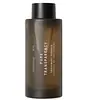
This brightening essence is formulated around Galactomyces Ferment Filtrate and Niacinamide to brighten dull-looking skin and refine skin texture.
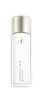
This hydrating toner is formulated around Oryza Sativa Extract and Panthenol to hydrate skin and calm redness.


What's inside
What's inside
 Key Ingredients
Benefits
Concerns
Ingredients Side-by-side
Galactomyces Ferment Filtrate
Humectant







Water
Skin ConditioningButylene Glycol
Humectant
Niacinamide
Smoothing






Pentylene Glycol
Skin Conditioning
1,2-Hexanediol
Skin Conditioning
Chondrus Crispus Extract
Skin Conditioning

Panthenol
Skin Conditioning
Palmitoyl Tripeptide-5
Skin Conditioning
Sodium Hyaluronate
Humectant
Sodium Hyaluronate Crosspolymer
Humectant
Hydroxypropyltrimonium Hyaluronate
Hydrolyzed Hyaluronic Acid
Humectant
Sodium Acetylated Hyaluronate
Humectant
Centella Asiatica Extract
Cleansing
Sodium PCA
Humectant
Caffeine
Skin Conditioning
Trehalose
Humectant
Acetyl Glucosamine
Skin Conditioning
Beta-Glucan
Skin Conditioning
Tremella Fuciformis Extract
Humectant
Cichorium Intybus Root Extract
MaskingCamellia Sinensis Leaf Extract
Antimicrobial
Houttuynia Cordata Extract
Skin Conditioning
Adenosine
Skin Conditioning
Tocopherol
Antioxidant
Ceramide NP
Skin Conditioning
Betaine
Humectant
Hyaluronic Acid
Humectant
Hydrolyzed Sodium Hyaluronate
Skin Conditioning
Potassium Hyaluronate
Skin ConditioningGlycerin
Humectant
Oryza Sativa Bran Oil
Emollient
Hydrogenated Lecithin
Emulsifying
Saccharum Officinarum Extract
MoisturisingDiamond Powder
Abrasive
Glycine
Buffering
Leucine
Skin ConditioningArginine
Masking
Serine
Masking
Isoleucine
Skin ConditioningHistidine
Humectant
Glutamic Acid
Humectant
Aspartic Acid
Masking
Threonine
Valine
MaskingAlanine
Masking
Lysine
Skin ConditioningTyrosine
MaskingPhenylalanine
Masking
Proline
Skin Conditioning
Cysteine
Antioxidant
Methionine
Skin ConditioningSorbitol
Humectant
Acrylates/C10-30 Alkyl Acrylate Crosspolymer
Emulsion StabilisingPropanediol
Solvent
Tromethamine
BufferingEthylhexylglycerin
Skin ConditioningHydroxyethylcellulose
Emulsion StabilisingSodium Phytate
ChelatingHydroxyacetophenone
Antioxidant
Caprylyl Glycol
Emollient
Dipropylene Glycol
HumectantCaprylyl/Capryl Glucoside
CleansingGalactomyces Ferment Filtrate, Water, Butylene Glycol, Niacinamide, Pentylene Glycol, 1,2-Hexanediol, Chondrus Crispus Extract, Panthenol, Palmitoyl Tripeptide-5, Sodium Hyaluronate, Sodium Hyaluronate Crosspolymer, Hydroxypropyltrimonium Hyaluronate, Hydrolyzed Hyaluronic Acid, Sodium Acetylated Hyaluronate, Centella Asiatica Extract, Sodium PCA, Caffeine, Trehalose, Acetyl Glucosamine, Beta-Glucan, Tremella Fuciformis Extract, Cichorium Intybus Root Extract, Camellia Sinensis Leaf Extract, Houttuynia Cordata Extract, Adenosine, Tocopherol, Ceramide NP, Betaine, Hyaluronic Acid, Hydrolyzed Sodium Hyaluronate, Potassium Hyaluronate, Glycerin, Oryza Sativa Bran Oil, Hydrogenated Lecithin, Saccharum Officinarum Extract, Diamond Powder, Glycine, Leucine, Arginine, Serine, Isoleucine, Histidine, Glutamic Acid, Aspartic Acid, Threonine, Valine, Alanine, Lysine, Tyrosine, Phenylalanine, Proline, Cysteine, Methionine, Sorbitol, Acrylates/C10-30 Alkyl Acrylate Crosspolymer, Propanediol, Tromethamine, Ethylhexylglycerin, Hydroxyethylcellulose, Sodium Phytate, Hydroxyacetophenone, Caprylyl Glycol, Dipropylene Glycol, Caprylyl/Capryl Glucoside
Water
Skin ConditioningOryza Sativa Extract
Absorbent
Glycerin
Humectant
Butylene Glycol
Humectant
Oryza Sativa Bran Extract
Skin Conditioning
Panthenol
Skin Conditioning
Sodium PCA
Humectant
Polyglutamic Acid
Skin Conditioning
Hydroxyacetophenone
Antioxidant
Sphingolipids
Emollient
Acrylates/C10-30 Alkyl Acrylate Crosspolymer
Emulsion StabilisingPhytosteryl/Octyldodecyl Lauroyl Glutamate
Skin ConditioningPotassium PCA
Humectant
Magnesium PCA
Humectant
Calcium PCA
Humectant
Avena Sativa Kernel Extract
Abrasive
Glycyrrhiza Glabra Root Extract
Bleaching
Aloe Barbadensis Leaf Extract
Emollient
Beta-Glucan
Skin Conditioning
Lecithin
Emollient
Arginine
Masking
Quercetin
Antioxidant
Phytosphingosine
Skin Conditioning
Chondrus Crispus Extract
Skin Conditioning
Laminaria Ochroleuca Extract
Skin Conditioning
Xanthan Gum
Emulsifying1,2-Hexanediol
Skin Conditioning
Adenosine
Skin Conditioning
Sodium Lactate
Buffering
Phenoxyethanol
Preservative
Allantoin
Skin Conditioning
Hydrolyzed Sodium Hyaluronate
Skin Conditioning
Tocopherol
Antioxidant
PPG-13-Decyltetradeceth-24
EmulsifyingPelargonium Graveolens Extract
Masking
Sophora Angustifolia Root Extract
Skin ConditioningSodium Acetylated Hyaluronate
Humectant
Bisabolol
Antioxidant
Glycine
Buffering
Threonine
Alanine
Masking
Valine
MaskingLeucine
Skin ConditioningProline
Skin Conditioning
Lysine
Skin ConditioningHistidine
Humectant
Portulaca Oleracea Extract
Skin Conditioning
Chrysanthellum Indicum Extract
Skin Conditioning
Palmitoyl Tetrapeptide-7
Skin Conditioning
Palmitoyl Tripeptide-1
Skin Conditioning
Palmitoyl Hexapeptide-12
Skin Conditioning
Disodium EDTA
ChelatingPEG-40 Hydrogenated Castor Oil
Emulsifying
Water, Oryza Sativa Extract, Glycerin, Butylene Glycol, Oryza Sativa Bran Extract, Panthenol, Sodium PCA, Polyglutamic Acid, Hydroxyacetophenone, Sphingolipids, Acrylates/C10-30 Alkyl Acrylate Crosspolymer, Phytosteryl/Octyldodecyl Lauroyl Glutamate, Potassium PCA, Magnesium PCA, Calcium PCA, Avena Sativa Kernel Extract, Glycyrrhiza Glabra Root Extract, Aloe Barbadensis Leaf Extract, Beta-Glucan, Lecithin, Arginine, Quercetin, Phytosphingosine, Chondrus Crispus Extract, Laminaria Ochroleuca Extract, Xanthan Gum, 1,2-Hexanediol, Adenosine, Sodium Lactate, Phenoxyethanol, Allantoin, Hydrolyzed Sodium Hyaluronate, Tocopherol, PPG-13-Decyltetradeceth-24, Pelargonium Graveolens Extract, Sophora Angustifolia Root Extract, Sodium Acetylated Hyaluronate, Bisabolol, Glycine, Threonine, Alanine, Valine, Leucine, Proline, Lysine, Histidine, Portulaca Oleracea Extract, Chrysanthellum Indicum Extract, Palmitoyl Tetrapeptide-7, Palmitoyl Tripeptide-1, Palmitoyl Hexapeptide-12, Disodium EDTA, PEG-40 Hydrogenated Castor Oil
Reviews
Ingredients Explained
These ingredients are found in both products.
Ingredients higher up in an ingredient list are typically present in a larger amount.
1,2-Hexanediol is a synthetic liquid and another multi-functional powerhouse.
It is a:
- Humectant, drawing moisture into the skin
- Emollient, helping to soften skin
- Solvent, dispersing and stabilizing formulas
- Preservative booster, enhancing the antimicrobial activity of other preservatives
Acrylates/C10-30 Alkyl Acrylate Crosspolymer is a synthetic polymer. It is used to thicken, emulsify, and improve the texture of products.
As an emulsifier, it helps stabilize oil-in-water emulsions to give products an elegant feel when applied.
It can also form a thin protective film on skin. One study found that a formula using this polymer helped slow down how quickly other ingredients (like DEET) were absorbed through skin.
A 2024 study of over 1,300 patients confirmed that sensitization to this ingredient is rare. It is also non-mutagenic and has a clean track record.
Learn more about Acrylates/C10-30 Alkyl Acrylate CrosspolymerAdenosine is a purine nucleoside that your body already makes in every cell. In skincare, it acts mainly as a skin conditioning and anti-aging agent.
The way it works is fairly well mapped out:
Your skin has cells called fibroblasts that build collagen (the stuff that keeps skin firm and smooth). Adenosine basically flips a switch on these cells that tells them to get to work making more collagen and other proteins. These cells slow down on their own as skin ages, so Adenosine helps give them a little nudge to keep going.
The clinical backing is pretty solid too.
A blind, randomized, placebo-controlled trial of 126 women aged 45-65 tested a 0.1% cream twice daily and found real improvements in crow's feet and frown lines using a precise 3D skin-mapping technique; these changes showed up by week 3 and held at 2 months.
A later study using Adenosine-loaded dissolving microneedle patches reported gains in wrinkle depth, dermal density, elasticity, and hydration.
On concentrations, South Korea's Ministry of Food and Drug Safety has set 0.04% as the approved functional anti-wrinkle level. You'll typically see this ingredient used somewhere in the 0.04-0.1% range since it works at low doses.
This ingredient has been found safe for cosmetics with the data showing no irritation or sensitization.
Overall, this is a great ingredient for any anti-aging routine and has no photosensitizing effect, so it suits both AM and PM use.
Learn more about AdenosineAlanine is an amino acid and is already found in the human body. Our skin uses alanine to build collagen, elastin, and keratin.
Arginine is a semi-essential amino acid. This just means our bodies can product a bit on its own, but sometimes needs a little boost from food sources.
It is a part of your skin's natural moisturizing factor (NMF), or the water-loving molecules in your outermost layer of skin (stratum corneum) that keeps everything hydrated and happy.
Here's an interesting thing about Arginine: your skin converts it into urea through the Krebs-Henseleit urea cycle. Urea is one of the most effective humectants your skin naturally produces.
A clinical study showed applying 2.5% arginine hydrochloride to atopic dermatitis skin showed significant urea levels in the stratum corneum and improved moisture in just four weeks.
Arginine is also a precursor to nitric oxide; nitric oxide improves microcirculation and supports wound healing and collagen synthesis.
One study found that an amino acid complex containing Arginine reduced skin irritation, improved hydration, and accelerated skin repair in clinical / in-vivo studies.
Arginine itself is an amino acid and not a fatty acid, oil, or ester. On its own, it's not a direct food source for Malassezia, or the yeast that causes fungal acne.
Learn more about ArginineBeta-Glucan is a soluble polysaccharide (a chain of glucose sugars) sourced from the cells walls of oats, baker's yeast, mushrooms, and seaweed.
It's a rare ingredient that pulls double-duty as a heavy-duty hydrator and skin-soothing repair agent.
On the surface, it acts as a humectant that holds water in place and reduces moisture loss for a plumper, smoother feel, while its anti-inflammatory and antioxidant properties make it a great pick for calming redness or sensitive skin
The more interesting story is underneath:
Despite its large molecular size, oat beta-glucan has been shown to penetrate the epidermis and reach the dermis by slipping between skin cells. Here, it interacts with fibroblasts and macrophages to nudge collagen synthesis and support wound repair.
A small 2005 split-face clinical study of 27 subjects found topical beta-glucan produced measurable reductions in wrinkle depth, height, and roughness after 8 weeks of use.
It is worth noting the trial was small and the penetration testing used frozen, irradiated skin so the anti-aging data is encouraging rather than definitive.
This ingredient gets along with pretty much everything and is typically used around 0.1-1%.
Fungal acne: This ingredient is not a food source for the Malassezia yeast because it is a glucose polysaccharide with no fatty acid or ester component.
Learn more about Beta-GlucanButylene Glycol (or BG) is used within cosmetic products for a few different reasons:
Overall, Butylene Glycol is a safe and well-rounded ingredient that works well with other ingredients.
Though this ingredient works well with most skin types, some people with sensitive skin may experience a reaction such as allergic rashes, closed comedones, or itchiness.
Learn more about Butylene GlycolThis ingredient comes from the red seaweed that grows along the North Atlantic. It's the same alga that gives us carrageenan, the thickener in your oat milk.
The extract is mostly big sulfated sugar molecules (polysaccharides) plus some minerals and protein.
What those sugars do is simple and useful: they hold onto water and form a light film on the skin. That means they boost hydration, add a bit of slip, and leave a soft, cushiony feel.
It also helps with texture and thickness.
You'll see claims about anti-aging and "second skin" effects but those come mostly from supplier marketing.
The real research is cell-culture stuff and there's no human trial on this ingredient specifically (yet). So for now, treat it as a nice hydrator and texture helper, not an active.
Safety-wise, it's pretty solid. The Cosmetic Ingredient Review panel rated it safe as used, human sensitization tests came back negative, and it wasn't irritating in skin or eye tests.
Typical use levels are 0.5% or lower.
You'll see algae listed as a 5/5 on a lot of pore-clogging charts and that number doesn't come from anywhere; it's not in the original rabbit-ear studies that most comedogenic ratings trace back to.
The reasoning behind the reputation is that seaweed is high in iodine and iodine can trigger acne-like breakouts when eaten. This traces back to a 1976 letter in Archives of Dermatology describing two women whose breakouts cleared after they stopped taking high-dose kelp supplements orally.
And the reaction of these two women wasn't clogged pores at all: it was an iodine-triggered pustular rash. Later research found normal dietary iodine doesn't meaningfully affect acne either and nobody has shown topical algae delivers enough iodine to matter.
What we do have is dozens of brown and red algae ingredients found to be non-irritating and non-sensitizing, and a handful of studies that found algae compounds may actually help acne.
However, plenty of people do report breaking out from algae-containing products. Skin is individual and it's worth avoiding if yours has reacted to algae before.
Learn more about Chondrus Crispus ExtractGlycerin (or glycerol) is a compound naturally found in your skin. It's a powerhouse humectant that pulls water into the stratum corneum.
Topically, glycerin does several things at once:
Your skin makes glycerin on its own (mostly from sebaceous oil breakdown) and shuttles it to your outermost layer of skin, or your epidermis, via aquaporin-3.
Aquaporin-3 is a transporter that is essential for normal skin hydration, elasticity, and repair. Interestingly, mice lacking in AQP3 have dry and less elastic skin that can be fully corrected with glycerin.
This ingredient is non-irritating, plays well with almost every ingredient, and works across all skin types. Typical use is anywhere between 3-10% but can go up to 79% in some leave-on products.
Just know very high concentrations (>40%) can feel tacky in low humidity.
Glycerin is the name for this ingredient in American English. British English uses Glycerol/Glycerine.
Learn more about GlycerinGlycine is the smallest amino acid and a key building block of collagen. It's part if your skin's Natural Moisturizing Factor (NMF), or the water-loving molecules in your outermost layer of skin (stratum corneum) that keeps everything hydrated and happy.
A study from 2022 found that an amino acid complex featuring taurine, arginine, and glycine significantly reduced skin irritation, improved redness, and accelerated the skin repair process.
Histidine is a semi-essential amino acid used by our bodies to create protein. It has humectant and skin conditioning properties.
Our bodies use histidine to create filaggrin - filaggrin is a structural protein that the skin uses in maintaining skin barrier.
One study found histidine and carnosine to be a dynamic duo for your skin:
Oral histidine has also been found to help with filaggrin-deficit skin disorders such as atopic dermatitis.
Why is it considered a semi-essential amino acid? This is because adults are able to create it but children must get it from their diet.
Learn more about HistidineThis ingredient is created by putting sodium hyaluronate through hydrolysis.
You might know this as 'mini' or 'ultra low-molecular weight' hyaluronic acid. The small molecule size means it is able to travel deeper in the skin.
According to studies, low molecular-weight hyaluronic acid can:
One study from 2011 found ultra-low weight HA to show pro-inflammatory properties. Another study from 2022 found it to downregulate UV-B induced inflammation.
Hydrolysis is a process of changing a molecule using water or enzymes.
This ingredient is water-soluble.
Learn more about Hydrolyzed Sodium HyaluronateHydroxyacetophenone is a small phenolic molecule that earns its place in a formulas as an antioxidant and preservative booster.
As a phenol, it is able to neutralize free radicals to protect both the product and the skin from oxidative stress.
Though it can't kill microbes on its own, it works as a good supporting agent when combined with other preservatives like Phenoxyethanol or 1,2-Hexanediol.
This ingredient naturally occurs as piceol in Norwegian spruce needles (~0.4-1.1% dry weight and in cloudberries). Though the cosmetic-grade material is synthesized for purity and consistency.
You'll usually see it used at low levels and suppliers recommend up to 1% added to a water phase.
Safety testing was done at concentrations like 0.05% in SPF products and 0.5% in a Human Repeated Insult Patch Test. The safety evidence is assuring; this ingredient is safe for cosmetics in current use and also holds safety status as a food flavoring as well.
An honest caveat: the "soothing" and "anti-inflammatory" claims come mostly from supplier marketing rather than published clinical trials. The Cosmetic Ingredient Review's own literature search found no useful efficacy studies on this ingredient.
So the antioxidant and preservative-boosting roles are the well supported ones while the calming benefit is plausible but thinly evidenced.
Overall, this is a well-tolerated, low-irritation multitasker that quietly helps a formula stay fresh and stable.
Learn more about HydroxyacetophenoneLeucine is a small amino acid and one of the building blocks your body uses to make proteins.
It's also naturally found in your skin as part of your Natural Moisturizing Factor (NMF). Your NMF is a mix of water-binding molecules that keeps the outer skin layer hydrated and flexible.
In skincare, it's mainly used as a skin conditioning ingredient that helps reinforce the same moisture-retention function.
You'll usually see it used at low percentages (generally under 5%) which is in line with how amino acids are used in cosmetics.
Learn more about LeucineLysine is an essential amino acid (your body cannot make it on its own). It has skin conditioning properties and one of the key players in collagen synthesis.
When your body creates collagen, lysine is basically the glue that holds everything together. It helps collagen fibers lock into each other and stay strong, with vitamin C being its trusty sidekick. Without enough lysine, this glue gets flimsy and less firm, resulting in less bouncy skin.
In skincare, lysine is mostly there to help keep your skin moisturized. It carries water through your skin's layers so everything stays plump.
So will putting lysine on your face create bouncier skin?
It's hard to say; most of the exciting collagen research on lysine comes from oral supplements or lab studies on mice. Further research is needed to truly understand what role topical lysine plays in skincare and your skin.
However, there's no harm in adding lysine to your routine as a supportive and hydrating ingredient.
Learn more about LysinePanthenol is a common ingredient that helps hydrate and soothe the skin. It is found naturally in our skin and hair.
There are two forms of panthenol: D and L.
D-panthenol is also known as dexpanthenol. Most cosmetics use dexpanthenol or a mixture of D and L-panthenol.
Panthenol is famous due to its ability to go deeper into the skin's layers. Using this ingredient has numerous pros (and no cons):
Like hyaluronic acid, panthenol is a humectant. Humectants are able to bind and hold large amounts of water to keep skin hydrated.
This ingredient works well for wound healing. It works by increasing tissue in the wound and helps close open wounds.
Once oxidized, panthenol converts to pantothenic acid. Panthothenic acid is found in all living cells.
This ingredient is also referred to as pro-vitamin B5.
Learn more about PanthenolProline is a non-essential amino acid, meaning your body can make it on its own. In skincare, it is a skin conditioning ingredient that keeps skin soft and hydrated.
It makes up about 23% of the collagen molecule (collagen is the protein responsible for keeping your skin firm) and is involved in your skin's natural hyaluronic acid production. When applied topically, proline can penetrate the skin fairly well due to its small molecular size.
Reviews of this ingredient have found it to be neither a dermal irritant nor a sensitizer.
Fun fact: Proline can be found in protein-rich foods like meat, fish, eggs, and dairy.
Learn more about ProlineSodium Acetylated Hyaluronate is a type of Hyaluronic Acid.
Hyaluronic Acids help moisturize, soothe, and protect the skin.
Read about common types of Hyaluronic Acid here:
Learn more about Sodium Acetylated HyaluronateSodium PCA (the salt of PCA) is one of the most well-established humectants in skincare.
Why is it so special? Your skin already makes it naturally; it's a natural component of your skin's Natural Moisturizing Factor (NMF), or the mix of water-binding compounds inside your skin cells that keeps things soft and hydrated.
As a cosmetic ingredient, it grabs water and holds it in the upper layers of skin to smooth roughness and ease dehydration.
There's some clinical support for the NMF approach with a study showing that a cream built to mimic the skin's NMF significantly boosted hydration.
Safety-wise, this ingredient non-irritating, non-comedogenic, and non-phototoxic in testing, with minimal skin absorption.
It also works really well with other hydrators like glycerin or hyaluronic acid, and typical usage is somewhere between 0.2-4%.
Learn more about Sodium PCAThreonine is an amino-acid. It helps hydrate the skin and has antioxidant benefits.
Our skin uses threonine for creating collagen and elastin. Humans are not able to create threonine and must get it through eating foods such as fish, lentils, poultry, sesame seeds, and more.
Tocopherol is a fat-soluble antioxidant known as Vitamin E.
You'll find this ingredient in the vast majority of skincare (for good reason). It works to neutralize free radicals, or unstable molecules generated by UV exposure, pollution, and other environmental stressors, before they can cause oxidative damage to your skin cells.
Topically applied tocopherol has been shown to protect against UV damage by ramping up the skin's own natural defense enzymes.
It also acts as a skin conditioning agent; some studies show that regular topical use can improve the skin's water-binding capacity over 2-4 weeks.
This ingredient is especially loved for being a team player. When combined with Vitamin C, the photoprotective effect of both ingredients roughly doubles and the combo also helps reduce UV-induced DNA damage.
This ingredient has some brightening potential but it's more of a prevention ingredient than spot-fader. Cell studies show it can slow down melanin production but it's worth noting that it's not the most powerful brightener out there.
In formulations, it also serves as a stabilizer that helps protect other oxidation-prone ingredients from degrading.
Concentrations usually range from 0.1-1% in most leave-on products.
Learn more about TocopherolValine is one of the essential amino acids (meaning your body can't make it on its own and has to get it from food).
In skincare, it's usually synthetically-made or pulled from plant proteins like soy.
It's one of the small building blocks that make up your skin's natural moisturizing factor (NMF), or the built-in system that helps skin hold onto water. So its main job in a formula is to give the skin gentle hydration and help it feel more comfortable.
Typical amounts are very tiny: roughly 0.00004%-0.5% in leave on products and up to 1% in rinse-off ones.
The Cosmetic Ingredient Review panel has looked at this ingredient and found no evidence of it being a skin irritant or allergen at cosmetic levels.
Learn more about ValineWater. It's the most common cosmetic ingredient of all. You'll usually see it at the top of ingredient lists, meaning that it makes up the largest part of the product.
So why is it so popular? Water most often acts as a solvent - this means that it helps dissolve other ingredients into the formulation.
You'll also recognize water as that liquid we all need to stay alive. If you see this, drink a glass of water. Remember to stay hydrated!
Learn more about Water

