

What's inside
What's inside
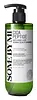 Key Ingredients
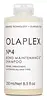
Benefits
Concerns
Ingredients Side-by-side
Water
Skin ConditioningCocamidopropyl Betaine
Cleansing



Tea-Cocoyl Glutamate
Cleansing
Sodium Lauroyl Methylaminopropionate
CleansingDisodium Laureth Sulfosuccinate
CleansingCocamide Mea
Emulsifying
Sodium Chloride
MaskingParfum
Masking

Polyquaternium-10
Caprylyl Glycol
Emollient
Hydroxyacetophenone
Antioxidant
PPG-3 Myristyl Ether
EmollientPanthenol
Skin Conditioning




Salicylic Acid
Masking







Menthol
Masking
Citric Acid
Buffering
Niacinamide
Smoothing


Sodium Benzoate
Masking
Pentasodium Pentetate
Butylene Glycol
Humectant
Gluconolactone
Skin Conditioning
Aminomethyl Propanol
Buffering1,2-Hexanediol
Skin Conditioning
Biotin
AntiseborrhoeicMentha Piperita Leaf Extract
Skin ConditioningMentha Viridis Extract
MaskingLeonurus Sibiricus Flower/Leaf/Stem Extract
SoothingNelumbo Nucifera Flower Extract
Skin ConditioningHouttuynia Cordata Extract
Skin Conditioning
Artemisia Vulgaris Extract
Skin Conditioning
Camellia Sinensis Leaf Extract
Antimicrobial
Mentha Rotundifolia Leaf Extract
TonicCentella Asiatica Extract
Cleansing
Ethylhexylglycerin
Skin ConditioningHydrolyzed Corn Protein
Skin ConditioningHydrolyzed Soy Protein
Humectant
Hydrolyzed Wheat Protein
Skin ConditioningHexapeptide-9
Skin Conditioning
Palmitoyl Pentapeptide-4
Skin Conditioning
Palmitoyl Tripeptide-5
Skin Conditioning
Palmitoyl Tripeptide-1
Skin Conditioning
Palmitoyl Tetrapeptide-7
Skin Conditioning
Palmitoyl Oligopeptide
Cleansing
Tripeptide-1
Skin Conditioning
Copper Tripeptide-1
Skin Conditioning
Asiatic Acid
Skin Conditioning
Asiaticoside
Antioxidant
Acetyl Hexapeptide-8
Humectant
Acetyl Tetrapeptide-2
Skin Conditioning
Madecassic Acid
Skin Conditioning
Madecassoside
Antioxidant
Nonapeptide-1
Skin Conditioning
Water, Cocamidopropyl Betaine, Tea-Cocoyl Glutamate, Sodium Lauroyl Methylaminopropionate, Disodium Laureth Sulfosuccinate, Cocamide Mea, Sodium Chloride, Parfum, Polyquaternium-10, Caprylyl Glycol, Hydroxyacetophenone, PPG-3 Myristyl Ether, Panthenol, Salicylic Acid, Menthol, Citric Acid, Niacinamide, Sodium Benzoate, Pentasodium Pentetate, Butylene Glycol, Gluconolactone, Aminomethyl Propanol, 1,2-Hexanediol, Biotin, Mentha Piperita Leaf Extract, Mentha Viridis Extract, Leonurus Sibiricus Flower/Leaf/Stem Extract, Nelumbo Nucifera Flower Extract, Houttuynia Cordata Extract, Artemisia Vulgaris Extract, Camellia Sinensis Leaf Extract, Mentha Rotundifolia Leaf Extract, Centella Asiatica Extract, Ethylhexylglycerin, Hydrolyzed Corn Protein, Hydrolyzed Soy Protein, Hydrolyzed Wheat Protein, Hexapeptide-9, Palmitoyl Pentapeptide-4, Palmitoyl Tripeptide-5, Palmitoyl Tripeptide-1, Palmitoyl Tetrapeptide-7, Palmitoyl Oligopeptide, Tripeptide-1, Copper Tripeptide-1, Asiatic Acid, Asiaticoside, Acetyl Hexapeptide-8, Acetyl Tetrapeptide-2, Madecassic Acid, Madecassoside, Nonapeptide-1
Water
Skin ConditioningSodium Lauroyl Methyl Isethionate
CleansingCocamidopropyl Hydroxysultaine
Cleansing
Potassium Cocoyl Glycinate
Surfactant
Disodium Cocoyl Glutamate
Cleansing
Potassium Cocoate
Emulsifying
Sodium Lauroyl Sarcosinate
CleansingGlycereth-26
Humectant
Decyl Glucoside
Cleansing
Parfum
Masking
Phenoxyethanol
Preservative
Cocamidopropylamine Oxide
Cleansing
Sodium Cocoyl Glutamate
Cleansing
Glycol Distearate
Emollient
Disodium Laureth Sulfosuccinate
CleansingMethyl Gluceth-20
Humectant
Acrylates Copolymer
PEG-120 Methyl Glucose Dioleate
Emulsifying
Amodimethicone

Polyquaternium-10
Citric Acid
Buffering
Ethylhexylglycerin
Skin ConditioningSodium Lauryl Sulfoacetate
CleansingDivinyldimethicone/Dimethicone Copolymer
Chlorphenesin
Antimicrobial
Polyquaternium-11
Guar Hydroxypropyltrimonium Chloride
Skin ConditioningC11-15 Pareth-7
EmulsifyingTrisodium Ethylenediamine Disuccinate
Laureth-9
EmulsifyingGlycerin
Humectant
Trideceth-12
EmulsifyingPanthenol
Skin Conditioning
Hydrolyzed Vegetable Protein Pg-Propyl Silanetriol
Skin ConditioningC12-13 Pareth-3
EmulsifyingC12-13 Pareth-23
CleansingHelianthus Annuus Seed Oil
Emollient
Tocopherol
Antioxidant
Pseudozyma Epicola/Camellia Sinensis Seed Oil Ferment Extract Filtrate
Humectant
Pseudozyma Epicola/Argania Spinosa Kernel Oil Ferment Filtrate
Skin Conditioning
Prunus Armeniaca Kernel Oil
Masking
Quaternium-95
UV AbsorberPropanediol
Solvent
Helianthus Annuus Seed Extract
Skin Conditioning
PEG-8
HumectantBis-Aminopropyl Diglycol Dimaleate
Skin ConditioningEuterpe Oleracea Fruit Extract
Rosmarinus Officinalis Leaf Extract
AntimicrobialPunica Granatum Extract
AstringentOriganum Vulgare Leaf Extract
Skin ConditioningMusa Sapientum Fruit Extract
Skin ConditioningMorinda Citrifolia Fruit Extract
Skin Conditioning
Sodium Hyaluronate
Humectant
PEG-8/Smdi Copolymer
Arctium Lappa Root Extract
Skin Conditioning
Sodium Polyacrylate
Absorbent
Palmitoyl Myristyl Serinate
Skin ConditioningCitral
Perfuming
Hexyl Cinnamal
Perfuming
Limonene
Perfuming
Biotin
AntiseborrhoeicPentaerythrityl Tetra-Di-T-Butyl Hydroxyhydrocinnamate
Antioxidant
Water, Sodium Lauroyl Methyl Isethionate, Cocamidopropyl Hydroxysultaine, Potassium Cocoyl Glycinate, Disodium Cocoyl Glutamate, Potassium Cocoate, Sodium Lauroyl Sarcosinate, Glycereth-26, Decyl Glucoside, Parfum, Phenoxyethanol, Cocamidopropylamine Oxide, Sodium Cocoyl Glutamate, Glycol Distearate, Disodium Laureth Sulfosuccinate, Methyl Gluceth-20, Acrylates Copolymer, PEG-120 Methyl Glucose Dioleate, Amodimethicone, Polyquaternium-10, Citric Acid, Ethylhexylglycerin, Sodium Lauryl Sulfoacetate, Divinyldimethicone/Dimethicone Copolymer, Chlorphenesin, Polyquaternium-11, Guar Hydroxypropyltrimonium Chloride, C11-15 Pareth-7, Trisodium Ethylenediamine Disuccinate, Laureth-9, Glycerin, Trideceth-12, Panthenol, Hydrolyzed Vegetable Protein Pg-Propyl Silanetriol, C12-13 Pareth-3, C12-13 Pareth-23, Helianthus Annuus Seed Oil, Tocopherol, Pseudozyma Epicola/Camellia Sinensis Seed Oil Ferment Extract Filtrate, Pseudozyma Epicola/Argania Spinosa Kernel Oil Ferment Filtrate, Prunus Armeniaca Kernel Oil, Quaternium-95, Propanediol, Helianthus Annuus Seed Extract, PEG-8, Bis-Aminopropyl Diglycol Dimaleate, Euterpe Oleracea Fruit Extract, Rosmarinus Officinalis Leaf Extract, Punica Granatum Extract, Origanum Vulgare Leaf Extract, Musa Sapientum Fruit Extract, Morinda Citrifolia Fruit Extract, Sodium Hyaluronate, PEG-8/Smdi Copolymer, Arctium Lappa Root Extract, Sodium Polyacrylate, Palmitoyl Myristyl Serinate, Citral, Hexyl Cinnamal, Limonene, Biotin, Pentaerythrityl Tetra-Di-T-Butyl Hydroxyhydrocinnamate
Reviews
Ingredients Explained
These ingredients are found in both products.
Ingredients higher up in an ingredient list are typically present in a larger amount.
Biotin is a B vitamin that is naturally produced by our bodies. It is also called Vitamin H.
Our bodies use biotin in the metabolism process. It also helps our bodies use enzymes and move nutrients around. A biotin deficiency can lead to brittle hair and nails.
More research is needed on applying biotin topically. However, taking biotin orally has been shown to help nourish the skin, hair, and nails. They play a role in forming skin-hydrating fatty acids.
Biotin is water-soluble. It can be found in foods such as fish, eggs, dairy, nuts, and meat. Vitamin H stands for "haar" and "haut". These are the German words for hair and skin.
Learn more about BiotinCitric Acid is an alpha hydroxy acid (AHA) naturally found in citrus fruits like oranges, lemons, and limes.
Like other AHAs, citric acid can exfoliate skin by breaking down the bonds that hold dead skin cells together. This helps reveal smoother and brighter skin underneath.
However, this exfoliating effect only happens at high concentrations (20%) which can be hard to find in cosmetic products.
Due to this, citric acid is usually included in small amounts as a pH adjuster. This helps keep products slightly more acidic and compatible with skin's natural pH.
In skincare formulas, citric acid can:
While it can provide some skin benefits, research shows lactic acid and glycolic acid are generally more effective and less irritating exfoliants.
Most citric acid used in skincare today is made by fermenting sugars (usually from molasses). This synthetic version is identical to the natural citrus form but easier to stabilize and use in formulations.
Rosacea skin has a lower threshold for acids generally, with 62.5% of rosacea subjects in one study reacting to lactic acid in a sting test. This is why we mark citric acid as a potential rosacea trigger.
However, this ingredient shows up as a pH adjuster or chelator at roughly 0.1-1% in many products. These low levels are unlikely to be an issue for rosacea skin and becomes a potential trigger at exfoliating concentrations (20%). Because everybody's skin is unique, we recommend a patch test if you are unsure.
Learn more about Citric AcidThis ingredient is a cleansing agent, surfactant, and foam booster. It considered an alternative to traditional sulfates (Sulfosuccinate) and is allowed in "sulfate-free" products.
According to a manufacturer, this ingredient is mild and can be used in baby and bath options.
Ethylhexylglycerin is created from glycerin. It is a multitasker ingredient that:
The CIR Expert Panel found minimal skin absorption or sensitization of any kind in a safety assessment. Though this ingredient is considered well-tolerated, a small number of cases of allergic dermatitis have been published since 2002. Just be sure to patch test if you are unsure.
Industry-reported use ranges from 8% in rinse-off products and 2% in leave-on formulations.
Learn more about EthylhexylglycerinPanthenol is a common ingredient that helps hydrate and soothe the skin. It is found naturally in our skin and hair.
There are two forms of panthenol: D and L.
D-panthenol is also known as dexpanthenol. Most cosmetics use dexpanthenol or a mixture of D and L-panthenol.
Panthenol is famous due to its ability to go deeper into the skin's layers. Using this ingredient has numerous pros (and no cons):
Like hyaluronic acid, panthenol is a humectant. Humectants are able to bind and hold large amounts of water to keep skin hydrated.
This ingredient works well for wound healing. It works by increasing tissue in the wound and helps close open wounds.
Once oxidized, panthenol converts to pantothenic acid. Panthothenic acid is found in all living cells.
This ingredient is also referred to as pro-vitamin B5.
Learn more about PanthenolParfum is a catch-all term for an ingredient or more that is used to give a scent to products.
Also called "fragrance", this ingredient can be a blend of hundreds of chemicals or plant oils. This means every product with "fragrance" or "parfum" in the ingredients list is a different mixture.
For instance, Habanolide is a proprietary trade name for a specific aroma chemical. When used as a fragrance ingredient in cosmetics, most aroma chemicals fall under the broad labeling category of “FRAGRANCE” or “PARFUM” according to EU and US regulations.
The term 'parfum' or 'fragrance' is not regulated in many countries. In many cases, it is up to the brand to define this term.
For instance, many brands choose to label themselves as "fragrance-free" because they are not using synthetic fragrances. However, their products may still contain ingredients such as essential oils that are considered a fragrance by INCI standards.
One example is Calendula flower extract. Calendula is an essential oil that still imparts a scent or 'fragrance'.
Depending on the blend, the ingredients in the mixture can cause allergies and sensitivities on the skin. Some ingredients that are known EU allergens include linalool and citronellol.
Parfum can also be used to mask or cover an unpleasant scent.
The bottom line is: not all fragrances/parfum/ingredients are created equally. If you are worried about fragrances, we recommend taking a closer look at an ingredient. And of course, we always recommend speaking with a professional.
Learn more about ParfumPolyquaternium-10 is an ammonium salt of hydroxyethylcellulose. It is a white and granular powder used as a film-former and anti-static agent.
This ingredient is commonly found in hair conditioning products. According to a manufacturer, its positive charge makes it great for absorbing hair proteins. The manufacturer also states this ingredient helps with curl retention.
For haircare friends: this ingredient is not a silicone.
Learn more about Polyquaternium-10Water. It's the most common cosmetic ingredient of all. You'll usually see it at the top of ingredient lists, meaning that it makes up the largest part of the product.
So why is it so popular? Water most often acts as a solvent - this means that it helps dissolve other ingredients into the formulation.
You'll also recognize water as that liquid we all need to stay alive. If you see this, drink a glass of water. Remember to stay hydrated!
Learn more about Water

