SkinCeuticals P-Tiox Wrinkle Modulating Peptide Serum Versus La Mer The Revitalizing Hydrating Serum
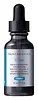
This anti-aging serum is formulated around Dipeptide Diaminobutyroyl Benzylamide Diacetate and Acetyl Hexapeptide-8 to soften the look of wrinkles and refine skin texture.
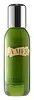
This hydrating serum is formulated around Hydrogenated Lecithin and Acetyl Hexapeptide-8 to hydrate skin and strengthen the skin barrier.

What's inside
What's inside
 Key Ingredients
Benefits
Concerns
Ingredients Side-by-side
Water
Skin ConditioningNiacinamide
Smoothing











Gluconolactone
Chelating
Butylene Glycol
Humectant
PEG/PPG/Polybutylene Glycol-8/5/3 Glycerin
HumectantAlcohol Denat.
Antimicrobial




Pentylene Glycol
Skin Conditioning
Methyl Gluceth-20
Humectant
Glycerin
Humectant
Potassium Hydroxide
BufferingHydroxyethylcellulose
Emulsion StabilisingSalicylic Acid
Masking

Chlorphenesin
Antimicrobial
Phytic Acid
Chelating
Adenosine
Skin Conditioning
Sodium Benzoate
Masking
Laminaria Digitata Extract
Skin Protecting
Dipeptide Diaminobutyroyl Benzylamide Diacetate
Skin Conditioning
Acetyl Hexapeptide-8
Humectant
Water, Niacinamide, Gluconolactone, Butylene Glycol, PEG/PPG/Polybutylene Glycol-8/5/3 Glycerin, Alcohol Denat., Pentylene Glycol, Methyl Gluceth-20, Glycerin, Potassium Hydroxide, Hydroxyethylcellulose, Salicylic Acid, Chlorphenesin, Phytic Acid, Adenosine, Sodium Benzoate, Laminaria Digitata Extract, Dipeptide Diaminobutyroyl Benzylamide Diacetate, Acetyl Hexapeptide-8
Butylene Glycol
Humectant
Glycerin
Humectant
Algae Extract
Emollient
Bis-PEG-12 Dimethicone
Emollient
Hydrogenated Lecithin
Emulsifying
Caprylic/Capric Triglyceride
Masking
Sucrose
Humectant
Limnanthes Alba Seed Oil
Skin Conditioning

Sesamum Indicum Seed Oil
Emollient
Medicago Sativa Seed Powder
Skin ConditioningHelianthus Annuus Seedcake
Abrasive
Prunus Amygdalus Dulcis Seed Meal
Abrasive
Eucalyptus Globulus Leaf Oil
Perfuming


Sodium Gluconate
ChelatingCopper Gluconate
Skin Conditioning
Calcium Gluconate
HumectantMagnesium Gluconate
Skin ConditioningZinc Gluconate
Skin Conditioning
Tocopheryl Succinate
Antioxidant
Niacin
SmoothingSesamum Indicum Seed Powder
Skin ConditioningCitrus Aurantifolia Peel Extract
Cleansing
Commiphora Mukul Resin Extract
Skin ConditioningCodium Tomentosum Extract
Skin ProtectingPolygonum Cuspidatum Root Extract
Antioxidant
Vitis Vinifera Seed Extract
Antimicrobial
Humulus Lupulus Extract
AntimicrobialCitrus Reticulata Peel Extract
Skin ConditioningAsparagopsis Armata Extract
Skin Protecting
Salicornia Herbacea Extract
Skin ConditioningAlcaligenes Polysaccharides
EmollientGlucose
Humectant
Porphyridium Cruentum Extract
Skin ConditioningSigesbeckia Orientalis Extract
Skin ConditioningSqualane
Emollient
Cholesterol
Emollient
Caffeine
Skin Conditioning
Undaria Pinnatifida Extract
Skin ConditioningAscophyllum Nodosum Extract
Skin Conditioning
Laminaria Digitata Extract
Skin Protecting
Sea Salt
Abrasive
Castanea Sativa Seed Extract
Skin ConditioningPlankton Extract
Skin ConditioningGlycine Soja Seed Extract
Skin Conditioning
Acetyl Hexapeptide-8
Humectant
Trehalose
Humectant
Lactoperoxidase
StabilisingDimethicone
Emollient
Lecithin
Emollient
Dipotassium Glycyrrhizate
Humectant
Glycine Soja Protein
EmulsifyingRosmarinus Officinalis Leaf Extract
AntimicrobialPunica Granatum Fruit Juice
MaskingGlucose Oxidase
StabilisingLinolenic Acid
Cleansing
Hydrolyzed Rice Extract
Skin Conditioning
Laminaria Saccharina Extract
Skin Protecting
Faex Extract
Skin ConditioningAcetyl Glucosamine
Skin Conditioning
Bisabolol
Antioxidant
Glycosaminoglycans
EmollientEthylhexylglycerin
Skin ConditioningSodium PCA
Humectant
Tourmaline
Linoleic Acid
Cleansing
Sorbitol
Humectant
Urea
Buffering
Tocopheryl Acetate
Antioxidant
Pentylene Glycol
Skin Conditioning
Sodium Hyaluronate
Humectant
Polyquaternium-51
Skin Conditioning
Ethylbisiminomethylguaiacol Manganese Chloride
Antioxidant
Hydroxypropyl Cyclodextrin
MaskingMagnesium Ascorbyl Phosphate
Antioxidant
Nordihydroguaiaretic Acid
Antioxidant
Sodium Hydroxide
BufferingAlcohol Denat.
Antimicrobial
Carbomer
Emulsion StabilisingXanthan Gum
EmulsifyingPotassium Sorbate
Preservative
Parfum
Masking
Disodium EDTA
ChelatingBHT
Antioxidant
Phenoxyethanol
Preservative
Amyl Cinnamal
Perfuming
Hexyl Cinnamal
Perfuming
Benzyl Benzoate
Antimicrobial
Citronellol
Perfuming
Limonene
Perfuming
Coumarin
Perfuming
Linalool
Perfuming
CI 42090
Cosmetic ColorantCI 14700
Cosmetic ColorantButylene Glycol, Glycerin, Algae Extract, Bis-PEG-12 Dimethicone, Hydrogenated Lecithin, Caprylic/Capric Triglyceride, Sucrose, Limnanthes Alba Seed Oil, Sesamum Indicum Seed Oil, Medicago Sativa Seed Powder, Helianthus Annuus Seedcake, Prunus Amygdalus Dulcis Seed Meal, Eucalyptus Globulus Leaf Oil, Sodium Gluconate, Copper Gluconate, Calcium Gluconate, Magnesium Gluconate, Zinc Gluconate, Tocopheryl Succinate, Niacin, Sesamum Indicum Seed Powder, Citrus Aurantifolia Peel Extract, Commiphora Mukul Resin Extract, Codium Tomentosum Extract, Polygonum Cuspidatum Root Extract, Vitis Vinifera Seed Extract, Humulus Lupulus Extract, Citrus Reticulata Peel Extract, Asparagopsis Armata Extract, Salicornia Herbacea Extract, Alcaligenes Polysaccharides, Glucose, Porphyridium Cruentum Extract, Sigesbeckia Orientalis Extract, Squalane, Cholesterol, Caffeine, Undaria Pinnatifida Extract, Ascophyllum Nodosum Extract, Laminaria Digitata Extract, Sea Salt, Castanea Sativa Seed Extract, Plankton Extract, Glycine Soja Seed Extract, Acetyl Hexapeptide-8, Trehalose, Lactoperoxidase, Dimethicone, Lecithin, Dipotassium Glycyrrhizate, Glycine Soja Protein, Rosmarinus Officinalis Leaf Extract, Punica Granatum Fruit Juice, Glucose Oxidase, Linolenic Acid, Hydrolyzed Rice Extract, Laminaria Saccharina Extract, Faex Extract, Acetyl Glucosamine, Bisabolol, Glycosaminoglycans, Ethylhexylglycerin, Sodium PCA, Tourmaline, Linoleic Acid, Sorbitol, Urea, Tocopheryl Acetate, Pentylene Glycol, Sodium Hyaluronate, Polyquaternium-51, Ethylbisiminomethylguaiacol Manganese Chloride, Hydroxypropyl Cyclodextrin, Magnesium Ascorbyl Phosphate, Nordihydroguaiaretic Acid, Sodium Hydroxide, Alcohol Denat., Carbomer, Xanthan Gum, Potassium Sorbate, Parfum, Disodium EDTA, BHT, Phenoxyethanol, Amyl Cinnamal, Hexyl Cinnamal, Benzyl Benzoate, Citronellol, Limonene, Coumarin, Linalool, CI 42090, CI 14700
Reviews
Ingredients Explained
These ingredients are found in both products.
Ingredients higher up in an ingredient list are typically present in a larger amount.
Acetyl Hexapeptide-8 (also known as Argireline) is a synthetic hexapeptide that is often called a "topical Botox alternative".
It works by mimicking how Botox relaxes muscles; it interferes with the signaling process that tells your facial muscles to contract. This can help soften expression lines like forehead wrinkles or crow's feet over time.
The comparison to Botox does have limits because the molecule is water-loving and relatively large.
Acetyl Hexapeptide-8 has a hard time absorbing deeply enough through the skin's outer barrier to actually reach the muscles.
So whether it truly works the way Botox does at a biological level is still up for debate, but early clinical outcomes are fairly encouraging.
A 12 week human study of a multi-ingredient regimen containing this ingredient saw:
While some studies have observed improvements in wrinkle appearance, it is important to note that more consistent results are seen in multi-ingredient formulations (vs just Acetyl Hexapeptide-8 alone).
Some research studies also used higher concentrations (up to 10%) while this ingredient is usually found in concentrations up to 0.005% in leave-on formulations.
Learn more about Acetyl Hexapeptide-8Alcohol Denat. is an alcohol with a denaturant property. It is created by mixing ethanol with other additives.
The "denat" part just means "denatured"; common denaturants include Denatonium Benzoate, t-butyl alcohol, and Diethyl Phthalate. This step makes the alcohol undrinkable (and lets brand skip taxes related to beverage alcohol).
This ingredient gets a bad rep because it is irritating and drying due to its astringent property. Astringents draw out natural oils in tissue to constrict pores and dry out your skin.
However, alcohol denat. is not all that bad.
Due to its low molecular weight, alcohol denat. tends to evaporate quickly. One study on pig skin found half of applied alcohol evaporated in 10 seconds and less than 3% stayed on skin.
This also helps other ingredients become better absorbed upon application.
Studies are conflicted about whether this ingredient causes skin dehydration. One study from 2005 found adding emollients to propanol-based sanitizer decreased skin dryness and irritation. Another study found irritation only occurs if your skin is already damaged.
Small amounts of alcohol are generally tolerated by oily skin or people who live in humid environments.
The rule of thumb is this ingredient will probably not affect your skin much if it is near the end of an ingredients list.
One thing to note:
People with ALDH2 (aldehyde dehydrogenase 2) deficiency may experience skin irritation from continued alcohol use. About 8% of the world's population have this deficiency.
The Cosmetic Ingredient Review Expert Panel has determined denatured alcohols to be safe for use in concentrations between 0.05% and 12% (depending on which denaturant is used).
Also...
This ingredient has antimicrobial and solvent properties.
The antimicrobial property helps preserve products and increase their shelf life. As a solvent, it helps dissolve other ingredients.
Look for formulas that contain glycerin, hyaluronic acid, or panthenol if you want to offset any drying effect.
This ingredient will trip away your skin's natural oils/lipids that help it lock in moisture. This can worsen dryness, trigger eczema flare-ups, and aggravate rosacea.
Be sure to patch test any product with this ingredient if you have dry or sensitive skin, eczema, or rosacea.
Learn more about Alcohol Denat.Butylene Glycol (or BG) is used within cosmetic products for a few different reasons:
Overall, Butylene Glycol is a safe and well-rounded ingredient that works well with other ingredients.
Though this ingredient works well with most skin types, some people with sensitive skin may experience a reaction such as allergic rashes, closed comedones, or itchiness.
Learn more about Butylene GlycolGlycerin (or glycerol) is a compound naturally found in your skin. It's a powerhouse humectant that pulls water into the stratum corneum.
Topically, glycerin does several things at once:
Your skin makes glycerin on its own (mostly from sebaceous oil breakdown) and shuttles it to your outermost layer of skin, or your epidermis, via aquaporin-3.
Aquaporin-3 is a transporter that is essential for normal skin hydration, elasticity, and repair. Interestingly, mice lacking in AQP3 have dry and less elastic skin that can be fully corrected with glycerin.
This ingredient is non-irritating, plays well with almost every ingredient, and works across all skin types. Typical use is anywhere between 3-10% but can go up to 79% in some leave-on products.
Just know very high concentrations (>40%) can feel tacky in low humidity.
Glycerin is the name for this ingredient in American English. British English uses Glycerol/Glycerine.
Learn more about GlycerinLaminaria Digitata Extract comes from the big brown seaweed (or kelp) that grows in the North Atlantic. In skincare, it's mostly used as a skin protectant and conditioning agent.
The most interesting stuff inside is mostly just sugars and minerals: fucoidan (a sulfated polysaccharide), laminarin (a beta-glucan), alginates, and phlorotannins (seaweed polyphenols).
Any antioxidant and soothing claims mostly come from those polysaccharides; crude laminarin and fucoidan from Laminaria digitata do show antioxidant and anti-inflammatory activity in lab assays.
Just know that the lab assays are test-tube work on isolated compounds and not clinical trials on the finished extract.
Realistically, this ingredient is a nice-feeling and hydrating skin conditioner (not really an active).
Safety-wise, it's one of the better documented seaweeds and safe to be used in cosmetics according to the CIR Expert Panel.
Industry surveys find that usage concentrations run can be found up to 5% in bubble baths and leave-on usage is more likely 0.1-3%.
The risk of allergy is also quite low as human repeat insult patch tests (under 5% and blends containing 8-12%) came back non-irritating and non-sensitizing. Rabbit studies came back negative too, though one trade mixture at 1.5-2.5% in water + propylene glycol did cause moderate irritation at 30 minutes.
Reported seaweed allergies in the literature are almost all occupational (people handling wet kelp) or from a totally unrelated blue/green alga.
You'll see seaweed listed as a 5/5 on a lot of pore-clogging charts and that number doesn't come from anywhere; it's not in the original rabbit-ear studies that most comedogenic ratings trace back to.
The reasoning behind the reputation is that seaweed is high in iodine and iodine can trigger acne-like breakouts when eaten. This traces back to a 1976 letter in Archives of Dermatology describing two women whose breakouts cleared after they stopped taking high-dose kelp supplements orally.
And the reaction of these two women wasn't clogged pores at all: it was an iodine-triggered pustular rash. Later research found normal dietary iodine doesn't meaningfully affect acne either and nobody has shown topical algae delivers enough iodine to matter.
What we do have is dozens of brown and red algae ingredients found to be non-irritating and non-sensitizing, and a handful of studies that found algae compounds may actually help acne.
However, plenty of people do report breaking out from algae-containing products. Skin is individual and it's worth avoiding if yours has reacted to algae before.
The 0-5 scale comes from applying ingredients to the inside of an albino rabbit's ear. Rabbit follicles are far more reactive than human ones so it over-predicts. Even petrolatum was reassigned as non-comedogenic by the original scientist, Kligman.
Here are three more problems of comedogenic ratings:
Learn more about Laminaria Digitata ExtractPentylene Glycol (1,2-pentanediol) is a multitasking little diol with three main roles in a formula:
Research on alkanediols (the family pentylene glycol belongs to) show they work by disrupting microbial cell membranes. This disruption helps the primary preservative system in a product work more effectively at lower doses.
On the safety side, the Cosmetic Ingredient Review Expert Panel has concluded this ingredient to be safe as used in current cosmetic practices + concentrations.
Typical use levels in a formula run about 1-5%.
Learn more about Pentylene Glycol

