Cosmedix Pepoxide Antioxidant Peptide Concentrate Versus SkinCeuticals P-Tiox Wrinkle Modulating Peptide Serum
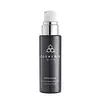
This anti-aging serum is formulated around Superoxide Dismutase and Gluconolactone to soften the look of wrinkles and brighten dull-looking skin.
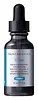
This anti-aging serum is formulated around Dipeptide Diaminobutyroyl Benzylamide Diacetate and Acetyl Hexapeptide-8 to soften the look of wrinkles and refine skin texture.

What's inside
What's inside
 Key Ingredients
Benefits
Concerns
Ingredients Side-by-side
Water
Skin ConditioningAlcohol Denat.
Antimicrobial




Glycerin
Humectant


Cocos Nucifera Fruit Juice
Emollient
Hydrolyzed Collagen
Emollient
Mannitol
Humectant
Gluconolactone
Chelating





Caffeine
Skin Conditioning
Superoxide Dismutase
Antioxidant

Phenyl T-Butylnitrone
Antioxidant
Waltheria Indica Leaf Extract
Skin ConditioningGlutathione

Hamamelis Virginiana Water
Astringent
Polygonum Cuspidatum Extract
Skin ConditioningSilybum Marianum Extract
Skin Conditioning
Acetyl Hexapeptide-1
Skin Conditioning
Dextran
Citrus Paradisi Peel Oil
Masking


Cupressus Sempervirens Leaf/Nut/Stem Oil
Emollient
Totarol
Antioxidant
Xanthan Gum
EmulsifyingSodium Gluconate
ChelatingSodium Benzoate
Masking
Potassium Sorbate
Preservative
Sodium Hydroxide
BufferingPolysorbate 20
Emulsifying
Citric Acid
Buffering
Sodium Citrate
BufferingAcetyl Tributyl Citrate
Masking
Astaxanthin
Skin Conditioning
Quercetin
Antioxidant
Dextrin
AbsorbentFerulic Acid
Antimicrobial
Alcohol
Antimicrobial
Isopropyl Alcohol
Solvent
Calcium Gluconate
HumectantWater, Alcohol Denat., Glycerin, Cocos Nucifera Fruit Juice, Hydrolyzed Collagen, Mannitol, Gluconolactone, Caffeine, Superoxide Dismutase, Phenyl T-Butylnitrone, Waltheria Indica Leaf Extract, Glutathione, Hamamelis Virginiana Water, Polygonum Cuspidatum Extract, Silybum Marianum Extract, Acetyl Hexapeptide-1, Dextran, Citrus Paradisi Peel Oil, Cupressus Sempervirens Leaf/Nut/Stem Oil, Totarol, Xanthan Gum, Sodium Gluconate, Sodium Benzoate, Potassium Sorbate, Sodium Hydroxide, Polysorbate 20, Citric Acid, Sodium Citrate, Acetyl Tributyl Citrate, Astaxanthin, Quercetin, Dextrin, Ferulic Acid, Alcohol, Isopropyl Alcohol, Calcium Gluconate
Water
Skin ConditioningNiacinamide
Smoothing
Gluconolactone
Chelating
Butylene Glycol
Humectant
PEG/PPG/Polybutylene Glycol-8/5/3 Glycerin
HumectantAlcohol Denat.
Antimicrobial
Pentylene Glycol
Skin Conditioning
Methyl Gluceth-20
Humectant
Glycerin
Humectant
Potassium Hydroxide
BufferingHydroxyethylcellulose
Emulsion StabilisingSalicylic Acid
Masking
Chlorphenesin
Antimicrobial
Phytic Acid
Chelating
Adenosine
Skin Conditioning
Sodium Benzoate
Masking
Laminaria Digitata Extract
Skin Protecting
Dipeptide Diaminobutyroyl Benzylamide Diacetate
Skin Conditioning
Acetyl Hexapeptide-8
Humectant
Water, Niacinamide, Gluconolactone, Butylene Glycol, PEG/PPG/Polybutylene Glycol-8/5/3 Glycerin, Alcohol Denat., Pentylene Glycol, Methyl Gluceth-20, Glycerin, Potassium Hydroxide, Hydroxyethylcellulose, Salicylic Acid, Chlorphenesin, Phytic Acid, Adenosine, Sodium Benzoate, Laminaria Digitata Extract, Dipeptide Diaminobutyroyl Benzylamide Diacetate, Acetyl Hexapeptide-8
Reviews
Ingredients Explained
These ingredients are found in both products.
Ingredients higher up in an ingredient list are typically present in a larger amount.
Alcohol Denat. is an alcohol with a denaturant property. It is created by mixing ethanol with other additives.
The "denat" part just means "denatured"; common denaturants include Denatonium Benzoate, t-butyl alcohol, and Diethyl Phthalate. This step makes the alcohol undrinkable (and lets brand skip taxes related to beverage alcohol).
This ingredient gets a bad rep because it is irritating and drying due to its astringent property. Astringents draw out natural oils in tissue to constrict pores and dry out your skin.
However, alcohol denat. is not all that bad.
Due to its low molecular weight, alcohol denat. tends to evaporate quickly. One study on pig skin found half of applied alcohol evaporated in 10 seconds and less than 3% stayed on skin.
This also helps other ingredients become better absorbed upon application.
Studies are conflicted about whether this ingredient causes skin dehydration. One study from 2005 found adding emollients to propanol-based sanitizer decreased skin dryness and irritation. Another study found irritation only occurs if your skin is already damaged.
Small amounts of alcohol are generally tolerated by oily skin or people who live in humid environments.
The rule of thumb is this ingredient will probably not affect your skin much if it is near the end of an ingredients list.
One thing to note:
People with ALDH2 (aldehyde dehydrogenase 2) deficiency may experience skin irritation from continued alcohol use. About 8% of the world's population have this deficiency.
The Cosmetic Ingredient Review Expert Panel has determined denatured alcohols to be safe for use in concentrations between 0.05% and 12% (depending on which denaturant is used).
Also...
This ingredient has antimicrobial and solvent properties.
The antimicrobial property helps preserve products and increase their shelf life. As a solvent, it helps dissolve other ingredients.
Look for formulas that contain glycerin, hyaluronic acid, or panthenol if you want to offset any drying effect.
This ingredient will trip away your skin's natural oils/lipids that help it lock in moisture. This can worsen dryness, trigger eczema flare-ups, and aggravate rosacea.
Be sure to patch test any product with this ingredient if you have dry or sensitive skin, eczema, or rosacea.
Learn more about Alcohol Denat.Gluconolactone is a PHA. PHAs are a great gentle alternative to traditional AHAs.
When applied, Gluconolactone has the same affect on skin as AHAs such as lactic acid. It helps dissolve the dead skin cells in the top layer of your skin. This improves texture and brightens the skin.
PHAs are more gentle than AHAs due to their larger structure. They do not penetrate as deeply as AHAs and take a longer time to dissolve dead cells. Studies show PHAs do not cause as much irritation.
Gluconolactone has some interesting properties:
In a 2004 study, Gluconolactone was found to prevent UV damage in mouse skin cells and has not been found to increase sun sensitivity. However, we still recommend wearing SPF daily.
This ingredient is is an created by reacting gluconic acid with an alcohol.
Learn more about GluconolactoneGlycerin (or glycerol) is a compound naturally found in your skin. It's a powerhouse humectant that pulls water into the stratum corneum.
Topically, glycerin does several things at once:
Your skin makes glycerin on its own (mostly from sebaceous oil breakdown) and shuttles it to your outermost layer of skin, or your epidermis, via aquaporin-3.
Aquaporin-3 is a transporter that is essential for normal skin hydration, elasticity, and repair. Interestingly, mice lacking in AQP3 have dry and less elastic skin that can be fully corrected with glycerin.
This ingredient is non-irritating, plays well with almost every ingredient, and works across all skin types. Typical use is anywhere between 3-10% but can go up to 79% in some leave-on products.
Just know very high concentrations (>40%) can feel tacky in low humidity.
Glycerin is the name for this ingredient in American English. British English uses Glycerol/Glycerine.
Learn more about GlycerinSodium Benzoate is a preservative. It's used in both cosmetic and food products to inhibit the growth of mold and bacteria. It is typically produced synthetically.
Both the US FDA and EU Health Committee have approved the use of sodium benzoate. In the US, levels of 0.1% (of the total product) are allowed.
Sodium benzoate works as a preservative by inhibiting the growth of bacteria inside of cells. It prevents the cell from fermenting a type of sugar using an enzyme called phosphofructokinase.
It is the salt of benzoic acid. Foods containing sodium benzoate include soda, salad dressings, condiments, fruit juices, wines, and snack foods.
Studies for using ascorbic acid and sodium benzoate in cosmetics are lacking, especially in skincare routines with multiple steps.
We always recommend speaking with a professional, such as a dermatologist, if you have any concerns.
Learn more about Sodium BenzoateWater. It's the most common cosmetic ingredient of all. You'll usually see it at the top of ingredient lists, meaning that it makes up the largest part of the product.
So why is it so popular? Water most often acts as a solvent - this means that it helps dissolve other ingredients into the formulation.
You'll also recognize water as that liquid we all need to stay alive. If you see this, drink a glass of water. Remember to stay hydrated!
Learn more about Water

