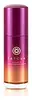
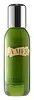
Tatcha Violet-C Brightening Serum 20% Vitamin C + 10% AHA Versus La Mer The Revitalizing Hydrating Serum
This brightening serum is formulated around Ascorbyl Tetraisopalmitate and Lactic Acid to brighten dull-looking skin and refine skin texture.
This hydrating serum is formulated around Hydrogenated Lecithin and Acetyl Hexapeptide-8 to hydrate skin and strengthen the skin barrier.

What's inside
What's inside
 Key Ingredients
Benefits
Concerns
Ingredients Side-by-side
Water
Skin ConditioningBis-Glyceryl Ascorbate
Antioxidant

Camellia Sinensis Leaf
Perfuming




Propanediol
Solvent

Butylene Glycol
Humectant
Glycerin
Humectant
Ascorbyl Tetraisopalmitate
Antioxidant


Angelica Acutiloba Root Extract
Skin ConditioningCallicarpa Japonica Fruit Extract
Skin ConditioningPrunus Mume Fruit Extract
Humectant
Crataegus Cuneata Fruit Extract
Skin ConditioningPyrus Malus Fruit Extract
Skin Conditioning
Citrus Paradisi Fruit Extract
Skin ConditioningCitrus Aurantium Dulcis Juice
Skin ConditioningCitrus Limon Juice
Skin Conditioning
Citrus Aurantifolia Juice
CleansingGlycyrrhiza Glabra Root Extract
Bleaching
Scutellaria Baicalensis Root Extract
Astringent
Artemisia Capillaris Flower Extract
Skin ConditioningMorus Alba Root Extract
BleachingZiziphus Jujuba Fruit Extract
Skin ConditioningSodium Hyaluronate
Humectant
Lactic Acid
Buffering



Sodium Citrate
BufferingDipotassium Glycyrrhizate
Humectant
Ammonium Acryloyldimethyltaurate/Carboxyethyl Acrylate Crosspolymer
Disodium EDTA
ChelatingPPG-6-Decyltetradeceth-30
EmulsifyingEthylhexylglycerin
Skin ConditioningPhenoxyethanol
Preservative
Water, Bis-Glyceryl Ascorbate, Camellia Sinensis Leaf, Propanediol, Butylene Glycol, Glycerin, Ascorbyl Tetraisopalmitate, Angelica Acutiloba Root Extract, Callicarpa Japonica Fruit Extract, Prunus Mume Fruit Extract, Crataegus Cuneata Fruit Extract, Pyrus Malus Fruit Extract, Citrus Paradisi Fruit Extract, Citrus Aurantium Dulcis Juice, Citrus Limon Juice, Citrus Aurantifolia Juice, Glycyrrhiza Glabra Root Extract, Scutellaria Baicalensis Root Extract, Artemisia Capillaris Flower Extract, Morus Alba Root Extract, Ziziphus Jujuba Fruit Extract, Sodium Hyaluronate, Lactic Acid, Sodium Citrate, Dipotassium Glycyrrhizate, Ammonium Acryloyldimethyltaurate/Carboxyethyl Acrylate Crosspolymer, Disodium EDTA, PPG-6-Decyltetradeceth-30, Ethylhexylglycerin, Phenoxyethanol
Butylene Glycol
Humectant
Glycerin
Humectant
Algae Extract
Emollient
Bis-PEG-12 Dimethicone
Emollient
Hydrogenated Lecithin
Emulsifying
Caprylic/Capric Triglyceride
Masking
Sucrose
Humectant
Limnanthes Alba Seed Oil
Skin Conditioning
Sesamum Indicum Seed Oil
Emollient
Medicago Sativa Seed Powder
Skin ConditioningHelianthus Annuus Seedcake
Abrasive
Prunus Amygdalus Dulcis Seed Meal
Abrasive
Eucalyptus Globulus Leaf Oil
Perfuming

Sodium Gluconate
ChelatingCopper Gluconate
Skin Conditioning
Calcium Gluconate
HumectantMagnesium Gluconate
Skin ConditioningZinc Gluconate
Skin Conditioning

Tocopheryl Succinate
Antioxidant
Niacin
SmoothingSesamum Indicum Seed Powder
Skin ConditioningCitrus Aurantifolia Peel Extract
Cleansing
Commiphora Mukul Resin Extract
Skin ConditioningCodium Tomentosum Extract
Skin ProtectingPolygonum Cuspidatum Root Extract
Antioxidant
Vitis Vinifera Seed Extract
Antimicrobial
Humulus Lupulus Extract
AntimicrobialCitrus Reticulata Peel Extract
Skin ConditioningAsparagopsis Armata Extract
Skin Protecting
Salicornia Herbacea Extract
Skin ConditioningAlcaligenes Polysaccharides
EmollientGlucose
Humectant
Porphyridium Cruentum Extract
Skin ConditioningSigesbeckia Orientalis Extract
Skin ConditioningSqualane
Emollient
Cholesterol
Emollient
Caffeine
Skin Conditioning
Undaria Pinnatifida Extract
Skin ConditioningAscophyllum Nodosum Extract
Skin Conditioning
Laminaria Digitata Extract
Skin Protecting
Sea Salt
Abrasive
Castanea Sativa Seed Extract
Skin ConditioningPlankton Extract
Skin ConditioningGlycine Soja Seed Extract
Skin Conditioning
Acetyl Hexapeptide-8
Humectant
Trehalose
Humectant
Lactoperoxidase
StabilisingDimethicone
Emollient
Lecithin
Emollient
Dipotassium Glycyrrhizate
Humectant
Glycine Soja Protein
EmulsifyingRosmarinus Officinalis Leaf Extract
AntimicrobialPunica Granatum Fruit Juice
MaskingGlucose Oxidase
StabilisingLinolenic Acid
Cleansing
Hydrolyzed Rice Extract
Skin Conditioning
Laminaria Saccharina Extract
Skin Protecting
Faex Extract
Skin ConditioningAcetyl Glucosamine
Skin Conditioning
Bisabolol
Antioxidant
Glycosaminoglycans
EmollientEthylhexylglycerin
Skin ConditioningSodium PCA
Humectant
Tourmaline
Linoleic Acid
Cleansing
Sorbitol
Humectant
Urea
Buffering
Tocopheryl Acetate
Antioxidant
Pentylene Glycol
Skin Conditioning
Sodium Hyaluronate
Humectant
Polyquaternium-51
Skin Conditioning
Ethylbisiminomethylguaiacol Manganese Chloride
Antioxidant
Hydroxypropyl Cyclodextrin
MaskingMagnesium Ascorbyl Phosphate
Antioxidant
Nordihydroguaiaretic Acid
Antioxidant
Sodium Hydroxide
BufferingAlcohol Denat.
Antimicrobial

Carbomer
Emulsion StabilisingXanthan Gum
EmulsifyingPotassium Sorbate
Preservative
Parfum
Masking
Disodium EDTA
ChelatingBHT
Antioxidant
Phenoxyethanol
Preservative
Amyl Cinnamal
Perfuming
Hexyl Cinnamal
Perfuming
Benzyl Benzoate
Antimicrobial
Citronellol
Perfuming
Limonene
Perfuming
Coumarin
Perfuming
Linalool
Perfuming
CI 42090
Cosmetic ColorantCI 14700
Cosmetic ColorantButylene Glycol, Glycerin, Algae Extract, Bis-PEG-12 Dimethicone, Hydrogenated Lecithin, Caprylic/Capric Triglyceride, Sucrose, Limnanthes Alba Seed Oil, Sesamum Indicum Seed Oil, Medicago Sativa Seed Powder, Helianthus Annuus Seedcake, Prunus Amygdalus Dulcis Seed Meal, Eucalyptus Globulus Leaf Oil, Sodium Gluconate, Copper Gluconate, Calcium Gluconate, Magnesium Gluconate, Zinc Gluconate, Tocopheryl Succinate, Niacin, Sesamum Indicum Seed Powder, Citrus Aurantifolia Peel Extract, Commiphora Mukul Resin Extract, Codium Tomentosum Extract, Polygonum Cuspidatum Root Extract, Vitis Vinifera Seed Extract, Humulus Lupulus Extract, Citrus Reticulata Peel Extract, Asparagopsis Armata Extract, Salicornia Herbacea Extract, Alcaligenes Polysaccharides, Glucose, Porphyridium Cruentum Extract, Sigesbeckia Orientalis Extract, Squalane, Cholesterol, Caffeine, Undaria Pinnatifida Extract, Ascophyllum Nodosum Extract, Laminaria Digitata Extract, Sea Salt, Castanea Sativa Seed Extract, Plankton Extract, Glycine Soja Seed Extract, Acetyl Hexapeptide-8, Trehalose, Lactoperoxidase, Dimethicone, Lecithin, Dipotassium Glycyrrhizate, Glycine Soja Protein, Rosmarinus Officinalis Leaf Extract, Punica Granatum Fruit Juice, Glucose Oxidase, Linolenic Acid, Hydrolyzed Rice Extract, Laminaria Saccharina Extract, Faex Extract, Acetyl Glucosamine, Bisabolol, Glycosaminoglycans, Ethylhexylglycerin, Sodium PCA, Tourmaline, Linoleic Acid, Sorbitol, Urea, Tocopheryl Acetate, Pentylene Glycol, Sodium Hyaluronate, Polyquaternium-51, Ethylbisiminomethylguaiacol Manganese Chloride, Hydroxypropyl Cyclodextrin, Magnesium Ascorbyl Phosphate, Nordihydroguaiaretic Acid, Sodium Hydroxide, Alcohol Denat., Carbomer, Xanthan Gum, Potassium Sorbate, Parfum, Disodium EDTA, BHT, Phenoxyethanol, Amyl Cinnamal, Hexyl Cinnamal, Benzyl Benzoate, Citronellol, Limonene, Coumarin, Linalool, CI 42090, CI 14700
Reviews
Ingredients Explained
These ingredients are found in both products.
Ingredients higher up in an ingredient list are typically present in a larger amount.
Butylene Glycol (or BG) is used within cosmetic products for a few different reasons:
Overall, Butylene Glycol is a safe and well-rounded ingredient that works well with other ingredients.
Though this ingredient works well with most skin types, some people with sensitive skin may experience a reaction such as allergic rashes, closed comedones, or itchiness.
Learn more about Butylene GlycolDipotassium Glycyrrhizate comes from licorice root.
Extracts of licorice have demonstrated to have antibacterial, anti‐inflammatory, antiviral, antioxidant properties.
One component, glabridin, has extra potent antioxidant and soothing properties. It has also been found to block pigmentation from UVB rays in guinea pigs.
Licorice Root also contains a flavonoid. Flavonoids are a natural substance from in plants. Flavonoids also have antioxidant properties.
Another component, glycyrrhizin, has been found to have anti-inflammatory and antimicrobial benefits. This may make licorice root extract effective at treating acne. However, more research is needed to support this.
Liquiritin is one of the flavone compounds found in licorice. It has been found to help lighten skin by preventing tyrosinase from reacting with tyrosine. When the two react, protein is converted to melanin. Melanin is the substance in your body that gives your features pigmentation.
Licorice root is native to Southern Europe and Asia. It has been used in traditional Chinese medicine to help with respiratory issues.
Learn more about Dipotassium GlycyrrhizateDisodium EDTA is a chelating agent. It grabs onto and deactivates metal ions that sneak into your products from water, packaging, or air.
This ingredient mainly works behind the scenes and helps with:
On top of that, this ingredient can counteract the effects of hard water by binding to the minerals in it.
One thing worth knowing is that Disodium EDTA has been shown to be a mild penetration enhancer. It can help other ingredients absorb into skin more effectively which can be a double-edged sword (great for actives, but can also make the active too strong if you have sensitive skin).
Clinical patch testing showed no significant skin irritation at typical use concentrations and minimal dermal absorption.
You'll most likely see this ingredient near the end of an ingredient list. It's typically found in concentrations less than 1%.
Learn more about Disodium EDTAEthylhexylglycerin is created from glycerin. It is a multitasker ingredient that:
The CIR Expert Panel found minimal skin absorption or sensitization of any kind in a safety assessment. Though this ingredient is considered well-tolerated, a small number of cases of allergic dermatitis have been published since 2002. Just be sure to patch test if you are unsure.
Industry-reported use ranges from 8% in rinse-off products and 2% in leave-on formulations.
Learn more about EthylhexylglycerinGlycerin (or glycerol) is a compound naturally found in your skin. It's a powerhouse humectant that pulls water into the stratum corneum.
Topically, glycerin does several things at once:
Your skin makes glycerin on its own (mostly from sebaceous oil breakdown) and shuttles it to your outermost layer of skin, or your epidermis, via aquaporin-3.
Aquaporin-3 is a transporter that is essential for normal skin hydration, elasticity, and repair. Interestingly, mice lacking in AQP3 have dry and less elastic skin that can be fully corrected with glycerin.
This ingredient is non-irritating, plays well with almost every ingredient, and works across all skin types. Typical use is anywhere between 3-10% but can go up to 79% in some leave-on products.
Just know very high concentrations (>40%) can feel tacky in low humidity.
Glycerin is the name for this ingredient in American English. British English uses Glycerol/Glycerine.
Learn more about GlycerinPhenoxyethanol is one of the most widely used preservatives in skincare (and for good reason!).
It has a large spectrum of antimicrobial activity and especially effective bacteria, yeast, and mold while only having a weak effect on your skin's natural microbiome.
On a cellular level, it disrupts the cell membranes of microbes by poking holes that make the cell leak. This shuts down the chemical reactions the microbe needs to make energy so it can no longer survive.
Another perk of this ingredient is that it stays functional across a wide pH range (3-10).
You'll often see it paired with boosters like Ethylhexylglycerin; one study showed that a 1:9 ratio of Ethylhexylglycerin to Phenoxyethanol damages bacterial membranes as effectively as doubling the Phenoxyethanol concentration on its own.
Typical use concentrations range from 0.3-1% depending on the formula, and this ingredient is capped at 1% int the EU.
Safety-wise, the fear mongering does not hold up to the evidence. The EU's Scientific Committee on Consumer Safety and FDA consider it safe as a preservative at up to 1%, including for children of all ages.
Adverse systemic effects only showed up in animal studies at exposures roughly 200x higher than what people get from cosmetics. And despite its very widespread use, this ingredient is a rare sensitizer and allergic reactions are uncommon.
Learn more about PhenoxyethanolSodium Hyaluronate is the salt form of hyaluronic acid. It is a long sugar chain that is naturally found in your skin, joints, and connective tissue that maintains hydration and elasticity.
In skincare, it works as a humectant. It pulls water from the environment and deeper layers of skin and binds it to the surface.
Interestingly, the size of the molecule affects its behavior:
Some clinical evidence links low molecular weight versions to improved wrinkle depth, elasticity, anti-inflammatory effects, and barrier repair.
Many serums use a blend of both weights so you can get surface hydration plus longer-lasting and deeper effects.
You'll typically see concentrations between 0.1-2% for this ingredient.
Learn more about Sodium Hyaluronate

