
What's inside
What's inside
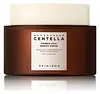 Key Ingredients
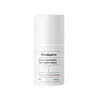
Benefits
Concerns
Ingredients Side-by-side
Centella Asiatica Extract
Cleansing





Glycerin
Humectant
Diglycerin
Humectant
1,2-Hexanediol
Skin Conditioning
Butylene Glycol
Humectant
Niacinamide
Smoothing





Water
Skin ConditioningPolyglyceryl-3 Distearate
Emulsifying
Caprylic/Capric Triglyceride
Masking
Neopentyl Glycol Diheptanoate
EmollientIsostearyl Isostearate
Emollient

Pentaerythrityl Tetraisostearate
Emollient
Hydrogenated Poly(C6-14 Olefin)
EmollientHeptyl Undecylenate
EmollientLactobacillus/Centella Asiatica Extract Ferment Filtrate
Skin ConditioningBis-Diglyceryl Polyacyladipate-2
Emollient
Glyceryl Stearate
Emollient
C14-22 Alcohols
Emulsion Stabilising
Cetearyl Alcohol
Emollient
Butyrospermum Parkii Butter
Skin Conditioning
Polyglyceryl-2 Stearate
Emulsifying
Sodium Acrylate/Sodium Acryloyldimethyl Taurate Copolymer
Emulsion StabilisingGlyceryl Stearate Citrate
Emollient
Arginine
Masking
Stearyl Alcohol
Emollient
Polyisobutene
C12-20 Alkyl Glucoside
EmulsifyingSqualane
Emollient
Sodium Surfactin
CleansingSodium Polyacrylate
Absorbent
Acrylates/C10-30 Alkyl Acrylate Crosspolymer
Emulsion StabilisingCarbomer
Emulsion StabilisingHydroxystearic Acid
Cleansing
Ethylhexylglycerin
Skin ConditioningAdenosine
Skin Conditioning
Hydrogenated Lecithin
Emulsifying
Sorbitan Oleate
Emulsifying
Caprylyl/Capryl Glucoside
CleansingMacadamia Ternifolia Seed Oil
Emollient
Sodium Hyaluronate
Humectant
Moringa Oleifera Seed Oil
Emollient
Sodium Phytate
Ceramide NP
Skin Conditioning
Dextrin
AbsorbentTheobroma Cacao Extract
Skin ConditioningGlyceryl Acrylate/Acrylic Acid Copolymer
HumectantPolyglyceryl-10 Myristate
Skin Conditioning
Glucose
Humectant
Stearic Acid
Cleansing
Phytosphingosine
Skin Conditioning
Madecassic Acid
Skin Conditioning
Asiaticoside
Antioxidant
Sucrose Distearate
Emollient
Asiatic Acid
Skin Conditioning
Lauric Acid
Cleansing
Phytosterols
Skin Conditioning
Polyglutamic Acid
Skin Conditioning
Centella Asiatica Extract, Glycerin, Diglycerin, 1,2-Hexanediol, Butylene Glycol, Niacinamide, Water, Polyglyceryl-3 Distearate, Caprylic/Capric Triglyceride, Neopentyl Glycol Diheptanoate, Isostearyl Isostearate, Pentaerythrityl Tetraisostearate, Hydrogenated Poly(C6-14 Olefin), Heptyl Undecylenate, Lactobacillus/Centella Asiatica Extract Ferment Filtrate, Bis-Diglyceryl Polyacyladipate-2, Glyceryl Stearate, C14-22 Alcohols, Cetearyl Alcohol, Butyrospermum Parkii Butter, Polyglyceryl-2 Stearate, Sodium Acrylate/Sodium Acryloyldimethyl Taurate Copolymer, Glyceryl Stearate Citrate, Arginine, Stearyl Alcohol, Polyisobutene, C12-20 Alkyl Glucoside, Squalane, Sodium Surfactin, Sodium Polyacrylate, Acrylates/C10-30 Alkyl Acrylate Crosspolymer, Carbomer, Hydroxystearic Acid, Ethylhexylglycerin, Adenosine, Hydrogenated Lecithin, Sorbitan Oleate, Caprylyl/Capryl Glucoside, Macadamia Ternifolia Seed Oil, Sodium Hyaluronate, Moringa Oleifera Seed Oil, Sodium Phytate, Ceramide NP, Dextrin, Theobroma Cacao Extract, Glyceryl Acrylate/Acrylic Acid Copolymer, Polyglyceryl-10 Myristate, Glucose, Stearic Acid, Phytosphingosine, Madecassic Acid, Asiaticoside, Sucrose Distearate, Asiatic Acid, Lauric Acid, Phytosterols, Polyglutamic Acid
Collagen Extract
Skin Conditioning
Sea Water
HumectantGlycerin
Humectant
Methylpropanediol
SolventNeopentyl Glycol Diheptanoate
EmollientTriethylhexanoin
Masking1,2-Hexanediol
Skin Conditioning
Niacinamide
Smoothing
Water
Skin ConditioningCetearyl Alcohol
Emollient
Hydrogenated Polydecene
EmollientCetearyl Olivate
Simethicone
Emollient
Hydrogenated Poly(C6-14 Olefin)
EmollientGlyceryl Stearate
Emollient
Sorbitan Olivate
Emulsifying
Sodium Acrylate/Sodium Acryloyldimethyl Taurate Copolymer
Emulsion StabilisingPolyisobutene
Propanediol
Solvent
Sodium Polyacrylate
Absorbent
Ethylhexylglycerin
Skin ConditioningAdenosine
Skin Conditioning
Sorbitan Oleate
Emulsifying
Caprylyl/Capryl Glucoside
CleansingDisodium EDTA
Panthenol
Skin Conditioning
Alginic Acid
Skin ConditioningSilanetriol
Palmitoyl Tripeptide-5
Skin Conditioning
Sodium Hyaluronate
Humectant
Hydrolyzed Elastin
EmollientSoluble Elastin
Skin ConditioningElastin
Skin ConditioningTocopherol
Antioxidant
Hydroxypropyltrimonium Hyaluronate
Sodium Acetylated Hyaluronate
Humectant
Hydrolyzed Hyaluronic Acid
Humectant
Hyaluronic Acid
Humectant
Hydrolyzed Sodium Hyaluronate
Skin Conditioning
Sodium Hyaluronate Crosspolymer
Humectant
Potassium Hyaluronate
Skin ConditioningCollagen Extract, Sea Water, Glycerin, Methylpropanediol, Neopentyl Glycol Diheptanoate, Triethylhexanoin, 1,2-Hexanediol, Niacinamide, Water, Cetearyl Alcohol, Hydrogenated Polydecene, Cetearyl Olivate, Simethicone, Hydrogenated Poly(C6-14 Olefin), Glyceryl Stearate, Sorbitan Olivate, Sodium Acrylate/Sodium Acryloyldimethyl Taurate Copolymer, Polyisobutene, Propanediol, Sodium Polyacrylate, Ethylhexylglycerin, Adenosine, Sorbitan Oleate, Caprylyl/Capryl Glucoside, Disodium EDTA, Panthenol, Alginic Acid, Silanetriol, Palmitoyl Tripeptide-5, Sodium Hyaluronate, Hydrolyzed Elastin, Soluble Elastin, Elastin, Tocopherol, Hydroxypropyltrimonium Hyaluronate, Sodium Acetylated Hyaluronate, Hydrolyzed Hyaluronic Acid, Hyaluronic Acid, Hydrolyzed Sodium Hyaluronate, Sodium Hyaluronate Crosspolymer, Potassium Hyaluronate
Reviews
Ingredients Explained
These ingredients are found in both products.
Ingredients higher up in an ingredient list are typically present in a larger amount.
1,2-Hexanediol is a synthetic liquid and another multi-functional powerhouse.
It is a:
- Humectant, drawing moisture into the skin
- Emollient, helping to soften skin
- Solvent, dispersing and stabilizing formulas
- Preservative booster, enhancing the antimicrobial activity of other preservatives
Adenosine is in every living organism. It is one of four components in nucleic acids that helps store our DNA.
Adenosine has many benefits when used. These benefits include hydrating the skin, smoothing skin, and reducing wrinkles. Once applied, adenosine increases collagen production. It also helps with improving firmness and tissue repair.
Studies have found adenosine may also help with wound healing.
In skincare products, Adenosine is usually derived from yeast.
Learn more about AdenosineThis ingredient is a mild surfactant made by sticking glucose onto a blend of fatty acids.
It does two jobs because it has a sugar head that loves water and a fatty tail that loves oil:
Typical use levels range from 10-20% in cleansers and 15-30% in shower products.
Once on your skin, your skin's glucoside hydrolases breaks it down into glucose and the parent fatty alcohols.
This ingredient is considered fungal acne safe because its fatty alcohol portion sits outside the Malassezia yeast's metabolization range.
Learn more about Caprylyl/Capryl GlucosideCetearyl alcohol is a waxy mixture of two fatty alcohols: cetyl alcohol and stearyl alcohol. It is an emollient and emulsifier.
Despite having "alcohol" in its name, it has nothing to do with drying solvent alcohols; the FDA also allows "alcohol-free" products to contain fatty alcohols like this ingredient.
It plays several roles in a formula:
Typical use levels for this ingredient sit around 1-10% and the Cosmetic Ingredient Review Expert Panel has affirmed safety at concentrations up to 25% in leave-on products.
Multiple assessments have found it to be non-irritating and non-sensitizing to most people.
However, there have been some cases of allergic contact dermatitis in patients with chronically compromised skin barriers.
Cetearyl alcohol has a comedogenic rating of 2 and irritancy rating of 1. Both of these numbers come from the 1989 study that used rabbit ears; a "2" means mildly comedogenic and a "1" means low irritancy.
Here's the catch: rabbit skin is more sensitive than human skin and throws a lot of false positives. A 1996 reappraisal found that ingredients rated 1-2 in the rabbit ear tests are generally safe for humans.
Remember comedogenic ratings are unable to assess the entire formula of a product or how it will react on your skin. Just be sure to patch test if you are unsure about certain ingredients.
This ingredient is not fungal acne safe. Cetearyl alcohol is a fatty alcohol with chain lengths that fall within the range that Malassezia can metabolize.
Learn more about Cetearyl AlcoholEthylhexylglycerin is created from glycerin. It is a multitasker ingredient that:
The CIR Expert Panel found minimal skin absorption or sensitization of any kind in a safety assessment. Though this ingredient is considered well-tolerated, a small number of cases of allergic dermatitis have been published since 2002. Just be sure to patch test if you are unsure.
Industry-reported use ranges from 8% in rinse-off products and 2% in leave-on formulations.
Learn more about EthylhexylglycerinGlycerin (or glycerol) is a compound naturally found in your skin. It's a powerhouse humectant that pulls water into the stratum corneum.
Topically, glycerin does several things at once:
Your skin makes glycerin on its own (mostly from sebaceous oil breakdown) and shuttles it to your outermost layer of skin, or your epidermis, via aquaporin-3.
Aquaporin-3 is a transporter that is essential for normal skin hydration, elasticity, and repair. Interestingly, mice lacking in AQP3 have dry and less elastic skin that can be fully corrected with glycerin.
This ingredient is non-irritating, plays well with almost every ingredient, and works across all skin types. Typical use is anywhere between 3-10% but can go up to 79% in some leave-on products.
Just know very high concentrations (>40%) can feel tacky in low humidity.
Glycerin is the name for this ingredient in American English. British English uses Glycerol/Glycerine.
Learn more about GlycerinGlyceryl Stearate is made by reacting glycerin with stearic acid (typically sourced from plant oils like palm or coconut). It's an emulsifier, emollient, and mild occlusive.
Emulsifiers help ingredients like oil and water stay mixed so your formula stays nicely blended and uniform in texture.
This ingredient is typically used in concentrations between 1-10%. Studies have found it to be non-sensitizing, non-phototoxic, and non-photoallergenic.
A close cousin of this ingredient is Glyceryl Stearate SE ("self-emulsifying"). This just has a small amount of sodium or potassium stearate added so it can emulsify without a co-emulsifier.
Since this ingredient is an ester of a C18 fatty acid, it may not be fungal acne safe. The Malassezia yeast can potentially metabolize within the C11-C24 range.
Fun fact: The human body also creates Glyceryl Stearate naturally.
Learn more about Glyceryl StearateThis ingredient is a synthetic ingredient with emollient and skin conditioner used to make skincare products feel more lightweight on the skin. It helps improve slip and spreadability without feeling greasy.
Because it is high molecular weight and lipophilic (oil loving), it remains on the surface of skin.
This ingredient is an emollient with skin conditioning properties.
According to the manufacturer, it is light, non-greasy, spreadable, and has the ability to act as a "silicone alternative".
Niacinamide is a multitasking form of vitamin B3 that strengthens the skin barrier, reduces pores and dark spots, regulates oil, and improves signs of aging.
And the best part? It's gentle and well-tolerated by most skin types, including sensitive and reactive skin.
You might have heard of "niacin flush", or the reddening of skin that causes itchiness. Niacinamide has not been found to cause this.
In very rare cases, some individuals may not be able to tolerate niacinamide at all or experience an allergic reaction to it.
If you are experiencing flaking, irritation, and dryness with this ingredient, be sure to double check all your products as this ingredient can be found in all categories of skincare.
When incorporating niacinamide into your routine, look out for concentration amounts. Typically, 5% niacinamide provides benefits such as fading dark spots. However, if you have sensitive skin, it is better to begin with a smaller concentration.
When you apply niacinamide to your skin, your body converts it into nicotinamide adenine dinucleotide (NAD). NAD is an essential coenzyme that is already found in your cells as "fuel" and powers countless biological processes.
In your skin, NAD helps repair cell damage, produce new healthy cells, support collagen production, strengthen the skin barrier, and fight environmental stressors (like UV and pollution).
Our natural NAD levels start to decline with age, leading to slower skin repair, visible aging, and a weaker skin barrier. By providing your skin niacinamide, you're recharging your skin's NAD levels. This leads to stronger, healthier, and younger looking skin.
Another name for vitamin B3 is nicotinamide. This vitamin is water-soluble and our bodies don't store it. We obtain Vitamin B3 from either food or skincare. Meat, fish, wheat, yeast, and leafy greens contain vitamin B3.
The type of niacinamide used in skincare is synthetically created.
Learn more about NiacinamidePolyisobutene is a synthetic polymer made from isobutene.
It is a film-forming agent and helps bind ingredients together.
Polyisobutene is not absorbed by the skin.
Learn more about PolyisobuteneThis long ingredient is a copolymer of sodium acrylate and sodium acryloyldimethyl taurate monomers.
It is used to help stabilize other ingredients and create a thicker gel-like texture.
Emulsifiers prevent oils and waters from separating.
Learn more about Sodium Acrylate/Sodium Acryloyldimethyl Taurate CopolymerSodium Hyaluronate is the salt form of hyaluronic acid. It is a long sugar chain that is naturally found in your skin, joints, and connective tissue that maintains hydration and elasticity.
In skincare, it works as a humectant. It pulls water from the environment and deeper layers of skin and binds it to the surface.
Interestingly, the size of the molecule affects its behavior:
Some clinical evidence links low molecular weight versions to improved wrinkle depth, elasticity, anti-inflammatory effects, and barrier repair.
Many serums use a blend of both weights so you can get surface hydration plus longer-lasting and deeper effects.
You'll typically see concentrations between 0.1-2% for this ingredient.
Learn more about Sodium HyaluronateSodium Polyacrylate is the sodium salt of polyacrylic acid. It is used as an absorber, emollient, and stabilizer.
This ingredient is a super-absorbent polymer - meaning it can absorb 100 to 1000 times its mass in water. As an emollient, Sodium Polyacrylate helps soften and soothe skin. Emollients work by creating a barrier to trap moisture in. This helps keep your skin hydrated.
Sorbitan Oleate is created from compounds in oleic acid and sorbitol.
It is used to stabilize a product by preventing ingredients from separating. Emulsifiers help keep ingredients together, such as oils and water.
According to a manufacturer, the ingredient Sorbitan Monooleate shares an INCI name with this one.
Sorbitan Oleate may not be fungal acne safe. It can also worsen oily skin.
Learn more about Sorbitan OleateWater. It's the most common cosmetic ingredient of all. You'll usually see it at the top of ingredient lists, meaning that it makes up the largest part of the product.
So why is it so popular? Water most often acts as a solvent - this means that it helps dissolve other ingredients into the formulation.
You'll also recognize water as that liquid we all need to stay alive. If you see this, drink a glass of water. Remember to stay hydrated!
Learn more about Water
