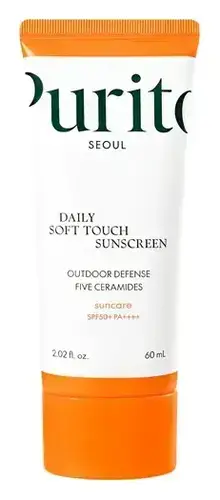
This mineral sunscreen covers the full UV range and blocks ~98% of UVB at SPF 50.
This chemical sunscreen covers the full UV range and blocks ~98% of UVB at SPF 50.

What's inside
What's inside
 Key Ingredients
Benefits
Concerns
Ingredients Side-by-side
Water
Skin ConditioningZinc Oxide
Cosmetic Colorant


Propylheptyl Caprylate
EmollientButylene Glycol Dicaprylate/Dicaprate
EmollientCaprylyl Methicone
Skin Conditioning
Butylene Glycol
Humectant

Methyl Trimethicone
Skin Conditioning
Polyglyceryl-3 Polydimethylsiloxyethyl Dimethicone
Skin Conditioning
Caprylic/Capric Triglyceride
Masking
Polymethylsilsesquioxane
Methyl Methacrylate Crosspolymer
Magnesium Sulfate
Triethoxycaprylylsilane
Stearalkonium Hectorite
Gel FormingPanthenol
Skin Conditioning


Vp/Eicosene Copolymer
1,2-Hexanediol
Skin Conditioning
Lauryl Polyglyceryl-3 Polydimethylsiloxyethyl Dimethicone
Skin Conditioning
Poly C10-30 Alkyl Acrylate
Emulsion StabilisingMethylpropanediol
SolventPolyglyceryl-3 Diisostearate
Emulsifying




Polyglyceryl-3 Polyricinoleate
Emulsifying
Glyceryl Caprylate
EmollientCaprylyl Glycol
Emollient
Ethylhexylglycerin
Skin ConditioningArtemisia Annua Extract
Masking
Anthemis Nobilis Flower Oil
Masking



Avena Sativa Kernel Extract
Abrasive

Pinus Sylvestris Leaf Oil
Masking
Tocopherol
Antioxidant



Ceramide NP
Skin Conditioning
Dipropylene Glycol
HumectantCholesterol
Emollient
Palmitic Acid
Emollient
Stearic Acid
Cleansing
Hydrogenated Lecithin
Emulsifying
Ectoin
Skin Conditioning
Glyceryl Stearate
Emollient
Ceramide As
Skin Conditioning
Ceramide AP
Skin Conditioning
Ceramide Ns
Skin Conditioning
Ceramide EOP
Skin Conditioning
Water, Zinc Oxide, Propylheptyl Caprylate, Butylene Glycol Dicaprylate/Dicaprate, Caprylyl Methicone, Butylene Glycol, Methyl Trimethicone, Polyglyceryl-3 Polydimethylsiloxyethyl Dimethicone, Caprylic/Capric Triglyceride, Polymethylsilsesquioxane, Methyl Methacrylate Crosspolymer, Magnesium Sulfate, Triethoxycaprylylsilane, Stearalkonium Hectorite, Panthenol, Vp/Eicosene Copolymer, 1,2-Hexanediol, Lauryl Polyglyceryl-3 Polydimethylsiloxyethyl Dimethicone, Poly C10-30 Alkyl Acrylate, Methylpropanediol, Polyglyceryl-3 Diisostearate, Polyglyceryl-3 Polyricinoleate, Glyceryl Caprylate, Caprylyl Glycol, Ethylhexylglycerin, Artemisia Annua Extract, Anthemis Nobilis Flower Oil, Avena Sativa Kernel Extract, Pinus Sylvestris Leaf Oil, Tocopherol, Ceramide NP, Dipropylene Glycol, Cholesterol, Palmitic Acid, Stearic Acid, Hydrogenated Lecithin, Ectoin, Glyceryl Stearate, Ceramide As, Ceramide AP, Ceramide Ns, Ceramide EOP
Water
Skin ConditioningBetula Platyphylla Japonica Juice
Skin Conditioning
Glycerin
Humectant
Dibutyl Adipate
EmollientButylene Glycol
Humectant
Ethylhexyl Triazone
UV Absorber
Terephthalylidene Dicamphor Sulfonic Acid
UV Absorber
Niacinamide
Smoothing



Silica
Abrasive
Dimethicone
Emollient
Tromethamine
BufferingPolyglyceryl-6 Stearate
Emollient
Sodium Hyaluronate
Humectant
Artemisia Annua Extract
Masking
Anthemis Nobilis Flower Oil
Masking
Pinus Sylvestris Leaf Oil
Masking
Aloe Barbadensis Leaf Extract
Emollient
Dioscorea Japonica Root Extract
Skin Conditioning
Laminaria Japonica Extract
Skin Protecting
Ulmus Davidiana Root Extract
Skin Conditioning
Viola Mandshurica Flower Extract
Antioxidant
Hydrolyzed Hyaluronic Acid
Humectant
Hyaluronic Acid
Humectant
Diethylamino Hydroxybenzoyl Hexyl Benzoate
UV Filter
Methyl Trimethicone
Skin Conditioning
Polysilicone-15
UV Filter
Pentylene Glycol
Skin Conditioning
Bis-Ethylhexyloxyphenol Methoxyphenyl Triazine
UV Absorber
Hydroxyethyl Urea
Humectant
1,2-Hexanediol
Skin Conditioning
Poly C10-30 Alkyl Acrylate
Emulsion StabilisingDimethicone/Vinyl Dimethicone Crosspolymer
Skin Conditioning
Hydroxyacetophenone
Antioxidant
Sodium Polyacryloyldimethyl Taurate
Emulsion StabilisingPolyglyceryl-6 Behenate
Emulsion Stabilising
Glyceryl Stearate
Emollient
Hydroxypropyl Methylcellulose Stearoxy Ether
Sodium Stearoyl Glutamate
CleansingMethylpropanediol
SolventPolyether-1
Glyceryl Glucoside
Humectant
Dehydroxanthan Gum
Emulsion StabilisingPolyacrylate Crosspolymer-6
Emulsion StabilisingAdenosine
Skin Conditioning
Arginine
Masking
Caprylic Acid
CleansingDipropylene Glycol
HumectantCetearyl Olivate
Sorbitan Olivate
Emulsifying
Hydrogenated Lecithin
Emulsifying
Betulin
Skin ConditioningHydroxypropyltrimonium Hyaluronate
Sodium Acetylated Hyaluronate
Humectant
Sodium DNA
Skin Conditioning
Glycine
Buffering
Glutamic Acid
Humectant
Hydrolyzed Sodium Hyaluronate
Skin Conditioning
Sodium Hyaluronate Crosspolymer
Humectant
Potassium Hyaluronate
Skin ConditioningBehenyl Alcohol
Emollient
Carbomer
Emulsion StabilisingCetearyl Alcohol
Emollient
Water, Betula Platyphylla Japonica Juice, Glycerin, Dibutyl Adipate, Butylene Glycol, Ethylhexyl Triazone, Terephthalylidene Dicamphor Sulfonic Acid, Niacinamide, Silica, Dimethicone, Tromethamine, Polyglyceryl-6 Stearate, Sodium Hyaluronate, Artemisia Annua Extract, Anthemis Nobilis Flower Oil, Pinus Sylvestris Leaf Oil, Aloe Barbadensis Leaf Extract, Dioscorea Japonica Root Extract, Laminaria Japonica Extract, Ulmus Davidiana Root Extract, Viola Mandshurica Flower Extract, Hydrolyzed Hyaluronic Acid, Hyaluronic Acid, Diethylamino Hydroxybenzoyl Hexyl Benzoate, Methyl Trimethicone, Polysilicone-15, Pentylene Glycol, Bis-Ethylhexyloxyphenol Methoxyphenyl Triazine, Hydroxyethyl Urea, 1,2-Hexanediol, Poly C10-30 Alkyl Acrylate, Dimethicone/Vinyl Dimethicone Crosspolymer, Hydroxyacetophenone, Sodium Polyacryloyldimethyl Taurate, Polyglyceryl-6 Behenate, Glyceryl Stearate, Hydroxypropyl Methylcellulose Stearoxy Ether, Sodium Stearoyl Glutamate, Methylpropanediol, Polyether-1, Glyceryl Glucoside, Dehydroxanthan Gum, Polyacrylate Crosspolymer-6, Adenosine, Arginine, Caprylic Acid, Dipropylene Glycol, Cetearyl Olivate, Sorbitan Olivate, Hydrogenated Lecithin, Betulin, Hydroxypropyltrimonium Hyaluronate, Sodium Acetylated Hyaluronate, Sodium DNA, Glycine, Glutamic Acid, Hydrolyzed Sodium Hyaluronate, Sodium Hyaluronate Crosspolymer, Potassium Hyaluronate, Behenyl Alcohol, Carbomer, Cetearyl Alcohol
Reviews
Ingredients Explained
These ingredients are found in both products.
Ingredients higher up in an ingredient list are typically present in a larger amount.
1,2-Hexanediol is a synthetic liquid and another multi-functional powerhouse.
It is a:
- Humectant, drawing moisture into the skin
- Emollient, helping to soften skin
- Solvent, dispersing and stabilizing formulas
- Preservative booster, enhancing the antimicrobial activity of other preservatives
This oil is created by distilling the dried flower heads of the Roman Chamomile flower.
Chamomile is rich in antioxidants and has anti-inflammatory properties. Several compounds found in chamomile help with soothing, such as bisbolol.
Artemisia Annua Extract comes from sweet wormwood or the annual mugwort. This plant is best known historically as the source of the anti-malarial drug, artemisinin.
In skincare, this ingredient has skin soothing and conditioning properties that make it a great choice for sensitive, reactive, or acne-prone skin.
The extract is rich in polyphenols, flavonoids, and sesquiterpenes that do most of the work in a formula.
A 2020 human clinical trial found that cosmetics containing Artemisia Annua Extract increased stratum corneum hydration and reduced transepidermal water loss while also calming redness and inflammation over four weeks of use.
Lab and animal studies build on this as well, showing the extract reduces inflammatory signals, boosts a protein important for barrier health (filaggrin), and has anti-itch/antibacterial activity (including against C.acnes, the bacteria linked to breakouts).
There's also a well-documented artemisinin-free version called Artemisia Naphta oil which performed well at 1% in a small human trial for sensitive and acne-prone skin.
On concentrations, published research clusters around 1% for finished products.
The ingredient is generally well-tolerated, but people with Asteraceae or ragweed allergies may want to patch test first.
Learn more about Artemisia Annua ExtractButylene Glycol (or BG) is used within cosmetic products for a few different reasons:
Overall, Butylene Glycol is a safe and well-rounded ingredient that works well with other ingredients.
Though this ingredient works well with most skin types, some people with sensitive skin may experience a reaction such as allergic rashes, closed comedones, or itchiness.
Learn more about Butylene GlycolDipropylene Glycol is a synthetically created humectant, stabilizer, and solvent.
This ingredient helps:
Dipropylene glycol is technically an alcohol, but it belongs to the glycol family (often considered part of the ‘good’ alcohols). This means it is hydrating and gentle on skin unlike drying solvent alcohols like denatured alcohol.
As a masking agent, Dipropylene Glycol can be used to cover the smell of other ingredients. However, it does not have a scent.
Studies show Dipropylene Glycol is considered safe to use in skincare.
Learn more about Dipropylene GlycolGlyceryl Stearate is made by reacting glycerin with stearic acid (typically sourced from plant oils like palm or coconut). It's an emulsifier, emollient, and mild occlusive.
Emulsifiers help ingredients like oil and water stay mixed so your formula stays nicely blended and uniform in texture.
This ingredient is typically used in concentrations between 1-10%. Studies have found it to be non-sensitizing, non-phototoxic, and non-photoallergenic.
A close cousin of this ingredient is Glyceryl Stearate SE ("self-emulsifying"). This just has a small amount of sodium or potassium stearate added so it can emulsify without a co-emulsifier.
Since this ingredient is an ester of a C18 fatty acid, it may not be fungal acne safe. The Malassezia yeast can potentially metabolize within the C11-C24 range.
Fun fact: The human body also creates Glyceryl Stearate naturally.
Learn more about Glyceryl StearateHydrogenated Lecithin is a more stable version of lecithin.
It's made by taking lecithin (a phospholipid commonly found in soybeans and egg yolks) and hydrogenating it. This just means the unsaturated fatty acids are turned into saturated ones so they don't go bad as easily.
This ingredient is an emollient, emulsifier, and penetration enhancer. As an emollient, it helps soften and hydrate skin by trapping moisture within. As an emulsifier, it prevents oil and water ingredients from separating.
Hydrogenated Lecithin can form tiny spherical structures made of phospholipid bilayers called liposomes. These liposomes are able to capture compounds inside their structure and deliver them through the skin barrier.
Because phospholipids are a natural component of our cell membranes, this ingredient is inherently compatible with skin.
A 2021 study found lecithin-based surfactants were less harsh and more tolerable comared to Sodium Lauryl Sulfate (SLS).
Learn more about Hydrogenated LecithinMethyl Trimethicone is a type of silicone. It is a solvent and emulsifier.
Solvents are used to keep ingredients together in a product. They can help dissolve ingredients to stable bases or help evenly distribute ingredients throughout the product.
Emulsifiers help stabilize a product. It does this by preventing certain ingredients from separating.
Methyl Trimethicone does not get absorbed into the skin.
Learn more about Methyl TrimethiconeMethylpropanediol is a synthetic solvent and humectant.
As a solvent, it helps dissolve other ingredients, helping to evenly distribute ingredients throughout the product. This ingredient has also been shown to have antimicrobial properties which makes it a preservative booster.
Methylpropanediol is able to add a bit of moisture to the skin. It also helps other ingredients be better absorbed into the skin, such as salicylic acid.
Learn more about MethylpropanediolPinus Sylvestris Leaf Oil is an oil.
Poly C10-30 Alkyl Acrylate is a synthetic polymer. It's a long chain built from acrylic acid units and each unit carries a fatty "tail" derived form a C10-30 alcohol.
Those oil-loving tails allow this ingredient to thicken oil phases, hold emulsions together, and cuts the tacky/greasy feel of heavy formulas.
Typical use levels sit around 0.1-3%, with 0.3-3% more common in leave-on emulsions.
This ingredient was reviewed as part of a group of 126 acrylates and concluded to be safe by the Cosmetic Ingredient Review Expert Panel.
Though acrylate contact allergy is real and well-documented, allergy risk is quite low. The cases of documented contact allergy are caused by unreacted monomers (more commonly found in gel nails, dental resins, and adhesives).
Learn more about Poly C10-30 Alkyl AcrylateWater. It's the most common cosmetic ingredient of all. You'll usually see it at the top of ingredient lists, meaning that it makes up the largest part of the product.
So why is it so popular? Water most often acts as a solvent - this means that it helps dissolve other ingredients into the formulation.
You'll also recognize water as that liquid we all need to stay alive. If you see this, drink a glass of water. Remember to stay hydrated!
Learn more about Water