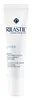
This anti-aging eye moisturizer is formulated around Ectoin and Hesperidin Methyl Chalcone to soften the look of wrinkles and strengthen the skin barrier.
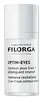
This anti-aging eye moisturizer is formulated around Hesperidin Methyl Chalcone and Dipeptide-2 to soften the look of wrinkles and fade the look of dark spots.


What's inside
What's inside
 Key Ingredients
Benefits
Concerns
Ingredients Side-by-side
Water
Skin ConditioningEthylhexyl Palmitate
Emollient




Butylene Glycol
Humectant

Sorbitan Stearate
Emulsifying
Ectoin
Skin Conditioning




Cetyl Alcohol
Emollient

Dimethicone
Emollient
Glycerin
Humectant
Glyceryl Stearate
Emollient
Arginine
Masking
PEG-100 Stearate
Surfactant
Steareth-20
CleansingHesperidin Methyl Chalcone
Antioxidant
Xanthan Gum
EmulsifyingBetaine
Humectant
Isostearyl Avocadate
EmollientPanthenol
Skin Conditioning
Olea Europaea Oil Unsaponifiables
Skin Conditioning
Persea Gratissima Oil
Skin Conditioning
Simmondsia Chinensis Butter
Skin Conditioning
Simmondsia Chinensis Seed Oil
Emollient
Tocopheryl Acetate
Antioxidant

Ethyl Linolenate
Emollient
Sodium Hyaluronate
Humectant
Pentaerythrityl Tetra-Di-T-Butyl Hydroxyhydrocinnamate
Antioxidant
Ethyl Oleate
Emollient

Ethyl Linoleate
Emollient
Sodium Lauroyl Lactylate
EmulsifyingGlycine Soja Oil
Emollient
Biosaccharide Gum-4
Skin Conditioning
N-Hydroxysuccinimide
Skin ConditioningDipeptide-2
Skin Conditioning
Ceramide NP
Skin Conditioning
Ceramide AP
Skin Conditioning
Ceramide EOP
Skin Conditioning
Palmitoyl Tetrapeptide-7
Skin Conditioning
Retinol
Skin Conditioning




Carbomer
Emulsion StabilisingCholesterol
Emollient
Phytosphingosine
Skin Conditioning
Chrysin
Skin ConditioningPalmitoyl Tripeptide-1
Skin Conditioning
Tocopherol
Antioxidant
Acacia Senegal Gum
MaskingSodium Citrate
BufferingCitric Acid
Buffering
Biotin
AntiseborrhoeicPropylene Glycol Alginate
Phenoxyethanol
Preservative
Chlorphenesin
Antimicrobial
Pentylene Glycol
Skin Conditioning
Benzoic Acid
Masking
Potassium Sorbate
Preservative
Ethylhexylglycerin
Skin ConditioningChlorhexidine Digluconate
Antimicrobial
Disodium EDTA
ChelatingTetrasodium EDTA
ChelatingWater, Ethylhexyl Palmitate, Butylene Glycol, Sorbitan Stearate, Ectoin, Cetyl Alcohol, Dimethicone, Glycerin, Glyceryl Stearate, Arginine, PEG-100 Stearate, Steareth-20, Hesperidin Methyl Chalcone, Xanthan Gum, Betaine, Isostearyl Avocadate, Panthenol, Olea Europaea Oil Unsaponifiables, Persea Gratissima Oil, Simmondsia Chinensis Butter, Simmondsia Chinensis Seed Oil, Tocopheryl Acetate, Ethyl Linolenate, Sodium Hyaluronate, Pentaerythrityl Tetra-Di-T-Butyl Hydroxyhydrocinnamate, Ethyl Oleate, Ethyl Linoleate, Sodium Lauroyl Lactylate, Glycine Soja Oil, Biosaccharide Gum-4, N-Hydroxysuccinimide, Dipeptide-2, Ceramide NP, Ceramide AP, Ceramide EOP, Palmitoyl Tetrapeptide-7, Retinol, Carbomer, Cholesterol, Phytosphingosine, Chrysin, Palmitoyl Tripeptide-1, Tocopherol, Acacia Senegal Gum, Sodium Citrate, Citric Acid, Biotin, Propylene Glycol Alginate, Phenoxyethanol, Chlorphenesin, Pentylene Glycol, Benzoic Acid, Potassium Sorbate, Ethylhexylglycerin, Chlorhexidine Digluconate, Disodium EDTA, Tetrasodium EDTA
Water
Skin ConditioningGlycerin
Humectant
Caprylic/Capric Triglyceride
Masking
C12-16 Alcohols
EmollientCyclopentasiloxane
Emollient
PEG-8
HumectantPolyacrylate-13
Hydrogenated Lecithin
Emulsifying
Palmitic Acid
Emollient
Prunus Domestica Seed Oil
Skin Conditioning
Polyisobutene
Cyclohexasiloxane
Emollient
Sucrose Palmitate
EmollientParfum
Masking
Dimethicone Crosspolymer
Emulsion Stabilising
Steareth-20
CleansingCaprylyl Glycol
Emollient
Chlorphenesin
Antimicrobial
Hesperidin Methyl Chalcone
Antioxidant
Tetrasodium EDTA
ChelatingGlyceryl Linoleate
Emollient
Polysorbate 20
Emulsifying
Tromethamine
BufferingPrunus Amygdalus Dulcis Oil
Skin Conditioning
Sodium Chloride
MaskingSodium Polyacrylate
Absorbent
Chlorhexidine Digluconate
Antimicrobial
Glucose
Humectant
Phenoxyethanol
Preservative
Sodium Hyaluronate
Humectant
Potassium Sorbate
Preservative
Citric Acid
Buffering
N-Hydroxysuccinimide
Skin ConditioningPotassium Chloride
Dipeptide-2
Skin Conditioning
Calcium Chloride
AstringentMagnesium Sulfate
Glutamine
Skin ConditioningSodium Phosphate
BufferingPalmitoyl Tetrapeptide-7
Skin Conditioning
Ascorbic Acid
Antioxidant
Sodium Acetate
BufferingTocopherol
Antioxidant
Lysine Hcl
Skin Conditioning
Arginine
Masking
Alanine
Masking
Histidine
Humectant
Valine
MaskingChrysin
Skin ConditioningPalmitoyl Oligopeptide
Cleansing
Leucine
Skin ConditioningThreonine
Isoleucine
Skin ConditioningTryptophan
MaskingPhenylalanine
Masking
Tyrosine
MaskingGlycine
Buffering
Polysorbate 80
Emulsifying
Serine
Masking
2'-Deoxyadenosine
Cystine
MaskingCyanocobalamin
Skin ConditioningDeoxycytidine
Deoxyguanosine
Thymidine
Skin ConditioningGlutathione
Asparagine
MaskingAspartic Acid
Masking
Ornithine
Skin ConditioningGlutamic Acid
Humectant
Nicotinamide Adenine Dinucleotide
Skin ConditioningProline
Skin Conditioning
Aminobutyric Acid
Methionine
Skin ConditioningTaurine
BufferingHydroxyproline
Skin ConditioningGlucosamine
Coenzyme A
Skin ConditioningGlucuronolactone
Skin ConditioningSodium Glucuronate
HumectantThiamine Diphosphate
Skin ConditioningDisodium Flavine Adenine Dinucleotide
Sodium Trimetaphosphate
BufferingRetinyl Acetate
Skin Conditioning
Inositol
Humectant
Niacin
SmoothingNiacinamide
Smoothing
Pyridoxal 5-Phosphate
Skin ConditioningPyridoxine
Skin ConditioningBiotin
AntiseborrhoeicCalcium Pantothenate
Folic Acid
Skin ConditioningRiboflavin
Cosmetic ColorantTocopheryl Phosphate
CleansingWater, Glycerin, Caprylic/Capric Triglyceride, C12-16 Alcohols, Cyclopentasiloxane, PEG-8, Polyacrylate-13, Hydrogenated Lecithin, Palmitic Acid, Prunus Domestica Seed Oil, Polyisobutene, Cyclohexasiloxane, Sucrose Palmitate, Parfum, Dimethicone Crosspolymer, Steareth-20, Caprylyl Glycol, Chlorphenesin, Hesperidin Methyl Chalcone, Tetrasodium EDTA, Glyceryl Linoleate, Polysorbate 20, Tromethamine, Prunus Amygdalus Dulcis Oil, Sodium Chloride, Sodium Polyacrylate, Chlorhexidine Digluconate, Glucose, Phenoxyethanol, Sodium Hyaluronate, Potassium Sorbate, Citric Acid, N-Hydroxysuccinimide, Potassium Chloride, Dipeptide-2, Calcium Chloride, Magnesium Sulfate, Glutamine, Sodium Phosphate, Palmitoyl Tetrapeptide-7, Ascorbic Acid, Sodium Acetate, Tocopherol, Lysine Hcl, Arginine, Alanine, Histidine, Valine, Chrysin, Palmitoyl Oligopeptide, Leucine, Threonine, Isoleucine, Tryptophan, Phenylalanine, Tyrosine, Glycine, Polysorbate 80, Serine, 2'-Deoxyadenosine, Cystine, Cyanocobalamin, Deoxycytidine, Deoxyguanosine, Thymidine, Glutathione, Asparagine, Aspartic Acid, Ornithine, Glutamic Acid, Nicotinamide Adenine Dinucleotide, Proline, Aminobutyric Acid, Methionine, Taurine, Hydroxyproline, Glucosamine, Coenzyme A, Glucuronolactone, Sodium Glucuronate, Thiamine Diphosphate, Disodium Flavine Adenine Dinucleotide, Sodium Trimetaphosphate, Retinyl Acetate, Inositol, Niacin, Niacinamide, Pyridoxal 5-Phosphate, Pyridoxine, Biotin, Calcium Pantothenate, Folic Acid, Riboflavin, Tocopheryl Phosphate
Reviews
Ingredients Explained
These ingredients are found in both products.
Ingredients higher up in an ingredient list are typically present in a larger amount.
Arginine is a semi-essential amino acid. This just means our bodies can product a bit on its own, but sometimes needs a little boost from food sources.
It is a part of your skin's natural moisturizing factor (NMF), or the water-loving molecules in your outermost layer of skin (stratum corneum) that keeps everything hydrated and happy.
Here's an interesting thing about Arginine: your skin converts it into urea through the Krebs-Henseleit urea cycle. Urea is one of the most effective humectants your skin naturally produces.
A clinical study showed applying 2.5% arginine hydrochloride to atopic dermatitis skin showed significant urea levels in the stratum corneum and improved moisture in just four weeks.
Arginine is also a precursor to nitric oxide; nitric oxide improves microcirculation and supports wound healing and collagen synthesis.
One study found that an amino acid complex containing Arginine reduced skin irritation, improved hydration, and accelerated skin repair in clinical / in-vivo studies.
Arginine itself is an amino acid and not a fatty acid, oil, or ester. On its own, it's not a direct food source for Malassezia, or the yeast that causes fungal acne.
Learn more about ArginineBiotin is a B vitamin that is naturally produced by our bodies. It is also called Vitamin H.
Our bodies use biotin in the metabolism process. It also helps our bodies use enzymes and move nutrients around. A biotin deficiency can lead to brittle hair and nails.
More research is needed on applying biotin topically. However, taking biotin orally has been shown to help nourish the skin, hair, and nails. They play a role in forming skin-hydrating fatty acids.
Biotin is water-soluble. It can be found in foods such as fish, eggs, dairy, nuts, and meat. Vitamin H stands for "haar" and "haut". These are the German words for hair and skin.
Learn more about BiotinChlorhexidine Digluconate is a preservative.
Chlorphenesin is a synthetic preservative. It helps protect a product against bacteria in order to extend shelf life. In most cases, Chlorphenesin is paired with other preservatives such as phenoxyethanol and caprylyl glycol.
Chlorphenesin is a biocide. This means it is able to help fight the microorganisms on our skin. It is also able to fight odor-releasing bacteria.
Chlorphenesin is soluble in both water and glycerin.
Studies show Chlorphenesin is easily absorbed by our skin. You should speak with a skincare professional if you have concerns about using Chlorphenesin.
Learn more about ChlorphenesinWe don't have a description for Chrysin yet.
Citric Acid is an alpha hydroxy acid (AHA) naturally found in citrus fruits like oranges, lemons, and limes.
Like other AHAs, citric acid can exfoliate skin by breaking down the bonds that hold dead skin cells together. This helps reveal smoother and brighter skin underneath.
However, this exfoliating effect only happens at high concentrations (20%) which can be hard to find in cosmetic products.
Due to this, citric acid is usually included in small amounts as a pH adjuster. This helps keep products slightly more acidic and compatible with skin's natural pH.
In skincare formulas, citric acid can:
While it can provide some skin benefits, research shows lactic acid and glycolic acid are generally more effective and less irritating exfoliants.
Most citric acid used in skincare today is made by fermenting sugars (usually from molasses). This synthetic version is identical to the natural citrus form but easier to stabilize and use in formulations.
Rosacea skin has a lower threshold for acids generally, with 62.5% of rosacea subjects in one study reacting to lactic acid in a sting test. This is why we mark citric acid as a potential rosacea trigger.
However, this ingredient shows up as a pH adjuster or chelator at roughly 0.1-1% in many products. These low levels are unlikely to be an issue for rosacea skin and becomes a potential trigger at exfoliating concentrations (20%). Because everybody's skin is unique, we recommend a patch test if you are unsure.
Learn more about Citric AcidDipeptide-2 is a peptide. It can help to reduce the effects of aging.
Glycerin (or glycerol) is a compound naturally found in your skin. It's a powerhouse humectant that pulls water into the stratum corneum.
Topically, glycerin does several things at once:
Your skin makes glycerin on its own (mostly from sebaceous oil breakdown) and shuttles it to your outermost layer of skin, or your epidermis, via aquaporin-3.
Aquaporin-3 is a transporter that is essential for normal skin hydration, elasticity, and repair. Interestingly, mice lacking in AQP3 have dry and less elastic skin that can be fully corrected with glycerin.
This ingredient is non-irritating, plays well with almost every ingredient, and works across all skin types. Typical use is anywhere between 3-10% but can go up to 79% in some leave-on products.
Just know very high concentrations (>40%) can feel tacky in low humidity.
Glycerin is the name for this ingredient in American English. British English uses Glycerol/Glycerine.
Learn more about GlycerinHesperidin Methyl Chalcone (HMC) is a modified form of hesperidin, a citrus flavonoid. It has antioxidant properties.
In preclinical research, HMC has been studied for its ability to reduce oxidative stress and inflammation related to UVB exposure. Outside of cosmetics, HMC has been looked at for its effects on capillary leakage and swelling. This is why you'll often see this ingredient in eye creams.
Overall, HMC is a gentle and supportive ingredient. Further research is needed on the claims that this ingredient can "erase dark circles".
Learn more about Hesperidin Methyl ChalconeWe don't have a description for N-Hydroxysuccinimide yet.
Palmitoyl Tetrapeptide-7 (formerly Palmitoyl Tetrapeptide-3) is a synthetic peptide. Its main job is to fight what researchers call "inflammaging".
"Inflammaging" is the slow, low-grade chronic inflammation that quietly breaks down collagen as we age.
This ingredient calms down a specific inflammation signal in your skin cells (called IL-6). When left unchecked, this signal triggers enzymes that break down collagen and elastin.
Clinical testing showed statistically significant improvements in:
Studies also found the more of this ingredient used, the more your skin produces Collagen I, fibronectin, and hyaluronic acid.
You'll likely see this ingredient paired with Palmitoyl Tripeptide-1 in the well-known Matrixyl 3000 complex for enhanced anti-aging effects.
A 3% concentration applied twice daily for two months showed meaningful skin rejuvenation results in clinical panels.
Fungal acne note:
Usually a palmitic acid component can feed Malassezia in unbound form, but here is is covalently bonded to the peptide. This means it is very difficult for Malassezia to access, and therefore very unlikely to cause fungal acne.
Phenoxyethanol is one of the most widely used preservatives in skincare (and for good reason!).
It has a large spectrum of antimicrobial activity and especially effective bacteria, yeast, and mold while only having a weak effect on your skin's natural microbiome.
On a cellular level, it disrupts the cell membranes of microbes by poking holes that make the cell leak. This shuts down the chemical reactions the microbe needs to make energy so it can no longer survive.
Another perk of this ingredient is that it stays functional across a wide pH range (3-10).
You'll often see it paired with boosters like Ethylhexylglycerin; one study showed that a 1:9 ratio of Ethylhexylglycerin to Phenoxyethanol damages bacterial membranes as effectively as doubling the Phenoxyethanol concentration on its own.
Typical use concentrations range from 0.3-1% depending on the formula, and this ingredient is capped at 1% int the EU.
Safety-wise, the fear mongering does not hold up to the evidence. The EU's Scientific Committee on Consumer Safety and FDA consider it safe as a preservative at up to 1%, including for children of all ages.
Adverse systemic effects only showed up in animal studies at exposures roughly 200x higher than what people get from cosmetics. And despite its very widespread use, this ingredient is a rare sensitizer and allergic reactions are uncommon.
Learn more about PhenoxyethanolPotassium Sorbate is a preservative used to prevent yeast and mold in products. It is commonly found in both cosmetic and food products.
This ingredient comes from potassium salt derived from sorbic acid. Sorbic acid is a natural antibiotic and effective against fungus.
Both potassium sorbate and sorbic acid can be found in baked goods, cheeses, dried meats, dried fruit, ice cream, pickles, wine, yogurt, and more.
You'll often find this ingredient used with other preservatives.
Learn more about Potassium SorbateSodium Hyaluronate is the salt form of hyaluronic acid. It is a long sugar chain that is naturally found in your skin, joints, and connective tissue that maintains hydration and elasticity.
In skincare, it works as a humectant. It pulls water from the environment and deeper layers of skin and binds it to the surface.
Interestingly, the size of the molecule affects its behavior:
Some clinical evidence links low molecular weight versions to improved wrinkle depth, elasticity, anti-inflammatory effects, and barrier repair.
Many serums use a blend of both weights so you can get surface hydration plus longer-lasting and deeper effects.
You'll typically see concentrations between 0.1-2% for this ingredient.
Learn more about Sodium HyaluronateSteareth-20 is an emulsifier and solubilizer. It is created from stearyl alcohol with ~20 units of ethylene oxide to give it a strong preference for water.
As an emulsifier, it helps oil-in-water emulsions like lotions, creams, and cleansers stay stable. It also solubilizes small amounts of oil-loving ingredients (like fragrance) into water-based formulas.
You'll likely find this ingredient with steareth-2 (it's oil-loving sister) where the two work together to give products a cushiony feel.
Typical use levels sit at around 1-5% and this ingredient has been found to be non-irritating by the CIR Expert Panel.
Learn more about Steareth-20Tetrasodium EDTA is the salt formed from neutralizing ethylenediamine tetraacetic acid with sodium hydroxide. It is a chelating agent and used to prevent metal ions from binding to other ingredients. This helps keep the product and ingredients stable.
Tetrasodium EDTA comes as a white solid and is soluble in water.
Tocopherol is a fat-soluble antioxidant known as Vitamin E.
You'll find this ingredient in the vast majority of skincare (for good reason). It works to neutralize free radicals, or unstable molecules generated by UV exposure, pollution, and other environmental stressors, before they can cause oxidative damage to your skin cells.
Topically applied tocopherol has been shown to protect against UV damage by ramping up the skin's own natural defense enzymes.
It also acts as a skin conditioning agent; some studies show that regular topical use can improve the skin's water-binding capacity over 2-4 weeks.
This ingredient is especially loved for being a team player. When combined with Vitamin C, the photoprotective effect of both ingredients roughly doubles and the combo also helps reduce UV-induced DNA damage.
This ingredient has some brightening potential but it's more of a prevention ingredient than spot-fader. Cell studies show it can slow down melanin production but it's worth noting that it's not the most powerful brightener out there.
In formulations, it also serves as a stabilizer that helps protect other oxidation-prone ingredients from degrading.
Concentrations usually range from 0.1-1% in most leave-on products.
Learn more about TocopherolWater. It's the most common cosmetic ingredient of all. You'll usually see it at the top of ingredient lists, meaning that it makes up the largest part of the product.
So why is it so popular? Water most often acts as a solvent - this means that it helps dissolve other ingredients into the formulation.
You'll also recognize water as that liquid we all need to stay alive. If you see this, drink a glass of water. Remember to stay hydrated!
Learn more about Water

