Filorga Optim-Eyes Versus Isispharma Neotone Eyes
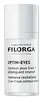
This anti-aging eye moisturizer is formulated around Hesperidin Methyl Chalcone and Dipeptide-2 to soften the look of wrinkles and fade the look of dark spots.
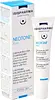
This brightening eye moisturizer is formulated around Bisabolol and Glycyrrhiza Glabra Root Extract to fade the look of dark spots and brighten dull-looking skin.

What's inside
What's inside
 Key Ingredients
Benefits
Concerns
Ingredients Side-by-side
Water
Skin ConditioningGlycerin
Humectant


Caprylic/Capric Triglyceride
Masking
C12-16 Alcohols
EmollientCyclopentasiloxane
Emollient
PEG-8
HumectantPolyacrylate-13
Hydrogenated Lecithin
Emulsifying
Palmitic Acid
Emollient




Prunus Domestica Seed Oil
Skin Conditioning
Polyisobutene
Cyclohexasiloxane
Emollient
Sucrose Palmitate
EmollientParfum
Masking


Dimethicone Crosspolymer
Emulsion Stabilising
Steareth-20
CleansingCaprylyl Glycol
Emollient
Chlorphenesin
Antimicrobial
Hesperidin Methyl Chalcone
Antioxidant

Tetrasodium EDTA
ChelatingGlyceryl Linoleate
Emollient
Polysorbate 20
Emulsifying
Tromethamine
BufferingPrunus Amygdalus Dulcis Oil
Skin Conditioning
Sodium Chloride
MaskingSodium Polyacrylate
Absorbent
Chlorhexidine Digluconate
Antimicrobial
Glucose
Humectant
Phenoxyethanol
Preservative
Sodium Hyaluronate
Humectant

Potassium Sorbate
Preservative
Citric Acid
Buffering

N-Hydroxysuccinimide
Skin ConditioningPotassium Chloride
Dipeptide-2
Skin Conditioning
Calcium Chloride
AstringentMagnesium Sulfate
Glutamine
Skin ConditioningSodium Phosphate
BufferingPalmitoyl Tetrapeptide-7
Skin Conditioning
Ascorbic Acid
Antioxidant

Sodium Acetate
BufferingTocopherol
Antioxidant
Lysine Hcl
Skin Conditioning
Arginine
Masking
Alanine
Masking
Histidine
Humectant
Valine
MaskingChrysin
Skin ConditioningPalmitoyl Oligopeptide
Cleansing
Leucine
Skin ConditioningThreonine
Isoleucine
Skin ConditioningTryptophan
MaskingPhenylalanine
Masking
Tyrosine
MaskingGlycine
Buffering
Polysorbate 80
Emulsifying
Serine
Masking
2'-Deoxyadenosine
Cystine
MaskingCyanocobalamin
Skin ConditioningDeoxycytidine
Deoxyguanosine
Thymidine
Skin ConditioningGlutathione
Asparagine
MaskingAspartic Acid
Masking
Ornithine
Skin ConditioningGlutamic Acid
Humectant
Nicotinamide Adenine Dinucleotide
Skin ConditioningProline
Skin Conditioning
Aminobutyric Acid
Methionine
Skin ConditioningTaurine
BufferingHydroxyproline
Skin ConditioningGlucosamine
Coenzyme A
Skin ConditioningGlucuronolactone
Skin ConditioningSodium Glucuronate
HumectantThiamine Diphosphate
Skin ConditioningDisodium Flavine Adenine Dinucleotide
Sodium Trimetaphosphate
BufferingRetinyl Acetate
Skin Conditioning
Inositol
Humectant
Niacin
SmoothingNiacinamide
Smoothing



Pyridoxal 5-Phosphate
Skin ConditioningPyridoxine
Skin ConditioningBiotin
AntiseborrhoeicCalcium Pantothenate
Folic Acid
Skin ConditioningRiboflavin
Cosmetic ColorantTocopheryl Phosphate
CleansingWater, Glycerin, Caprylic/Capric Triglyceride, C12-16 Alcohols, Cyclopentasiloxane, PEG-8, Polyacrylate-13, Hydrogenated Lecithin, Palmitic Acid, Prunus Domestica Seed Oil, Polyisobutene, Cyclohexasiloxane, Sucrose Palmitate, Parfum, Dimethicone Crosspolymer, Steareth-20, Caprylyl Glycol, Chlorphenesin, Hesperidin Methyl Chalcone, Tetrasodium EDTA, Glyceryl Linoleate, Polysorbate 20, Tromethamine, Prunus Amygdalus Dulcis Oil, Sodium Chloride, Sodium Polyacrylate, Chlorhexidine Digluconate, Glucose, Phenoxyethanol, Sodium Hyaluronate, Potassium Sorbate, Citric Acid, N-Hydroxysuccinimide, Potassium Chloride, Dipeptide-2, Calcium Chloride, Magnesium Sulfate, Glutamine, Sodium Phosphate, Palmitoyl Tetrapeptide-7, Ascorbic Acid, Sodium Acetate, Tocopherol, Lysine Hcl, Arginine, Alanine, Histidine, Valine, Chrysin, Palmitoyl Oligopeptide, Leucine, Threonine, Isoleucine, Tryptophan, Phenylalanine, Tyrosine, Glycine, Polysorbate 80, Serine, 2'-Deoxyadenosine, Cystine, Cyanocobalamin, Deoxycytidine, Deoxyguanosine, Thymidine, Glutathione, Asparagine, Aspartic Acid, Ornithine, Glutamic Acid, Nicotinamide Adenine Dinucleotide, Proline, Aminobutyric Acid, Methionine, Taurine, Hydroxyproline, Glucosamine, Coenzyme A, Glucuronolactone, Sodium Glucuronate, Thiamine Diphosphate, Disodium Flavine Adenine Dinucleotide, Sodium Trimetaphosphate, Retinyl Acetate, Inositol, Niacin, Niacinamide, Pyridoxal 5-Phosphate, Pyridoxine, Biotin, Calcium Pantothenate, Folic Acid, Riboflavin, Tocopheryl Phosphate
Water
Skin ConditioningIsodecyl Neopentanoate
EmollientGlycerin
Humectant
C14-22 Alcohols
Emulsion Stabilising
Dimethicone
Emollient
Butylene Glycol
Humectant
Bisabolol
Antioxidant
Pentylene Glycol
Skin Conditioning
Microcrystalline Cellulose
AbsorbentC12-20 Alkyl Glucoside
EmulsifyingDimethicone/Vinyl Dimethicone Crosspolymer
Skin Conditioning
P-Anisic Acid
MaskingHydroxyethyl Acrylate/Sodium Acryloyldimethyl Taurate Copolymer
Emulsion StabilisingChlorphenesin
Antimicrobial
Sodium Hyaluronate
Humectant
Xanthan Gum
EmulsifyingCellulose Gum
Emulsion StabilisingSodium Hydroxide
BufferingChlorella Vulgaris Extract
Skin ConditioningPolysorbate 60
Emulsifying
Sorbitan Isostearate
Emulsifying
Glycyrrhiza Glabra Root Extract
Bleaching
Acetyl Tetrapeptide-5
Humectant
Water, Isodecyl Neopentanoate, Glycerin, C14-22 Alcohols, Dimethicone, Butylene Glycol, Bisabolol, Pentylene Glycol, Microcrystalline Cellulose, C12-20 Alkyl Glucoside, Dimethicone/Vinyl Dimethicone Crosspolymer, P-Anisic Acid, Hydroxyethyl Acrylate/Sodium Acryloyldimethyl Taurate Copolymer, Chlorphenesin, Sodium Hyaluronate, Xanthan Gum, Cellulose Gum, Sodium Hydroxide, Chlorella Vulgaris Extract, Polysorbate 60, Sorbitan Isostearate, Glycyrrhiza Glabra Root Extract, Acetyl Tetrapeptide-5
Reviews
Ingredients Explained
These ingredients are found in both products.
Ingredients higher up in an ingredient list are typically present in a larger amount.
Chlorphenesin is a synthetic preservative. It helps protect a product against bacteria in order to extend shelf life. In most cases, Chlorphenesin is paired with other preservatives such as phenoxyethanol and caprylyl glycol.
Chlorphenesin is a biocide. This means it is able to help fight the microorganisms on our skin. It is also able to fight odor-releasing bacteria.
Chlorphenesin is soluble in both water and glycerin.
Studies show Chlorphenesin is easily absorbed by our skin. You should speak with a skincare professional if you have concerns about using Chlorphenesin.
Learn more about ChlorphenesinGlycerin (or glycerol) is a compound naturally found in your skin. It's a powerhouse humectant that pulls water into the stratum corneum.
Topically, glycerin does several things at once:
Your skin makes glycerin on its own (mostly from sebaceous oil breakdown) and shuttles it to your outermost layer of skin, or your epidermis, via aquaporin-3.
Aquaporin-3 is a transporter that is essential for normal skin hydration, elasticity, and repair. Interestingly, mice lacking in AQP3 have dry and less elastic skin that can be fully corrected with glycerin.
This ingredient is non-irritating, plays well with almost every ingredient, and works across all skin types. Typical use is anywhere between 3-10% but can go up to 79% in some leave-on products.
Just know very high concentrations (>40%) can feel tacky in low humidity.
Glycerin is the name for this ingredient in American English. British English uses Glycerol/Glycerine.
Learn more about GlycerinSodium Hyaluronate is the salt form of hyaluronic acid. It is a long sugar chain that is naturally found in your skin, joints, and connective tissue that maintains hydration and elasticity.
In skincare, it works as a humectant. It pulls water from the environment and deeper layers of skin and binds it to the surface.
Interestingly, the size of the molecule affects its behavior:
Some clinical evidence links low molecular weight versions to improved wrinkle depth, elasticity, anti-inflammatory effects, and barrier repair.
Many serums use a blend of both weights so you can get surface hydration plus longer-lasting and deeper effects.
You'll typically see concentrations between 0.1-2% for this ingredient.
Learn more about Sodium HyaluronateWater. It's the most common cosmetic ingredient of all. You'll usually see it at the top of ingredient lists, meaning that it makes up the largest part of the product.
So why is it so popular? Water most often acts as a solvent - this means that it helps dissolve other ingredients into the formulation.
You'll also recognize water as that liquid we all need to stay alive. If you see this, drink a glass of water. Remember to stay hydrated!
Learn more about Water

