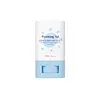
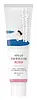
Pyunkang Yul Kids & Baby Sun Stick SPF 50+ Versus Round Lab Birch Juice Moisturizing Tone Up Sunscreen SPF 50+ PA++++
This chemical sunscreen covers the full UV range and blocks ~98% of UVB at SPF 50.
This hybrid sunscreen covers the full UV range and blocks ~98% of UVB at SPF 50.

What's inside
What's inside
 Key Ingredients
Benefits
Concerns
Ingredients Side-by-side
Dimethicone
Emollient

Silica
Abrasive


Homosalate
Skin Conditioning

Polyethylene
Abrasive
Cetyl Ethylhexanoate
EmollientEthylhexyl Methoxycinnamate
UV Absorber
Hydrogenated Polyisobutene
EmollientC12-15 Alkyl Benzoate
AntimicrobialDibutyl Adipate
EmollientEthylhexyl Salicylate
UV Absorber
Diethylamino Hydroxybenzoyl Hexyl Benzoate
UV Filter
Butylene Glycol Dicaprylate/Dicaprate
EmollientSynthetic Wax
Abrasive
Polypropylsilsesquioxane
Octocrylene
UV Absorber
Bis-Ethylhexyloxyphenol Methoxyphenyl Triazine
UV Absorber
Vinyl Dimethicone/Methicone Silsesquioxane Crosspolymer
Ozokerite
Emulsion StabilisingSilica Dimethyl Silylate
EmollientEuphorbia Cerifera Wax


Ethylene/Propylene Copolymer
Abrasive
Polyurethane-1
Methyl Trimethicone
Skin Conditioning
Lauryl Polyglyceryl-3 Polydimethylsiloxyethyl Dimethicone
Skin Conditioning
Trimethylsiloxysilicate
Emollient
Limonene
Perfuming

Caprylyl Glycol
Emollient
Glyceryl Caprylate
EmollientCitrus Aurantium Dulcis Peel Oil
Masking
Linalool
Perfuming
Water
Skin ConditioningTrehalose
Humectant


Rosa Canina Fruit Oil
Emollient
Tocopherol
Antioxidant




Candida Bombicola/Glucose/Methyl Rapeseedate Ferment
AntimicrobialCamellia Sinensis Seed Oil
Humectant
1,2-Hexanediol
Skin Conditioning
Centella Asiatica Extract
Cleansing
Sodium Hyaluronate
Humectant
Hydroxypropyltrimonium Hyaluronate
Artemisia Capillaris Extract
Sodium Acetylated Hyaluronate
Humectant
Hydrolyzed Hyaluronic Acid
Humectant
Hyaluronic Acid
Humectant
Sodium Hyaluronate Crosspolymer
Humectant
Hydrolyzed Sodium Hyaluronate
Skin Conditioning
Potassium Hyaluronate
Skin ConditioningDimethicone, Silica, Homosalate, Polyethylene, Cetyl Ethylhexanoate, Ethylhexyl Methoxycinnamate, Hydrogenated Polyisobutene, C12-15 Alkyl Benzoate, Dibutyl Adipate, Ethylhexyl Salicylate, Diethylamino Hydroxybenzoyl Hexyl Benzoate, Butylene Glycol Dicaprylate/Dicaprate, Synthetic Wax, Polypropylsilsesquioxane, Octocrylene, Bis-Ethylhexyloxyphenol Methoxyphenyl Triazine, Vinyl Dimethicone/Methicone Silsesquioxane Crosspolymer, Ozokerite, Silica Dimethyl Silylate, Euphorbia Cerifera Wax, Ethylene/Propylene Copolymer, Polyurethane-1, Methyl Trimethicone, Lauryl Polyglyceryl-3 Polydimethylsiloxyethyl Dimethicone, Trimethylsiloxysilicate, Limonene, Caprylyl Glycol, Glyceryl Caprylate, Citrus Aurantium Dulcis Peel Oil, Linalool, Water, Trehalose, Rosa Canina Fruit Oil, Tocopherol, Candida Bombicola/Glucose/Methyl Rapeseedate Ferment, Camellia Sinensis Seed Oil, 1,2-Hexanediol, Centella Asiatica Extract, Sodium Hyaluronate, Hydroxypropyltrimonium Hyaluronate, Artemisia Capillaris Extract, Sodium Acetylated Hyaluronate, Hydrolyzed Hyaluronic Acid, Hyaluronic Acid, Sodium Hyaluronate Crosspolymer, Hydrolyzed Sodium Hyaluronate, Potassium Hyaluronate
Water
Skin ConditioningDibutyl Adipate
EmollientPropanediol
Solvent
Titanium Dioxide
Cosmetic Colorant
Caprylic/Capric Triglyceride
Masking
C12-15 Alkyl Benzoate
AntimicrobialDiethylamino Hydroxybenzoyl Hexyl Benzoate
UV Filter
Caprylyl Methicone
Skin Conditioning
Ethylhexyl Triazone
UV Absorber
Niacinamide
Smoothing

Glycerin
Humectant
Diethylhexyl Butamido Triazone
UV Absorber
1,2-Hexanediol
Skin Conditioning
Pentylene Glycol
Skin Conditioning
Butylene Glycol
Humectant
Betula Platyphylla Japonica Juice
Skin Conditioning
Sodium Hyaluronate
Humectant
Hyaluronic Acid
Humectant
Glyceryl Glucoside
Humectant
Panthenol
Skin Conditioning
Dipotassium Glycyrrhizate
Humectant
Allantoin
Skin Conditioning
Portulaca Oleracea Extract
Skin Conditioning
Artemisia Annua Extract
Masking
Pinus Sylvestris Leaf Oil
Masking
Anthemis Nobilis Flower Oil
Masking
Ethylhexylglycerin
Skin ConditioningDimethicone/Vinyl Dimethicone Crosspolymer
Skin Conditioning
Vp/Eicosene Copolymer
Trisiloxane
Skin Conditioning
Coco-Caprylate/Caprate
Emollient
Sodium Polyacryloyldimethyl Taurate
Emulsion StabilisingAmmonium Polyacryloyldimethyl Taurate
Emulsion StabilisingHydroxypropyl Methylcellulose Stearoxy Ether
Dicaprylyl Carbonate
EmollientAlumina
Abrasive
Ascorbic Acid
Antioxidant
Adenosine
Skin Conditioning
Polyhydroxystearic Acid
Emulsifying
Stearic Acid
Cleansing
Dimethiconol
Emollient
Sodium Polyacrylate
Absorbent
Triethoxycaprylylsilane
Pvm/Ma Copolymer
Emulsion StabilisingPolyether-1
CI 77492
Cosmetic ColorantCI 77491
Cosmetic ColorantT-Butyl Alcohol
Perfuming


Xanthan Gum
EmulsifyingWater, Dibutyl Adipate, Propanediol, Titanium Dioxide, Caprylic/Capric Triglyceride, C12-15 Alkyl Benzoate, Diethylamino Hydroxybenzoyl Hexyl Benzoate, Caprylyl Methicone, Ethylhexyl Triazone, Niacinamide, Glycerin, Diethylhexyl Butamido Triazone, 1,2-Hexanediol, Pentylene Glycol, Butylene Glycol, Betula Platyphylla Japonica Juice, Sodium Hyaluronate, Hyaluronic Acid, Glyceryl Glucoside, Panthenol, Dipotassium Glycyrrhizate, Allantoin, Portulaca Oleracea Extract, Artemisia Annua Extract, Pinus Sylvestris Leaf Oil, Anthemis Nobilis Flower Oil, Ethylhexylglycerin, Dimethicone/Vinyl Dimethicone Crosspolymer, Vp/Eicosene Copolymer, Trisiloxane, Coco-Caprylate/Caprate, Sodium Polyacryloyldimethyl Taurate, Ammonium Polyacryloyldimethyl Taurate, Hydroxypropyl Methylcellulose Stearoxy Ether, Dicaprylyl Carbonate, Alumina, Ascorbic Acid, Adenosine, Polyhydroxystearic Acid, Stearic Acid, Dimethiconol, Sodium Polyacrylate, Triethoxycaprylylsilane, Pvm/Ma Copolymer, Polyether-1, CI 77492, CI 77491, T-Butyl Alcohol, Xanthan Gum
Reviews
Ingredients Explained
These ingredients are found in both products.
Ingredients higher up in an ingredient list are typically present in a larger amount.
1,2-Hexanediol is a synthetic liquid and another multi-functional powerhouse.
It is a:
- Humectant, drawing moisture into the skin
- Emollient, helping to soften skin
- Solvent, dispersing and stabilizing formulas
- Preservative booster, enhancing the antimicrobial activity of other preservatives
C12-15 Alkyl Benzoate is a lightweight emollient made by combinig benzoic acid with fatty alcohols that are 12-15 carbons long.
In cosmetics, it plays several roles:
The Cosmetic Review Expert Panel has concluded the alkyl benzoate group to be safe as used in cosmetics; it wasn't found to be a skin irritant and unlikely to be absorbed due to its low water solubility.
This report recorded almost 1000 reported uses with concentrations up to 59% in leave-on products but your cosmetics will typically use 0.5-15% depending on the product.
It's often called a "SPF booster": this is because it keeps UV filters properly dissolved and evenly distributed to support a sunscreen's performance. It doesn't actually raise SPF on its own.
Overall, this ingredient is well tolerated.
This ingredient is fungal acne safe because it is an ester of benzoic acid.
Think of this ingredient as two parts stuck together: an oily part and an acid part. Malassezia only gets a meal when it can snip off a fatty acid to eat. With C12-15 Alkyl Benzoate, the acid part is benzoic acid, which isn't a fatty acid and which the yeast can't use as food.
Benzoic acid is actually used as a preservative to stop yeast from growing.
The oily part is a blend of C12-15 fatty alcohols but fatty alcohols in this size range can support only a little Malassezia growth (mostly for one species of Malassezia as well).
In the ingredient, those alcohols stay locked inside the molecule. The yeast can only reach them by snipping the benzoate bond, and that type of bond is harder for it to cut than a normal fatty bond.
So not much gets released. And whatever does get snipped comes packaged with benzoic acid, which discourages yeast growth.
Learn more about C12-15 Alkyl BenzoateDibutyl Adipate is a lightweight, oil-soluble ester that acts as an emollient and solvent. It helps products spread more easily and leaves a soft, silky, dry-touch finish without being greasy.
You'll likely see this ingredient in sunscreens because it does a nice job dissolving UV filters and keeping them evenly distributed.
This ingredient has been found to be safe as used in cosmetics, wasn't a skin or eye irritant in clinical patch testing, and wasn't phototoxic.
In a clinical comedogenicity test, this ingredient tested negative so it isn't likely to clog pores.
Typical use levels are about 5-8% for sunscreens + nail products, but can range from 0.005%-8% depending on the product.
Learn more about Dibutyl AdipateDiethylamino Hydroxybenzoyl Hexyl Benzoate (DHHB) is a chemical UV-A absorber. It is formulated for high UVA protection (320-400 nm).
DHHB is well-liked for:
DHHB has been approved by the EU, Japan, Taiwan, and South America for use up to 10%. Unfortunately, it has not been approved for use in the US or Canada due to slow regulatory processes.
This ingredient is soluble in oils, fats, and lipids.
Learn more about Diethylamino Hydroxybenzoyl Hexyl BenzoateHyaluronic acid (HA) is a glycosaminoglycan (basically a long sugar chain) that your skin already makes on its own. In your skin, HA lives in the extracellular matrix and acts as the body's moisture reservoir.
Topically, HA is a humectant that binds water and helps skin look more plump, smooth, and hydrated.
The only catch is that HA isn't a single thing; it actually comes in a wide range of molecular weights (~50 - 2,000+ kDA) and size matters.
Some clinical evidence links low molecular weight versions to improved wrinkle depth, elasticity, anti-inflammatory effects, and barrier repair.
This is why the best HA serums blend the two sizes together so you get the best of both worlds.
The majority of cosmetic HA is produced by bacterial fermentation, typically using Streptococcus or Bacillus strains. Typical use levels in skincare sit around 0.1-2%.
A clinical study using a 0.2% low-molecular weight HA gel showed improvement in facial seborrheic dermatitis with excellent tolerance.
These are some other common types of Hyaluronic Acid:
Learn more about Hyaluronic AcidSodium Hyaluronate is the salt form of hyaluronic acid. It is a long sugar chain that is naturally found in your skin, joints, and connective tissue that maintains hydration and elasticity.
In skincare, it works as a humectant. It pulls water from the environment and deeper layers of skin and binds it to the surface.
Interestingly, the size of the molecule affects its behavior:
Some clinical evidence links low molecular weight versions to improved wrinkle depth, elasticity, anti-inflammatory effects, and barrier repair.
Many serums use a blend of both weights so you can get surface hydration plus longer-lasting and deeper effects.
You'll typically see concentrations between 0.1-2% for this ingredient.
Learn more about Sodium HyaluronateWater. It's the most common cosmetic ingredient of all. You'll usually see it at the top of ingredient lists, meaning that it makes up the largest part of the product.
So why is it so popular? Water most often acts as a solvent - this means that it helps dissolve other ingredients into the formulation.
You'll also recognize water as that liquid we all need to stay alive. If you see this, drink a glass of water. Remember to stay hydrated!
Learn more about Water

