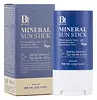
This mineral sunscreen covers the full UV range and blocks ~98% of UVB at SPF 50.
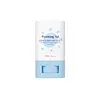
This chemical sunscreen covers the full UV range and blocks ~98% of UVB at SPF 50.

What's inside
What's inside
 Key Ingredients
Benefits
Concerns
Ingredients Side-by-side
Coco-Caprylate/Caprate
Emollient
Helianthus Annuus Seed Wax
Skin Conditioning

Propylene Glycol Dicaprylate
EmollientHdi/Trimethylol Hexyllactone Crosspolymer
C12-15 Alkyl Benzoate
AntimicrobialTitanium Dioxide
Cosmetic Colorant

Dicaprylyl Carbonate
EmollientSynthetic Fluorphlogopite
Vinyldimethicone

Microcrystalline Wax
Emulsion StabilisingAluminum Stearate
Cosmetic ColorantPolyhydroxystearic Acid
Emulsifying
Portulaca Oleracea Extract
Skin Conditioning


Centella Asiatica Extract
Cleansing



Sodium Hyaluronate
Humectant
Hydrolyzed Hyaluronic Acid
Humectant
Sodium Acetylated Hyaluronate
Humectant
Caprylic/Capric Triglyceride
Masking
Polyglyceryl-4 Diisostearate/Polyhydroxystearate/Sebacate
Emulsifying
Silica
Abrasive


Alumina
Abrasive
Pentylene Glycol
Skin Conditioning
Allantoin
Skin Conditioning
Panthenol
Skin Conditioning
Glycerin
Humectant
Madecassic Acid
Skin Conditioning
Asiaticoside
Antioxidant
Asiatic Acid
Skin Conditioning
Xylitylglucoside
Humectant
Anhydroxylitol
Humectant
Xylitol
Humectant
Glucose
Humectant
Glyceryl Caprylate
EmollientTriethoxycaprylylsilane
Stearic Acid
Cleansing
Tocopherol
Antioxidant


Water
Skin Conditioning1,2-Hexanediol
Skin Conditioning
Ethylhexylglycerin
Skin ConditioningCoco-Caprylate/Caprate, Helianthus Annuus Seed Wax, Propylene Glycol Dicaprylate, Hdi/Trimethylol Hexyllactone Crosspolymer, C12-15 Alkyl Benzoate, Titanium Dioxide, Dicaprylyl Carbonate, Synthetic Fluorphlogopite, Vinyldimethicone, Microcrystalline Wax, Aluminum Stearate, Polyhydroxystearic Acid, Portulaca Oleracea Extract, Centella Asiatica Extract, Sodium Hyaluronate, Hydrolyzed Hyaluronic Acid, Sodium Acetylated Hyaluronate, Caprylic/Capric Triglyceride, Polyglyceryl-4 Diisostearate/Polyhydroxystearate/Sebacate, Silica, Alumina, Pentylene Glycol, Allantoin, Panthenol, Glycerin, Madecassic Acid, Asiaticoside, Asiatic Acid, Xylitylglucoside, Anhydroxylitol, Xylitol, Glucose, Glyceryl Caprylate, Triethoxycaprylylsilane, Stearic Acid, Tocopherol, Water, 1,2-Hexanediol, Ethylhexylglycerin
Dimethicone
Emollient
Silica
Abrasive
Homosalate
Skin Conditioning
Polyethylene
Abrasive
Cetyl Ethylhexanoate
EmollientEthylhexyl Methoxycinnamate
UV Absorber
Hydrogenated Polyisobutene
EmollientC12-15 Alkyl Benzoate
AntimicrobialDibutyl Adipate
EmollientEthylhexyl Salicylate
UV Absorber
Diethylamino Hydroxybenzoyl Hexyl Benzoate
UV Filter
Butylene Glycol Dicaprylate/Dicaprate
EmollientSynthetic Wax
Abrasive
Polypropylsilsesquioxane
Octocrylene
UV Absorber
Bis-Ethylhexyloxyphenol Methoxyphenyl Triazine
UV Absorber
Vinyl Dimethicone/Methicone Silsesquioxane Crosspolymer
Ozokerite
Emulsion StabilisingSilica Dimethyl Silylate
EmollientEuphorbia Cerifera Wax
Ethylene/Propylene Copolymer
Abrasive
Polyurethane-1
Methyl Trimethicone
Skin Conditioning
Lauryl Polyglyceryl-3 Polydimethylsiloxyethyl Dimethicone
Skin Conditioning
Trimethylsiloxysilicate
Emollient
Limonene
Perfuming

Caprylyl Glycol
Emollient
Glyceryl Caprylate
EmollientCitrus Aurantium Dulcis Peel Oil
Masking
Linalool
Perfuming
Water
Skin ConditioningTrehalose
Humectant
Rosa Canina Fruit Oil
Emollient
Tocopherol
Antioxidant
Candida Bombicola/Glucose/Methyl Rapeseedate Ferment
AntimicrobialCamellia Sinensis Seed Oil
Humectant
1,2-Hexanediol
Skin Conditioning
Centella Asiatica Extract
Cleansing
Sodium Hyaluronate
Humectant
Hydroxypropyltrimonium Hyaluronate
Artemisia Capillaris Extract
Sodium Acetylated Hyaluronate
Humectant
Hydrolyzed Hyaluronic Acid
Humectant
Hyaluronic Acid
Humectant
Sodium Hyaluronate Crosspolymer
Humectant
Hydrolyzed Sodium Hyaluronate
Skin Conditioning
Potassium Hyaluronate
Skin ConditioningDimethicone, Silica, Homosalate, Polyethylene, Cetyl Ethylhexanoate, Ethylhexyl Methoxycinnamate, Hydrogenated Polyisobutene, C12-15 Alkyl Benzoate, Dibutyl Adipate, Ethylhexyl Salicylate, Diethylamino Hydroxybenzoyl Hexyl Benzoate, Butylene Glycol Dicaprylate/Dicaprate, Synthetic Wax, Polypropylsilsesquioxane, Octocrylene, Bis-Ethylhexyloxyphenol Methoxyphenyl Triazine, Vinyl Dimethicone/Methicone Silsesquioxane Crosspolymer, Ozokerite, Silica Dimethyl Silylate, Euphorbia Cerifera Wax, Ethylene/Propylene Copolymer, Polyurethane-1, Methyl Trimethicone, Lauryl Polyglyceryl-3 Polydimethylsiloxyethyl Dimethicone, Trimethylsiloxysilicate, Limonene, Caprylyl Glycol, Glyceryl Caprylate, Citrus Aurantium Dulcis Peel Oil, Linalool, Water, Trehalose, Rosa Canina Fruit Oil, Tocopherol, Candida Bombicola/Glucose/Methyl Rapeseedate Ferment, Camellia Sinensis Seed Oil, 1,2-Hexanediol, Centella Asiatica Extract, Sodium Hyaluronate, Hydroxypropyltrimonium Hyaluronate, Artemisia Capillaris Extract, Sodium Acetylated Hyaluronate, Hydrolyzed Hyaluronic Acid, Hyaluronic Acid, Sodium Hyaluronate Crosspolymer, Hydrolyzed Sodium Hyaluronate, Potassium Hyaluronate
Ingredients Explained
These ingredients are found in both products.
Ingredients higher up in an ingredient list are typically present in a larger amount.
1,2-Hexanediol is a synthetic liquid and another multi-functional powerhouse.
It is a:
- Humectant, drawing moisture into the skin
- Emollient, helping to soften skin
- Solvent, dispersing and stabilizing formulas
- Preservative booster, enhancing the antimicrobial activity of other preservatives
C12-15 Alkyl Benzoate is a lightweight emollient made by combinig benzoic acid with fatty alcohols that are 12-15 carbons long.
In cosmetics, it plays several roles:
The Cosmetic Review Expert Panel has concluded the alkyl benzoate group to be safe as used in cosmetics; it wasn't found to be a skin irritant and unlikely to be absorbed due to its low water solubility.
This report recorded almost 1000 reported uses with concentrations up to 59% in leave-on products but your cosmetics will typically use 0.5-15% depending on the product.
It's often called a "SPF booster": this is because it keeps UV filters properly dissolved and evenly distributed to support a sunscreen's performance. It doesn't actually raise SPF on its own.
Overall, this ingredient is well tolerated.
This ingredient is fungal acne safe because it is an ester of benzoic acid.
Think of this ingredient as two parts stuck together: an oily part and an acid part. Malassezia only gets a meal when it can snip off a fatty acid to eat. With C12-15 Alkyl Benzoate, the acid part is benzoic acid, which isn't a fatty acid and which the yeast can't use as food.
Benzoic acid is actually used as a preservative to stop yeast from growing.
The oily part is a blend of C12-15 fatty alcohols but fatty alcohols in this size range can support only a little Malassezia growth (mostly for one species of Malassezia as well).
In the ingredient, those alcohols stay locked inside the molecule. The yeast can only reach them by snipping the benzoate bond, and that type of bond is harder for it to cut than a normal fatty bond.
So not much gets released. And whatever does get snipped comes packaged with benzoic acid, which discourages yeast growth.
Learn more about C12-15 Alkyl BenzoateCentella Asiatica Extract (Centella) is one of the most researched botanical extracts in skincare with decades of studies backing its effects on inflammation, collagen, and the skin barrier.
That research keeps pointing back to the same four triterpenoid saponins: Asiaticoside, Madecassoside, Asiatic Acid, and Madecassic Acid.
These compounds allow centella to dial back inflammation, encourage the skin to build and hold onto collagen, support the barrier and hydration, and bring solid antioxidant activity to protect against signs of aging.
Centella also carries a nice supporting cast of Vitamin A, vitamin C, several B vitamins, and amino acids. Put it all together and you get an ingredient that soothes, hydrates, and protects, all at once.
Most of centella's magic comes from the four big compounds (Asiaticoside, Madecassoside, Asiatic Acid, and Madecassic Acid). These are the actives doing the heavy lifting in almost every centella study.
Here is the short version of what they do in the skin:
So it is not just soothing for the sake of soothing. Centella calms the skin AND helps it rebuild.
Just FYI, not all centella on an ingredient list is the same. What you are getting actually depends on the extract:
Fun fact on the ratios: the leaves tend to be richest in Madecassoside and Asiaticoside, and lower in the two acids. The exact amounts shift with where the plant is grown and how it is processed. This means purity really does vary brand to brand.
Centella is one of the most easygoing actives out there.
It layers well with basically everything: niacinamide, hyaluronic acid, peptides, and vitamin C, and also pairs nicely with stronger actives like retinoids and exfoliating acids where it can help take the edge off irritation.
On the safety side, centella and its triterpenes are classified as weak sensitizers, meaning allergic reactions are possible but uncommon.
Patch tests at 1% and 5% came back negative in test panels, and creams at typical use levels did not cause allergic reactions across large groups of people.
But as with any new active, a patch test is still a smart move for very reactive skin.
Centella is widely used because it is effective at low percentages. For context, human safety testing found no meaningful irritation from creams containing centella extract at everyday use levels (the tested amounts were well under 1%).
The irritancy threshold in animal testing was also above 30% (so real-world formulas sit far below anything concerning).
In collagen lab studies, higher concentrations drove more collagen synthesis, so serums built around centella tend to feature it more prominently.
Bottom line: you will find centella working nicely anywhere from a fraction of a percent up to hero-ingredient levels depending on whether it is a supporting soother or the main event.
Fun fact: Centella has been used as a medicine and in food for many centuries. As a medicine, it is used to treat burns, scratches, and wounds.
Learn more about Centella Asiatica ExtractGlyceryl Caprylate comes from glycerin and caprylic acid. It is an emollient, co-emulsifier, and preservative booster.
Its short C8 fatty acid chain makes it behave differently from its longer-chain emollient cousins like Glyceryl Stearate. It feels more lightweight, fast-absorbing, and silky instead of rich and waxy.
As a co-emulsifier, its "head" and "tail" sit at the oil-water interface. But overall, the short C8 tail and not being water soluble means it doesn't really have the muscle to emulsify a formula on its own. That's why you'll often see it paired with a primary emulsifier like Cetearyl Glucoside.
Interestingly, Glyceryl Caprylate acts as a preservative booster. This is because its fatty-acid backbone disrupts microbial lipid membranes. It shows excellent activity against bacteria and yeast but is weaker against mold.
Typical concentrations range from 0.5-1% and this ingredient is generally non-irritating.
Because this ingredient has a C8 fatty acid chain, it is outside the range that the Malassezia yeast metabolizes (making it fungal acne safe).
Learn more about Glyceryl CaprylateHydrolyzed Hyaluronic Acid is hyaluronic acid (HA) that is broken down into lower molecular weight fragments.
It's a humectant that pulls and holds water in the skin to help with hydration, plumpness, and reduce transepidermal water loss.
Because hydrolyzed hyaluronic acid is smaller in size, it can slip past your outermost layer of skin more easily than full-sized HA.
Most formulations will combine all sizes to get the best of both worlds.
Typical usage levels range from 0.01-1%. Any percentage higher than 2% might become goopy and tacky.
Learn more about Hydrolyzed Hyaluronic AcidSilica, also known as silicon dioxide, is a naturally occurring mineral. It is used as a fine, spherical, and porous powder in cosmetics.
Though it has exfoliant properties, the function of silica varies depending on the product.
The unique structure of silica enhances the spreadability and adds smoothness, making it a great texture enhancer.
It is also used as an active carrier, emulsifier, and mattifier due to its ability to absorb excess oil.
In some products, tiny microneedles called spicules are made from silica or hydrolyzed sponge. When you rub them in, they lightly polish away dead skin layers and enhance the penetration of active ingredients.
Learn more about SilicaSodium Acetylated Hyaluronate is a type of Hyaluronic Acid.
Hyaluronic Acids help moisturize, soothe, and protect the skin.
Read about common types of Hyaluronic Acid here:
Learn more about Sodium Acetylated HyaluronateSodium Hyaluronate is the salt form of hyaluronic acid. It is a long sugar chain that is naturally found in your skin, joints, and connective tissue that maintains hydration and elasticity.
In skincare, it works as a humectant. It pulls water from the environment and deeper layers of skin and binds it to the surface.
Interestingly, the size of the molecule affects its behavior:
Some clinical evidence links low molecular weight versions to improved wrinkle depth, elasticity, anti-inflammatory effects, and barrier repair.
Many serums use a blend of both weights so you can get surface hydration plus longer-lasting and deeper effects.
You'll typically see concentrations between 0.1-2% for this ingredient.
Learn more about Sodium HyaluronateTocopherol is a fat-soluble antioxidant known as Vitamin E.
You'll find this ingredient in the vast majority of skincare (for good reason). It works to neutralize free radicals, or unstable molecules generated by UV exposure, pollution, and other environmental stressors, before they can cause oxidative damage to your skin cells.
Topically applied tocopherol has been shown to protect against UV damage by ramping up the skin's own natural defense enzymes.
It also acts as a skin conditioning agent; some studies show that regular topical use can improve the skin's water-binding capacity over 2-4 weeks.
This ingredient is especially loved for being a team player. When combined with Vitamin C, the photoprotective effect of both ingredients roughly doubles and the combo also helps reduce UV-induced DNA damage.
This ingredient has some brightening potential but it's more of a prevention ingredient than spot-fader. Cell studies show it can slow down melanin production but it's worth noting that it's not the most powerful brightener out there.
In formulations, it also serves as a stabilizer that helps protect other oxidation-prone ingredients from degrading.
Concentrations usually range from 0.1-1% in most leave-on products.
Learn more about TocopherolWater. It's the most common cosmetic ingredient of all. You'll usually see it at the top of ingredient lists, meaning that it makes up the largest part of the product.
So why is it so popular? Water most often acts as a solvent - this means that it helps dissolve other ingredients into the formulation.
You'll also recognize water as that liquid we all need to stay alive. If you see this, drink a glass of water. Remember to stay hydrated!
Learn more about Water

