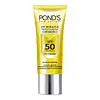
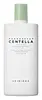
Pond's UV Miracle Protect & Repair Hydrate Sunscreen SPF 50 Versus SKIN1004 Madagascar Centella Tea-Trica Soothing Sun Milk SPF 50+
This chemical sunscreen covers most of the UV range, lighter on the deep UVA that drives aging.
This hybrid sunscreen covers the full UV range and blocks ~98% of UVB at SPF 50.


What's inside
What's inside
 Key Ingredients
Benefits
Concerns
Ingredients Side-by-side
Water
Skin ConditioningOctocrylene
UV Absorber



Dimethicone
Emollient

Ethylhexyl Salicylate
UV Absorber
Butyl Methoxydibenzoylmethane
UV Absorber
Phenylbenzimidazole Sulfonic Acid
UV Absorber
Dicaprylyl Carbonate
EmollientGlycerin
Humectant

Butylene Glycol
Humectant
Cetearyl Alcohol
Emollient





Silica
Abrasive


Ethylhexyl Methoxycinnamate
UV Absorber
Cetearyl Glucoside
Emulsifying
4-Ethylresorcinol
AntimicrobialSodium Acetylated Hyaluronate
Humectant

Sodium Hyaluronate
Humectant
Sodium Hyaluronate Crosspolymer
Humectant
Hydrolyzed Sodium Hyaluronate
Skin Conditioning
Phenoxyethanol
Preservative
Niacinamide
Smoothing




Glutathione
Ceramide NP
Skin Conditioning
Ceramide AP
Skin Conditioning
Ceramide EOP
Skin Conditioning
Tocopherol
Antioxidant

Potassium Cetyl Phosphate
EmulsifyingSodium Hydroxide
BufferingParfum
Masking

Polyacrylate Crosspolymer-6
Emulsion StabilisingInulin Lauryl Carbamate
Emulsion StabilisingXanthan Gum
EmulsifyingDisodium EDTA
PEG-4 Laurate
Emulsifying
Sodium Carbonate
BufferingIodopropynyl Butylcarbamate
Preservative
T-Butyl Alcohol
Perfuming

BHT
Antioxidant
Sodium Chloride
MaskingSodium Lauroyl Lactylate
EmulsifyingPentylene Glycol
Skin Conditioning
Phytosphingosine
Skin Conditioning
Cholesterol
Emollient
Carbomer
Emulsion StabilisingEthylhexylglycerin
Skin ConditioningWater, Octocrylene, Dimethicone, Ethylhexyl Salicylate, Butyl Methoxydibenzoylmethane, Phenylbenzimidazole Sulfonic Acid, Dicaprylyl Carbonate, Glycerin, Butylene Glycol, Cetearyl Alcohol, Silica, Ethylhexyl Methoxycinnamate, Cetearyl Glucoside, 4-Ethylresorcinol, Sodium Acetylated Hyaluronate, Sodium Hyaluronate, Sodium Hyaluronate Crosspolymer, Hydrolyzed Sodium Hyaluronate, Phenoxyethanol, Niacinamide, Glutathione, Ceramide NP, Ceramide AP, Ceramide EOP, Tocopherol, Potassium Cetyl Phosphate, Sodium Hydroxide, Parfum, Polyacrylate Crosspolymer-6, Inulin Lauryl Carbamate, Xanthan Gum, Disodium EDTA, PEG-4 Laurate, Sodium Carbonate, Iodopropynyl Butylcarbamate, T-Butyl Alcohol, BHT, Sodium Chloride, Sodium Lauroyl Lactylate, Pentylene Glycol, Phytosphingosine, Cholesterol, Carbomer, Ethylhexylglycerin
Water
Skin ConditioningButyloctyl Salicylate
Skin Conditioning
Dibutyl Adipate
EmollientPropanediol
Solvent
Ethylhexyl Triazone
UV Absorber
Terephthalylidene Dicamphor Sulfonic Acid
UV Absorber
Bis-Ethylhexyloxyphenol Methoxyphenyl Triazine
UV Absorber
Polyglyceryl-3 Distearate
Emulsifying
Niacinamide
Smoothing
Tromethamine
Buffering1,2-Hexanediol
Skin Conditioning
Diethylamino Hydroxybenzoyl Hexyl Benzoate
UV Filter
Caprylyl Methicone
Skin Conditioning
Pentylene Glycol
Skin Conditioning
Polymethylsilsesquioxane
Polysilicone-15
UV Filter
Centella Asiatica Extract
Cleansing
Ficus Carica Fruit Extract
Humectant
Oenothera Biennis Flower Extract
AstringentUlmus Davidiana Root Extract
Skin Conditioning
Pinus Palustris Leaf Extract
TonicPueraria Lobata Root Extract
HumectantChamaecyparis Obtusa Water
MaskingMelaleuca Alternifolia Leaf Water
Antimicrobial
Hydrogenated Lecithin
Emulsifying
Glyceryl Stearate
Emollient
Cetearyl Alcohol
Emollient
Sorbitan Laurate
Emulsifying
Sodium Stearoyl Glutamate
CleansingCarbomer
Emulsion StabilisingAmmonium Acryloyldimethyltaurate/Vp Copolymer
Glyceryl Stearate Citrate
Emollient
Acrylates/C10-30 Alkyl Acrylate Crosspolymer
Emulsion StabilisingEthylhexylglycerin
Skin ConditioningPolyglyceryl-4 Laurate
Emulsifying
Adenosine
Skin Conditioning
Butylene Glycol
Humectant
Tocopherol
Antioxidant
Glycerin
Humectant
Zinc Oxide
Cosmetic Colorant
Ethoxydiglycol
HumectantCaprylic/Capric Triglyceride
Masking
Octyldodecanol
Emollient
Asiaticoside
Antioxidant
Glycolipids
Skin ConditioningMadecassic Acid
Skin Conditioning
Asiatic Acid
Skin Conditioning
Polyhydroxystearic Acid
Emulsifying
C12-13 Alketh-9
EmulsifyingTriethoxycaprylylsilane
Ceramide NP
Skin Conditioning
Dilauryl Citrate
EmollientWater, Butyloctyl Salicylate, Dibutyl Adipate, Propanediol, Ethylhexyl Triazone, Terephthalylidene Dicamphor Sulfonic Acid, Bis-Ethylhexyloxyphenol Methoxyphenyl Triazine, Polyglyceryl-3 Distearate, Niacinamide, Tromethamine, 1,2-Hexanediol, Diethylamino Hydroxybenzoyl Hexyl Benzoate, Caprylyl Methicone, Pentylene Glycol, Polymethylsilsesquioxane, Polysilicone-15, Centella Asiatica Extract, Ficus Carica Fruit Extract, Oenothera Biennis Flower Extract, Ulmus Davidiana Root Extract, Pinus Palustris Leaf Extract, Pueraria Lobata Root Extract, Chamaecyparis Obtusa Water, Melaleuca Alternifolia Leaf Water, Hydrogenated Lecithin, Glyceryl Stearate, Cetearyl Alcohol, Sorbitan Laurate, Sodium Stearoyl Glutamate, Carbomer, Ammonium Acryloyldimethyltaurate/Vp Copolymer, Glyceryl Stearate Citrate, Acrylates/C10-30 Alkyl Acrylate Crosspolymer, Ethylhexylglycerin, Polyglyceryl-4 Laurate, Adenosine, Butylene Glycol, Tocopherol, Glycerin, Zinc Oxide, Ethoxydiglycol, Caprylic/Capric Triglyceride, Octyldodecanol, Asiaticoside, Glycolipids, Madecassic Acid, Asiatic Acid, Polyhydroxystearic Acid, C12-13 Alketh-9, Triethoxycaprylylsilane, Ceramide NP, Dilauryl Citrate
Reviews
Ingredients Explained
These ingredients are found in both products.
Ingredients higher up in an ingredient list are typically present in a larger amount.
Butylene Glycol (or BG) is used within cosmetic products for a few different reasons:
Overall, Butylene Glycol is a safe and well-rounded ingredient that works well with other ingredients.
Though this ingredient works well with most skin types, some people with sensitive skin may experience a reaction such as allergic rashes, closed comedones, or itchiness.
Learn more about Butylene GlycolCarbomer is a synthetic thickening and gelling agent. It's basically the ingredient that gives a lot of serums, gels, creams, and sunscreens their smooth, non-sticky texture.
Although legally permitted at very high levels, carbomers are normally used at concentrations below 1%.
It also needs to be neutralized to actually thicken, and because it is a large molecule, it doesn't really penetrate the skin barrier.
Allergy-wise, the risk is very low. Clinical studies show carbomers have low potential for skin irritation/sensitization even at concentrations up to 100%.
A 2024 UK study patch-tested 1,302 patients and found true allergy to the parent group of carbomer to be rare with no confirmed relevant reactions.
Learn more about CarbomerCeramide NP (formerly known as Ceramide 3) is one of the skin's naturally occurring lipids.
Since ceramides are the major lipid components of the skin, they are crucial for maintaining skin barrier and hydration. Ceramide NP most closely mirrors the dominant kind in human skin amongst ceramide subtypes.
This ceramide works by slotting into gaps within the stratum corneum's lipid matrix to limit trans-epidermal water loss (TEWL) and shield the skin against external irritants.
A study with 312 patients found that using a ceramide-containing routine for 4 weeks reduced the severity of atopic dermatitis by over 61%.
Another clinical study in subjects aged 60 and older found that a ceramide body wash and moisturizer improved skin dryness and itchy skin in 15 days.
Overall, ceramides are considered non-irritating and safety tests have found little to no observable adverse effects from using this ingredient.
Ceramide NP is usually sourced from plants (like soybean or rice bran), or produced synthetically.
Learn more about Ceramide NPCetearyl alcohol is a waxy mixture of two fatty alcohols: cetyl alcohol and stearyl alcohol. It is an emollient and emulsifier.
Despite having "alcohol" in its name, it has nothing to do with drying solvent alcohols; the FDA also allows "alcohol-free" products to contain fatty alcohols like this ingredient.
It plays several roles in a formula:
Typical use levels for this ingredient sit around 1-10% and the Cosmetic Ingredient Review Expert Panel has affirmed safety at concentrations up to 25% in leave-on products.
Multiple assessments have found it to be non-irritating and non-sensitizing to most people.
However, there have been some cases of allergic contact dermatitis in patients with chronically compromised skin barriers.
Cetearyl alcohol has a comedogenic rating of 2 and irritancy rating of 1. Both of these numbers come from the 1989 study that used rabbit ears; a "2" means mildly comedogenic and a "1" means low irritancy.
Here's the catch: rabbit skin is more sensitive than human skin and throws a lot of false positives. A 1996 reappraisal found that ingredients rated 1-2 in the rabbit ear tests are generally safe for humans.
Remember comedogenic ratings are unable to assess the entire formula of a product or how it will react on your skin. Just be sure to patch test if you are unsure about certain ingredients.
This ingredient is not fungal acne safe. Cetearyl alcohol is a fatty alcohol with chain lengths that fall within the range that Malassezia can metabolize.
A 2019 study has also observed Malassezia growth in the presence of this ingredient, confirming it to be not-fungal acne safe.
Learn more about Cetearyl AlcoholEthylhexylglycerin is created from glycerin. It is a multitasker ingredient that:
The CIR Expert Panel found minimal skin absorption or sensitization of any kind in a safety assessment. Though this ingredient is considered well-tolerated, a small number of cases of allergic dermatitis have been published since 2002. Just be sure to patch test if you are unsure.
Industry-reported use ranges from 8% in rinse-off products and 2% in leave-on formulations.
Learn more about EthylhexylglycerinGlycerin (or glycerol) is a compound naturally found in your skin. It's a powerhouse humectant that pulls water into the stratum corneum.
Topically, glycerin does several things at once:
Your skin makes glycerin on its own (mostly from sebaceous oil breakdown) and shuttles it to your outermost layer of skin, or your epidermis, via aquaporin-3.
Aquaporin-3 is a transporter that is essential for normal skin hydration, elasticity, and repair. Interestingly, mice lacking in AQP3 have dry and less elastic skin that can be fully corrected with glycerin.
This ingredient is non-irritating, plays well with almost every ingredient, and works across all skin types. Typical use is anywhere between 3-10% but can go up to 79% in some leave-on products.
Just know very high concentrations (>40%) can feel tacky in low humidity.
Glycerin is the name for this ingredient in American English. British English uses Glycerol/Glycerine.
Learn more about GlycerinNiacinamide is a multitasking form of vitamin B3 that strengthens the skin barrier, reduces pores and dark spots, regulates oil, and improves signs of aging.
And the best part? It's gentle and well-tolerated by most skin types, including sensitive and reactive skin.
You might have heard of "niacin flush", or the reddening of skin that causes itchiness. Niacinamide has not been found to cause this.
In very rare cases, some individuals may not be able to tolerate niacinamide at all or experience an allergic reaction to it.
If you are experiencing flaking, irritation, and dryness with this ingredient, be sure to double check all your products as this ingredient can be found in all categories of skincare.
When incorporating niacinamide into your routine, look out for concentration amounts. Typically, 5% niacinamide provides benefits such as fading dark spots. However, if you have sensitive skin, it is better to begin with a smaller concentration.
When you apply niacinamide to your skin, your body converts it into nicotinamide adenine dinucleotide (NAD). NAD is an essential coenzyme that is already found in your cells as "fuel" and powers countless biological processes.
In your skin, NAD helps repair cell damage, produce new healthy cells, support collagen production, strengthen the skin barrier, and fight environmental stressors (like UV and pollution).
Our natural NAD levels start to decline with age, leading to slower skin repair, visible aging, and a weaker skin barrier. By providing your skin niacinamide, you're recharging your skin's NAD levels. This leads to stronger, healthier, and younger looking skin.
Another name for vitamin B3 is nicotinamide. This vitamin is water-soluble and our bodies don't store it. We obtain Vitamin B3 from either food or skincare. Meat, fish, wheat, yeast, and leafy greens contain vitamin B3.
The type of niacinamide used in skincare is synthetically created.
Learn more about NiacinamidePentylene Glycol (1,2-pentanediol) is a multitasking little diol with three main roles in a formula:
Research on alkanediols (the family pentylene glycol belongs to) show they work by disrupting microbial cell membranes. This disruption helps the primary preservative system in a product work more effectively at lower doses.
On the safety side, the Cosmetic Ingredient Review Expert Panel has concluded this ingredient to be safe as used in current cosmetic practices + concentrations.
Typical use levels in a formula run about 1-5%.
Learn more about Pentylene GlycolTocopherol is a fat-soluble antioxidant known as Vitamin E.
You'll find this ingredient in the vast majority of skincare (for good reason). It works to neutralize free radicals, or unstable molecules generated by UV exposure, pollution, and other environmental stressors, before they can cause oxidative damage to your skin cells.
Topically applied tocopherol has been shown to protect against UV damage by ramping up the skin's own natural defense enzymes.
It also acts as a skin conditioning agent; some studies show that regular topical use can improve the skin's water-binding capacity over 2-4 weeks.
This ingredient is especially loved for being a team player. When combined with Vitamin C, the photoprotective effect of both ingredients roughly doubles and the combo also helps reduce UV-induced DNA damage.
This ingredient has some brightening potential but it's more of a prevention ingredient than spot-fader. Cell studies show it can slow down melanin production but it's worth noting that it's not the most powerful brightener out there.
In formulations, it also serves as a stabilizer that helps protect other oxidation-prone ingredients from degrading.
Concentrations usually range from 0.1-1% in most leave-on products.
Learn more about TocopherolWater. It's the most common cosmetic ingredient of all. You'll usually see it at the top of ingredient lists, meaning that it makes up the largest part of the product.
So why is it so popular? Water most often acts as a solvent - this means that it helps dissolve other ingredients into the formulation.
You'll also recognize water as that liquid we all need to stay alive. If you see this, drink a glass of water. Remember to stay hydrated!
Learn more about Water

