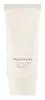
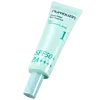
Phymongshe Ultra Hydro Sun Essence SPF50+ PA+++ Versus Numbuzin No.1 Clear Filter Sun Essence SPF50+ PA++++
This chemical sunscreen covers the full UV range and blocks ~98% of UVB at SPF 50.
This chemical sunscreen covers the full UV range and blocks ~98% of UVB at SPF 50.

What's inside
What's inside
 Key Ingredients
Benefits
Concerns
Ingredients Side-by-side
Water
Skin ConditioningEthylhexyl Methoxycinnamate
UV Absorber


Ethylhexyl Salicylate
UV Absorber
Glycerin
Humectant


Phenylbenzimidazole Sulfonic Acid
UV Absorber
Octocrylene
UV Absorber
Diethylamino Hydroxybenzoyl Hexyl Benzoate
UV Filter
Dimethicone
Emollient
Tromethamine
BufferingStearyl Alcohol
Emollient


Hydroxyethyl Acrylate/Sodium Acryloyldimethyl Taurate Copolymer
Emulsion StabilisingButylene Glycol
Humectant
Pentylene Glycol
Skin Conditioning
1,2-Hexanediol
Skin Conditioning
Butyl Methoxydibenzoylmethane
UV Absorber
Ethylhexyl Palmitate
Emollient

Neopentyl Glycol Diheptanoate
EmollientPolymethyl Methacrylate

PEG-100 Stearate
Surfactant
Glyceryl Stearate
Emollient
Hydrogenated Lecithin
Emulsifying
Acrylates/C10-30 Alkyl Acrylate Crosspolymer
Emulsion StabilisingEthylhexylglycerin
Skin ConditioningPolysorbate 60
Emulsifying
Sorbitan Isostearate
Emulsifying
Pelargonium Graveolens Flower Oil
Masking



Disodium EDTA
ChelatingSea Water
HumectantDipropylene Glycol
HumectantArachidyl Alcohol
Emollient
Sodium Palmitoyl Proline
Skin ConditioningCetyl Alcohol
Emollient
Aloe Barbadensis Leaf Extract
Emollient

Potassium Sorbate
Preservative
Sodium Benzoate
Masking
Citric Acid
Buffering

Caprylyl Glycol
Emollient
Nymphaea Alba Flower Extract
Skin ConditioningCitronellol
Perfuming
Geraniol
Perfuming
Linalool
Perfuming
Water, Ethylhexyl Methoxycinnamate, Ethylhexyl Salicylate, Glycerin, Phenylbenzimidazole Sulfonic Acid, Octocrylene, Diethylamino Hydroxybenzoyl Hexyl Benzoate, Dimethicone, Tromethamine, Stearyl Alcohol, Hydroxyethyl Acrylate/Sodium Acryloyldimethyl Taurate Copolymer, Butylene Glycol, Pentylene Glycol, 1,2-Hexanediol, Butyl Methoxydibenzoylmethane, Ethylhexyl Palmitate, Neopentyl Glycol Diheptanoate, Polymethyl Methacrylate, PEG-100 Stearate, Glyceryl Stearate, Hydrogenated Lecithin, Acrylates/C10-30 Alkyl Acrylate Crosspolymer, Ethylhexylglycerin, Polysorbate 60, Sorbitan Isostearate, Pelargonium Graveolens Flower Oil, Disodium EDTA, Sea Water, Dipropylene Glycol, Arachidyl Alcohol, Sodium Palmitoyl Proline, Cetyl Alcohol, Aloe Barbadensis Leaf Extract, Potassium Sorbate, Sodium Benzoate, Citric Acid, Caprylyl Glycol, Nymphaea Alba Flower Extract, Citronellol, Geraniol, Linalool
Water
Skin ConditioningGlycyrrhiza Glabra Root Water
Antioxidant
Dibutyl Adipate
EmollientPropanediol
Solvent
Butyloctyl Salicylate
Skin Conditioning
Ethylhexyl Triazone
UV Absorber
Terephthalylidene Dicamphor Sulfonic Acid
UV Absorber
Polymethylsilsesquioxane
1,2-Hexanediol
Skin Conditioning
Niacinamide
Smoothing





Tromethamine
BufferingPolyglyceryl-3 Distearate
Emulsifying
Butylene Glycol
Humectant
Pentylene Glycol
Skin Conditioning
Cetearyl Alcohol
Emollient
Caprylyl Methicone
Skin Conditioning
Diethylamino Hydroxybenzoyl Hexyl Benzoate
UV Filter
Polysilicone-15
UV Filter
Glyceryl Stearate
Emollient
Bis-Ethylhexyloxyphenol Methoxyphenyl Triazine
UV Absorber
Potassium Cetyl Phosphate
EmulsifyingMethylpropanediol
SolventCarbomer
Emulsion StabilisingCentella Asiatica Extract
Cleansing
Houttuynia Cordata Extract
Skin Conditioning
Acrylates/C10-30 Alkyl Acrylate Crosspolymer
Emulsion StabilisingCoptis Japonica Root Extract
Skin ConditioningGlyceryl Stearate Citrate
Emollient
Ethylhexylglycerin
Skin ConditioningXanthan Gum
EmulsifyingDextrin
AbsorbentAdenosine
Skin Conditioning
Polyether-1
Madecassoside
Antioxidant
Gardenia Florida Fruit Extract
Skin ConditioningBiosaccharide Gum-1
Humectant
Tocopherol
Antioxidant
Glycerin
Humectant
Polygonatum Officinale Rhizome/Root Extract
Skin ConditioningLycium Chinense Fruit Extract
Antioxidant
Velvet Extract
HumectantOphiopogon Japonicus Root Extract
Skin ConditioningPolygonum Multiflorum Root Extract
Skin ConditioningAstragalus Membranaceus Root Extract
Emollient
Laminaria Japonica Extract
Skin Protecting
Aloe Barbadensis Leaf Extract
Emollient
Dioscorea Japonica Root Extract
Skin Conditioning
Anastatica Hierochuntica Extract
AstringentUlmus Davidiana Root Extract
Skin Conditioning
Atractylodes Lancea Root Extract
Skin ConditioningViola Mandshurica Flower Extract
Antioxidant
Dimethylsilanol Hyaluronate
Humectant
Hydrolyzed Hyaluronic Acid
Humectant
Hydrolyzed Sodium Hyaluronate
Skin Conditioning
Sodium Hyaluronate
Humectant
Hyaluronic Acid
Humectant
Potassium Hyaluronate
Skin ConditioningSodium Hyaluronate Crosspolymer
Humectant
Hydroxypropyltrimonium Hyaluronate
Sodium Hyaluronate Dimethylsilanol
HumectantSodium Acetylated Hyaluronate
Humectant
Hyacinthus Orientalis Extract
Skin ConditioningWater, Glycyrrhiza Glabra Root Water, Dibutyl Adipate, Propanediol, Butyloctyl Salicylate, Ethylhexyl Triazone, Terephthalylidene Dicamphor Sulfonic Acid, Polymethylsilsesquioxane, 1,2-Hexanediol, Niacinamide, Tromethamine, Polyglyceryl-3 Distearate, Butylene Glycol, Pentylene Glycol, Cetearyl Alcohol, Caprylyl Methicone, Diethylamino Hydroxybenzoyl Hexyl Benzoate, Polysilicone-15, Glyceryl Stearate, Bis-Ethylhexyloxyphenol Methoxyphenyl Triazine, Potassium Cetyl Phosphate, Methylpropanediol, Carbomer, Centella Asiatica Extract, Houttuynia Cordata Extract, Acrylates/C10-30 Alkyl Acrylate Crosspolymer, Coptis Japonica Root Extract, Glyceryl Stearate Citrate, Ethylhexylglycerin, Xanthan Gum, Dextrin, Adenosine, Polyether-1, Madecassoside, Gardenia Florida Fruit Extract, Biosaccharide Gum-1, Tocopherol, Glycerin, Polygonatum Officinale Rhizome/Root Extract, Lycium Chinense Fruit Extract, Velvet Extract, Ophiopogon Japonicus Root Extract, Polygonum Multiflorum Root Extract, Astragalus Membranaceus Root Extract, Laminaria Japonica Extract, Aloe Barbadensis Leaf Extract, Dioscorea Japonica Root Extract, Anastatica Hierochuntica Extract, Ulmus Davidiana Root Extract, Atractylodes Lancea Root Extract, Viola Mandshurica Flower Extract, Dimethylsilanol Hyaluronate, Hydrolyzed Hyaluronic Acid, Hydrolyzed Sodium Hyaluronate, Sodium Hyaluronate, Hyaluronic Acid, Potassium Hyaluronate, Sodium Hyaluronate Crosspolymer, Hydroxypropyltrimonium Hyaluronate, Sodium Hyaluronate Dimethylsilanol, Sodium Acetylated Hyaluronate, Hyacinthus Orientalis Extract
Reviews
Ingredients Explained
These ingredients are found in both products.
Ingredients higher up in an ingredient list are typically present in a larger amount.
1,2-Hexanediol is a synthetic liquid and another multi-functional powerhouse.
It is a:
- Humectant, drawing moisture into the skin
- Emollient, helping to soften skin
- Solvent, dispersing and stabilizing formulas
- Preservative booster, enhancing the antimicrobial activity of other preservatives
Acrylates/C10-30 Alkyl Acrylate Crosspolymer is a synthetic polymer. It is used to thicken, emulsify, and improve the texture of products.
As an emulsifier, it helps stabilize oil-in-water emulsions to give products an elegant feel when applied.
It can also form a thin protective film on skin. One study found that a formula using this polymer helped slow down how quickly other ingredients (like DEET) were absorbed through skin.
A 2024 study of over 1,300 patients confirmed that sensitization to this ingredient is rare. It is also non-mutagenic and has a clean track record.
Learn more about Acrylates/C10-30 Alkyl Acrylate CrosspolymerAloe Barbadensis Leaf Extract is a botanical extract pulled from the leaves of aloe vera and one of the most studied plant ingredients in cosmetics.
The inner leaf gel it comes from is mostly water (~99-99.5%) and the remaining fraction is made up of pretty good stuff: polysaccharides, vitamins, phenolics, and enzymes.
Its headline job is hydration.
The star polysaccharide in aloe, acemannan, is a humectant that retains moisture and helps reduce trans-epidermal water loss.
Aloe also has real soothing credentials; it contains anti-inflammatory compounds like bradykinase and C-glucosyl chromone that help calm irritation and redness.
On the repair side, lab work shows that acemannan wakes up your skin's repair cells (fibroblasts), prompting them to multiply and speed up healing.
There's some human data for cosmetic benefit too: a cream containing 10% Aloe Barbadensis leaf extract improved skin hydration and elasticity in a real-use study.
Safety-wise, this ingredient is well-regarded with just one rare downside; there have been some case reports of acute eczema, contact urticaria, and dermatitis in people who applied aloe-derived ingredients topically. Those with a known aloe or Liliaceae sensitivity should patch test.
Typical use levels range widely, from under 1% up to 90%+ depending on the format and the effect you are after.
Learn more about Aloe Barbadensis Leaf ExtractButylene Glycol (or BG) is used within cosmetic products for a few different reasons:
Overall, Butylene Glycol is a safe and well-rounded ingredient that works well with other ingredients.
Though this ingredient works well with most skin types, some people with sensitive skin may experience a reaction such as allergic rashes, closed comedones, or itchiness.
Learn more about Butylene GlycolDiethylamino Hydroxybenzoyl Hexyl Benzoate (DHHB) is a chemical UV-A absorber. It is formulated for high UVA protection (320-400 nm).
DHHB is well-liked for:
DHHB has been approved by the EU, Japan, Taiwan, and South America for use up to 10%. Unfortunately, it has not been approved for use in the US or Canada due to slow regulatory processes.
This ingredient is soluble in oils, fats, and lipids.
Learn more about Diethylamino Hydroxybenzoyl Hexyl BenzoateEthylhexylglycerin is created from glycerin. It is a multitasker ingredient that:
The CIR Expert Panel found minimal skin absorption or sensitization of any kind in a safety assessment. Though this ingredient is considered well-tolerated, a small number of cases of allergic dermatitis have been published since 2002. Just be sure to patch test if you are unsure.
Industry-reported use ranges from 8% in rinse-off products and 2% in leave-on formulations.
Learn more about EthylhexylglycerinGlycerin (or glycerol) is a compound naturally found in your skin. It's a powerhouse humectant that pulls water into the stratum corneum.
Topically, glycerin does several things at once:
Your skin makes glycerin on its own (mostly from sebaceous oil breakdown) and shuttles it to your outermost layer of skin, or your epidermis, via aquaporin-3.
Aquaporin-3 is a transporter that is essential for normal skin hydration, elasticity, and repair. Interestingly, mice lacking in AQP3 have dry and less elastic skin that can be fully corrected with glycerin.
This ingredient is non-irritating, plays well with almost every ingredient, and works across all skin types. Typical use is anywhere between 3-10% but can go up to 79% in some leave-on products.
Just know very high concentrations (>40%) can feel tacky in low humidity.
Glycerin is the name for this ingredient in American English. British English uses Glycerol/Glycerine.
Learn more about GlycerinGlyceryl Stearate is made by reacting glycerin with stearic acid (typically sourced from plant oils like palm or coconut). It's an emulsifier, emollient, and mild occlusive.
Emulsifiers help ingredients like oil and water stay mixed so your formula stays nicely blended and uniform in texture.
This ingredient is typically used in concentrations between 1-10%. Studies have found it to be non-sensitizing, non-phototoxic, and non-photoallergenic.
A close cousin of this ingredient is Glyceryl Stearate SE ("self-emulsifying"). This just has a small amount of sodium or potassium stearate added so it can emulsify without a co-emulsifier.
Since this ingredient is an ester of a C18 fatty acid, it may not be fungal acne safe. The Malassezia yeast can potentially metabolize within the C11-C24 range.
Fun fact: The human body also creates Glyceryl Stearate naturally.
Learn more about Glyceryl StearatePentylene Glycol (1,2-pentanediol) is a multitasking little diol with three main roles in a formula:
Research on alkanediols (the family pentylene glycol belongs to) show they work by disrupting microbial cell membranes. This disruption helps the primary preservative system in a product work more effectively at lower doses.
On the safety side, the Cosmetic Ingredient Review Expert Panel has concluded this ingredient to be safe as used in current cosmetic practices + concentrations.
Typical use levels in a formula run about 1-5%.
Learn more about Pentylene GlycolTromethamine (aka THAM) is a synthetic amino acid that shows up in skincare as a helper ingredient.
It functions as a pH adjuster to help neutralize acidic ingredients and set a formula's pH to the right spot.
This matters a lot because a lot of actives (like vitamin C) needs a specific pH to work well and feel comfortable on skin.
Concentration use ranges from 0.1-1.0% depending on the formula.
Learn more about TromethamineWater. It's the most common cosmetic ingredient of all. You'll usually see it at the top of ingredient lists, meaning that it makes up the largest part of the product.
So why is it so popular? Water most often acts as a solvent - this means that it helps dissolve other ingredients into the formulation.
You'll also recognize water as that liquid we all need to stay alive. If you see this, drink a glass of water. Remember to stay hydrated!
Learn more about Water

