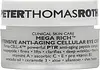
This anti-aging eye moisturizer is formulated around Ceramide NP and Palmitoyl Tripeptide-5 to soften the look of wrinkles and hydrate skin.
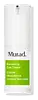
This anti-aging eye moisturizer is formulated around Urea and Palmitoyl Tetrapeptide-7 to soften the look of wrinkles and hydrate skin.

What's inside
What's inside
 Key Ingredients
Benefits
Concerns
Ingredients Side-by-side
Water
Skin ConditioningGlycerin
Humectant


Glyceryl Stearate
Emollient

Caprylic/Capric Triglyceride
Masking
Cetyl Alcohol
Emollient
Propylene Glycol Stearate
Skin Conditioning


Viola Tricolor Extract
EmollientFoeniculum Vulgare Seed Extract
Skin ConditioningCamellia Sinensis Leaf Extract
Antimicrobial






Echinacea Purpurea Extract
MoisturisingAlgae Extract
Emollient
Persea Gratissima Oil
Skin Conditioning
Rosa Canina Fruit Oil
Emollient
Aloe Barbadensis Leaf Juice
Skin Conditioning
Butyrospermum Parkii Butter
Skin Conditioning
Ceramide NP
Skin Conditioning
Palmitoyl Oligopeptide
Cleansing
Palmitoyl Tetrapeptide-7
Skin Conditioning
Palmitoyl Tripeptide-5
Skin Conditioning
Acetyl Hexapeptide-8
Humectant
Sodium PCA
Humectant
Wheat Amino Acids
Skin ConditioningCollagen
Moisturising
Elastin
Skin ConditioningRetinyl Palmitate
Skin Conditioning

Tocopheryl Acetate
Antioxidant
Ascorbyl Methylsilanol Pectinate
Antioxidant
Beeswax
Emulsion Stabilising
Panthenol
Skin Conditioning
Allantoin
Skin Conditioning
PEG-40 Hydrogenated Castor Oil
Emulsifying
Soluble Collagen
Humectant
Ascorbic Acid
Antioxidant
Steapyrium Chloride
AntimicrobialSqualane
Emollient
Dimethicone
Emollient
Linoleic Acid
Cleansing
Oleic Acid
Emollient
Polysorbate 20
Emulsifying
Butylene Glycol
Humectant
Maleic Acid
BufferingLactic Acid
Buffering

Tartaric Acid
Buffering
Hydrolyzed Elastin
EmollientSodium Hyaluronate
Humectant
Superoxide Dismutase
Antioxidant
Polyacrylamide
C13-14 Isoparaffin
Emollient
Laureth-7
EmulsifyingCarbomer
Emulsion StabilisingDisodium EDTA
ChelatingTriethanolamine
BufferingPropylene Glycol
Humectant
Quaternium-15
Preservative
Diazolidinyl Urea
Preservative
Methylparaben
Preservative

Propylparaben
Preservative
Water, Glycerin, Glyceryl Stearate, Caprylic/Capric Triglyceride, Cetyl Alcohol, Propylene Glycol Stearate, Viola Tricolor Extract, Foeniculum Vulgare Seed Extract, Camellia Sinensis Leaf Extract, Echinacea Purpurea Extract, Algae Extract, Persea Gratissima Oil, Rosa Canina Fruit Oil, Aloe Barbadensis Leaf Juice, Butyrospermum Parkii Butter, Ceramide NP, Palmitoyl Oligopeptide, Palmitoyl Tetrapeptide-7, Palmitoyl Tripeptide-5, Acetyl Hexapeptide-8, Sodium PCA, Wheat Amino Acids, Collagen, Elastin, Retinyl Palmitate, Tocopheryl Acetate, Ascorbyl Methylsilanol Pectinate, Beeswax, Panthenol, Allantoin, PEG-40 Hydrogenated Castor Oil, Soluble Collagen, Ascorbic Acid, Steapyrium Chloride, Squalane, Dimethicone, Linoleic Acid, Oleic Acid, Polysorbate 20, Butylene Glycol, Maleic Acid, Lactic Acid, Tartaric Acid, Hydrolyzed Elastin, Sodium Hyaluronate, Superoxide Dismutase, Polyacrylamide, C13-14 Isoparaffin, Laureth-7, Carbomer, Disodium EDTA, Triethanolamine, Propylene Glycol, Quaternium-15, Diazolidinyl Urea, Methylparaben, Propylparaben
Water
Skin ConditioningButylene Glycol
Humectant
Tricaprylyl Citrate
EmollientPentylene Glycol
Skin Conditioning
Bis-Diglyceryl Polyacyladipate-2
Emollient
Jojoba Esters
Emollient
Glycerin
Humectant
Boron Nitride
Absorbent
Caprylic/Capric/Myristic/Stearic Triglyceride
EmollientCetyl Alcohol
Emollient
Stearic Acid
Cleansing
Glyceryl Stearate
Emollient
PEG-100 Stearate
Surfactant
Citrus Unshiu Peel Extract
MaskingMangifera Indica Seed Butter
Skin Conditioning
Dimethicone
Emollient
Cetyl Phosphate
EmulsifyingUrea
Buffering
Yeast Amino Acids
HumectantTrehalose
Humectant
Inositol
Humectant
Taurine
BufferingBetaine
Humectant
Glycine Soja Seed Extract
Skin Conditioning
Iris Florentina Root Extract
MaskingDioscorea Villosa Root Extract
Skin Conditioning
Glycine Soja Sterols
Emollient
Trifolium Pratense Flower Extract
AstringentPalmitoyl Oligopeptide
Cleansing
Palmitoyl Tetrapeptide-7
Skin Conditioning
Retinol
Skin Conditioning
Sodium Hyaluronate
Humectant
Serenoa Serrulata Fruit Extract
Skin Conditioning
Oenothera Biennis Oil
Emollient
Tocopherol
Antioxidant
Ascorbyl Palmitate
Antioxidant
Borago Officinalis Seed Oil
Emollient
Dipeptide-2
Skin Conditioning
Hesperidin Methyl Chalcone
Antioxidant
Caprylic/Capric Triglyceride
Masking
Sodium PCA
Humectant
Panthenol
Skin Conditioning
Oleyl Alcohol
Emollient

Steareth-20
CleansingLecithin
Emollient
Carbomer
Emulsion StabilisingPolysorbate 20
Emulsifying
Sodium Potassium Aluminum Silicate
Aminomethyl Propanol
BufferingDisodium EDTA
ChelatingSilica
Abrasive
Phenoxyethanol
Preservative
Caprylyl Glycol
Emollient
Chlorphenesin
Antimicrobial
CI 77891
Cosmetic ColorantWater, Butylene Glycol, Tricaprylyl Citrate, Pentylene Glycol, Bis-Diglyceryl Polyacyladipate-2, Jojoba Esters, Glycerin, Boron Nitride, Caprylic/Capric/Myristic/Stearic Triglyceride, Cetyl Alcohol, Stearic Acid, Glyceryl Stearate, PEG-100 Stearate, Citrus Unshiu Peel Extract, Mangifera Indica Seed Butter, Dimethicone, Cetyl Phosphate, Urea, Yeast Amino Acids, Trehalose, Inositol, Taurine, Betaine, Glycine Soja Seed Extract, Iris Florentina Root Extract, Dioscorea Villosa Root Extract, Glycine Soja Sterols, Trifolium Pratense Flower Extract, Palmitoyl Oligopeptide, Palmitoyl Tetrapeptide-7, Retinol, Sodium Hyaluronate, Serenoa Serrulata Fruit Extract, Oenothera Biennis Oil, Tocopherol, Ascorbyl Palmitate, Borago Officinalis Seed Oil, Dipeptide-2, Hesperidin Methyl Chalcone, Caprylic/Capric Triglyceride, Sodium PCA, Panthenol, Oleyl Alcohol, Steareth-20, Lecithin, Carbomer, Polysorbate 20, Sodium Potassium Aluminum Silicate, Aminomethyl Propanol, Disodium EDTA, Silica, Phenoxyethanol, Caprylyl Glycol, Chlorphenesin, CI 77891
Reviews
Ingredients Explained
These ingredients are found in both products.
Ingredients higher up in an ingredient list are typically present in a larger amount.
Butylene Glycol (or BG) is used within cosmetic products for a few different reasons:
Overall, Butylene Glycol is a safe and well-rounded ingredient that works well with other ingredients.
Though this ingredient works well with most skin types, some people with sensitive skin may experience a reaction such as allergic rashes, closed comedones, or itchiness.
Learn more about Butylene GlycolCaprylic/Capric Triglyceride (aka MCT Oil) is a lightweight emollient, solvent, and texture enhancer. It is considered a skin-softener by helping to prevent moisture loss.
Though it behaves like an oil, it is not technically one due to its chemical composition. One perk of this ingredient is that it is very stable, resistant to oxidation, and unlikely to go rancid.
In practice, that translates to a long shelf life and a consistently elegant skin feel.
While there is an assumption Caprylic Triglyceride can clog pores due to it being derived from coconut oil, there is no research supporting this. Just patch test if you have concerns.
Fractionated coconut oil and MCT Oil are both listed as Caprylic/Capric Triglyceride according to INCI. This is because INCI names are based on the ingredient’s final chemical composition and not its marketing name or source.
This ingredient is treated as the gold standard fungal acne safe oil. Even though it is coconut derived, the problematic lauric acid is stripped out.
This leaves just caprylic (C8) and capric (C10) acid. These chain lengths actually trend antifungal; a 2020 study found caprylic acid was enough to disrupt Malassezia furfur cell membrane, with a caprylic acid derivative damaging membrane structures at concentrations as low as 0.2%.
Learn more about Caprylic/Capric TriglycerideCarbomer is a synthetic thickening and gelling agent. It's basically the ingredient that gives a lot of serums, gels, creams, and sunscreens their smooth, non-sticky texture.
Although legally permitted at very high levels, carbomers are normally used at concentrations below 1%.
It also needs to be neutralized to actually thicken, and because it is a large molecule, it doesn't really penetrate the skin barrier.
Allergy-wise, the risk is very low. Clinical studies show carbomers have low potential for skin irritation/sensitization even at concentrations up to 100%.
A 2024 UK study patch-tested 1,302 patients and found true allergy to the parent group of carbomer to be rare with no confirmed relevant reactions.
Learn more about CarbomerCetyl Alcohol is a fatty alcohol. Fatty Alcohols are most often used as an emollient or to thicken a product.
Its main roles are:
Though it has "alcohol" in the name, it is not related to denatured alcohol or ethyl alcohol.
The FDA allows products labeled "alcohol-free" to have fatty alcohols.
This ingredient may not be fungal acne safe. It is a primary fatty alcohol with a chain length above 12 carbons. A study from 2019 show Malassezia can feed on fatty alcohols in this range, so it may trigger fungal acne in those prone to it.
Learn more about Cetyl AlcoholDimethicone is a type of synthetic silicone created from natural materials such as quartz. It is also known as polydimethylsiloxane.
What it does:
Dimethicone comes in different viscosities:
Depending on the viscosity, dimethicone has different properties.
Ingredients lists don't always show which type is used, so we recommend reaching out to the brand if you have questions about the viscosity.
This ingredient is unlikely to cause irritation because it does not get absorbed into skin. However, people with silicone allergies should be careful about using this ingredient.
Note: Dimethicone may contribute to pilling. This is because it is not oil or water soluble, so pilling may occur when layered with products. When mixed with heavy oils in a formula, the outcome is also quite greasy.
Learn more about DimethiconeDisodium EDTA is a chelating agent. It grabs onto and deactivates metal ions that sneak into your products from water, packaging, or air.
This ingredient mainly works behind the scenes and helps with:
On top of that, this ingredient can counteract the effects of hard water by binding to the minerals in it.
One thing worth knowing is that Disodium EDTA has been shown to be a mild penetration enhancer. It can help other ingredients absorb into skin more effectively which can be a double-edged sword (great for actives, but can also make the active too strong if you have sensitive skin).
Clinical patch testing showed no significant skin irritation at typical use concentrations and minimal dermal absorption.
You'll most likely see this ingredient near the end of an ingredient list. It's typically found in concentrations less than 1%.
Learn more about Disodium EDTAGlycerin (or glycerol) is a compound naturally found in your skin. It's a powerhouse humectant that pulls water into the stratum corneum.
Topically, glycerin does several things at once:
Your skin makes glycerin on its own (mostly from sebaceous oil breakdown) and shuttles it to your outermost layer of skin, or your epidermis, via aquaporin-3.
Aquaporin-3 is a transporter that is essential for normal skin hydration, elasticity, and repair. Interestingly, mice lacking in AQP3 have dry and less elastic skin that can be fully corrected with glycerin.
This ingredient is non-irritating, plays well with almost every ingredient, and works across all skin types. Typical use is anywhere between 3-10% but can go up to 79% in some leave-on products.
Just know very high concentrations (>40%) can feel tacky in low humidity.
Glycerin is the name for this ingredient in American English. British English uses Glycerol/Glycerine.
Learn more about GlycerinGlyceryl Stearate is made by reacting glycerin with stearic acid (typically sourced from plant oils like palm or coconut). It's an emulsifier, emollient, and mild occlusive.
Emulsifiers help ingredients like oil and water stay mixed so your formula stays nicely blended and uniform in texture.
This ingredient is typically used in concentrations between 1-10%. Studies have found it to be non-sensitizing, non-phototoxic, and non-photoallergenic.
A close cousin of this ingredient is Glyceryl Stearate SE ("self-emulsifying"). This just has a small amount of sodium or potassium stearate added so it can emulsify without a co-emulsifier.
Since this ingredient is an ester of a C18 fatty acid, it may not be fungal acne safe. The Malassezia yeast can potentially metabolize within the C11-C24 range.
Fun fact: The human body also creates Glyceryl Stearate naturally.
Learn more about Glyceryl StearatePalmitoyl Oligopeptide is a form of peptide. It is created by blending peptides with palmitic acid. Peptides are building blocks for protein.
This ingredients tells our body to create more collagen. Collagen is a protein that makes connective tissue. Boosting collagen production leads to a healthier skin barrier. Having a healthy skin barrier means having firm and hydrated skin.
Read more about other common types of peptides here:
Learn more about Palmitoyl OligopeptidePalmitoyl Tetrapeptide-7 (formerly Palmitoyl Tetrapeptide-3) is a synthetic peptide. Its main job is to fight what researchers call "inflammaging".
"Inflammaging" is the slow, low-grade chronic inflammation that quietly breaks down collagen as we age.
This ingredient calms down a specific inflammation signal in your skin cells (called IL-6). When left unchecked, this signal triggers enzymes that break down collagen and elastin.
Clinical testing showed statistically significant improvements in:
Studies also found the more of this ingredient used, the more your skin produces Collagen I, fibronectin, and hyaluronic acid.
You'll likely see this ingredient paired with Palmitoyl Tripeptide-1 in the well-known Matrixyl 3000 complex for enhanced anti-aging effects.
A 3% concentration applied twice daily for two months showed meaningful skin rejuvenation results in clinical panels.
Fungal acne note:
Usually a palmitic acid component can feed Malassezia in unbound form, but here is is covalently bonded to the peptide. This means it is very difficult for Malassezia to access, and therefore very unlikely to cause fungal acne.
Panthenol is a common ingredient that helps hydrate and soothe the skin. It is found naturally in our skin and hair.
There are two forms of panthenol: D and L.
D-panthenol is also known as dexpanthenol. Most cosmetics use dexpanthenol or a mixture of D and L-panthenol.
Panthenol is famous due to its ability to go deeper into the skin's layers. Using this ingredient has numerous pros (and no cons):
Like hyaluronic acid, panthenol is a humectant. Humectants are able to bind and hold large amounts of water to keep skin hydrated.
This ingredient works well for wound healing. It works by increasing tissue in the wound and helps close open wounds.
Once oxidized, panthenol converts to pantothenic acid. Panthothenic acid is found in all living cells.
This ingredient is also referred to as pro-vitamin B5.
Learn more about PanthenolPolysorbate 20 is a gentle, water-soluble emulsifier and mild surfactant. It stops oil and water from separating to keep your formulas blended and stable.
It also acts as a mild penetration enhancer by helping active ingredients absorb slightly better.
The common safety discussion around this ingredient involves a manufacturing byproduct called 1,4-dioxane.
Trace amounts can form during production but the EU's Scientific Committee on Consumer Safety has concluded that levels at/below 10 ppm in finished products are safe (commercial products consistently fall within acceptable margins).
True allergic reactions are uncommon and the CIR Expert Panel has confirmed this ingredient to be safe as used in cosmetics.
Because it is derived from lauric acid, it may not be fungal acne safe.
Learn more about Polysorbate 20Sodium Hyaluronate is the salt form of hyaluronic acid. It is a long sugar chain that is naturally found in your skin, joints, and connective tissue that maintains hydration and elasticity.
In skincare, it works as a humectant. It pulls water from the environment and deeper layers of skin and binds it to the surface.
Interestingly, the size of the molecule affects its behavior:
Some clinical evidence links low molecular weight versions to improved wrinkle depth, elasticity, anti-inflammatory effects, and barrier repair.
Many serums use a blend of both weights so you can get surface hydration plus longer-lasting and deeper effects.
You'll typically see concentrations between 0.1-2% for this ingredient.
Learn more about Sodium HyaluronateSodium PCA (the salt of PCA) is one of the most well-established humectants in skincare.
Why is it so special? Your skin already makes it naturally; it's a natural component of your skin's Natural Moisturizing Factor (NMF), or the mix of water-binding compounds inside your skin cells that keeps things soft and hydrated.
As a cosmetic ingredient, it grabs water and holds it in the upper layers of skin to smooth roughness and ease dehydration.
There's some clinical support for the NMF approach with a study showing that a cream built to mimic the skin's NMF significantly boosted hydration.
Safety-wise, this ingredient non-irritating, non-comedogenic, and non-phototoxic in testing, with minimal skin absorption.
It also works really well with other hydrators like glycerin or hyaluronic acid, and typical usage is somewhere between 0.2-4%.
Learn more about Sodium PCAWater. It's the most common cosmetic ingredient of all. You'll usually see it at the top of ingredient lists, meaning that it makes up the largest part of the product.
So why is it so popular? Water most often acts as a solvent - this means that it helps dissolve other ingredients into the formulation.
You'll also recognize water as that liquid we all need to stay alive. If you see this, drink a glass of water. Remember to stay hydrated!
Learn more about Water

