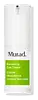
This anti-aging eye moisturizer is formulated around Urea and Palmitoyl Tetrapeptide-7 to soften the look of wrinkles and hydrate skin.
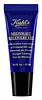
This anti-aging eye moisturizer is formulated around Squalane and Oenothera Biennis Oil to soften the look of wrinkles and hydrate skin.

What's inside
What's inside
 Key Ingredients
Benefits
Concerns
Ingredients Side-by-side
Water
Skin ConditioningButylene Glycol
Humectant

Tricaprylyl Citrate
EmollientPentylene Glycol
Skin Conditioning
Bis-Diglyceryl Polyacyladipate-2
Emollient

Jojoba Esters
Emollient
Glycerin
Humectant
Boron Nitride
Absorbent
Caprylic/Capric/Myristic/Stearic Triglyceride
EmollientCetyl Alcohol
Emollient

Stearic Acid
Cleansing
Glyceryl Stearate
Emollient
PEG-100 Stearate
Surfactant
Citrus Unshiu Peel Extract
MaskingMangifera Indica Seed Butter
Skin Conditioning
Dimethicone
Emollient
Cetyl Phosphate
EmulsifyingUrea
Buffering

Yeast Amino Acids
HumectantTrehalose
Humectant
Inositol
Humectant
Taurine
BufferingBetaine
Humectant
Glycine Soja Seed Extract
Skin Conditioning
Iris Florentina Root Extract
MaskingDioscorea Villosa Root Extract
Skin Conditioning
Glycine Soja Sterols
Emollient
Trifolium Pratense Flower Extract
AstringentPalmitoyl Oligopeptide
Cleansing
Palmitoyl Tetrapeptide-7
Skin Conditioning
Retinol
Skin Conditioning




Sodium Hyaluronate
Humectant

Serenoa Serrulata Fruit Extract
Skin Conditioning
Oenothera Biennis Oil
Emollient


Tocopherol
Antioxidant

Ascorbyl Palmitate
Antioxidant
Borago Officinalis Seed Oil
Emollient
Dipeptide-2
Skin Conditioning
Hesperidin Methyl Chalcone
Antioxidant
Caprylic/Capric Triglyceride
Masking
Sodium PCA
Humectant
Panthenol
Skin Conditioning
Oleyl Alcohol
Emollient

Steareth-20
CleansingLecithin
Emollient
Carbomer
Emulsion StabilisingPolysorbate 20
Emulsifying
Sodium Potassium Aluminum Silicate
Aminomethyl Propanol
BufferingDisodium EDTA
ChelatingSilica
Abrasive
Phenoxyethanol
Preservative
Caprylyl Glycol
Emollient
Chlorphenesin
Antimicrobial
CI 77891
Cosmetic ColorantWater, Butylene Glycol, Tricaprylyl Citrate, Pentylene Glycol, Bis-Diglyceryl Polyacyladipate-2, Jojoba Esters, Glycerin, Boron Nitride, Caprylic/Capric/Myristic/Stearic Triglyceride, Cetyl Alcohol, Stearic Acid, Glyceryl Stearate, PEG-100 Stearate, Citrus Unshiu Peel Extract, Mangifera Indica Seed Butter, Dimethicone, Cetyl Phosphate, Urea, Yeast Amino Acids, Trehalose, Inositol, Taurine, Betaine, Glycine Soja Seed Extract, Iris Florentina Root Extract, Dioscorea Villosa Root Extract, Glycine Soja Sterols, Trifolium Pratense Flower Extract, Palmitoyl Oligopeptide, Palmitoyl Tetrapeptide-7, Retinol, Sodium Hyaluronate, Serenoa Serrulata Fruit Extract, Oenothera Biennis Oil, Tocopherol, Ascorbyl Palmitate, Borago Officinalis Seed Oil, Dipeptide-2, Hesperidin Methyl Chalcone, Caprylic/Capric Triglyceride, Sodium PCA, Panthenol, Oleyl Alcohol, Steareth-20, Lecithin, Carbomer, Polysorbate 20, Sodium Potassium Aluminum Silicate, Aminomethyl Propanol, Disodium EDTA, Silica, Phenoxyethanol, Caprylyl Glycol, Chlorphenesin, CI 77891
Water
Skin ConditioningHelianthus Annuus Seed Oil
Emollient
Simmondsia Chinensis Seed Oil
Emollient
Prunus Armeniaca Kernel Oil
Masking
Squalane
Emollient
Alcohol Denat.
Antimicrobial

Cetearyl Alcohol
Emollient
Glyceryl Stearate
Emollient
Stearyl Alcohol
Emollient
Cetearyl Glucoside
Emulsifying
Oenothera Biennis Oil
Emollient
Butyrospermum Parkii Butter
Skin Conditioning
Phenoxyethanol
Preservative
Lithium Magnesium Sodium Silicate
AbsorbentChlorphenesin
Antimicrobial
Xanthan Gum
EmulsifyingRuscus Aculeatus Root Extract
Astringent
Aloe Barbadensis Leaf Juice Powder
Skin Conditioning
Tocopherol
Antioxidant
Lavandula Angustifolia Oil
Masking

Adenosine
Skin Conditioning
Linalool
Perfuming
Rosmarinus Officinalis Leaf Oil
Masking
Pelargonium Graveolens Flower Oil
Masking
Glycine Soja Oil
Emollient
Citronellol
Perfuming
Geraniol
Perfuming
Lavandula Hybrida Oil
Emollient
Cucumis Sativus Fruit Extract
Emollient
Limonene
Perfuming
Citral
Perfuming
Curcuma Longa Root Extract
Antioxidant
Sclareolide
Masking
Rose Flower Oil
Masking
Jasminum Officinale Extract
Masking
Jasminum Sambac Flower Extract
Masking
Citric Acid
Buffering
Water, Helianthus Annuus Seed Oil, Simmondsia Chinensis Seed Oil, Prunus Armeniaca Kernel Oil, Squalane, Alcohol Denat., Cetearyl Alcohol, Glyceryl Stearate, Stearyl Alcohol, Cetearyl Glucoside, Oenothera Biennis Oil, Butyrospermum Parkii Butter, Phenoxyethanol, Lithium Magnesium Sodium Silicate, Chlorphenesin, Xanthan Gum, Ruscus Aculeatus Root Extract, Aloe Barbadensis Leaf Juice Powder, Tocopherol, Lavandula Angustifolia Oil, Adenosine, Linalool, Rosmarinus Officinalis Leaf Oil, Pelargonium Graveolens Flower Oil, Glycine Soja Oil, Citronellol, Geraniol, Lavandula Hybrida Oil, Cucumis Sativus Fruit Extract, Limonene, Citral, Curcuma Longa Root Extract, Sclareolide, Rose Flower Oil, Jasminum Officinale Extract, Jasminum Sambac Flower Extract, Citric Acid
Reviews
Ingredients Explained
These ingredients are found in both products.
Ingredients higher up in an ingredient list are typically present in a larger amount.
Chlorphenesin is a synthetic preservative. It helps protect a product against bacteria in order to extend shelf life. In most cases, Chlorphenesin is paired with other preservatives such as phenoxyethanol and caprylyl glycol.
Chlorphenesin is a biocide. This means it is able to help fight the microorganisms on our skin. It is also able to fight odor-releasing bacteria.
Chlorphenesin is soluble in both water and glycerin.
Studies show Chlorphenesin is easily absorbed by our skin. You should speak with a skincare professional if you have concerns about using Chlorphenesin.
Learn more about ChlorphenesinGlyceryl Stearate is made by reacting glycerin with stearic acid (typically sourced from plant oils like palm or coconut). It's an emulsifier, emollient, and mild occlusive.
Emulsifiers help ingredients like oil and water stay mixed so your formula stays nicely blended and uniform in texture.
This ingredient is typically used in concentrations between 1-10%. Studies have found it to be non-sensitizing, non-phototoxic, and non-photoallergenic.
A close cousin of this ingredient is Glyceryl Stearate SE ("self-emulsifying"). This just has a small amount of sodium or potassium stearate added so it can emulsify without a co-emulsifier.
Since this ingredient is an ester of a C18 fatty acid, it may not be fungal acne safe. The Malassezia yeast can potentially metabolize within the C11-C24 range.
Fun fact: The human body also creates Glyceryl Stearate naturally.
Learn more about Glyceryl StearateOenothera Biennis Oil (aka Evening Primrose Oil) is a non-fragrant oil from the evening primrose. Like other botanical oils, it is an emollient that helps hydrate and nourish skin.
It has an interesting fatty acid profile: linoleic (70-74%) and γ-linolenic (8-10%), with some amounts ofoleic palmitic, and stearic acids.
The gamma-linoleic acid (GLA) is the headliner here; it's relatively rare in plant oils and acts as a precursor for anti-inflammatory signaling molecules in the skin.
There's a mixed body of clinical research with this ingredient as well, mostly on eczema/atopic dermatitis skin.
Some controlled trials showed improvement in inflammation, dryness, scaling, and overall severity. Other studies and large meta-analysis failed to show a significant effect; the honest takeaway here is "promising but inconsistent" rather than "miracle oil".
On the safety front, this ingredient is found to be safe as used in cosmetics and even has a history of safe food use.
This ingredient does have a comedogenic rating of 3, but this doesn't mean a formula with this ingredient will clog pores. Human testing has proved that any finished product with this ingredient won't automatically make you break out; it really comes down to concentration, formula, and your skin.
Since this oil is contains oleic acid and palmitic acid, it may not be fungal acne safe. The Malassezia yeast feeds on fatty acids with carbon chain lengths between C11-C24. Oleic Acid sits at C18 and Palmitic acid sits at C16.
In vitro studies have shown that oleic acid and palmitic acid are some of the fatty acids that induce rapid Malassezia growth in lab settings.
Learn more about Oenothera Biennis OilPhenoxyethanol is one of the most widely used preservatives in skincare (and for good reason!).
It has a large spectrum of antimicrobial activity and especially effective bacteria, yeast, and mold while only having a weak effect on your skin's natural microbiome.
On a cellular level, it disrupts the cell membranes of microbes by poking holes that make the cell leak. This shuts down the chemical reactions the microbe needs to make energy so it can no longer survive.
Another perk of this ingredient is that it stays functional across a wide pH range (3-10).
You'll often see it paired with boosters like Ethylhexylglycerin; one study showed that a 1:9 ratio of Ethylhexylglycerin to Phenoxyethanol damages bacterial membranes as effectively as doubling the Phenoxyethanol concentration on its own.
Typical use concentrations range from 0.3-1% depending on the formula, and this ingredient is capped at 1% int the EU.
Safety-wise, the fear mongering does not hold up to the evidence. The EU's Scientific Committee on Consumer Safety and FDA consider it safe as a preservative at up to 1%, including for children of all ages.
Adverse systemic effects only showed up in animal studies at exposures roughly 200x higher than what people get from cosmetics. And despite its very widespread use, this ingredient is a rare sensitizer and allergic reactions are uncommon.
Learn more about PhenoxyethanolTocopherol is a fat-soluble antioxidant known as Vitamin E.
You'll find this ingredient in the vast majority of skincare (for good reason). It works to neutralize free radicals, or unstable molecules generated by UV exposure, pollution, and other environmental stressors, before they can cause oxidative damage to your skin cells.
Topically applied tocopherol has been shown to protect against UV damage by ramping up the skin's own natural defense enzymes.
It also acts as a skin conditioning agent; some studies show that regular topical use can improve the skin's water-binding capacity over 2-4 weeks.
This ingredient is especially loved for being a team player. When combined with Vitamin C, the photoprotective effect of both ingredients roughly doubles and the combo also helps reduce UV-induced DNA damage.
This ingredient has some brightening potential but it's more of a prevention ingredient than spot-fader. Cell studies show it can slow down melanin production but it's worth noting that it's not the most powerful brightener out there.
In formulations, it also serves as a stabilizer that helps protect other oxidation-prone ingredients from degrading.
Concentrations usually range from 0.1-1% in most leave-on products.
Learn more about TocopherolWater. It's the most common cosmetic ingredient of all. You'll usually see it at the top of ingredient lists, meaning that it makes up the largest part of the product.
So why is it so popular? Water most often acts as a solvent - this means that it helps dissolve other ingredients into the formulation.
You'll also recognize water as that liquid we all need to stay alive. If you see this, drink a glass of water. Remember to stay hydrated!
Learn more about Water

