

What's inside
What's inside
 Key Ingredients
Benefits
Concerns
Ingredients Side-by-side
Water
Skin ConditioningPropanediol
Solvent

Caprylic/Capric Triglyceride
Masking
Squalane
Emollient
Glycerin
Humectant
Cetearyl Alcohol
Emollient





Jojoba Esters
Emollient
Simmondsia Chinensis Seed Oil
Emollient
Triethylhexanoin
MaskingNiacinamide
Smoothing








Macadamia Ternifolia Seed Oil
Emollient
1,2-Hexanediol
Skin Conditioning
Panax Ginseng Root Extract
Emollient
Euterpe Oleracea Fruit Extract
Curcuma Longa Root Extract
Masking
Hydrolyzed Hyaluronic Acid
Humectant
Centella Asiatica Extract
Cleansing
Coccinia Indica Fruit Extract
Skin Conditioning
Corallina Officinalis Extract
Skin Conditioning
Eclipta Prostrata Extract
Skin Conditioning
Leuconostoc/Radish Root Ferment Filtrate
Antimicrobial
Collagen
Moisturising
Melia Azadirachta Flower Extract
Skin ConditioningMelia Azadirachta Leaf Extract
Skin ConditioningMoringa Oleifera Seed Oil
Emollient
Oligopeptide-1
Skin Conditioning
Allantoin
Skin Conditioning
Lactobacillus Ferment
Skin Conditioning
Panthenol
Skin Conditioning
Sodium Acetylated Hyaluronate
Humectant
Sodium Hyaluronate
Humectant
Ocimum Sanctum Leaf Extract
Skin ConditioningSolanum Melongena Fruit Extract
Skin ConditioningSyringa Vulgaris Extract
Skin ConditioningVaccinium Angustifolium Fruit Extract
Skin Protecting
Adenosine
Skin Conditioning
Butylene Glycol
Humectant
Butyrospermum Parkii Butter
Skin Conditioning
Diethoxyethyl Succinate
SolventSorbitan Olivate
Emulsifying
Citric Acid
Buffering
Tocopherol
Antioxidant

Glucose
Humectant
Cetearyl Glucoside
Emulsifying
Cetearyl Olivate
Coco-Caprylate/Caprate
Emollient
Dipotassium Glycyrrhizate
Humectant
Aloe Barbadensis Flower Extract
EmollientHydroxyacetophenone
Antioxidant
Trisodium Ethylenediamine Disuccinate
Acrylates/C10-30 Alkyl Acrylate Crosspolymer
Emulsion StabilisingTromethamine
BufferingXanthan Gum
EmulsifyingLavandula Angustifolia Oil
Masking


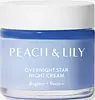
Water, Propanediol, Caprylic/Capric Triglyceride, Squalane, Glycerin, Cetearyl Alcohol, Jojoba Esters, Simmondsia Chinensis Seed Oil, Triethylhexanoin, Niacinamide, Macadamia Ternifolia Seed Oil, 1,2-Hexanediol, Panax Ginseng Root Extract, Euterpe Oleracea Fruit Extract, Curcuma Longa Root Extract, Hydrolyzed Hyaluronic Acid, Centella Asiatica Extract, Coccinia Indica Fruit Extract, Corallina Officinalis Extract, Eclipta Prostrata Extract, Leuconostoc/Radish Root Ferment Filtrate, Collagen, Melia Azadirachta Flower Extract, Melia Azadirachta Leaf Extract, Moringa Oleifera Seed Oil, Oligopeptide-1, Allantoin, Lactobacillus Ferment, Panthenol, Sodium Acetylated Hyaluronate, Sodium Hyaluronate, Ocimum Sanctum Leaf Extract, Solanum Melongena Fruit Extract, Syringa Vulgaris Extract, Vaccinium Angustifolium Fruit Extract, Adenosine, Butylene Glycol, Butyrospermum Parkii Butter, Diethoxyethyl Succinate, Sorbitan Olivate, Citric Acid, Tocopherol, Glucose, Cetearyl Glucoside, Cetearyl Olivate, Coco-Caprylate/Caprate, Dipotassium Glycyrrhizate, Aloe Barbadensis Flower Extract, Hydroxyacetophenone, Trisodium Ethylenediamine Disuccinate, Acrylates/C10-30 Alkyl Acrylate Crosspolymer, Tromethamine, Xanthan Gum, Lavandula Angustifolia Oil
Water
Skin ConditioningPropanediol
Solvent
C9-12 Alkane
SolventGlycerin
Humectant
Niacinamide
Smoothing
Citrullus Lanatus Fruit Extract
Skin Conditioning
Maris Aqua
HumectantGlycolic Acid
Buffering
Lactic Acid
Buffering
Sodium Hyaluronate
Humectant
Chenopodium Quinoa Seed Extract
Skin Conditioning
Lactobacillus/Watermelon Fruit Ferment Extract
Skin ConditioningLens Esculenta Fruit Extract
Skin ConditioningPyrus Malus Fruit Extract
Skin Conditioning
Leuconostoc Ferment Filtrate
AntimicrobialMelia Azadirachta Leaf Extract
Skin ConditioningMoringa Oleifera Seed Oil
Emollient
Leuconostoc/Radish Root Ferment Filtrate
Antimicrobial
Eclipta Prostrata Extract
Skin Conditioning
Sodium PCA
Humectant
Saccharide Isomerate
Humectant
Hydroxyacetophenone
Antioxidant
Polysorbate 60
Emulsifying
Hydroxyethylcellulose
Emulsion StabilisingAmmonium Acryloyldimethyltaurate/Vp Copolymer
Caprylyl Glycol
Emollient
1,2-Hexanediol
Skin Conditioning
Cetearyl Alcohol
Emollient
Sodium Magnesium Silicate
Sodium Lactate
Buffering
Xanthan Gum
EmulsifyingSodium Citrate
BufferingDisodium Phosphate
BufferingSodium Phosphate
BufferingCoco-Caprylate/Caprate
Emollient
Potassium Sorbate
Preservative
Sodium Benzoate
Masking
Citric Acid
Buffering
Sodium Hydroxide
BufferingParfum
Masking
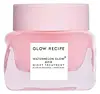
Water, Propanediol, C9-12 Alkane, Glycerin, Niacinamide, Citrullus Lanatus Fruit Extract, Maris Aqua, Glycolic Acid, Lactic Acid, Sodium Hyaluronate, Chenopodium Quinoa Seed Extract, Lactobacillus/Watermelon Fruit Ferment Extract, Lens Esculenta Fruit Extract, Pyrus Malus Fruit Extract, Leuconostoc Ferment Filtrate, Melia Azadirachta Leaf Extract, Moringa Oleifera Seed Oil, Leuconostoc/Radish Root Ferment Filtrate, Eclipta Prostrata Extract, Sodium PCA, Saccharide Isomerate, Hydroxyacetophenone, Polysorbate 60, Hydroxyethylcellulose, Ammonium Acryloyldimethyltaurate/Vp Copolymer, Caprylyl Glycol, 1,2-Hexanediol, Cetearyl Alcohol, Sodium Magnesium Silicate, Sodium Lactate, Xanthan Gum, Sodium Citrate, Disodium Phosphate, Sodium Phosphate, Coco-Caprylate/Caprate, Potassium Sorbate, Sodium Benzoate, Citric Acid, Sodium Hydroxide, Parfum
Reviews
Ingredients Explained
These ingredients are found in both products.
Ingredients higher up in an ingredient list are typically present in a larger amount.
1,2-Hexanediol is a synthetic liquid and another multi-functional powerhouse.
It is a:
- Humectant, drawing moisture into the skin
- Emollient, helping to soften skin
- Solvent, dispersing and stabilizing formulas
- Preservative booster, enhancing the antimicrobial activity of other preservatives
Cetearyl alcohol is a waxy mixture of two fatty alcohols: cetyl alcohol and stearyl alcohol. It is an emollient and emulsifier.
Despite having "alcohol" in its name, it has nothing to do with drying solvent alcohols; the FDA also allows "alcohol-free" products to contain fatty alcohols like this ingredient.
It plays several roles in a formula:
Typical use levels for this ingredient sit around 1-10% and the Cosmetic Ingredient Review Expert Panel has affirmed safety at concentrations up to 25% in leave-on products.
Multiple assessments have found it to be non-irritating and non-sensitizing to most people.
However, there have been some cases of allergic contact dermatitis in patients with chronically compromised skin barriers.
Cetearyl alcohol has a comedogenic rating of 2 and irritancy rating of 1. Both of these numbers come from the 1989 study that used rabbit ears; a "2" means mildly comedogenic and a "1" means low irritancy.
Here's the catch: rabbit skin is more sensitive than human skin and throws a lot of false positives. A 1996 reappraisal found that ingredients rated 1-2 in the rabbit ear tests are generally safe for humans.
Remember comedogenic ratings are unable to assess the entire formula of a product or how it will react on your skin. Just be sure to patch test if you are unsure about certain ingredients.
This ingredient is not fungal acne safe. Cetearyl alcohol is a fatty alcohol with chain lengths that fall within the range that Malassezia can metabolize.
A 2019 study has also observed Malassezia growth in the presence of this ingredient, confirming it to be not-fungal acne safe.
Learn more about Cetearyl AlcoholCitric Acid is an alpha hydroxy acid (AHA) naturally found in citrus fruits like oranges, lemons, and limes.
Like other AHAs, citric acid can exfoliate skin by breaking down the bonds that hold dead skin cells together. This helps reveal smoother and brighter skin underneath.
However, this exfoliating effect only happens at high concentrations (20%) which can be hard to find in cosmetic products.
Due to this, citric acid is usually included in small amounts as a pH adjuster. This helps keep products slightly more acidic and compatible with skin's natural pH.
In skincare formulas, citric acid can:
While it can provide some skin benefits, research shows lactic acid and glycolic acid are generally more effective and less irritating exfoliants.
Most citric acid used in skincare today is made by fermenting sugars (usually from molasses). This synthetic version is identical to the natural citrus form but easier to stabilize and use in formulations.
Read more about some other popular AHA's here:
Learn more about Citric AcidCoco-Caprylate/Caprate is a lightweight ester created from coconut oil fatty acids, caprylic acid, and capric acid.
It is an emollient that helps soften skin and reduce transepidermal water loss (TEWL). What sets it apart from heavier emollients is its ultralight, non-greasy feel.
Once applied, this ingredient dries down quickly and leaves a dry, silky finish behind. This also helps improve spreadability and texture.
This ingredient has an excellent safety-record and is non-irritating.
Typical concentrations for cosmetics range from 0.5-62%.
Research on Malassezia growth found no growth on fatty acid esters with chain lengths shorter than 12 carbons (it prefers C11-24).
Since Coco-Caprylate/Caprate is built on C8 and C10 fatty acids, it is out of the range that Malassezia metabolizes, and therefore safe for fungal acne.
Learn more about Coco-Caprylate/CaprateThis ingredient is also known as Bhringaraj extract or False Daisy. It is a skin conditioning ingredient that keeps skin soft and hydrated.
Research shows it has antioxidant properties; lab studies have found it can protect skin cells from UV-induced damage and help suppress inflammation.
There's also some interesting research on its potential to support hair growth by promoting the growth phase of the hair cycle.
Those with an allergy to plants in the daisy family may want to patch test this ingredient. This ingredient is generally well-tolerated otherwise.
Learn more about Eclipta Prostrata ExtractGlycerin (or glycerol) is a compound naturally found in your skin. It's a powerhouse humectant that pulls water into the stratum corneum.
Topically, glycerin does several things at once:
Your skin makes glycerin on its own (mostly from sebaceous oil breakdown) and shuttles it to your outermost layer of skin, or your epidermis, via aquaporin-3.
Aquaporin-3 is a transporter that is essential for normal skin hydration, elasticity, and repair. Interestingly, mice lacking in AQP3 have dry and less elastic skin that can be fully corrected with glycerin.
This ingredient is non-irritating, plays well with almost every ingredient, and works across all skin types. Typical use is anywhere between 3-10% but can go up to 79% in some leave-on products.
Just know very high concentrations (>40%) can feel tacky in low humidity.
Glycerin is the name for this ingredient in American English. British English uses Glycerol/Glycerine.
Learn more about GlycerinHydroxyacetophenone is a small phenolic molecule that earns its place in a formulas as an antioxidant and preservative booster.
As a phenol, it is able to neutralize free radicals to protect both the product and the skin from oxidative stress.
Though it can't kill microbes on its own, it works as a good supporting agent when combined with other preservatives like Phenoxyethanol or 1,2-Hexanediol.
This ingredient naturally occurs as piceol in Norwegian spruce needles (~0.4-1.1% dry weight and in cloudberries). Though the cosmetic-grade material is synthesized for purity and consistency.
You'll usually see it used at low levels and suppliers recommend up to 1% added to a water phase.
Safety testing was done at concentrations like 0.05% in SPF products and 0.5% in a Human Repeated Insult Patch Test. The safety evidence is assuring; this ingredient is safe for cosmetics in current use and also holds safety status as a food flavoring as well.
An honest caveat: the "soothing" and "anti-inflammatory" claims come mostly from supplier marketing rather than published clinical trials. The Cosmetic Ingredient Review's own literature search found no useful efficacy studies on this ingredient.
So the antioxidant and preservative-boosting roles are the well supported ones while the calming benefit is plausible but thinly evidenced.
Overall, this is a well-tolerated, low-irritation multitasker that quietly helps a formula stay fresh and stable.
Learn more about HydroxyacetophenoneLeuconostoc/Radish Root Ferment Filtrate is a natural preservative. It comes from fermenting radish roots with a bacteria called leuconostoc. The trade name for this ingredient is Leucidal.
Leuconostoc comes from lactic acid.
This ingredient has antimicrobial properties and helps prevent the growth of bacteria in a product.
Leuconostoc is used to make the traditional Korean side-dish, kimchi. It is also used to make sourdough bread (both incredibly yummy foods).
Learn more about Leuconostoc/Radish Root Ferment FiltrateThis ingredient is also known as neem leaf extract. It contains natural compounds like nimbidin, quercetin, and other polyphenols that give it antibacterial, antifungal, and anti-inflammatory activity.
Lab studies have shown neem leaf extract can inhibit acne-related bacteria and help calm skin. Animal studies on wound gels using 1-3% neem leaf extract found it sped up healing without causing irritation.
A wound-healing study testing gels with the extract at 1%, 2%, and 3% concentrations and found none of them irritated the skin.
Most commercial products also use it in a similar low range (typically under 5%).
Allergy-wise, there are some case reports on neem oil causing allergic contact dermatitis so people with plant/botanical sensitivities may want to patch test first.
Learn more about Melia Azadirachta Leaf ExtractMoringa Oleifera Seed Oil is a lightweight oil from the seeds of the Moringa oleifera tree. In cosmetics, it's an emollient that forms a light film to slow water loss and soften skin.
Its fatty acid composition is dominated by oleic acid (70-78%), with smaller amounts of behenic, palmitic, and stearic acids (this profile is actually pretty similar to olive oil).
Notably, this ingredient is oxidatively stable for an oil and resists going rancid as fast as other oils.
A small, in vivo study on 32 participants found a cream with this ingredient increased skin hydration with no reported skin irritation. It also found the tocopherol content gave it some antioxidant activity as well.
One thing to flag for fungal acne:
Because this oil is so high in oleic acid, Malassezia can use it as a food source and this ingredient may not be fungal acne safe.
For everyone else, this ingredient is well-tolerated and nourishing with a good safety track record.
Learn more about Moringa Oleifera Seed OilNiacinamide is a multitasking form of vitamin B3 that strengthens the skin barrier, reduces pores and dark spots, regulates oil, and improves signs of aging.
And the best part? It's gentle and well-tolerated by most skin types, including sensitive and reactive skin.
You might have heard of "niacin flush", or the reddening of skin that causes itchiness. Niacinamide has not been found to cause this.
In very rare cases, some individuals may not be able to tolerate niacinamide at all or experience an allergic reaction to it.
If you are experiencing flaking, irritation, and dryness with this ingredient, be sure to double check all your products as this ingredient can be found in all categories of skincare.
When incorporating niacinamide into your routine, look out for concentration amounts. Typically, 5% niacinamide provides benefits such as fading dark spots. However, if you have sensitive skin, it is better to begin with a smaller concentration.
When you apply niacinamide to your skin, your body converts it into nicotinamide adenine dinucleotide (NAD). NAD is an essential coenzyme that is already found in your cells as "fuel" and powers countless biological processes.
In your skin, NAD helps repair cell damage, produce new healthy cells, support collagen production, strengthen the skin barrier, and fight environmental stressors (like UV and pollution).
Our natural NAD levels start to decline with age, leading to slower skin repair, visible aging, and a weaker skin barrier. By providing your skin niacinamide, you're recharging your skin's NAD levels. This leads to stronger, healthier, and younger looking skin.
Another name for vitamin B3 is nicotinamide. This vitamin is water-soluble and our bodies don't store it. We obtain Vitamin B3 from either food or skincare. Meat, fish, wheat, yeast, and leafy greens contain vitamin B3.
The type of niacinamide used in skincare is synthetically created.
Learn more about NiacinamidePropanediol is an all-star ingredient. It softens, hydrates, and smooths the skin.
It’s often used to:
Propanediol is not likely to cause sensitivity and considered safe to use. It is derived from corn or petroleum with a clear color and no scent.
Learn more about PropanediolSodium Hyaluronate is the salt form of hyaluronic acid. It is a long sugar chain that is naturally found in your skin, joints, and connective tissue that maintains hydration and elasticity.
In skincare, it works as a humectant. It pulls water from the environment and deeper layers of skin and binds it to the surface.
Interestingly, the size of the molecule affects its behavior:
Some clinical evidence links low molecular weight versions to improved wrinkle depth, elasticity, anti-inflammatory effects, and barrier repair.
Many serums use a blend of both weights so you can get surface hydration plus longer-lasting and deeper effects.
You'll typically see concentrations between 0.1-2% for this ingredient.
Learn more about Sodium HyaluronateWater. It's the most common cosmetic ingredient of all. You'll usually see it at the top of ingredient lists, meaning that it makes up the largest part of the product.
So why is it so popular? Water most often acts as a solvent - this means that it helps dissolve other ingredients into the formulation.
You'll also recognize water as that liquid we all need to stay alive. If you see this, drink a glass of water. Remember to stay hydrated!
Learn more about WaterXanthan gum is used as a stabilizer and thickener within cosmetic products. It helps give products a sticky, thick feeling - preventing them from being too runny.
On the technical side of things, xanthan gum is a polysaccharide - a combination consisting of multiple sugar molecules bonded together.
Xanthan gum is a pretty common and great ingredient. It is a natural, non-toxic, non-irritating ingredient that is also commonly used in food products.
Learn more about Xanthan Gum

