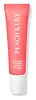
This anti-aging lip moisturizer is formulated around Butyrospermum Parkii Butter and Collagen Extract to soften the look of wrinkles and hydrate lips.
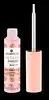
This barrier-repair lip moisturizer is formulated around Prunus Persica Kernel Oil and Sodium Hyaluronate to strengthen the lip barrier and hydrate lips.


What's inside
What's inside
 Key Ingredients
Benefits
Concerns
Ingredients Side-by-side
Polyisobutene
Diisostearyl Malate
EmollientHydrogenated Polyisobutene
EmollientButyrospermum Parkii Butter
Skin Conditioning






Polyglyceryl-2 Triisostearate
Emulsifying
Microcrystalline Wax
Emulsion StabilisingOctyldodecanol
Emollient
Phytosteryl/Isostearyl/Cetyl/Stearyl/Behenyl Dimer Dilinoleate
Skin Conditioning
Tribehenin
Emollient
Synthetic Wax
Abrasive
Squalane
Emollient
Collagen Extract
Skin Conditioning
Polyglutamic Acid
Skin Conditioning

Sodium Hyaluronate
Humectant
Hydrolyzed Sodium Hyaluronate
Skin Conditioning
Hyaluronic Acid
Humectant
Hydrolyzed Hyaluronic Acid
Humectant
Water
Skin ConditioningGlycerin
Humectant
Vitis Vinifera Seed Oil
Emollient
Simmondsia Chinensis Seed Oil
Emollient
Camellia Japonica Seed Oil
Emollient
Ceramide Ns
Skin Conditioning
Ceramide NP
Skin Conditioning
Ceramide AP
Skin Conditioning
Ceramide As
Skin Conditioning
Ceramide EOP
Skin Conditioning
Tremella Fuciformis Polysaccharide
Emulsion Stabilising
Chlorella Ferment
Skin Conditioning
Bisabolol
Antioxidant
Butylene Glycol
Humectant
Prunus Persica Fruit Extract
Abrasive
Palmitoyl Tripeptide-1
Skin Conditioning

Copper Tripeptide-1
Skin Conditioning
Hexapeptide-9
Skin Conditioning
Acetyl Hexapeptide-8
Humectant
Acetyl Tetrapeptide-5
Humectant
Palmitoyl Pentapeptide-4
Skin Conditioning
Dipeptide-2
Skin Conditioning
Nonapeptide-1
Skin Conditioning
Tripeptide-1
Skin Conditioning
Perilla Ocymoides Leaf Extract
TonicSodium Hyaluronate Crosspolymer
Humectant
Ethylhexylglycerin
Skin ConditioningAdansonia Digitata Seed Oil
Emollient
Hippophae Rhamnoides Fruit Oil
Skin Protecting
Calophyllum Inophyllum Seed Oil
Antimicrobial
Stevioside
MaskingHibiscus Rosa-Sinensis Flower Extract
Humectant1,2-Hexanediol
Skin Conditioning
Allantoin
Skin Conditioning
Caprylic/Capric Triglyceride
Masking
Tocopherol
Antioxidant


Disteardimonium Hectorite
StabilisingGlyceryl Caprylate
EmollientPolyglyceryl-10 Oleate
Skin Conditioning
Hydrogenated Lecithin
Emulsifying
Caprylyl Glycol
Emollient
Pentylene Glycol
Skin Conditioning
Polyisobutene, Diisostearyl Malate, Hydrogenated Polyisobutene, Butyrospermum Parkii Butter, Polyglyceryl-2 Triisostearate, Microcrystalline Wax, Octyldodecanol, Phytosteryl/Isostearyl/Cetyl/Stearyl/Behenyl Dimer Dilinoleate, Tribehenin, Synthetic Wax, Squalane, Collagen Extract, Polyglutamic Acid, Sodium Hyaluronate, Hydrolyzed Sodium Hyaluronate, Hyaluronic Acid, Hydrolyzed Hyaluronic Acid, Water, Glycerin, Vitis Vinifera Seed Oil, Simmondsia Chinensis Seed Oil, Camellia Japonica Seed Oil, Ceramide Ns, Ceramide NP, Ceramide AP, Ceramide As, Ceramide EOP, Tremella Fuciformis Polysaccharide, Chlorella Ferment, Bisabolol, Butylene Glycol, Prunus Persica Fruit Extract, Palmitoyl Tripeptide-1, Copper Tripeptide-1, Hexapeptide-9, Acetyl Hexapeptide-8, Acetyl Tetrapeptide-5, Palmitoyl Pentapeptide-4, Dipeptide-2, Nonapeptide-1, Tripeptide-1, Perilla Ocymoides Leaf Extract, Sodium Hyaluronate Crosspolymer, Ethylhexylglycerin, Adansonia Digitata Seed Oil, Hippophae Rhamnoides Fruit Oil, Calophyllum Inophyllum Seed Oil, Stevioside, Hibiscus Rosa-Sinensis Flower Extract, 1,2-Hexanediol, Allantoin, Caprylic/Capric Triglyceride, Tocopherol, Disteardimonium Hectorite, Glyceryl Caprylate, Polyglyceryl-10 Oleate, Hydrogenated Lecithin, Caprylyl Glycol, Pentylene Glycol
Polyisobutene
Caprylic/Capric Triglyceride
Masking
Hydrogenated Polydecene
EmollientPrunus Persica Kernel Oil
Emollient
Hydrogenated Polyisobutene
EmollientSilica Dimethyl Silylate
EmollientTocopheryl Acetate
Antioxidant
Sodium Hyaluronate
Humectant
Canola Oil
Emollient
Helianthus Annuus Seed Oil
Emollient
Ethylene/Propylene/Styrene Copolymer
Ethylhexyl Palmitate
Emollient
Caprylyl Glycol
Emollient
Ricinus Communis Seed Oil
Masking
Butylene/Ethylene/Styrene Copolymer
Glycerin
Humectant
Caprylhydroxamic Acid
Hydrogenated Castor Oil
Emollient
Pentaerythrityl Tetra-Di-T-Butyl Hydroxyhydrocinnamate
Antioxidant
Daucus Carota Sativa Seed Oil
Emollient
Beta-Carotene
Skin ConditioningDaucus Carota Sativa Root Extract
Skin Conditioning
Alumina
Abrasive
Parfum
Masking

Limonene
Perfuming
Linalool
Perfuming
Citronellol
Perfuming
CI 15850
Cosmetic ColorantCI 77891
Cosmetic ColorantPolyisobutene, Caprylic/Capric Triglyceride, Hydrogenated Polydecene, Prunus Persica Kernel Oil, Hydrogenated Polyisobutene, Silica Dimethyl Silylate, Tocopheryl Acetate, Sodium Hyaluronate, Canola Oil, Helianthus Annuus Seed Oil, Ethylene/Propylene/Styrene Copolymer, Ethylhexyl Palmitate, Caprylyl Glycol, Ricinus Communis Seed Oil, Butylene/Ethylene/Styrene Copolymer, Glycerin, Caprylhydroxamic Acid, Hydrogenated Castor Oil, Pentaerythrityl Tetra-Di-T-Butyl Hydroxyhydrocinnamate, Daucus Carota Sativa Seed Oil, Beta-Carotene, Daucus Carota Sativa Root Extract, Alumina, Parfum, Limonene, Linalool, Citronellol, CI 15850, CI 77891
Reviews
Ingredients Explained
These ingredients are found in both products.
Ingredients higher up in an ingredient list are typically present in a larger amount.
Caprylic/Capric Triglyceride (aka MCT Oil) is a lightweight emollient, solvent, and texture enhancer. It is considered a skin-softener by helping to prevent moisture loss.
Though it behaves like an oil, it is not technically one due to its chemical composition. One perk of this ingredient is that it is very stable, resistant to oxidation, and unlikely to go rancid.
In practice, that translates to a long shelf life and a consistently elegant skin feel.
While there is an assumption Caprylic Triglyceride can clog pores due to it being derived from coconut oil, there is no research supporting this. Just patch test if you have concerns.
Fractionated coconut oil and MCT Oil are both listed as Caprylic/Capric Triglyceride according to INCI. This is because INCI names are based on the ingredient’s final chemical composition and not its marketing name or source.
This ingredient is treated as the gold standard fungal acne safe oil. Even though it is coconut derived, the problematic lauric acid is stripped out.
This leaves just caprylic (C8) and capric (C10) acid. These chain lengths actually trend antifungal; a 2020 study found caprylic acid was enough to disrupt Malassezia furfur cell membrane, with a caprylic acid derivative damaging membrane structures at concentrations as low as 0.2%.
Learn more about Caprylic/Capric TriglycerideCaprylyl Glycol is a humectant, skin conditioner, emollient, and preservative booster derived from either caprylic acid or synthetically created.
Typical use levels vary from 0.3-1% as a preservative booster and go up to 2% to condition skin.
Because it is not a free-fatty acid, this ingredient is fungal acne safe (there's nothing for Malassezia to feed on).
Learn more about Caprylyl GlycolGlycerin (or glycerol) is a compound naturally found in your skin. It's a powerhouse humectant that pulls water into the stratum corneum.
Topically, glycerin does several things at once:
Your skin makes glycerin on its own (mostly from sebaceous oil breakdown) and shuttles it to your outermost layer of skin, or your epidermis, via aquaporin-3.
Aquaporin-3 is a transporter that is essential for normal skin hydration, elasticity, and repair. Interestingly, mice lacking in AQP3 have dry and less elastic skin that can be fully corrected with glycerin.
This ingredient is non-irritating, plays well with almost every ingredient, and works across all skin types. Typical use is anywhere between 3-10% but can go up to 79% in some leave-on products.
Just know very high concentrations (>40%) can feel tacky in low humidity.
Glycerin is the name for this ingredient in American English. British English uses Glycerol/Glycerine.
Learn more about GlycerinHydrogenated Polyisobutene is a synthetic polymer. Polymers are compounds with high molecular weight. Hydrogenated Polyisobutene is an emollient and texture enhancer.
In one study, Hydrogenated Polyisobutene showed better skin hydration levels than Caprylic/Capric Triglyceride. As an emollient, it helps keep your skin soft and hydrated by trapping moisture in.
Hydrogenated Polyisobutene is often used as a mineral oil replacement.
Learn more about Hydrogenated PolyisobutenePolyisobutene is a synthetic polymer made from isobutene.
It is a film-forming agent and helps bind ingredients together.
Polyisobutene is not absorbed by the skin.
Learn more about PolyisobuteneSodium Hyaluronate is the salt form of hyaluronic acid. It is a long sugar chain that is naturally found in your skin, joints, and connective tissue that maintains hydration and elasticity.
In skincare, it works as a humectant. It pulls water from the environment and deeper layers of skin and binds it to the surface.
Interestingly, the size of the molecule affects its behavior:
Some clinical evidence links low molecular weight versions to improved wrinkle depth, elasticity, anti-inflammatory effects, and barrier repair.
Many serums use a blend of both weights so you can get surface hydration plus longer-lasting and deeper effects.
You'll typically see concentrations between 0.1-2% for this ingredient.
Learn more about Sodium Hyaluronate

