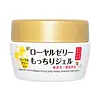
This barrier-repair moisturizer is formulated around Squalane and Royal Jelly Extract to strengthen the skin barrier and hydrate skin.
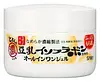
This moisturizer is formulated around Galactomyces/Milk Ferment Filtrate and Glycine Soja Seed Extract to hydrate skin.

What's inside
What's inside
 Key Ingredients
Benefits
Concerns
Ingredients Side-by-side
Water
Skin ConditioningDimethicone
Emollient

Triethylhexanoin
MaskingSqualane
Emollient


Glycerin
Humectant
Glyceryl Stearate
Emollient

PEG-3 Dimethicone
Skin Conditioning
Stearic Acid
Cleansing
Diglycerin
Humectant
Sorbitan Tristearate
EmulsifyingPEG-5 Stearate
Emulsifying
Batyl Alcohol
EmollientXanthan Gum
EmulsifyingCaprylic/Capric Triglyceride
Masking
Butylene Glycol
Humectant
Glyceryl Glucoside
Humectant
Trimethylsilyl Hydrolyzed Silk Pg-Propyl Methylsilanediol Crosspolymer
Skin ConditioningTocopherol
Antioxidant




Lecithin
Emollient
Tetrasodium Etidronate
ChelatingHoney
Humectant
Cyclopentasiloxane
Emollient
Onsen-Sui
Beta-Glucan
Skin Conditioning
Hydrogenated Rapeseed Alcohol
Emollient
Maltodextrin
Absorbent
Propanediol
Solvent
Pentylene Glycol
Skin Conditioning
Betaine
Humectant
Beheneth-30
CleansingPunica Granatum Seed Cell Culture Lysate
Skin ConditioningPEG-60 Hydrogenated Castor Oil
Emulsifying
Behenic Acid
Cleansing
Macadamia Ternifolia Seed Oil
Emollient
Glucosyl Ceramide
Skin Conditioning
Butyrospermum Parkii Butter
Skin Conditioning

Sodium Citrate
BufferingCitric Acid
Buffering
Sodium PCA
Humectant
Simmondsia Chinensis Seed Oil
Emollient
Royal Jelly Extract
Skin Conditioning
Rosa Multiflora Fruit Extract
MaskingHoney Extract
Humectant
Coco-Glucoside
Cleansing
Gardenia Florida Fruit Extract
Skin ConditioningBellis Perennis Flower Extract
Skin ConditioningArginine
Masking
Hydrolyzed Hyaluronic Acid
Humectant
Sodium Hyaluronate
Humectant
Hydrolyzed Collagen
Emollient
Propolis Extract
Skin Conditioning

Terminalia Ferdinandiana Fruit Extract
Antioxidant
Glucose
Humectant
Pelargonium Graveolens Extract
Masking
Solanum Lycopersicum Fruit Extract
Antioxidant
Aspalathus Linearis Leaf Extract
Skin ConditioningSaccharomyces Cerevisiae Extract
Skin Conditioning
Morus Alba Bark Extract
Skin ConditioningGluconobacter/Honey Ferment Filtrate
Skin ConditioningOryza Sativa Extract
Absorbent
Panax Ginseng Root Extract
Emollient
Pueraria Lobata Root Extract
HumectantCistus Ladaniferus Leaf/Stem Water Extract
AstringentCeramide AP
Skin Conditioning
Ceramide NP
Skin Conditioning
Bioflavonoids
Skin ConditioningCitrus Aurantifolia Fruit Extract
Skin ConditioningHypericum Perforatum Flower/Leaf/Stem Extract
Skin ConditioningCitrus Aurantium Dulcis Fruit Extract
MaskingZizyphus Jujuba Fruit Extract
Hedera Helix Leaf/Stem Extract
AntimicrobialArnica Montana Flower Extract
Masking
Aesculus Hippocastanum Seed Extract
Skin ConditioningHamamelis Virginiana Leaf Extract
Skin Conditioning
Ceramide Ng
Skin Conditioning
Citrus Limon Juice
Skin Conditioning
Carthamus Tinctorius Flower Extract
Skin ConditioningPaeonia Officinalis Flower Extract
TonicAngelica Archangelica Root Extract
Masking
Paeonia Lactiflora Root Extract
Skin ConditioningPorphyra Columbina Extract
Skin ConditioningChlorella Vulgaris Extract
Skin ConditioningAloe Barbadensis Leaf Extract
Emollient
Salvia Officinalis Leaf Extract
CleansingCynara Scolymus Leaf Extract
Skin ConditioningSaponaria Officinalis Leaf Extract
AntimicrobialArctium Lappa Root Extract
Skin Conditioning
Vitis Vinifera Leaf Extract
Skin ConditioningCitrus Limon Fruit Extract
Masking
Citrus Grandis Fruit Extract
Astringent
Crataegus Monogyna Fruit Extract
Skin ConditioningPyrus Malus Fruit Extract
Skin Conditioning
Lactobacillus
Skin ConditioningPhenoxyethanol
Preservative
Water, Dimethicone, Triethylhexanoin, Squalane, Glycerin, Glyceryl Stearate, PEG-3 Dimethicone, Stearic Acid, Diglycerin, Sorbitan Tristearate, PEG-5 Stearate, Batyl Alcohol, Xanthan Gum, Caprylic/Capric Triglyceride, Butylene Glycol, Glyceryl Glucoside, Trimethylsilyl Hydrolyzed Silk Pg-Propyl Methylsilanediol Crosspolymer, Tocopherol, Lecithin, Tetrasodium Etidronate, Honey, Cyclopentasiloxane, Onsen-Sui, Beta-Glucan, Hydrogenated Rapeseed Alcohol, Maltodextrin, Propanediol, Pentylene Glycol, Betaine, Beheneth-30, Punica Granatum Seed Cell Culture Lysate, PEG-60 Hydrogenated Castor Oil, Behenic Acid, Macadamia Ternifolia Seed Oil, Glucosyl Ceramide, Butyrospermum Parkii Butter, Sodium Citrate, Citric Acid, Sodium PCA, Simmondsia Chinensis Seed Oil, Royal Jelly Extract, Rosa Multiflora Fruit Extract, Honey Extract, Coco-Glucoside, Gardenia Florida Fruit Extract, Bellis Perennis Flower Extract, Arginine, Hydrolyzed Hyaluronic Acid, Sodium Hyaluronate, Hydrolyzed Collagen, Propolis Extract, Terminalia Ferdinandiana Fruit Extract, Glucose, Pelargonium Graveolens Extract, Solanum Lycopersicum Fruit Extract, Aspalathus Linearis Leaf Extract, Saccharomyces Cerevisiae Extract, Morus Alba Bark Extract, Gluconobacter/Honey Ferment Filtrate, Oryza Sativa Extract, Panax Ginseng Root Extract, Pueraria Lobata Root Extract, Cistus Ladaniferus Leaf/Stem Water Extract, Ceramide AP, Ceramide NP, Bioflavonoids, Citrus Aurantifolia Fruit Extract, Hypericum Perforatum Flower/Leaf/Stem Extract, Citrus Aurantium Dulcis Fruit Extract, Zizyphus Jujuba Fruit Extract, Hedera Helix Leaf/Stem Extract, Arnica Montana Flower Extract, Aesculus Hippocastanum Seed Extract, Hamamelis Virginiana Leaf Extract, Ceramide Ng, Citrus Limon Juice, Carthamus Tinctorius Flower Extract, Paeonia Officinalis Flower Extract, Angelica Archangelica Root Extract, Paeonia Lactiflora Root Extract, Porphyra Columbina Extract, Chlorella Vulgaris Extract, Aloe Barbadensis Leaf Extract, Salvia Officinalis Leaf Extract, Cynara Scolymus Leaf Extract, Saponaria Officinalis Leaf Extract, Arctium Lappa Root Extract, Vitis Vinifera Leaf Extract, Citrus Limon Fruit Extract, Citrus Grandis Fruit Extract, Crataegus Monogyna Fruit Extract, Pyrus Malus Fruit Extract, Lactobacillus, Phenoxyethanol
Water
Skin ConditioningGlycerin
Humectant
Dipropylene Glycol
HumectantCetyl Ethylhexanoate
EmollientPentylene Glycol
Skin Conditioning
Diglycerin
Humectant
Trehalose
Humectant
PEG-60 Hydrogenated Castor Oil
Emulsifying
Galactomyces/Milk Ferment Filtrate
Humectant
Glycine Soja Seed Extract
Skin Conditioning
Glycine Soja Protein
EmulsifyingPEG-240/Hdi Copolymer Bis-Decyltetradeceth-20 Ether
StabilisingAcrylates/C10-30 Alkyl Acrylate Crosspolymer
Emulsion StabilisingButylene Glycol
Humectant
PEG-32
HumectantAlcohol
Antimicrobial
Ethylhexylglycerin
Skin ConditioningGlycyrrhiza Glabra Root Extract
Bleaching
Diphenylsiloxy Phenyl Trimethicone
Skin Conditioning
Dimethicone
Emollient
Sodium Stearoyl Glutamate
CleansingTocopherol
Antioxidant
Triethylhexanoin
MaskingBehenyl Alcohol
Emollient
Pentasodium Pentetate
ChelatingSodium Hydroxide
BufferingPhenoxyethanol
Preservative
Water, Glycerin, Dipropylene Glycol, Cetyl Ethylhexanoate, Pentylene Glycol, Diglycerin, Trehalose, PEG-60 Hydrogenated Castor Oil, Galactomyces/Milk Ferment Filtrate, Glycine Soja Seed Extract, Glycine Soja Protein, PEG-240/Hdi Copolymer Bis-Decyltetradeceth-20 Ether, Acrylates/C10-30 Alkyl Acrylate Crosspolymer, Butylene Glycol, PEG-32, Alcohol, Ethylhexylglycerin, Glycyrrhiza Glabra Root Extract, Diphenylsiloxy Phenyl Trimethicone, Dimethicone, Sodium Stearoyl Glutamate, Tocopherol, Triethylhexanoin, Behenyl Alcohol, Pentasodium Pentetate, Sodium Hydroxide, Phenoxyethanol
Ingredients Explained
These ingredients are found in both products.
Ingredients higher up in an ingredient list are typically present in a larger amount.
Butylene Glycol (or BG) is used within cosmetic products for a few different reasons:
Overall, Butylene Glycol is a safe and well-rounded ingredient that works well with other ingredients.
Though this ingredient works well with most skin types, some people with sensitive skin may experience a reaction such as allergic rashes, closed comedones, or itchiness.
Learn more about Butylene GlycolDiglycerin is a humectant. It is derived from glycerin, which is naturally found in your skin.
As a humectant, it helps draw moisture to the skin from the air.
Dimethicone is a type of synthetic silicone created from natural materials such as quartz. It is also known as polydimethylsiloxane.
What it does:
Dimethicone comes in different viscosities:
Depending on the viscosity, dimethicone has different properties.
Ingredients lists don't always show which type is used, so we recommend reaching out to the brand if you have questions about the viscosity.
This ingredient is unlikely to cause irritation because it does not get absorbed into skin. However, people with silicone allergies should be careful about using this ingredient.
Note: Dimethicone may contribute to pilling. This is because it is not oil or water soluble, so pilling may occur when layered with products. When mixed with heavy oils in a formula, the outcome is also quite greasy.
Learn more about DimethiconeGlycerin (or glycerol) is a compound naturally found in your skin. It's a powerhouse humectant that pulls water into the stratum corneum.
Topically, glycerin does several things at once:
Your skin makes glycerin on its own (mostly from sebaceous oil breakdown) and shuttles it to your outermost layer of skin, or your epidermis, via aquaporin-3.
Aquaporin-3 is a transporter that is essential for normal skin hydration, elasticity, and repair. Interestingly, mice lacking in AQP3 have dry and less elastic skin that can be fully corrected with glycerin.
This ingredient is non-irritating, plays well with almost every ingredient, and works across all skin types. Typical use is anywhere between 3-10% but can go up to 79% in some leave-on products.
Just know very high concentrations (>40%) can feel tacky in low humidity.
Glycerin is the name for this ingredient in American English. British English uses Glycerol/Glycerine.
Learn more about GlycerinPeg-60 Hydrogenated Castor Oil comes from hydrogenated castor oil. It is a solubilizer and emulsifier.
As a solubilizer, it helps dissolve ingredients into a water-based version. It is also an emulsifer. Emulsifier help prevent oils and water from separating. Both these properties help create evenly-spread and uniform products.
Basically, Peg-60 Hydrogenated Castor Oil helps hold ingredients together.
Learn more about PEG-60 Hydrogenated Castor OilPentylene Glycol (1,2-pentanediol) is a multitasking little diol with three main roles in a formula:
Research on alkanediols (the family pentylene glycol belongs to) show they work by disrupting microbial cell membranes. This disruption helps the primary preservative system in a product work more effectively at lower doses.
On the safety side, the Cosmetic Ingredient Review Expert Panel has concluded this ingredient to be safe as used in current cosmetic practices + concentrations.
Typical use levels in a formula run about 1-5%.
Learn more about Pentylene GlycolPhenoxyethanol is one of the most widely used preservatives in skincare (and for good reason!).
It has a large spectrum of antimicrobial activity and especially effective bacteria, yeast, and mold while only having a weak effect on your skin's natural microbiome.
On a cellular level, it disrupts the cell membranes of microbes by poking holes that make the cell leak. This shuts down the chemical reactions the microbe needs to make energy so it can no longer survive.
Another perk of this ingredient is that it stays functional across a wide pH range (3-10).
You'll often see it paired with boosters like Ethylhexylglycerin; one study showed that a 1:9 ratio of Ethylhexylglycerin to Phenoxyethanol damages bacterial membranes as effectively as doubling the Phenoxyethanol concentration on its own.
Typical use concentrations range from 0.3-1% depending on the formula, and this ingredient is capped at 1% int the EU.
Safety-wise, the fear mongering does not hold up to the evidence. The EU's Scientific Committee on Consumer Safety and FDA consider it safe as a preservative at up to 1%, including for children of all ages.
Adverse systemic effects only showed up in animal studies at exposures roughly 200x higher than what people get from cosmetics. And despite its very widespread use, this ingredient is a rare sensitizer and allergic reactions are uncommon.
Learn more about PhenoxyethanolTocopherol is a fat-soluble antioxidant known as Vitamin E.
You'll find this ingredient in the vast majority of skincare (for good reason). It works to neutralize free radicals, or unstable molecules generated by UV exposure, pollution, and other environmental stressors, before they can cause oxidative damage to your skin cells.
Topically applied tocopherol has been shown to protect against UV damage by ramping up the skin's own natural defense enzymes.
It also acts as a skin conditioning agent; some studies show that regular topical use can improve the skin's water-binding capacity over 2-4 weeks.
This ingredient is especially loved for being a team player. When combined with Vitamin C, the photoprotective effect of both ingredients roughly doubles and the combo also helps reduce UV-induced DNA damage.
This ingredient has some brightening potential but it's more of a prevention ingredient than spot-fader. Cell studies show it can slow down melanin production but it's worth noting that it's not the most powerful brightener out there.
In formulations, it also serves as a stabilizer that helps protect other oxidation-prone ingredients from degrading.
Concentrations usually range from 0.1-1% in most leave-on products.
Learn more about TocopherolTriethylhexanoin is created from glycerin and 2-ethylhexanoic acid. It is a solvent and emollient.
As a solvent, Triethylhexanoin helps dissolve ingredients to stable bases or help evenly distribute ingredients throughout the product.
It is also an emollient and helps condition the skin.
Learn more about TriethylhexanoinWater. It's the most common cosmetic ingredient of all. You'll usually see it at the top of ingredient lists, meaning that it makes up the largest part of the product.
So why is it so popular? Water most often acts as a solvent - this means that it helps dissolve other ingredients into the formulation.
You'll also recognize water as that liquid we all need to stay alive. If you see this, drink a glass of water. Remember to stay hydrated!
Learn more about Water


