OSEA Collagen Dream Night Cream with Bio Retinol Versus Pai Skincare Bonne Nuit Biopeptide Renewal Night Cream
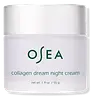
This anti-aging night moisturizer is formulated around Butyrospermum Parkii Butter and Cocoyl Hydrolyzed Collagen to soften the look of wrinkles and hydrate skin.
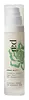
This anti-aging night moisturizer is formulated around Hexapeptide-11 and Hyaluronic Acid to soften the look of wrinkles and hydrate skin.

What's inside
What's inside
 Key Ingredients
Benefits
Concerns
Ingredients Side-by-side
Water
Skin ConditioningButyrospermum Parkii Butter
Skin Conditioning






Glycerin
Humectant
Coco-Caprylate/Caprate
Emollient
Diheptyl Succinate
EmollientPropanediol
Solvent
Capryloyl Glycerin/Sebacic Acid Copolymer
Skin ConditioningCetearyl Olivate
Squalane
Emollient
Cetyl Stearate
Emollient
Hydrogenated Starch Hydrolysate
HumectantMacadamia Ternifolia Seed Oil
Emollient
Sorbitan Olivate
Emulsifying
Behenyl Alcohol
Emollient
Carthamus Tinctorius Seed Oil
Masking
Myristyl Myristate
Emollient
Aphanizomenon Flos-Aquae Extract
HumectantCocoyl Hydrolyzed Collagen
Cleansing
Avena Sativa Kernel Flour
Abrasive

Andrographis Paniculata Leaf Extract
AstringentCistus Incanus Flower/Leaf/Stem Extract
Skin ConditioningLavandula Hybrida Extract
Emollient
Triheptanoin
Skin ConditioningOryza Sativa Bran Extract
Skin Conditioning
Rosmarinus Officinalis Leaf Extract
AntimicrobialHelianthus Annuus Extract
Emollient
Tocopherol
Antioxidant




Musa Sapientum Fruit Extract
Skin ConditioningHedera Helix Extract
AntimicrobialZiziphus Jujuba Fruit Extract
Skin ConditioningMelia Azadirachta Flower Extract
Skin ConditioningCoccinia Indica Fruit Extract
Skin Conditioning
Lavandula Angustifolia Oil
Masking


Sodium Hydroxide
BufferingPotassium Sorbate
Preservative
Caprylhydroxamic Acid
ChelatingCitric Acid
Buffering
Trisodium Ethylenediamine Disuccinate
ChelatingXanthan Gum
Emulsifying1,2-Hexanediol
Skin Conditioning
Phenoxyethanol
Preservative
Phenylpropanol
Masking
Parfum
Masking
Linalool
Perfuming
Limonene
Perfuming
Citral
Perfuming
Geraniol
Perfuming
Water, Butyrospermum Parkii Butter, Glycerin, Coco-Caprylate/Caprate, Diheptyl Succinate, Propanediol, Capryloyl Glycerin/Sebacic Acid Copolymer, Cetearyl Olivate, Squalane, Cetyl Stearate, Hydrogenated Starch Hydrolysate, Macadamia Ternifolia Seed Oil, Sorbitan Olivate, Behenyl Alcohol, Carthamus Tinctorius Seed Oil, Myristyl Myristate, Aphanizomenon Flos-Aquae Extract, Cocoyl Hydrolyzed Collagen, Avena Sativa Kernel Flour, Andrographis Paniculata Leaf Extract, Cistus Incanus Flower/Leaf/Stem Extract, Lavandula Hybrida Extract, Triheptanoin, Oryza Sativa Bran Extract, Rosmarinus Officinalis Leaf Extract, Helianthus Annuus Extract, Tocopherol, Musa Sapientum Fruit Extract, Hedera Helix Extract, Ziziphus Jujuba Fruit Extract, Melia Azadirachta Flower Extract, Coccinia Indica Fruit Extract, Lavandula Angustifolia Oil, Sodium Hydroxide, Potassium Sorbate, Caprylhydroxamic Acid, Citric Acid, Trisodium Ethylenediamine Disuccinate, Xanthan Gum, 1,2-Hexanediol, Phenoxyethanol, Phenylpropanol, Parfum, Linalool, Limonene, Citral, Geraniol
Water
Skin ConditioningChamomilla Recutita Flower Water
MaskingGlycerin
Humectant
Butyrospermum Parkii Butter
Skin Conditioning
Myristyl Myristate
Emollient
Hydrogenated Coco-Glycerides
Emollient
Coconut Alkanes
Emollient
Glyceryl Stearate Citrate
Emollient
Cetearyl Alcohol
Emollient
Simmondsia Chinensis Seed Oil
Emollient
Carthamus Tinctorius Seed Oil
Masking
Triisostearin
Skin Conditioning
Pentylene Glycol
Skin Conditioning
Xanthan Gum
EmulsifyingSodium Stearoyl Lactylate
EmulsifyingOlea Europaea Fruit Oil
Masking
Hydrolyzed Glycosaminoglycans
HumectantInulin
Skin Conditioning
Betaine
Humectant
Saccharide Isomerate
Humectant
Glyceryl Caprylate
EmollientHexapeptide-11
Skin Conditioning
Tapioca Starch
Magnolia Officinalis Bark Extract
Antimicrobial
Tocopherol
Antioxidant
Fructose
Humectant
Algin
MaskingLeuconostoc/Radish Root Ferment Filtrate
Antimicrobial
Xanthophylls
Skin ConditioningHyaluronic Acid
Humectant
Cedrus Atlantica Bark Oil
Masking
Sodium Citrate
BufferingCitric Acid
Buffering
Lavandula Angustifolia Oil
Masking
Pogostemon Cablin Leaf Oil
Masking
Gardenia Jasminoides Fruit Extract
Cosmetic ColorantRosa Damascena Flower Oil
Masking
Maltodextrin
Absorbent
Citronellol
Perfuming
Geraniol
Perfuming
Water, Chamomilla Recutita Flower Water, Glycerin, Butyrospermum Parkii Butter, Myristyl Myristate, Hydrogenated Coco-Glycerides, Coconut Alkanes, Glyceryl Stearate Citrate, Cetearyl Alcohol, Simmondsia Chinensis Seed Oil, Carthamus Tinctorius Seed Oil, Triisostearin, Pentylene Glycol, Xanthan Gum, Sodium Stearoyl Lactylate, Olea Europaea Fruit Oil, Hydrolyzed Glycosaminoglycans, Inulin, Betaine, Saccharide Isomerate, Glyceryl Caprylate, Hexapeptide-11, Tapioca Starch, Magnolia Officinalis Bark Extract, Tocopherol, Fructose, Algin, Leuconostoc/Radish Root Ferment Filtrate, Xanthophylls, Hyaluronic Acid, Cedrus Atlantica Bark Oil, Sodium Citrate, Citric Acid, Lavandula Angustifolia Oil, Pogostemon Cablin Leaf Oil, Gardenia Jasminoides Fruit Extract, Rosa Damascena Flower Oil, Maltodextrin, Citronellol, Geraniol
Ingredients Explained
These ingredients are found in both products.
Ingredients higher up in an ingredient list are typically present in a larger amount.
This ingredient is also known as shea butter. It is a plant-derived extract from the nuts of the Africa shea tree and one of the most well-studied emollients.
Because it has a high concentration of fatty acids (primarily oleic, stearic, and linoleic) it is able to form a protective barrier on the skin's surface. This helps seal in moisture and prevents transepidermal water loss (TEWL).
In vitro research found an increase in skin hydration by 58% and a decrease in TEWL by 37.8% after 24 hours of applying this ingredient (pretty impressive for a single ingredient!).
Besides hydration, shea butter also contains triterpenes that have anti-inflammatory potential. In particule, lupeol cinnamate has shown the highest anti-inflammatory activity in vivo.
Shea butter also contains vitamins A and E which may contribute to antioxidant activity.
While Shea Butter has an SPF rating of about 3-4, it is not a sunscreen replacement.
This ingredient may not be fungal acne safe because its fatty acids fall within the C11-C24 range that the Malassezia yeast can metabolize.
This ingredient shows up on a lot of "pore-clogging" lists but there's no real evidence behind that. It doesn't even have a comedogenic rating from an actual study; the numbers you'll find online come from blogs citing other blogs.
Ratings for other ingredients mostly come from a 1980s rabbit ear test. This test doesn't translate well to human skin or to real products because the ingredient sits at a much lower percentage.
Some people still find it breaks them out. So if that's you, definitely trust your skin. Just know this one's based on experience and not evidence.
Learn more about Butyrospermum Parkii ButterCarthamus Tinctorius Seed Oil comes from the seeds of the safflower plant. It is a skin conditioning agent that helps soften skin and keep it hydrated.
This seed oil has an unusual fatty acid profile: it is one of the highest linoleic acid plant oils out there (~55-77%). It also has low amounts of oleic acid, and this high-linoleic/low-oleic ratio gets people excited.
Linoleic acid helps maintain skin barrier integrity and is a building block for the ceramides in your stratum corneum. Notably, people with acne tend to have lower linoleic acid in their skin lipids as well (and this gets worse as acne gets more severe).
Overall, it's a lightweight, fast-absorbing oil that has a long safety track record. Lab testing has found it to be non-irritating for skin or eyes.
The Malassezia yeast can metabolize the fatty acids in this oil to grow; therefore this ingredient may not be fungal acne safe.
Learn more about Carthamus Tinctorius Seed OilCitric Acid is an alpha hydroxy acid (AHA) naturally found in citrus fruits like oranges, lemons, and limes.
Like other AHAs, citric acid can exfoliate skin by breaking down the bonds that hold dead skin cells together. This helps reveal smoother and brighter skin underneath.
However, this exfoliating effect only happens at high concentrations (20%) which can be hard to find in cosmetic products.
Due to this, citric acid is usually included in small amounts as a pH adjuster. This helps keep products slightly more acidic and compatible with skin's natural pH.
In skincare formulas, citric acid can:
While it can provide some skin benefits, research shows lactic acid and glycolic acid are generally more effective and less irritating exfoliants.
Most citric acid used in skincare today is made by fermenting sugars (usually from molasses). This synthetic version is identical to the natural citrus form but easier to stabilize and use in formulations.
Rosacea skin has a lower threshold for acids generally, with 62.5% of rosacea subjects in one study reacting to lactic acid in a sting test. This is why we mark citric acid as a potential rosacea trigger.
However, this ingredient shows up as a pH adjuster or chelator at roughly 0.1-1% in many products. These low levels are unlikely to be an issue for rosacea skin and becomes a potential trigger at exfoliating concentrations (20%). Because everybody's skin is unique, we recommend a patch test if you are unsure.
Learn more about Citric AcidGeraniol is used to add fragrance/parfum to a product. It is the main component of citronellol. It is a monoterpenoid and an alcohol.
Monoterpenes are naturally found in many parts of different plants.
Geraniol can be found in many essential oils including Rose Oil and Citronella Oil. The scent of Geraniol is often described as "rose-like". Many foods also contain Geraniol for fruit flavoring.
Geraniol can irritate the skin when exposed to air. However, irritation depends on the ability of geraniol to penetrate into the skin. In general, geraniol is not able to penetrate skin easily.
Geraniol is colorless and has low water-solubility. However, it is soluble in common organic solvents.
Like citronellol, it is a natural insect repellent.
2,6-Octadien-1-ol, 3,7-dimethyl-, (2E)-
Learn more about GeraniolGlycerin (or glycerol) is a compound naturally found in your skin. It's a powerhouse humectant that pulls water into the stratum corneum.
Topically, glycerin does several things at once:
Your skin makes glycerin on its own (mostly from sebaceous oil breakdown) and shuttles it to your outermost layer of skin, or your epidermis, via aquaporin-3.
Aquaporin-3 is a transporter that is essential for normal skin hydration, elasticity, and repair. Interestingly, mice lacking in AQP3 have dry and less elastic skin that can be fully corrected with glycerin.
This ingredient is non-irritating, plays well with almost every ingredient, and works across all skin types. Typical use is anywhere between 3-10% but can go up to 79% in some leave-on products.
Just know very high concentrations (>40%) can feel tacky in low humidity.
Glycerin is the name for this ingredient in American English. British English uses Glycerol/Glycerine.
Learn more about GlycerinLavandula Angustifolia Oil is more commonly known as lavender essential oil. It is considered a fragrancing ingredient.
Lavender imparts a famous scent. While the smell is lovely, this ingredient and may sensitize skin in topical products. This is because about 85% of the oil is made up of linalool and linalyl acetate.
When exposed to air, these two compounds become strong allergens. This ingredient exhibits cytotoxicity at low concentrations; amounts of 0.25% have been shown to damage skin cells.
A study from Japan found this ingredient caused lavender sensitivity after widespread exposure.
Lavender essential oil has some antimicrobial, antibacterial, and anti-inflammatory properties. However, the cons of this ingredient may outweight the pros.
More research is needed to confirm lavender essential oil's effects when used in aromatherapy.
Lavandula Angustifolia is known as the English Lavender and famous for creating purple fields in Provence, France.
Learn more about Lavandula Angustifolia OilMyristyl Myristate is a waxy ester made by combining myristyl alcohol and myristic acid (both from plant oils from coconut or palm).
It's a non-greasy emollient that melts right around skin temperature. It gives products a soft and velvet feel and helps improve how a cream spreads.
Safety-wise, it's deemed safe to use in cosmetics by the Cosmetic Ingredient Review Expert Panel. Dermal animal testing found it to be non-toxic and non-irritating.
This ingredient has a comedogenic reputation; it's important to know comedogenic ratings come from outdated rabbit ear tests. Rabbit ears are way more sensitive than human skin and prone to clogging. How likely a formula will clog pores depends on the overall formulation rather than a few comedogenic ingredients.
Because this ingredient is an ester of Myristic acid, it may not be fungal acne safe. Myristic acid is a C14 fatty acid that sits in the C11-24 range that feeds the Malassezia yeast.
Learn more about Myristyl MyristateTocopherol is a fat-soluble antioxidant known as Vitamin E.
You'll find this ingredient in the vast majority of skincare (for good reason). It works to neutralize free radicals, or unstable molecules generated by UV exposure, pollution, and other environmental stressors, before they can cause oxidative damage to your skin cells.
Topically applied tocopherol has been shown to protect against UV damage by ramping up the skin's own natural defense enzymes.
It also acts as a skin conditioning agent; some studies show that regular topical use can improve the skin's water-binding capacity over 2-4 weeks.
This ingredient is especially loved for being a team player. When combined with Vitamin C, the photoprotective effect of both ingredients roughly doubles and the combo also helps reduce UV-induced DNA damage.
This ingredient has some brightening potential but it's more of a prevention ingredient than spot-fader. Cell studies show it can slow down melanin production but it's worth noting that it's not the most powerful brightener out there.
In formulations, it also serves as a stabilizer that helps protect other oxidation-prone ingredients from degrading.
Concentrations usually range from 0.1-1% in most leave-on products.
Learn more about TocopherolWater. It's the most common cosmetic ingredient of all. You'll usually see it at the top of ingredient lists, meaning that it makes up the largest part of the product.
So why is it so popular? Water most often acts as a solvent - this means that it helps dissolve other ingredients into the formulation.
You'll also recognize water as that liquid we all need to stay alive. If you see this, drink a glass of water. Remember to stay hydrated!
Learn more about WaterXanthan gum is used as a stabilizer and thickener within cosmetic products. It helps give products a sticky, thick feeling - preventing them from being too runny.
On the technical side of things, xanthan gum is a polysaccharide - a combination consisting of multiple sugar molecules bonded together.
Xanthan gum is a pretty common and great ingredient. It is a natural, non-toxic, non-irritating ingredient that is also commonly used in food products.
Learn more about Xanthan Gum

