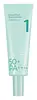
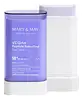
Numbuzin No.1 Clear Filter Sun Essence SPF50+ PA++++ Versus Mary & May Vegan Peptide Bakuchiol Sun Stick SPF 50+ PA++++
This chemical sunscreen covers the full UV range and blocks ~98% of UVB at SPF 50.
This hybrid sunscreen covers the full UV range and blocks ~98% of UVB at SPF 50.

What's inside
What's inside
 Key Ingredients
Benefits
Concerns
Ingredients Side-by-side
Glycyrrhiza Glabra Root Water 20.55%
Antioxidant
Centella Asiatica Extract 15%
Cleansing





Houttuynia Cordata Extract 14.25%
Skin Conditioning
Water
Skin ConditioningDibutyl Adipate
EmollientPropanediol
Solvent
Butyloctyl Salicylate
Skin Conditioning

Ethylhexyl Triazone
UV Absorber
Terephthalylidene Dicamphor Sulfonic Acid
UV Absorber
Polymethylsilsesquioxane

Niacinamide
Smoothing





Tromethamine
BufferingPolyglyceryl-3 Distearate
Emulsifying

1,2-Hexanediol
Skin Conditioning
Pentylene Glycol
Skin Conditioning
Diethylamino Hydroxybenzoyl Hexyl Benzoate
UV Filter
Cetearyl Alcohol
Emollient




Caprylyl Methicone
Skin Conditioning
Polysilicone-15
UV Filter
Melia Azadirachta Leaf Extract
Skin ConditioningCoccinia Indica Fruit Extract
Skin Conditioning
Eclipta Prostrata Extract
Skin Conditioning
Melia Azadirachta Flower Extract
Skin ConditioningAnastatica Hierochuntica Extract
AstringentHyacinthus Orientalis Extract
Skin ConditioningPolygonatum Officinale Rhizome/Root Extract
Skin ConditioningLycium Chinense Fruit Extract
Antioxidant
Velvet Extract
HumectantOphiopogon Japonicus Root Extract
Skin ConditioningPolygonum Multiflorum Root Extract
Skin ConditioningAstragalus Membranaceus Root Extract
Emollient
Atractylodes Lancea Root Extract
Skin ConditioningLaminaria Japonica Extract
Skin Protecting
Ulmus Davidiana Root Extract
Skin Conditioning
Aloe Barbadensis Leaf Extract
Emollient
Viola Mandshurica Flower Extract
Antioxidant
Dioscorea Japonica Root Extract
Skin Conditioning
Sodium Hyaluronate
Humectant
Glyceryl Stearate
Emollient
Bis-Ethylhexyloxyphenol Methoxyphenyl Triazine
UV Absorber
Potassium Cetyl Phosphate
EmulsifyingButylene Glycol
Humectant
Methylpropanediol
SolventCarbomer
Emulsion StabilisingAcrylates/C10-30 Alkyl Acrylate Crosspolymer
Emulsion StabilisingGlyceryl Stearate Citrate
Emollient
Ethylhexylglycerin
Skin ConditioningXanthan Gum
EmulsifyingAdenosine
Skin Conditioning
Polyether-1
Madecassoside
Antioxidant
Biosaccharide Gum-1
Humectant
Glycerin
Humectant
Dimethylsilanol Hyaluronate
Humectant
Hydrolyzed Sodium Hyaluronate
Skin Conditioning
Hydrolyzed Hyaluronic Acid
Humectant
Potassium Hyaluronate
Skin ConditioningHyaluronic Acid
Humectant
Sodium Hyaluronate Crosspolymer
Humectant
Hydroxypropyltrimonium Hyaluronate
Sodium Hyaluronate Dimethylsilanol
HumectantSodium Acetylated Hyaluronate
Humectant
Glycyrrhiza Glabra Root Water 20.55%, Centella Asiatica Extract 15%, Houttuynia Cordata Extract 14.25%, Water, Dibutyl Adipate, Propanediol, Butyloctyl Salicylate, Ethylhexyl Triazone, Terephthalylidene Dicamphor Sulfonic Acid, Polymethylsilsesquioxane, Niacinamide, Tromethamine, Polyglyceryl-3 Distearate, 1,2-Hexanediol, Pentylene Glycol, Diethylamino Hydroxybenzoyl Hexyl Benzoate, Cetearyl Alcohol, Caprylyl Methicone, Polysilicone-15, Melia Azadirachta Leaf Extract, Coccinia Indica Fruit Extract, Eclipta Prostrata Extract, Melia Azadirachta Flower Extract, Anastatica Hierochuntica Extract, Hyacinthus Orientalis Extract, Polygonatum Officinale Rhizome/Root Extract, Lycium Chinense Fruit Extract, Velvet Extract, Ophiopogon Japonicus Root Extract, Polygonum Multiflorum Root Extract, Astragalus Membranaceus Root Extract, Atractylodes Lancea Root Extract, Laminaria Japonica Extract, Ulmus Davidiana Root Extract, Aloe Barbadensis Leaf Extract, Viola Mandshurica Flower Extract, Dioscorea Japonica Root Extract, Sodium Hyaluronate, Glyceryl Stearate, Bis-Ethylhexyloxyphenol Methoxyphenyl Triazine, Potassium Cetyl Phosphate, Butylene Glycol, Methylpropanediol, Carbomer, Acrylates/C10-30 Alkyl Acrylate Crosspolymer, Glyceryl Stearate Citrate, Ethylhexylglycerin, Xanthan Gum, Adenosine, Polyether-1, Madecassoside, Biosaccharide Gum-1, Glycerin, Dimethylsilanol Hyaluronate, Hydrolyzed Sodium Hyaluronate, Hydrolyzed Hyaluronic Acid, Potassium Hyaluronate, Hyaluronic Acid, Sodium Hyaluronate Crosspolymer, Hydroxypropyltrimonium Hyaluronate, Sodium Hyaluronate Dimethylsilanol, Sodium Acetylated Hyaluronate
Cetyl Ethylhexanoate
EmollientMethyl Methacrylate Crosspolymer
Butylene Glycol Dicaprylate/Dicaprate
EmollientSynthetic Wax
Abrasive
Vinyl Dimethicone/Methicone Silsesquioxane Crosspolymer
Isopropyl Palmitate
Emollient
Dicaprylyl Carbonate
EmollientButyloctyl Salicylate
Skin Conditioning
Diethylamino Hydroxybenzoyl Hexyl Benzoate
UV Filter
Ethylhexyl Triazone
UV Absorber
Ozokerite
Emulsion StabilisingPolysilicone-15
UV Filter
Bis-Ethylhexyloxyphenol Methoxyphenyl Triazine
UV Absorber
Bakuchiol
Antimicrobial
Vinyldimethicone
Titanium Dioxide
Cosmetic Colorant
Glyceryl Caprylate
EmollientCaprylyl Glycol
Emollient
Polyglyceryl-4 Diisostearate/Polyhydroxystearate/Sebacate
Emulsifying
Coco-Caprylate/Caprate
Emollient
Ethylhexylglycerin
Skin ConditioningPolyhydroxystearic Acid
Emulsifying
Triethoxycaprylylsilane
Aluminum Hydroxide
EmollientTocopherol
Antioxidant
Butylene Glycol
Humectant
Water
Skin Conditioning1,2-Hexanediol
Skin Conditioning
Polyglyceryl-10 Laurate
Skin Conditioning
Acetyl Hexapeptide-8
Humectant
Acetyl Octapeptide-3
Humectant
Nonapeptide-1
Skin Conditioning
Dipeptide-2
Skin Conditioning
Dipeptide-4
Skin Conditioning
Acetyl Tetrapeptide-2
Skin Conditioning
Acetyl Tetrapeptide-3
Skin Protecting
Acetyl Tetrapeptide-5
Humectant
Acetyl Tripeptide-1
Skin Conditioning
Alanine/Histidine/Lysine Polypeptide Copper Hcl
Skin Conditioning
Oligopeptide-6
Skin Conditioning
Copper Tripeptide-1
Skin Conditioning
Tripeptide-1
Skin Conditioning
Tripeptide-2
Skin Conditioning
Tripeptide-3
Skin Conditioning
Pentapeptide-3
Skin Conditioning
Hexapeptide-2
Bleaching
Hexapeptide-9
Skin Conditioning
Dipeptide Diaminobutyroyl Benzylamide Diacetate
Skin Conditioning
Palmitoyl Dipeptide-7
Skin Conditioning
Palmitoyl Tetrapeptide-7
Skin Conditioning
Palmitoyl Tripeptide-1
Skin Conditioning
Palmitoyl Tripeptide-5
Skin Conditioning
Palmitoyl Pentapeptide-4
Skin Conditioning
Palmitoyl Hexapeptide-12
Skin Conditioning
Aroma


Ultramarines
Cetyl Ethylhexanoate, Methyl Methacrylate Crosspolymer, Butylene Glycol Dicaprylate/Dicaprate, Synthetic Wax, Vinyl Dimethicone/Methicone Silsesquioxane Crosspolymer, Isopropyl Palmitate, Dicaprylyl Carbonate, Butyloctyl Salicylate, Diethylamino Hydroxybenzoyl Hexyl Benzoate, Ethylhexyl Triazone, Ozokerite, Polysilicone-15, Bis-Ethylhexyloxyphenol Methoxyphenyl Triazine, Bakuchiol, Vinyldimethicone, Titanium Dioxide, Glyceryl Caprylate, Caprylyl Glycol, Polyglyceryl-4 Diisostearate/Polyhydroxystearate/Sebacate, Coco-Caprylate/Caprate, Ethylhexylglycerin, Polyhydroxystearic Acid, Triethoxycaprylylsilane, Aluminum Hydroxide, Tocopherol, Butylene Glycol, Water, 1,2-Hexanediol, Polyglyceryl-10 Laurate, Acetyl Hexapeptide-8, Acetyl Octapeptide-3, Nonapeptide-1, Dipeptide-2, Dipeptide-4, Acetyl Tetrapeptide-2, Acetyl Tetrapeptide-3, Acetyl Tetrapeptide-5, Acetyl Tripeptide-1, Alanine/Histidine/Lysine Polypeptide Copper Hcl, Oligopeptide-6, Copper Tripeptide-1, Tripeptide-1, Tripeptide-2, Tripeptide-3, Pentapeptide-3, Hexapeptide-2, Hexapeptide-9, Dipeptide Diaminobutyroyl Benzylamide Diacetate, Palmitoyl Dipeptide-7, Palmitoyl Tetrapeptide-7, Palmitoyl Tripeptide-1, Palmitoyl Tripeptide-5, Palmitoyl Pentapeptide-4, Palmitoyl Hexapeptide-12, Aroma, Ultramarines
Reviews
Ingredients Explained
These ingredients are found in both products.
Ingredients higher up in an ingredient list are typically present in a larger amount.
1,2-Hexanediol is a synthetic liquid and another multi-functional powerhouse.
It is a:
- Humectant, drawing moisture into the skin
- Emollient, helping to soften skin
- Solvent, dispersing and stabilizing formulas
- Preservative booster, enhancing the antimicrobial activity of other preservatives
This ingredient is better known as bemotrizinol or Tinosorb S and is one of the best broad-spectrum UV filters in modern sunscreen.
It works by absorbing UV light across a whole range (280-400 nm) with peaks around 310 nm (UVB) and 340-345 nm (UVA). This means it covers UVB plus the deeper UVA wavelengths that drive photoaging and pigmentation.
Another pro?
It's exceptionally photostable, barely degrades in sunlight, and acts as a "bodyguard" for less stable filters.
That's why you'll see it paired with avobenzone or octinoxate; this team up ensures they keep working through sun exposure.
Safety reviews have been reassuring across the board. This ingredient shows low absorption through the skin, rarely irritates, and lab studies found it doesn't act like a hormone in the body (a concern that's been raised about some older sunscreen filters).
On maximum concentrations:
In 2026, the US F.D.A finally added it as an OTC sunscreen ingredient at concentrations up to 6% for adults / children 6 months and older
Learn more about Bis-Ethylhexyloxyphenol Methoxyphenyl TriazineButylene Glycol (or BG) is used within cosmetic products for a few different reasons:
Overall, Butylene Glycol is a safe and well-rounded ingredient that works well with other ingredients.
Though this ingredient works well with most skin types, some people with sensitive skin may experience a reaction such as allergic rashes, closed comedones, or itchiness.
Learn more about Butylene GlycolButyloctyl Salicylate is a chemical UV filter structurally similar to octisalate. It is a photostabilizer, SPF booster, emollient and solvent. This ingredient helps evenly spread out ingredients.
According to a manufacturer, it is suitable for pairing with micro Titanium Dioxide, Zinc Oxide, and pigments.
Photostabilizers help stabilize UV-filters and prevents them from degrading quickly.
Learn more about Butyloctyl SalicylateDiethylamino Hydroxybenzoyl Hexyl Benzoate (DHHB) is a chemical UV-A absorber. It is formulated for high UVA protection (320-400 nm).
DHHB is well-liked for:
DHHB has been approved by the EU, Japan, Taiwan, and South America for use up to 10%. Unfortunately, it has not been approved for use in the US or Canada due to slow regulatory processes.
This ingredient is soluble in oils, fats, and lipids.
Learn more about Diethylamino Hydroxybenzoyl Hexyl BenzoateEthylhexyl Triazone (aka Octyl Triazone) is an oil-soluble organic UVB filter. It has peak absorption around 314 nm, right in the middle of the UVB range.
This ingredient is described as one of the most effective UVB filters available and small concentrations are enough to deliver a high SPF thanks to its strong UV absorbing power.
Formulators love it for its stability; its ability to filter UV stays practically unchanged even under intense radiation and it can also help boost the photostability of less stable filters like avobenzone.
It's also a great pick for water resistant products because it's insoluble in water and has a good affinity for keratin.
Because it's a big, heavy molecule, the European Scientific Committee has found to to have very low dermal penetration and negative results for allergenicity.
In vitro testing also showed a low absorption rate and clean results on irritation.
Typical use levels are 1-5% with 5% being the maximum in the EU, Japan, and other markets that allow it. However, this ingredient is not approved yet in the US or Canada.
Learn more about Ethylhexyl TriazoneEthylhexylglycerin is created from glycerin. It is a multitasker ingredient that:
The CIR Expert Panel found minimal skin absorption or sensitization of any kind in a safety assessment. Though this ingredient is considered well-tolerated, a small number of cases of allergic dermatitis have been published since 2002. Just be sure to patch test if you are unsure.
Industry-reported use ranges from 8% in rinse-off products and 2% in leave-on formulations.
Learn more about EthylhexylglycerinPolysilicone-15 (trade name: Parsol SLX) is a silicone-based UVB filter that soaks up UVB light (~280-320nm) with a peak around 310nm.
It's a fairly modest sunscreen filter so formulators mostly use it as an SPF booster and "light stabilizer". This just means it helps keep other light-sensitive ingredients from breaking down in sunlight.
A 2007 study measured the in-vitro SPF of 18 filters and found Polysilicone-15 contributed an SPF of about 3.64 at its maximum legal concentration (though worth noting its maker points out that in-vitro tests tend to underestimate its real performance because of its large polymeric structure).
Usage levels vary; it's approved up to 10% as a UV filter in the EU, China, Japan, Australia, ASEAN, and Mercosur countries. In the US, it's only permitted up to 1% as a light stabilizer because the FDA hasn't reviewed it as a sunscreen active.
Typical use levels range from 1-3%.
The EU's scientific committee concluded that this ingredient is safe for use as a UV absorber up to 10%, and tests came back negative for irritation, phototoxicity, and photoallergy.
There is one case of allergic lip inflammation from a lip balm with this ingredient, though this is rare.
Learn more about Polysilicone-15Water. It's the most common cosmetic ingredient of all. You'll usually see it at the top of ingredient lists, meaning that it makes up the largest part of the product.
So why is it so popular? Water most often acts as a solvent - this means that it helps dissolve other ingredients into the formulation.
You'll also recognize water as that liquid we all need to stay alive. If you see this, drink a glass of water. Remember to stay hydrated!
Learn more about Water

