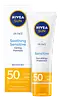
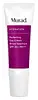
Nivea Sun Soothing Sensitive Sun Lotion SPF50+ Versus Murad Perfecting Day Cream Broad Spectrum SPF 30 | PA+++
This chemical sunscreen covers the full UV range and blocks ~98% of UVB at SPF 50.
This barrier-repair day moisturizer is formulated around Urea and Sodium Hyaluronate to strengthen the skin barrier and hydrate skin.


What's inside
What's inside
 Key Ingredients
Benefits
Concerns
Ingredients Side-by-side
Water
Skin ConditioningHomosalate
Skin Conditioning

Alcohol Denat.
Antimicrobial




Butyl Methoxydibenzoylmethane
UV Absorber
Bis-Ethylhexyloxyphenol Methoxyphenyl Triazine
UV Absorber
Hexyl Salicylate
Masking

Dibutyl Adipate
EmollientEthylhexyl Triazone
UV Absorber
Copernicia Cerifera Wax

Panthenol
Skin Conditioning




Glycerin
Humectant
Silica
Abrasive


Vp/Hexadecene Copolymer
Microcrystalline Cellulose
AbsorbentSucrose Polystearate
EmollientTetrasodium Iminodisuccinate
ChelatingCellulose Gum
Emulsion StabilisingButylene Glycol Dicaprylate/Dicaprate
EmollientDistarch Phosphate
AbsorbentPhenylbenzimidazole Sulfonic Acid
UV Absorber
Polyglyceryl-4 Isostearate
Emulsifying
Acrylates/C10-30 Alkyl Acrylate Crosspolymer
Emulsion StabilisingSodium Stearoyl Glutamate
CleansingEthylhexylglycerin
Skin ConditioningCaprylyl Glycol
Emollient
Hydrogenated Polyisobutene
EmollientTrisodium EDTA
ChelatingXanthan Gum
EmulsifyingSodium Hydroxide
BufferingSimmondsia Chinensis Seed Oil
Emollient
Tocopheryl Acetate
Antioxidant


Aloe Barbadensis Leaf Juice Powder
Skin Conditioning
Sodium Chloride
MaskingWater, Homosalate, Alcohol Denat., Butyl Methoxydibenzoylmethane, Bis-Ethylhexyloxyphenol Methoxyphenyl Triazine, Hexyl Salicylate, Dibutyl Adipate, Ethylhexyl Triazone, Copernicia Cerifera Wax, Panthenol, Glycerin, Silica, Vp/Hexadecene Copolymer, Microcrystalline Cellulose, Sucrose Polystearate, Tetrasodium Iminodisuccinate, Cellulose Gum, Butylene Glycol Dicaprylate/Dicaprate, Distarch Phosphate, Phenylbenzimidazole Sulfonic Acid, Polyglyceryl-4 Isostearate, Acrylates/C10-30 Alkyl Acrylate Crosspolymer, Sodium Stearoyl Glutamate, Ethylhexylglycerin, Caprylyl Glycol, Hydrogenated Polyisobutene, Trisodium EDTA, Xanthan Gum, Sodium Hydroxide, Simmondsia Chinensis Seed Oil, Tocopheryl Acetate, Aloe Barbadensis Leaf Juice Powder, Sodium Chloride
Butyl Methoxydibenzoylmethane
UV Absorber
Homosalate 2%
Skin Conditioning
Ethylhexyl Methoxycinnamate 7.5%
UV Absorber
Ethylhexyl Salicylate 5%
UV Absorber
Benzophenone-3 4%
UV Absorber
Water
Skin ConditioningButylene Glycol
Humectant
Pentylene Glycol
Skin Conditioning
Glyceryl Stearate
Emollient
PEG-100 Stearate
Surfactant
Diisopropyl Sebacate
EmollientIsodecyl Neopentanoate
EmollientLauryl Lactate
EmollientStearic Acid
Cleansing
Sorbitan Stearate
Emulsifying
Urea
Buffering

Yeast Amino Acids
HumectantTrehalose
Humectant
Inositol
Humectant
Taurine
BufferingBetaine
Humectant
Phospholipids
Skin Conditioning
Retinyl Palmitate
Skin Conditioning

Tocopheryl Acetate
Antioxidant
Ascorbyl Palmitate
Antioxidant
Cetearyl Alcohol
Emollient

Ceteareth-20
Cleansing
Citrus Medica Limonum Peel Extract
EmollientCalendula Officinalis Flower Extract
Masking
Glycolipids
Skin ConditioningSodium Hyaluronate
Humectant
Lecithin
Emollient
Tocopherol
Antioxidant
Hydrogen Peroxide
AntimicrobialDipotassium Glycyrrhizate
Humectant
Punica Granatum Extract
AstringentMagnesium Ascorbyl Phosphate
Antioxidant
Hydrolyzed Soy Flour
Skin ConditioningAvena Sativa Kernel Protein
Skin ConditioningPalmitoyl Hydroxypropyltrimonium Amylopectin/Glycerin Crosspolymer
Skin ConditioningVitis Vinifera Seed Extract
Antimicrobial
Camellia Sinensis Leaf Extract
Antimicrobial
Oenothera Biennis Oil
Emollient
Borago Officinalis Seed Oil
Emollient
Sodium PCA
Humectant
Dimethicone
Emollient
Propylene Glycol
Humectant
Carbomer
Emulsion StabilisingSclerotium Gum
Emulsion StabilisingAminomethyl Propanol
BufferingChlorphenesin
Antimicrobial
Phenoxyethanol
Preservative
Methylparaben
Preservative
Propylparaben
Preservative
Disodium EDTA
ChelatingLinalool
Perfuming
Lavandula Angustifolia Oil
Masking
Butyl Methoxydibenzoylmethane, Homosalate 2%, Ethylhexyl Methoxycinnamate 7.5%, Ethylhexyl Salicylate 5%, Benzophenone-3 4%, Water, Butylene Glycol, Pentylene Glycol, Glyceryl Stearate, PEG-100 Stearate, Diisopropyl Sebacate, Isodecyl Neopentanoate, Lauryl Lactate, Stearic Acid, Sorbitan Stearate, Urea, Yeast Amino Acids, Trehalose, Inositol, Taurine, Betaine, Phospholipids, Retinyl Palmitate, Tocopheryl Acetate, Ascorbyl Palmitate, Cetearyl Alcohol, Ceteareth-20, Citrus Medica Limonum Peel Extract, Calendula Officinalis Flower Extract, Glycolipids, Sodium Hyaluronate, Lecithin, Tocopherol, Hydrogen Peroxide, Dipotassium Glycyrrhizate, Punica Granatum Extract, Magnesium Ascorbyl Phosphate, Hydrolyzed Soy Flour, Avena Sativa Kernel Protein, Palmitoyl Hydroxypropyltrimonium Amylopectin/Glycerin Crosspolymer, Vitis Vinifera Seed Extract, Camellia Sinensis Leaf Extract, Oenothera Biennis Oil, Borago Officinalis Seed Oil, Sodium PCA, Dimethicone, Propylene Glycol, Carbomer, Sclerotium Gum, Aminomethyl Propanol, Chlorphenesin, Phenoxyethanol, Methylparaben, Propylparaben, Disodium EDTA, Linalool, Lavandula Angustifolia Oil
Reviews
Ingredients Explained
These ingredients are found in both products.
Ingredients higher up in an ingredient list are typically present in a larger amount.
Also known as Avobenzone, this ingredient is an oil-soluble used to absorb the full spectrum of UVA rays (peak 357 nm).
It's one of the most effective UVA filters available but has a major caveat of photostability: avobenzone is susceptible to photodegradation.
This means it can lose efficacy when exposed to sunlight without the help of a stabilizing agent.
Studies show antioxidants (like vitamin E or vitamin C) and some UV filters (like octocrylene and Tinosorb S) can meaningfully improve its stability in a formulation.
The maximum allowable concentration according to regulation is 3% in the US + Canada, and 5% in the EU, Australia, China, Korea, and ASEAN countries.
It has a well-support safety profile: a comprehensive 2025 review found minimal toxicity with no evidence of carcinogenicity.
Overall, avobenzone is a safe and regulated ingredient used in sunscreen for over 40 years.
Learn more about Butyl MethoxydibenzoylmethaneHomosalate is an oil-soluble organic UVB filter that has been a sunscreen staple for decades. Its job is to absorb UVB rays (~295-315 nm) and protect your skin against sunburn,
This is one of the more photostable organic UV filters; it holds up pretty well under UV and a 2022 quantum-chemistry study found it stays stable in sunlight.
It's actually so reliable that formulators often pair it with shakier ingredients like oxybenzone and avobenzone. Formulators also use it to help dissolve the other UV filters into the oil phase.
One thing to keep in mind: "stable" isn't the same as "strong". On its own, homosalate is actually a pretty weak UV filter so it's better off as a helpful team player that helps boost overall SPF protection.
The safety picture is a bit nuanced but not scary.
This ingredient has a long track record of being gentle and regulators agree it isn't an irritant; EU's Scientific Committee on Consumer Safety found that homosalate is not considered a skin irritant and doesn't raise eye-irritation flags either.
There's talk about homosalate because your skin absorbs a little bit of it into your bloodstream. A 2020 FDA-backed study found homosalate showed up in people's blood levels at the level where the FDA decides to double check.
The EU's Scientific Committee on Consumer Safety (SCCS) also found small amounts in blood and breast milk. They estimated that about 5% of what you apply gets absorbed through the skin.
Due to the debate about whether it might mess with hormones, the SCCS recommended a maximum limit of 0.5% in most products of 7.3% in face creams/pump sprays.
One important thing to keep in mind: in the US, Homosalate is currently labeled "non-GRASE" by the FDA. This sounds alarming but really just means the FDA wants more data to confirm it's safe. It's not confidently saying this ingredient is harmful.
As of now, homosalate is still completely legal and widely used while that research gets done.
The current maximum limits are:
Learn more about HomosalateTocopheryl Acetate is a stable, shelf-friendly form of vitamin E.
Formulators love it because plain vitamin E oxidizes quickly once it hits air. This acetate version stays stable and resists going off, helping to extend a product's shelf life.
It's actually inactive on its own and works like a slow-release "storage" form; the enzymes in your skin called esterases gradually convert it into active vitamin E over time.
One in vivo study showed 5% of the acetate in the living layer of the epidermis converted to vitamin E after 5 days of application. This study also found the skin gained protection against UV damage even though the conversion was slow and small.
Once converted, vitamin E acts as a skin's main fat-soluble antioxidant that fights free radicals to protect skin from damage.
Topical vitamin E generally boosts the skin's photoprotection, and it reduced UV-damage in animal models.
This ingredient has some brightening potential but it's more of a prevention ingredient than spot-fader. Cell studies show it can slow down melanin production but it's worth noting that it's not the most powerful brightener out there.
Overall, it has a pretty solid safety profile and has been found to be non-irritating and non-comedogenic. Allergic reactions may happen but stay rare due to how widely the ingredient gets used.
The concentration will vary depending on the formula; industry data shows 0.1% in baby lotions, 3% in lipsticks, and 5% in foot powders. You can also find this ingredient at 100% in a pure vitamin E oil.
Most leave-on skincare keeps it at the lower end, often between 0.5-1%.
Learn more about Tocopheryl AcetateWater. It's the most common cosmetic ingredient of all. You'll usually see it at the top of ingredient lists, meaning that it makes up the largest part of the product.
So why is it so popular? Water most often acts as a solvent - this means that it helps dissolve other ingredients into the formulation.
You'll also recognize water as that liquid we all need to stay alive. If you see this, drink a glass of water. Remember to stay hydrated!
Learn more about Water

