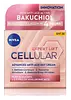
Nivea Cellular Expert Lift Pure Bakuchiol Anti-Age Day Cream SPF30 Versus La Prairie Life Matrix Haute Rejuvenation Cream
This anti-aging day moisturizer is formulated around Bakuchiol and Sodium Hyaluronate to soften the look of wrinkles and hydrate skin.
This anti-aging moisturizer is formulated around Panax Ginseng Root Extract and Lactobacillus Ferment to soften the look of wrinkles and strengthen the skin barrier.


What's inside
What's inside
 Key Ingredients
Benefits
Concerns
Ingredients Side-by-side
Water
Skin ConditioningGlycerin
Humectant


Methylpropanediol
SolventTapioca Starch
Ethylhexyl Salicylate
UV Absorber

Butyl Methoxydibenzoylmethane
UV Absorber
Dicaprylyl Carbonate
EmollientBis-Ethylhexyloxyphenol Methoxyphenyl Triazine
UV Absorber
Cetearyl Alcohol
Emollient






Ethylhexyl Stearate
Emollient
Phenylbenzimidazole Sulfonic Acid
UV Absorber
Ethylhexyl Triazone
UV Absorber
Glyceryl Stearate
Emollient
Behenyl Alcohol
Emollient
Triisostearin
Skin Conditioning
Bakuchiol
Antimicrobial








Creatine
Skin Conditioning1-Methylhydantoin-2-Imide
Skin ConditioningSodium Hyaluronate
Humectant
Tocopherol
Antioxidant
Sodium Stearoyl Glutamate
CleansingEthylhexylglycerin
Skin Conditioning1,2-Hexanediol
Skin Conditioning
Xanthan Gum
EmulsifyingTrisodium EDTA
ChelatingSodium Hydroxide
BufferingSodium Chloride
MaskingPhenoxyethanol
Preservative
Sodium Sulfate
Parfum
Masking


CI 15985
Cosmetic ColorantCI 16035
Cosmetic ColorantWater, Glycerin, Methylpropanediol, Tapioca Starch, Ethylhexyl Salicylate, Butyl Methoxydibenzoylmethane, Dicaprylyl Carbonate, Bis-Ethylhexyloxyphenol Methoxyphenyl Triazine, Cetearyl Alcohol, Ethylhexyl Stearate, Phenylbenzimidazole Sulfonic Acid, Ethylhexyl Triazone, Glyceryl Stearate, Behenyl Alcohol, Triisostearin, Bakuchiol, Creatine, 1-Methylhydantoin-2-Imide, Sodium Hyaluronate, Tocopherol, Sodium Stearoyl Glutamate, Ethylhexylglycerin, 1,2-Hexanediol, Xanthan Gum, Trisodium EDTA, Sodium Hydroxide, Sodium Chloride, Phenoxyethanol, Sodium Sulfate, Parfum, CI 15985, CI 16035
Water
Skin ConditioningGlycerin
Humectant
Caprylic/Capric Triglyceride
Masking
Cetearyl Alcohol
Emollient
Trilaurin
Skin ConditioningCellulose
Absorbent
Propanediol
Solvent
Glyceryl Stearate Citrate
Emollient
C10-18 Triglycerides
Emollient
Astrocaryum Murumuru Seed Butter
Emollient
Myristyl Myristate
Emollient
Coco-Caprylate/Caprate
Emollient
Lauroyl Lysine
Skin Conditioning
Oryza Sativa Starch
AbsorbentTheobroma Grandiflorum Seed Butter
Skin Conditioning
Butyrospermum Parkii Butter
Skin Conditioning
1,2-Hexanediol
Skin Conditioning
Glycoproteins
Skin Conditioning
Panax Ginseng Root Extract
Emollient
Equisetum Arvense Extract
AstringentSaccharomyces Cerevisiae Extract
Skin Conditioning
Lactobacillus Ferment
Skin Conditioning
Sodium Hyaluronate
Humectant
Bisabolol
Antioxidant
Soluble Collagen
Humectant
Colloidal Platinum
Antimicrobial
Lens Esculenta Seed Extract
Skin ProtectingCalendula Officinalis Flower Extract
Masking
Paeonia Albiflora Root Extract
Skin ConditioningGlycyrrhiza Glabra Root Extract
Bleaching
Lithospermum Erythrorhizon Root Extract
Skin ConditioningDecapeptide-4
Skin Conditioning
Oligopeptide-6
Skin Conditioning
Palmitoyl Pentapeptide-4
Skin Conditioning
Lysine Hcl
Skin Conditioning
Threonine
Arginine
Masking
Glycine
Buffering
Tryptophan
MaskingSerine
Masking
Histidine
Humectant
Cysteine
Antioxidant
Folic Acid
Skin ConditioningSqualane
Emollient
Sodium Mannose Phosphate
HumectantMannose
HumectantAlcaligenes Polysaccharides
EmollientCaprylyl/Capryl Glucoside
CleansingGlucose
Humectant
Biosaccharide Gum-1
Humectant
Hydrogenated Rapeseed Oil
Emollient
C9-12 Alkane
SolventHelianthus Annuus Seed Oil
Emollient
Ascorbyl Palmitate
Antioxidant
Helianthus Annuus Seed Wax
Skin Conditioning
Xanthan Gum
EmulsifyingChitosan
Hydrolyzed Sclerotium Gum
HumectantButylene Glycol
Humectant
Pentylene Glycol
Skin Conditioning
Sodium Phosphate
BufferingSodium Chloride
MaskingSodium Chondroitin Sulfate
Skin ConditioningMagnesium Sulfate
Calcium Chloride
AstringentPotassium Chloride
Calcium Pantothenate
Triheptanoin
Skin ConditioningDilinoleic Acid/Butanediol Copolymer
Castor Oil/Ipdi Copolymer
Tocopherol
Antioxidant
Tocopheryl Acetate
Antioxidant
Raspberry Ketone
Masking
Ethylhexyl Salicylate
UV Absorber
Ethylhexylglycerin
Skin ConditioningCitric Acid
Buffering
Sodium Citrate
BufferingSodium Hydroxide
BufferingDimethicone
Emollient
Parfum
Masking
Hexyl Cinnamal
Perfuming
Amyl Cinnamal
Perfuming
Alpha-Isomethyl Ionone
Perfuming
Linalool
Perfuming
Terpineol
Masking
Rose Flower Oil/Extract
Phenoxyethanol
Preservative
Sodium Dehydroacetate
Preservative
Potassium Sorbate
Preservative
CI 60730
Cosmetic ColorantWater, Glycerin, Caprylic/Capric Triglyceride, Cetearyl Alcohol, Trilaurin, Cellulose, Propanediol, Glyceryl Stearate Citrate, C10-18 Triglycerides, Astrocaryum Murumuru Seed Butter, Myristyl Myristate, Coco-Caprylate/Caprate, Lauroyl Lysine, Oryza Sativa Starch, Theobroma Grandiflorum Seed Butter, Butyrospermum Parkii Butter, 1,2-Hexanediol, Glycoproteins, Panax Ginseng Root Extract, Equisetum Arvense Extract, Saccharomyces Cerevisiae Extract, Lactobacillus Ferment, Sodium Hyaluronate, Bisabolol, Soluble Collagen, Colloidal Platinum, Lens Esculenta Seed Extract, Calendula Officinalis Flower Extract, Paeonia Albiflora Root Extract, Glycyrrhiza Glabra Root Extract, Lithospermum Erythrorhizon Root Extract, Decapeptide-4, Oligopeptide-6, Palmitoyl Pentapeptide-4, Lysine Hcl, Threonine, Arginine, Glycine, Tryptophan, Serine, Histidine, Cysteine, Folic Acid, Squalane, Sodium Mannose Phosphate, Mannose, Alcaligenes Polysaccharides, Caprylyl/Capryl Glucoside, Glucose, Biosaccharide Gum-1, Hydrogenated Rapeseed Oil, C9-12 Alkane, Helianthus Annuus Seed Oil, Ascorbyl Palmitate, Helianthus Annuus Seed Wax, Xanthan Gum, Chitosan, Hydrolyzed Sclerotium Gum, Butylene Glycol, Pentylene Glycol, Sodium Phosphate, Sodium Chloride, Sodium Chondroitin Sulfate, Magnesium Sulfate, Calcium Chloride, Potassium Chloride, Calcium Pantothenate, Triheptanoin, Dilinoleic Acid/Butanediol Copolymer, Castor Oil/Ipdi Copolymer, Tocopherol, Tocopheryl Acetate, Raspberry Ketone, Ethylhexyl Salicylate, Ethylhexylglycerin, Citric Acid, Sodium Citrate, Sodium Hydroxide, Dimethicone, Parfum, Hexyl Cinnamal, Amyl Cinnamal, Alpha-Isomethyl Ionone, Linalool, Terpineol, Rose Flower Oil/Extract, Phenoxyethanol, Sodium Dehydroacetate, Potassium Sorbate, CI 60730
Ingredients Explained
These ingredients are found in both products.
Ingredients higher up in an ingredient list are typically present in a larger amount.
1,2-Hexanediol is a synthetic liquid and another multi-functional powerhouse.
It is a:
- Humectant, drawing moisture into the skin
- Emollient, helping to soften skin
- Solvent, dispersing and stabilizing formulas
- Preservative booster, enhancing the antimicrobial activity of other preservatives
Cetearyl alcohol is a waxy mixture of two fatty alcohols: cetyl alcohol and stearyl alcohol. It is an emollient and emulsifier.
Despite having "alcohol" in its name, it has nothing to do with drying solvent alcohols; the FDA also allows "alcohol-free" products to contain fatty alcohols like this ingredient.
It plays several roles in a formula:
Typical use levels for this ingredient sit around 1-10% and the Cosmetic Ingredient Review Expert Panel has affirmed safety at concentrations up to 25% in leave-on products.
Multiple assessments have found it to be non-irritating and non-sensitizing to most people.
However, there have been some cases of allergic contact dermatitis in patients with chronically compromised skin barriers.
Cetearyl alcohol has a comedogenic rating of 2 and irritancy rating of 1. Both of these numbers come from the 1989 study that used rabbit ears; a "2" means mildly comedogenic and a "1" means low irritancy.
Here's the catch: rabbit skin is more sensitive than human skin and throws a lot of false positives. A 1996 reappraisal found that ingredients rated 1-2 in the rabbit ear tests are generally safe for humans.
Remember comedogenic ratings are unable to assess the entire formula of a product or how it will react on your skin. Just be sure to patch test if you are unsure about certain ingredients.
This ingredient is not fungal acne safe. Cetearyl alcohol is a fatty alcohol with chain lengths that fall within the range that Malassezia can metabolize.
A 2019 study has also observed Malassezia growth in the presence of this ingredient, confirming it to be not-fungal acne safe.
Learn more about Cetearyl AlcoholEthylhexyl Salicylate (also called Octisalate or Octyl Salicylate) is an oil-soluble organic UV filter that's been used in sunscreen since the 1950's.
It absorbs UVB light in the 280-320 nm range with a peak absorbance around 306 nm.
You'll often see it paired with other UV filters to boost overall SPF because octisalate is a fairly week filter on its own.
The reason you'll see it so often is because it can help solubilize and stabilize the trickier filters like oxybenzone and avobenzone.
Unlike these filters, octisalate has pretty good photostability and doesn't create skin-damaging free radicals when exposed to sunlight.
The fatty-alcohol part of the molecule also gives it a light, emollient feel so it doubles as a nice texture enhancer.
Usage levels vary around the world:
Safety-wise, this ingredient has a pretty reassuring track record. The EU's Scientific Committee on Consumer Products (SCCP) found very low skin penetration in human skin tests and negative results for irritation, phototoxicity, and photoallergy.
The real-world allergy risk is pretty low too; a 2012 European study of 1,031 people recorded only 2 reactions to it (a rate of 0.19%).
You might have seen scary headlines about sunscreen getting into your blood.
In 2019, the FDA found that several chemical filters can absorb through the skin and show up in the bloodstream at small but measurable levels.
Here's the important part: these tiny levels are just a cutoff the FDA uses to decide which ingredients need more testing and doesn't mean anything harmful was found.
The researchers were clear that the results are no reason to stop wearing sunscreen.
Learn more about Ethylhexyl SalicylateEthylhexylglycerin is created from glycerin. It is a multitasker ingredient that:
The CIR Expert Panel found minimal skin absorption or sensitization of any kind in a safety assessment. Though this ingredient is considered well-tolerated, a small number of cases of allergic dermatitis have been published since 2002. Just be sure to patch test if you are unsure.
Industry-reported use ranges from 8% in rinse-off products and 2% in leave-on formulations.
Learn more about EthylhexylglycerinGlycerin (or glycerol) is a compound naturally found in your skin. It's a powerhouse humectant that pulls water into the stratum corneum.
Topically, glycerin does several things at once:
Your skin makes glycerin on its own (mostly from sebaceous oil breakdown) and shuttles it to your outermost layer of skin, or your epidermis, via aquaporin-3.
Aquaporin-3 is a transporter that is essential for normal skin hydration, elasticity, and repair. Interestingly, mice lacking in AQP3 have dry and less elastic skin that can be fully corrected with glycerin.
This ingredient is non-irritating, plays well with almost every ingredient, and works across all skin types. Typical use is anywhere between 3-10% but can go up to 79% in some leave-on products.
Just know very high concentrations (>40%) can feel tacky in low humidity.
Glycerin is the name for this ingredient in American English. British English uses Glycerol/Glycerine.
Learn more about GlycerinParfum is a catch-all term for an ingredient or more that is used to give a scent to products.
Also called "fragrance", this ingredient can be a blend of hundreds of chemicals or plant oils. This means every product with "fragrance" or "parfum" in the ingredients list is a different mixture.
For instance, Habanolide is a proprietary trade name for a specific aroma chemical. When used as a fragrance ingredient in cosmetics, most aroma chemicals fall under the broad labeling category of “FRAGRANCE” or “PARFUM” according to EU and US regulations.
The term 'parfum' or 'fragrance' is not regulated in many countries. In many cases, it is up to the brand to define this term.
For instance, many brands choose to label themselves as "fragrance-free" because they are not using synthetic fragrances. However, their products may still contain ingredients such as essential oils that are considered a fragrance by INCI standards.
One example is Calendula flower extract. Calendula is an essential oil that still imparts a scent or 'fragrance'.
Depending on the blend, the ingredients in the mixture can cause allergies and sensitivities on the skin. Some ingredients that are known EU allergens include linalool and citronellol.
Parfum can also be used to mask or cover an unpleasant scent.
The bottom line is: not all fragrances/parfum/ingredients are created equally. If you are worried about fragrances, we recommend taking a closer look at an ingredient. And of course, we always recommend speaking with a professional.
Learn more about ParfumPhenoxyethanol is one of the most widely used preservatives in skincare (and for good reason!).
It has a large spectrum of antimicrobial activity and especially effective bacteria, yeast, and mold while only having a weak effect on your skin's natural microbiome.
On a cellular level, it disrupts the cell membranes of microbes by poking holes that make the cell leak. This shuts down the chemical reactions the microbe needs to make energy so it can no longer survive.
Another perk of this ingredient is that it stays functional across a wide pH range (3-10).
You'll often see it paired with boosters like Ethylhexylglycerin; one study showed that a 1:9 ratio of Ethylhexylglycerin to Phenoxyethanol damages bacterial membranes as effectively as doubling the Phenoxyethanol concentration on its own.
Typical use concentrations range from 0.3-1% depending on the formula, and this ingredient is capped at 1% int the EU.
Safety-wise, the fear mongering does not hold up to the evidence. The EU's Scientific Committee on Consumer Safety and FDA consider it safe as a preservative at up to 1%, including for children of all ages.
Adverse systemic effects only showed up in animal studies at exposures roughly 200x higher than what people get from cosmetics. And despite its very widespread use, this ingredient is a rare sensitizer and allergic reactions are uncommon.
Learn more about PhenoxyethanolChances are, you eat sodium chloride every day. Sodium Chloride is also known as table salt. This ingredient has many purposes in skincare: thickener, emulsifier, and exfoliator.
You'll most likely find this ingredient in cleansers where it is used to create a gel-like texture. As an emulsifier, it also prevents ingredients from separating.
You might see people debate whether Sodium Chloride is comedogenic, but there actually haven't been any comedogenic tests done on it. Either way, the overall formulation of a product matters a lot more than any single ingredient.
You might see this ingredient used in scrubs as a primary exfoliating ingredient.
Learn more about Sodium ChlorideSodium Hyaluronate is the salt form of hyaluronic acid. It is a long sugar chain that is naturally found in your skin, joints, and connective tissue that maintains hydration and elasticity.
In skincare, it works as a humectant. It pulls water from the environment and deeper layers of skin and binds it to the surface.
Interestingly, the size of the molecule affects its behavior:
Some clinical evidence links low molecular weight versions to improved wrinkle depth, elasticity, anti-inflammatory effects, and barrier repair.
Many serums use a blend of both weights so you can get surface hydration plus longer-lasting and deeper effects.
You'll typically see concentrations between 0.1-2% for this ingredient.
Learn more about Sodium HyaluronateSodium Hydroxide is also known as lye or caustic soda. It is used to adjust the pH of products; many ingredients require a specific pH to be effective.
In small amounts, sodium hydroxide is considered safe to use. However, large amounts may cause chemical burns due to its high alkaline.
Your skin has a natural pH and acid mantle. This acid mantle helps prevent harmful bacteria from breaking through. The acid mantle also helps keep your skin hydrated.
"Alkaline" refers to a high pH level. A low pH level would be considered acidic.
Learn more about Sodium HydroxideTocopherol is a fat-soluble antioxidant known as Vitamin E.
You'll find this ingredient in the vast majority of skincare (for good reason). It works to neutralize free radicals, or unstable molecules generated by UV exposure, pollution, and other environmental stressors, before they can cause oxidative damage to your skin cells.
Topically applied tocopherol has been shown to protect against UV damage by ramping up the skin's own natural defense enzymes.
It also acts as a skin conditioning agent; some studies show that regular topical use can improve the skin's water-binding capacity over 2-4 weeks.
This ingredient is especially loved for being a team player. When combined with Vitamin C, the photoprotective effect of both ingredients roughly doubles and the combo also helps reduce UV-induced DNA damage.
This ingredient has some brightening potential but it's more of a prevention ingredient than spot-fader. Cell studies show it can slow down melanin production but it's worth noting that it's not the most powerful brightener out there.
In formulations, it also serves as a stabilizer that helps protect other oxidation-prone ingredients from degrading.
Concentrations usually range from 0.1-1% in most leave-on products.
Learn more about TocopherolWater. It's the most common cosmetic ingredient of all. You'll usually see it at the top of ingredient lists, meaning that it makes up the largest part of the product.
So why is it so popular? Water most often acts as a solvent - this means that it helps dissolve other ingredients into the formulation.
You'll also recognize water as that liquid we all need to stay alive. If you see this, drink a glass of water. Remember to stay hydrated!
Learn more about WaterXanthan gum is used as a stabilizer and thickener within cosmetic products. It helps give products a sticky, thick feeling - preventing them from being too runny.
On the technical side of things, xanthan gum is a polysaccharide - a combination consisting of multiple sugar molecules bonded together.
Xanthan gum is a pretty common and great ingredient. It is a natural, non-toxic, non-irritating ingredient that is also commonly used in food products.
Learn more about Xanthan Gum

